
2 Kings 17:6
in 2 Kings 17In the ninth year of Hoshea, the king of Assyria captured Samaria and carried away the Israelites to Assyria, where he settled them in Halah, in Gozan by the Habor River, and in the cities of the Medes.
BSB
The same verse in ASV and KJV ▾
ASV
In the ninth year of Hoshea the king of Assyria took Samaria, and carried Israel away unto Assyria, and placed them in Halah, and on the Habor, the river of Gozan, and in the cities of the Medes.
KJV
In the ninth year of Hoshea the king of Assyria took Samaria, and carried Israel away into Assyria, and placed them in Halah and in Habor by the river of Gozan, and in the cities of the Medes.
⋯
This verse in 2 Kings 17
Commentary
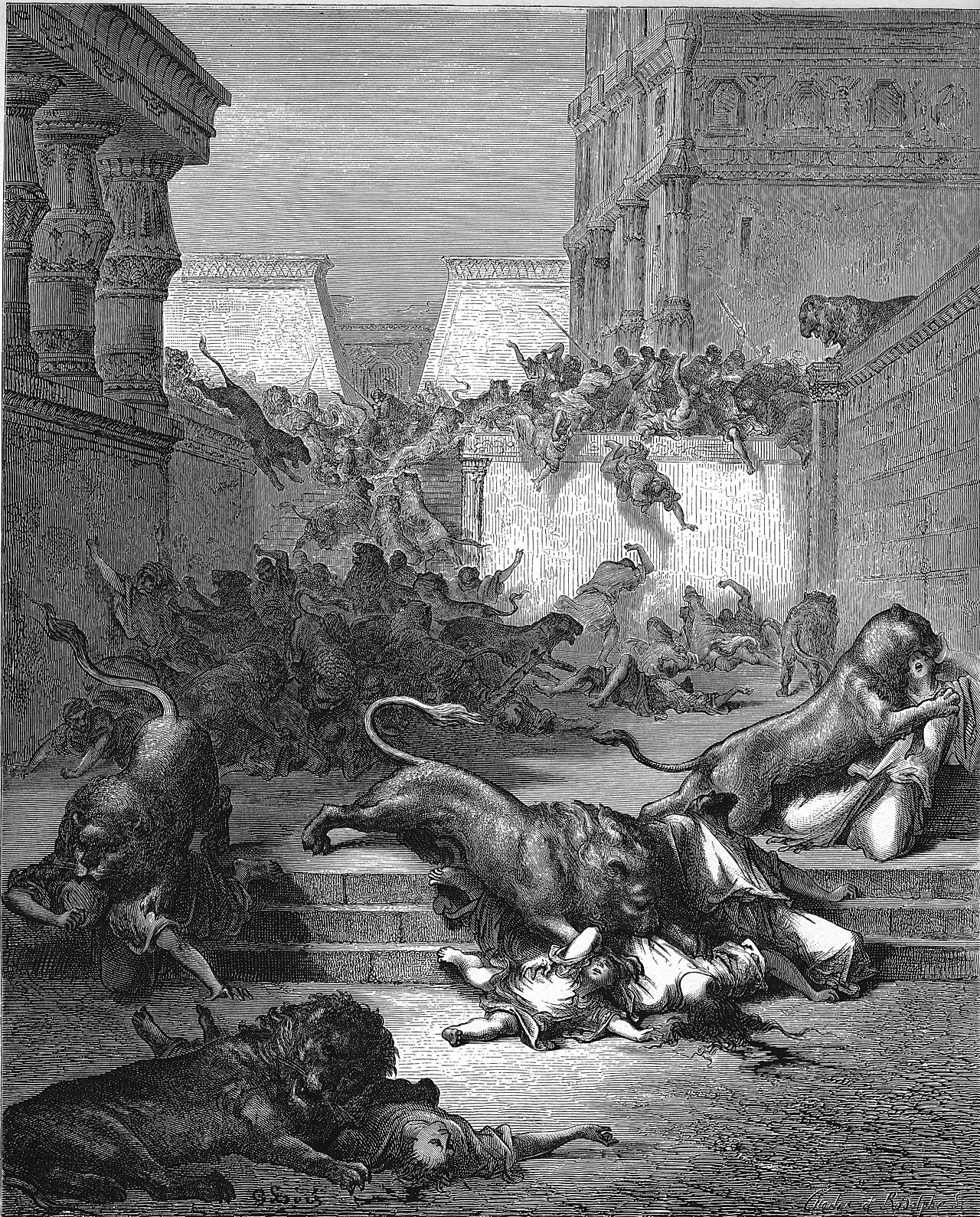
9 notes on this verseTook Samaria - According to the prophets Hosea, Hos 13:16, and Micah, Mic 1:6. He exercised great cruelties on this miserable city, ripping up the women with child, dashing young children against the stones, etc. etc. Carried Israel away into Assyria - What were the places to which the unfortunate Israelites were carried, or where their successors are now situated, have given rise to innumerable conjectures, dissertations, discourses, etc. Some maintain that they are found on the coast of Guinea; others, in America; the Indian tribes being the descendants of those carried away by the Assyrians.
This site's exposition
besieged it for three years
on 2 Kings 17:5-6
The king of Assyria marched up to Samaria and besieged it for three years, and Kings calls him only the king of Assyria. Assyrian records credit the fall to Sargon II, who claims it, though Shalmaneser V began the siege, and the text leaves the question open.
This site's exposition
In the ninth year of Hoshea
Barnes cited the count of the king of Assyria, Sargon, of 27,280 captives carried away from Samaria in 721 BC. Jamieson, Fausset and Brown noted that the Habor River keeps its name as the Khabour. Micah 1:6 had foretold the ruin of Samaria.
The record, by era
The Church Fathers1 voice
And it may be worth while to relate from what sources the Samaritans were made up; since all this country is called Samaria. Whence then did they receive their name? The mountain was called "Somor" from its owner, as also Esaias saith, "and the head of Ephraim is Somoron;" but the inhabitants were termed not "Samaritans" but "Israelites." But as time went on, they offended God, and in the reign of Pekah, Tiglath-Pileser came up, and took many cities, and set upon Elah, and having slain him, gave the kingdom to Hoshea. Against him Shalmaneser came and took other cities, and made them subject and tributary. At first he yielded, but afterwards he revolted from the Assyrian rule, and betook himself to the alliance of the Ethiopians. The Assyrian learnt this, and having made war upon them and destroyed their cities, he no longer allowed the nation to remain there, because he had such suspicions that they would revolt.
The Puritans and the Awakening3 voices
Carried Israel away, &c. - There, we have reason to think, after some time, they were so mingled with the nations, that they were lost, and the name of Israel was no more in remembrance.
21 For he rent Israel from the house of David; and they made Jeroboam the son of Nebat king: and Jeroboam drave Israel from following the L ORD , and made them sin a great sin. 22 For the children of Israel walked in all the sins of Jeroboam which he did; they departed not from them;
quarantine:scripture (2026-07-29) — scripture-overlap:96%@v21-22
In the ninth year of Hoshea the king of Assyria took Samaria,.....
The Nineteenth Century1 voice
A commentator
Jamieson, Fausset & Brown1802–1910
Commentary Critical and Explanatory on the Whole Bible (1871)
Chabor--is a river, and it is remarkable that there is a river rising in the central highlands of Assyria which retains this name Khabour unchanged to the present day. Gozan--("pasture") or Zozan, are the highlands of Assyria, which afford pasturage.
1 more voice on this verse
The Nineteenth Century1 voice
A commentator
Albert Barnes1798–1870
Notes, Explanatory and Practical, on the Old and New Testaments (1832-1869)
proposed
The king of Assyria took Samaria - i. e., from the Assyrian inscriptions, not Shalmaneser but Sargon, who claims to have captured the city in the first year of his reign (721 B.C.). At first Sargon carried off from Samaria no more than 27,280 prisoners and was so far from depopulating the country that he assessed the tribute on the remaining inhabitants at the same rate as before the conquest. But later in his reign he effected the wholesale deportation here mentioned. Halah and in Habor by the river of Gozan - Rather, “on the Habor, the river of Gozan.” Halah is the tract which Ptolemy calls Chalcitis, on the borders of Gauzanitis (Gozan) in the vicinity of the Chaboras, or Khabour (Habor, the great affluent of the Euphrates). In this region is a remarkable mound called Gla, which probably marks the site, and represents the name, of the city of Chalach, from where the district Chalcitis was so called. In the cities of the Medes - Sargon relates that he overran Media, seized and “annexed to Assyria” a number of the towns, and also established in the country a set of fortified posts or colonies.
The words behind it
20 Hebrew wordsEvery Hebrew word of this verse in the order it stands, with what it means and the door to its own study. The last column counts the times a word stands in the whole Bible: the rarer the word, the more the places it appears belong together.
| Hebrew | Sound | Meaning | Word study | In the Bible |
|---|---|---|---|---|
| בִּשְׁנַ֨ת | bishnat | in [the] year | H8141 → | 877 times |
| הַתְּשִׁיעִ֜ית | hateshiit | <of the> ninth | H8671 → | |
| לְהוֹשֵׁ֗עַ | lehoshea' | of Hoshea | H1954 → | 16 times |
| לָכַ֤ד | lakhad | he captured | H3920 → | 121 times |
| מֶֽלֶךְ־ | melekh- | [the] king of | H4428 → | 2525 times |
| אַשּׁוּר֙ | ʾashur | Assyria | H804 → | 151 times |
| אֶת־ | ʾet- | <obj.> | H853 → | 10935 times |
| שֹׁ֣מְר֔וֹן | shomeron | Samaria | H8111 → | 109 times |
| וַיֶּ֥גֶל | vaiyegel | and he took into exile | H1540 → | 186 times |
| אֶת־ | ʾet- | <obj.> | H853 → | 10935 times |
| יִשְׂרָאֵ֖ל | yisrael | Israel | H3478 → | 2507 times |
| אַשּׁ֑וּרָה | ʾashurah | Assyria towards | H804 → | 151 times |
| וַיֹּ֨שֶׁב | vaiyoshev | and he caused to dwell | H3427 → | 1079 times |
| אֹתָ֜ם | ʾotam | <obj.> them | H853 → | 10935 times |
| בַּחְלַ֧ח | bachlach | in Halah | H2477 → | |
| וּבְחָב֛וֹר | uvechavor | and on [the] Habor | H2249 → | |
| נְהַ֥ר | nehar | [the] river of | H5104 → | 119 times |
| גּוֹזָ֖ן | gozan | Gozan | H1470 → | 5 times |
| וְעָרֵ֥י | vearei | and [the] cities of | H5892 → | 1090 times |
| מָדָֽי׃ פ | madai | Media | H4074 → |
בִּשְׁנַ֨תin [the] year
bishnatH8141 →877 times
הַתְּשִׁיעִ֜ית<of the> ninth
hateshiitH8671 →
לְהוֹשֵׁ֗עַof Hoshea
lehoshea'H1954 →16 times
לָכַ֤דhe captured
lakhadH3920 →121 times
מֶֽלֶךְ־[the] king of
melekh-H4428 →2525 times
אַשּׁוּר֙Assyria
ʾashurH804 →151 times
אֶת־<obj.>
ʾet-H853 →10935 times
שֹׁ֣מְר֔וֹןSamaria
shomeronH8111 →109 times
וַיֶּ֥גֶלand he took into exile
vaiyegelH1540 →186 times
אֶת־<obj.>
ʾet-H853 →10935 times
יִשְׂרָאֵ֖לIsrael
yisraelH3478 →2507 times
אַשּׁ֑וּרָהAssyria towards
ʾashurahH804 →151 times
וַיֹּ֨שֶׁבand he caused to dwell
vaiyoshevH3427 →1079 times
אֹתָ֜ם<obj.> them
ʾotamH853 →10935 times
בַּחְלַ֧חin Halah
bachlachH2477 →
וּבְחָב֛וֹרand on [the] Habor
uvechavorH2249 →
נְהַ֥ר[the] river of
neharH5104 →119 times
גּוֹזָ֖ןGozan
gozanH1470 →5 times
וְעָרֵ֥יand [the] cities of
veareiH5892 →1090 times
מָדָֽי׃ פMedia
madaiH4074 →
A shaded row is a word that stands 400 times or fewer in the Bible.
The walk
8 stopsEach card is a verse this one points to, and under it the verses that one points to in turn. Where several paths arrive at the same place, that place is listed first: the text keeps returning to it.
Through
Deuteronomy 28:64Then the LORD will scatter you among all the nations, from one end of the earth to the other, and there you will worship other gods, gods of wood and stone, which neither you…
it leads to
- Jeremiah 16:13
So I will cast you out of this land into a land that neither you nor your fathers have known. There you will serve other gods day and night, for I will show you…
Reached by 2 separate paths from here.
- Leviticus 26:33
But I will scatter you among the nations and will draw out a sword after you as your land becomes desolate and your cities are laid waste.
- Deuteronomy 4:27–28
Then the LORD will scatter you among the peoples, and only a few of you will survive among the nations to which the LORD will drive you.
- Deuteronomy 28:36
The LORD will bring you and the king you appoint to a nation neither you nor your fathers have known, and there you will worship other gods—gods of wood and stone.
- Nehemiah 1:8
Remember, I pray, the word that You commanded Your servant Moses when You said, ‘If you are unfaithful, I will scatter you among the nations,
- Jeremiah 16:13
Through
1 Chronicles 5:26So the God of Israel stirred up the spirit of Pul king of Assyria (that is, Tiglath-pileser king of Assyria) to take the Reubenites, the Gadites, and the half-tribe of Manasseh into exile. And…
it leads to
- 2 Kings 15:19
Then Pul king of Assyria invaded the land, and Menahem gave Pul a thousand talents of silver in order to gain his support and strengthen his own grip on the kingdom.
- 2 Kings 15:19
Through
Isaiah 13:17Behold, I will stir up against them the Medes, who have no regard for silver and no desire for gold.
it leads to
- Daniel 5:28–31
PERES means that your kingdom has been divided and given over to the Medes and Persians.”
- Jeremiah 51:11
Sharpen the arrows! Fill the quivers! The LORD has aroused the spirit of the kings of the Medes, because His plan is aimed at Babylon to destroy her, for it is the vengeance of…
- Daniel 5:28–31
Where this verse is studied
On this page
Studies11
On this verse
What the record shows
1 entry- Fall of Samaria (722 BC)well-supported
Sargon II annals
verse:2ki.17.6
Counterpoint: Sargon II claims the capture, but he was not yet on the throne in 722 — a well-known case of an Assyrian king taking credit for a predecessor's victory. Hayim Tadmor, Bob Becking, and K. Lawson Younger reconstruct two events: Shalmaneser V took the city in 723/722, and Sargon put down a fresh revolt there in 720. So the annals cannot be read straight as dating the fall.
About 2 Kings
Who and where
2 names in this verse with a page on the site.
- PlaceUpper MesopotamiaAssyriaMesopotamian empire whose capital Nineveh repented at Jonah's preaching and fell to Nahum's burden in 612 BC; the rod of God's ang…
- PlaceThe northern hill countrySamariaThe hill Omri bought and built his capital on, where Ahab raised a temple to Baal, where the four lepers found the Aramean camp em…
This page draws on 9 works. Open the list of works
This page draws on Adam Clarke, Commentary on the Bible; Albert Barnes, Notes on the Old Testament; Albert Barnes, Notes, Explanatory and Practical, on the Old and New Testaments (1832-1869); Jamieson, Fausset & Brown, Commentary Critical and Explanatory on the Whole Bible; John Chrysostom, Homily 31 on John; John Gill, Exposition of the Old Testament (1748-1763); John Wesley, Explanatory Notes upon the Old Testament; Keil, The Books of the Kings and Matthew Henry, Commentary on the Whole Bible.