
2 Kings 17:31
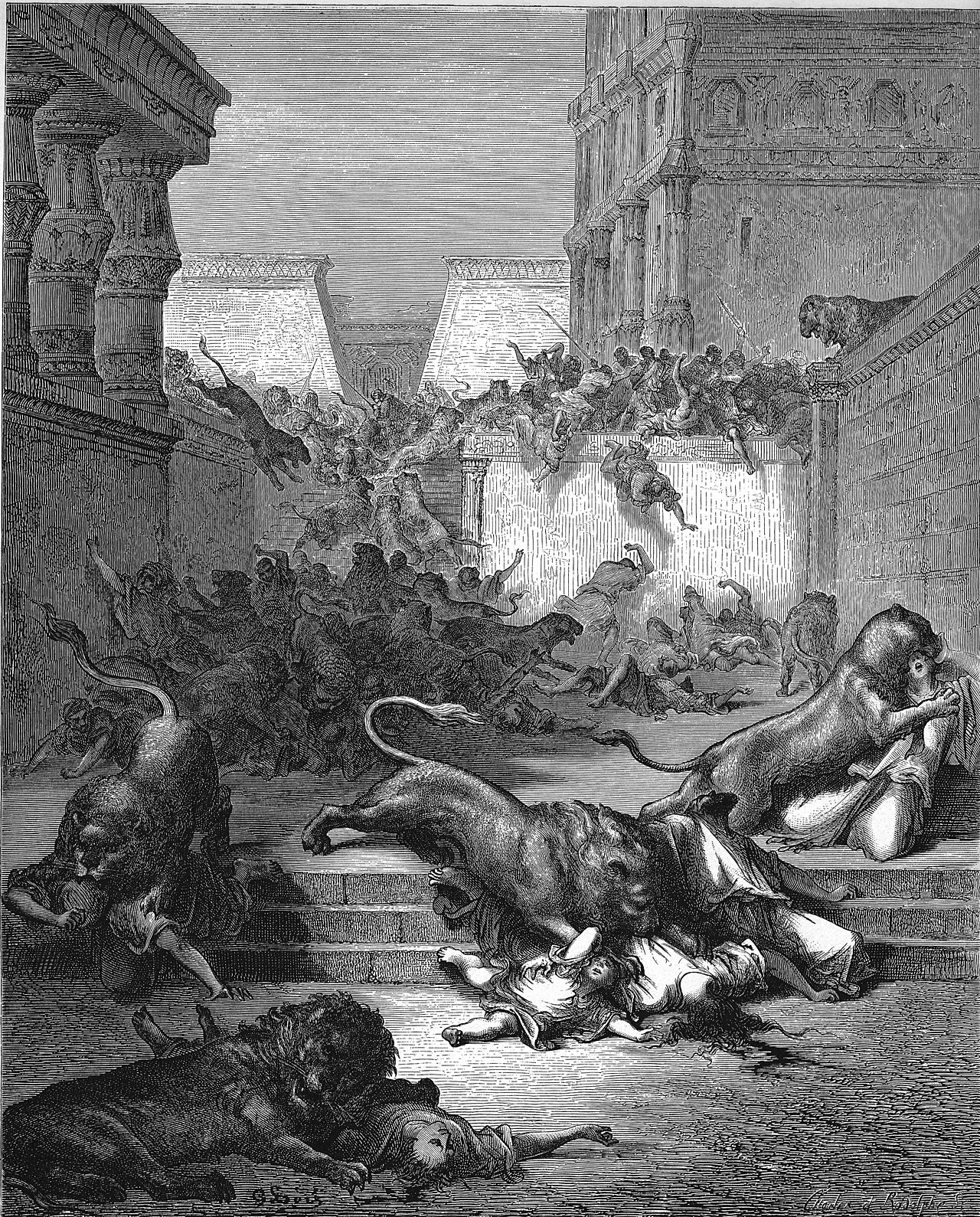
in 2 Kings 17the Avvites made Nibhaz and Tartak, and the Sepharvites burned their children in the fire to Adrammelech and Anammelech the gods of Sepharvaim.
BSB
The same verse in ASV and KJV ▾
ASV
and the Avvites made Nibhaz and Tartak; and the Sepharvites burnt their children in the fire to Adrammelech and Anammelech, the gods of Sepharvaim.
KJV
And the Avites made Nibhaz and Tartak, and the Sepharvites burnt their children in fire to Adrammelech and Anammelech, the gods of Sepharvaim.
⋯
This verse in 2 Kings 17
Commentary
7 notes on this verseA commentator
Albert Barnes1798–1870
Notes, Explanatory and Practical, on the Old and New Testaments (1832-1869)
Nibhaz and Tartak are either gods of whom no other notice has come down to us, or intentional corruptions of the Babylonian names Nebo and Tir, the great god of Borsippa, who was the tutelar deity of so many Babylonian kings. The Jews, in their scorn and contempt of polytheism, occasionally and purposely altered, by way of derision, the names of the pagan deities. Anammelech is possibly an instance of the same contemptuous play upon words. Adrammelech, “the glorious king,” signifies the sun.
This site's exposition
every nation made gods of their own
on 2 Kings 17:29-31
Every resettled nation keeps its own god inside the shrines the Samaritans had already built, and the text names them one by one, Succoth-benoth and Nergal from Babylon and Cuth, Ashima from Hamath, Nibhaz and Tartak from the Avites. The Sepharvites burn their own children to Adrammelech and Anammelech, the same child sacrifice already named against Israel at verse 17, now practiced by the very people brought in to replace them. The list reads like a small table of nations of gods, each import keeping its home religion rather than taking up the land's.
The record, by era
The Puritans and the Awakening3 voices
If we may credit the traditions of the Jewish doctors, they tell us that Succoth-Benoth was worshipped in a hen and chickens, Nergal in a cock, Ashima in a smooth goat, Nibhaz in a dog, Tartak in an ass, Adrammelech in a peacock, Anammelech in a pheasant. Our own tell us, more probably, that Succoth-Benoth (signifying the tents of the daughters ) was Venus.
Israel Subdued by Assyria. 1 In the twelfth year of Ahaz king of Judah began Hoshea the son of Elah to reign in Samaria over Israel nine years. 2 And he did that which was evil in the sight of the L ORD , but not as the kings of Israel that were before him.
quarantine:scripture (2026-07-29) — scripture-overlap:90%@v1-3
And the Avites made Nibhaz and Tartak,....
The Nineteenth Century2 voices
A commentator
Jamieson, Fausset & Brown1802–1910
Commentary Critical and Explanatory on the Whole Bible (1871)
Adrammelech--supposed by some to be the same as Molech, and in Assyrian mythology to stand for the sun. It was worshipped in the form of a mule--others maintain in that of a peacock. Anammelech--worshipped in the form of a hare; others say in that of a goat.
The Avites made Nibhaz - This was supposed to be the same as the Anubis of the Egyptians; and was in form partly of a dog, and partly of a man. A very ancient image of this kind now lies before me: it is cut out of stone, about seven inches high; has the body, legs, and arms, of a man; the head and feet of a dog; the thighs and legs covered with scales; the head crowned with a tiara; the arms crossed upon the breasts, with the fingers clenched. The figure stands upright, and the belly is very protuberant. See below. And Tartak - This is supposed by some to be another name of the same idol; Jarchi says it was in the shape of an ass. Some think these were the representations of the sun in his chariot; Nibhaz representing the solar orb, and Tartak the chariot. See below. Adrammelech - From אדר adar, glorious, and מלך melech, king. Probably the sun. Anammelech - From anah, to return, and מלך melech, king. Probably, the Moloch of the Ammonites. Jarchi says, the first was in the form of a mule, the second in the form of a horse; this was probably the moon.
The words behind it
14 Hebrew wordsEvery Hebrew word of this verse in the order it stands, with what it means and the door to its own study. The last column counts the times a word stands in the whole Bible: the rarer the word, the more the places it appears belong together.
| Hebrew | Sound | Meaning | Word study | In the Bible |
|---|---|---|---|---|
| וְהָעַוִּ֛ים | vehaavim | and the Avvites | H5761 → | |
| עָשׂ֥וּ | ʾasu | they made | H6213 → | 2628 times |
| נִבְחַ֖ז | nivchaz | Nibhaz | H5026 → | |
| וְאֶת־ | veet | and <obj.> | H853 → | 10935 times |
| תַּרְתָּ֑ק | tartak | Tartak | H8662 → | |
| וְהַסְפַרְוִ֗ים | vehasfarvim | and the Sepharvites | H5616 → | |
| שֹׂרְפִ֤ים | sorefim | [were] burning | H8313 → | 117 times |
| אֶת־ | ʾet- | <obj.> | H853 → | 10935 times |
| בְּנֵיהֶם֙ | beneihem | children their | H1121 → | 4930 times |
| בָּאֵ֔שׁ | baesh | in the fire | H784 → | 378 times |
| לְאַדְרַמֶּ֥לֶךְ | leadramelekh | to Adrammelech | H152 → | |
| וַֽעֲנַמֶּ֖לֶךְ | vaanamelekh | and Anammelech | H6048 → | |
| אֱלֹהֵ֥י | ʾeloah | [the] gods of | H430 → | 2601 times |
| סְפַרְוָֽיִם׃ | sefarim | Sepharvaim | H5617 → | 6 times |
וְהָעַוִּ֛יםand the Avvites
vehaavimH5761 →
עָשׂ֥וּthey made
ʾasuH6213 →2628 times
נִבְחַ֖זNibhaz
nivchazH5026 →
וְאֶת־and <obj.>
veetH853 →10935 times
תַּרְתָּ֑קTartak
tartakH8662 →
וְהַסְפַרְוִ֗יםand the Sepharvites
vehasfarvimH5616 →
שֹׂרְפִ֤ים[were] burning
sorefimH8313 →117 times
אֶת־<obj.>
ʾet-H853 →10935 times
בְּנֵיהֶם֙children their
beneihemH1121 →4930 times
בָּאֵ֔שׁin the fire
baeshH784 →378 times
לְאַדְרַמֶּ֥לֶךְto Adrammelech
leadramelekhH152 →
וַֽעֲנַמֶּ֖לֶךְand Anammelech
vaanamelekhH6048 →
אֱלֹהֵ֥י[the] gods of
ʾeloahH430 →2601 times
סְפַרְוָֽיִם׃Sepharvaim
sefarimH5617 →6 times
A shaded row is a word that stands 400 times or fewer in the Bible.
The walk
8 stopsEach card is a verse this one points to, and under it the verses that one points to in turn. Where several paths arrive at the same place, that place is listed first: the text keeps returning to it.
Through
Ezra 4:9From Rehum the commander, Shimshai the scribe, and the rest of their associates—the judges and officials over Tripolis, Persia, Erech and Babylon, the Elamites of Susa,
it leads to
- 2 Kings 17:30–31
The men of Babylon made Succoth-benoth, the men of Cuth made Nergal, the men of Hamath made Ashima,
Reached by 2 separate paths from here.
- Ezra 5:6
This is the text of the letter that Tattenai the governor of the region west of the Euphrates, Shethar-bozenai, and their associates, the officials in the region, sent to King Darius.
- Ezra 6:6
Therefore Darius decreed: To Tattenai governor of the region west of the Euphrates, Shethar-bozenai, and your associates and officials in the region: You must stay away from that place!
- 2 Kings 17:30–31
Through
2 Kings 17:17They sacrificed their sons and daughters in the fire and practiced divination and soothsaying. They devoted themselves to doing evil in the sight of the LORD, provoking Him to anger.
it leads to
- 2 Kings 21:6
He sacrificed his own son in the fire, practiced sorcery and divination, and consulted mediums and spiritists. He did great evil in the sight of the LORD, provoking Him to anger.
- 2 Kings 16:3
Instead, he walked in the ways of the kings of Israel and even sacrificed his son in the fire, according to the abominations of the nations that the LORD had driven out before the…
- Ezekiel 23:37
For they have committed adultery, and blood is on their hands. They have committed adultery with their idols. They have even sacrificed their children, whom they bore to Me, in the fire as food…
- Deuteronomy 18:10–12
Let no one be found among you who sacrifices his son or daughter in the fire, practices divination or conjury, interprets omens, practices sorcery,
- 2 Kings 21:6
Through
Deuteronomy 12:31You must not worship the LORD your God in this way, because they practice for their gods every abomination which the LORD hates. They even burn their sons and daughters in the fire as…
it leads to
- Jeremiah 32:35
They have built the high places of Baal in the Valley of Hinnom to make their sons and daughters pass through the fire to Molech—something I never commanded them, nor had it ever entered…
- Jeremiah 32:35
Where this verse is studied
On this page
Studies4
On this verse
On this chapter
About 2 Kings
This page draws on Adam Clarke, Commentary on the Bible; Albert Barnes, Notes, Explanatory and Practical, on the Old and New Testaments (1832-1869); Jamieson, Fausset & Brown, Commentary Critical and Explanatory on the Whole Bible; John Gill, Exposition of the Old Testament; John Gill, Exposition of the Old Testament (1748-1763) and Matthew Henry, Commentary on the Whole Bible.