
1 Samuel 14:34
in 1 Samuel 14Then he said, “Go among the troops and tell them, ‘Each man must bring me his ox or his sheep, slaughter them in this place, and then eat. Do not sin against the LORD by eating meat with the blood still in it.’” So that night everyone brought his ox and slaughtered it there.
BSB
The same verse in ASV and KJV ▾
ASV
And Saul said, Disperse yourselves among the people, and say unto them, Bring me hither every man his ox, and every man his sheep, and slay them here, and eat; and sin not against Jehovah in eating with the blood. And all the people brought every man his ox with him that night, and slew them there.
KJV
And Saul said, Disperse yourselves among the people, and say unto them, Bring me hither every man his ox, and every man his sheep, and slay them here, and eat; and sin not against the Lord in eating with the blood. And all the people brought every man his ox with him that night, and slew them there.
⋯
This verse in 1 Samuel 14
Commentary
6 notes on this verseThis site's exposition
the troops are sinning against the LORD by eating meat with the blood still in it
on 1 Samuel 14:33-35
Saul acts at once, rolling a large stone as a place of slaughter so the animals can be killed and drained properly. The chapter adds that this was "the first time he had built an altar to the LORD," in the chapter of his rash oath and his cut-short inquiry. Zeal for the letter of the law and carelessness with the LORD’s word stand side by side in one king.
This site's exposition
slaughter them in this place
Albert Barnes traces the ban on blood back past Moses to Genesis 9:4, and forward to Acts 15:20 and 29. Jamieson, Fausset and Brown explain the stone: an animal killed on it bled out onto the ground, and all could see it was dead before it was eaten. The whole army obeyed that night.
The record, by era
The Medieval Church2 voices
A commentator
Gregory the DialogistCommentary on 1 Kings, Book 5, Chapter 4 · Written before 604.
proposed
It is proper to the preachers of the holy Church both to rebuke committed faults and to show how those rebuked faults ought to be avoided. Once rebuked, they become known, but if people do not know how to avoid them, once exposed they are repeated. What is shown in this eating of blood, if not the hidden poison of pride? But hidden vices are not cured unless they are exposed. Therefore, to suggest the manner of preachers, Saul first declares that the people have transgressed, then commands that the animals they are to eat be slain upon a stone.
A commentator
Gregory the DialogistCommentary on 1 Kings, Book 5, Chapter 4 · Written before 604.
proposed
To lead a bull by hand is to destroy the sin of pride through the affliction of penance. For while by laboring one destroys what one committed through pride, one leads the bull to be slaughtered on the stone by hand. But what does it mean when he says: "Until night," unless that it is not permitted to sin, but it is permitted to destroy sins up until death?
The Puritans and the Awakening2 voices
), so easily were they restrained and reformed when their prince took care to do his part. If magistrates would but use their power as they might, people would be made better than they are with more ease than is imagined.
quarantine:debris (2026-07-29) — leading-punctuation+unbalanced-parens
And Saul said, disperse yourselves among the people,....
The words behind it
30 Hebrew wordsEvery Hebrew word of this verse in the order it stands, with what it means and the door to its own study. The last column counts the times a word stands in the whole Bible: the rarer the word, the more the places it appears belong together.
| Hebrew | Sound | Meaning | Word study | In the Bible |
|---|---|---|---|---|
| וַיֹּ֣אמֶר | vaiyomer | and he said | H559 → | 5305 times |
| שָׁא֣וּל | shaul | Saul | H7586 → | 402 times |
| פֻּ֣צוּ | putzu | be scattered | H6327 → | 67 times |
| בָעָ֡ם | vaam | among the people | H5971 → | 1873 times |
| וַאֲמַרְתֶּ֣ם | vaamartem | and you will say | H559 → | 5305 times |
| לָהֶ֡ם | lahem | to <the> them | ||
| הַגִּ֣ישׁוּ | hagishu | bring near | H5066 → | 125 times |
| אֵלַי֩ | ʾelai | to me | H413 → | 5510 times |
| אִ֨ישׁ | ʾish | each one | H376 → | 1663 times |
| שׁוֹר֜וֹ | shoro | ox his | H7794 → | 79 times |
| וְאִ֣ישׁ | veish | and each one | H376 → | 1663 times |
| שְׂיֵ֗הוּ | seyehu | sheep his | H7716 → | 47 times |
| וּשְׁחַטְתֶּ֤ם | ushechatem | and you will slaughter [it] | H7819 → | 81 times |
| בָּזֶה֙ | bazeh | in this [place] | H2088 → | 1180 times |
| וַאֲכַלְתֶּ֔ם | vaakhaltem | and you will eat [it] | H398 → | 810 times |
| וְלֹֽא־ | velo'- | and not | H3808 → | 5168 times |
| תֶחֶטְא֥וּ | techetu | you will sin | H2398 → | 238 times |
| לַֽיהוָ֖ה | layahweh | to Yahweh | H3068 → | 6520 times |
| לֶאֱכֹ֣ל | leekhol | by eating | H398 → | 810 times |
| אֶל־ | ʾel- | with | H413 → | 5510 times |
| הַדָּ֑ם | hadam | the blood | H1818 → | 360 times |
| וַיַּגִּ֨שׁוּ | vaiyagishu | and they brought near | H5066 → | 125 times |
| כָל־ | khol- | all | H3605 → | 5413 times |
| הָעָ֜ם | haam | the people | H5971 → | 1873 times |
| אִ֣ישׁ | ʾish | each one | H376 → | 1663 times |
| שׁוֹר֧וֹ | shoro | ox his | H7794 → | 79 times |
| בְיָד֛וֹ | veyadov | in hand his | H3027 → | 1618 times |
| הַלַּ֖יְלָה | halaylah | this night | H3915 → | 233 times |
| וַיִּשְׁחֲטוּ־ | vaiyishchatu- | and they slaughtered [it] | H7819 → | 81 times |
| שָֽׁם׃ | sham | there | H8033 → | 834 times |
וַיֹּ֣אמֶרand he said
vaiyomerH559 →5305 times
שָׁא֣וּלSaul
shaulH7586 →402 times
פֻּ֣צוּbe scattered
putzuH6327 →67 times
בָעָ֡םamong the people
vaamH5971 →1873 times
וַאֲמַרְתֶּ֣םand you will say
vaamartemH559 →5305 times
לָהֶ֡םto <the> them
lahem
הַגִּ֣ישׁוּbring near
hagishuH5066 →125 times
אֵלַי֩to me
ʾelaiH413 →5510 times
אִ֨ישׁeach one
ʾishH376 →1663 times
שׁוֹר֜וֹox his
shoroH7794 →79 times
וְאִ֣ישׁand each one
veishH376 →1663 times
שְׂיֵ֗הוּsheep his
seyehuH7716 →47 times
וּשְׁחַטְתֶּ֤םand you will slaughter [it]
ushechatemH7819 →81 times
בָּזֶה֙in this [place]
bazehH2088 →1180 times
וַאֲכַלְתֶּ֔םand you will eat [it]
vaakhaltemH398 →810 times
וְלֹֽא־and not
velo'-H3808 →5168 times
תֶחֶטְא֥וּyou will sin
techetuH2398 →238 times
לַֽיהוָ֖הto Yahweh
layahwehH3068 →6520 times
לֶאֱכֹ֣לby eating
leekholH398 →810 times
אֶל־with
ʾel-H413 →5510 times
הַדָּ֑םthe blood
hadamH1818 →360 times
וַיַּגִּ֨שׁוּand they brought near
vaiyagishuH5066 →125 times
כָל־all
khol-H3605 →5413 times
הָעָ֜םthe people
haamH5971 →1873 times
אִ֣ישׁeach one
ʾishH376 →1663 times
שׁוֹר֧וֹox his
shoroH7794 →79 times
בְיָד֛וֹin hand his
veyadovH3027 →1618 times
הַלַּ֖יְלָהthis night
halaylahH3915 →233 times
וַיִּשְׁחֲטוּ־and they slaughtered [it]
vaiyishchatu-H7819 →81 times
שָֽׁם׃there
shamH8033 →834 times
A shaded row is a word that stands 400 times or fewer in the Bible.
Where this verse is studied
On this page
Studies1
About 1 Samuel
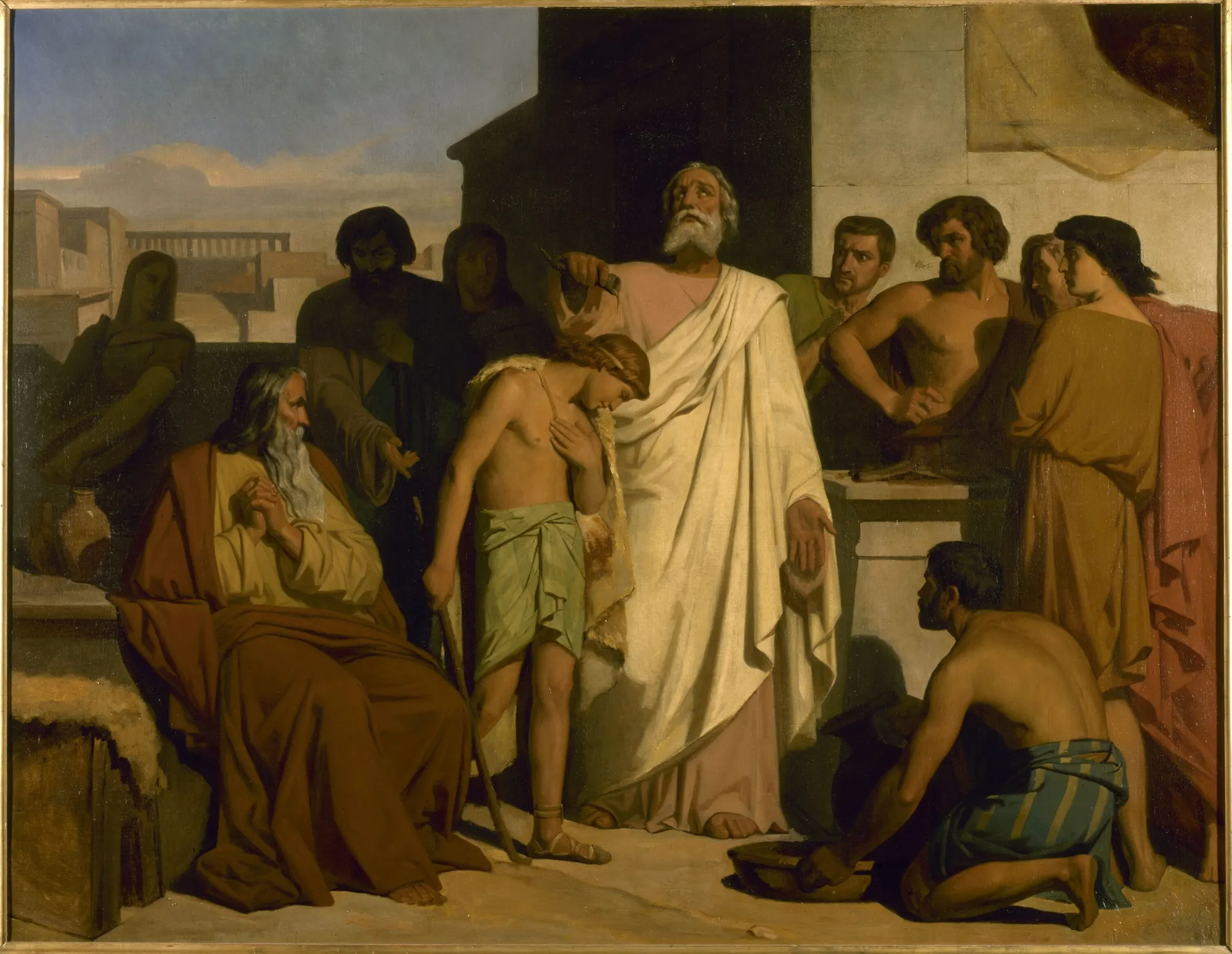
This page draws on Albert Barnes, Notes, Explanatory and Practical, on the Old and New Testaments; Gregory the Dialogist, Commentary on 1 Kings, Book 5, Chapter 4; Jamieson, Fausset & Brown, Commentary Critical and Explanatory on the Whole Bible; John Gill, Exposition of the Old Testament; John Gill, Exposition of the Old Testament (1748-1763) and Matthew Henry, Commentary on the Whole Bible.