
Proverbs 10:4
in Proverbs 10Idle hands make one poor, but diligent hands bring wealth.
BSB
The same verse in ASV and KJV ▾
ASV
He becometh poor that worketh with a slack hand; But the hand of the diligent maketh rich.
KJV
He becometh poor that dealeth with a slack hand: but the hand of the diligent maketh rich.
⋯
This verse in Proverbs 10
Commentary
8 notes on this verseHe becometh poor that dealeth with a slack hand,.... That is either remiss in giving to the necessities of others, according to his abilities, and as cases require; or that is negligent and slothful in his business. Or, "that worketh with a deceitful hand"; or, "with a hand of deceit" (u), as it may be rendered; who pretends to work, but does not; makes a show as if he did, but acts deceitfully; or who uses many tricking and deceitful ways and methods to live, as usually slothful persons do.
This site's exposition
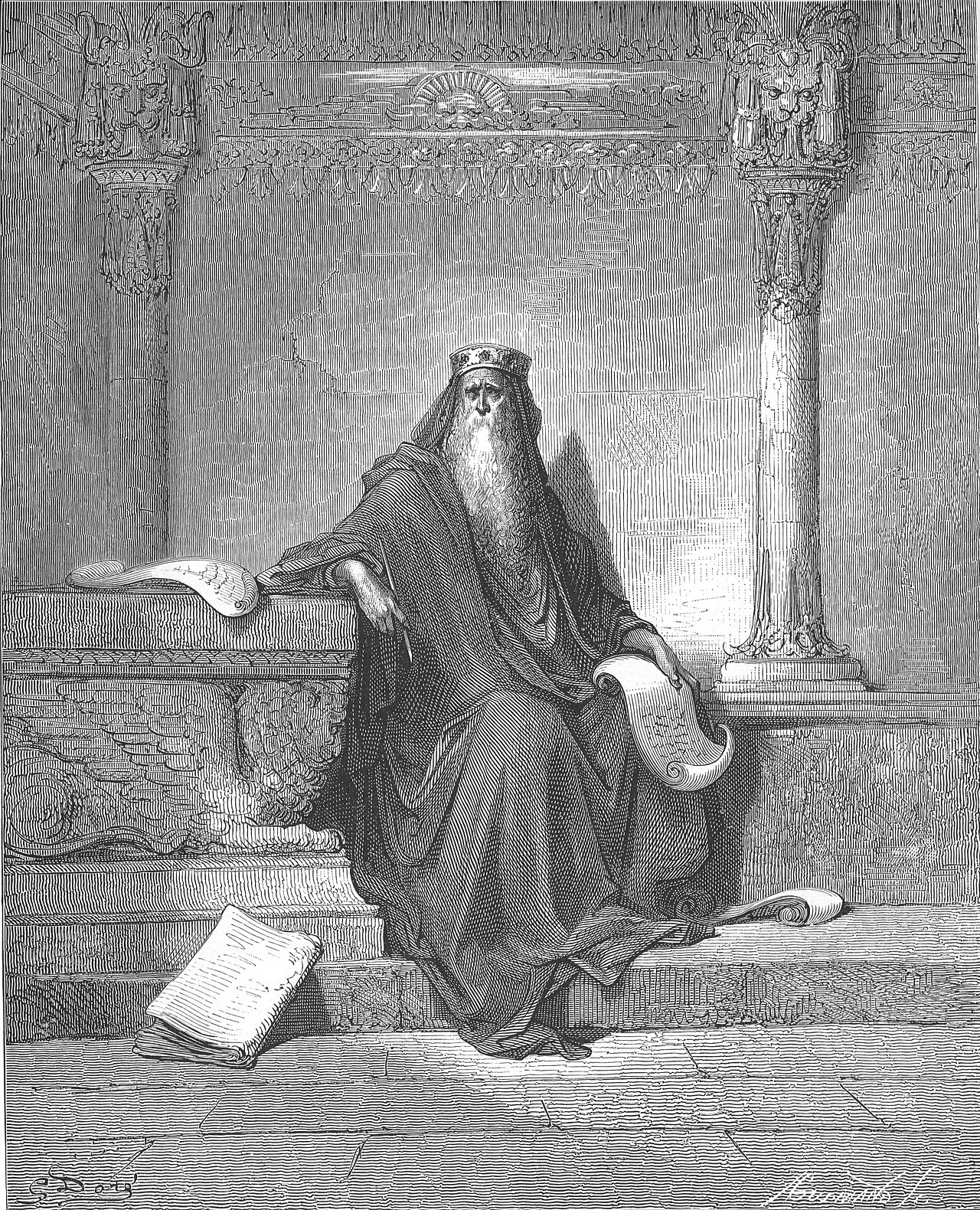
The proverbs of Solomon
on Proverbs 10:1-5
The header marks a new collection, and the couplets fall at once into the book's working method, righteous set against wicked in a single line. A wise son and a foolish son open the chapter on the family theme the first nine chapters argued at length, now compressed to a single antithesis, and the next four verses run the same pattern over wealth: treasures of wickedness profit nothing, the diligent hand grows rich, the slack hand grows poor. Henry reads verse 3 as the frame over the rest, the Lord will not suffer the soul of the righteous to famish, providence standing behind the plain arithmetic of effort and reward.
The record, by era
The Medieval Church2 voices
Lazy hands lead to poverty, etc. Whoever lives negligently in this world will suffer lack of good things in the future; but whoever fights bravely for the Lord is rewarded with the riches of eternal blessedness.
A commentator
BonaventureCollationes de Septem Donis, Collation 5 · Written in the 13th century.
proposed
The gift of fortitude is given for accomplishing manly deeds; whence in Proverbs: "The slack hand works poverty, but the hand of the strong prepares riches."
The Puritans and the Awakening2 voices
Diligence in getting them is our duty, but God's blessing and grace must have all the glory of that which is acquired, Deut. viii. 23 It is as sport to a fool to do mischief: but a man of understanding hath wisdom. Sin exceedingly sinful: It is as laughter to a fool to do mischief; it is as natural to him, and as pleasant, as it is to a man to laugh.
It is a man's honour to have wisdom, but much more to be instrumental to make others wise. Folly and sin are the shame of bad men: A rod is for the back of him that is void of understanding--of him that wants a heart; he exposes himself to the lashes of his own conscience, to the scourges of the tongue, to the censures of the magistrate, and to the righteous judgments of God.
The Nineteenth Century1 voice
He becometh poor - God has ordered, in the course of his providence, that he who will not work shall not eat. And he always blesses the work of the industrious man.
1 more voice on this verse
The Nineteenth Century1 voice
A commentator
Albert Barnes1798–1870
Notes, Explanatory and Practical, on the Old and New Testaments (1832-1869)
proposed
Slack - The word is elsewhere translated as “deceitful” Job 13:7; Psa 120:2-3; Hos 7:16; Jer 48:10. The two thoughts run easily into each other.
The words behind it
7 Hebrew wordsEvery Hebrew word of this verse in the order it stands, with what it means and the door to its own study. The last column counts the times a word stands in the whole Bible: the rarer the word, the more the places it appears belong together.
| Hebrew | Sound | Meaning | Word study | In the Bible |
|---|---|---|---|---|
| רָ֗אשׁ | rash | [is] poor | H7326 → | 24 times |
| עֹשֶׂ֥ה | ʾoseh | [one who] works | H6213 → | 2628 times |
| כַף־ | khaf- | a palm of | H3709 → | 192 times |
| רְמִיָּ֑ה | remiyah | laxness | H7423 → | 15 times |
| וְיַ֖ד | veyad | and [the] hand of | H3027 → | 1618 times |
| חָרוּצִ֣ים | charutzim | diligent [people] | H2742 → | 19 times |
| תַּעֲשִֽׁיר׃ | taashir | it gains riches | H6238 → | 17 times |
רָ֗אשׁ[is] poor
rashH7326 →24 times
עֹשֶׂ֥ה[one who] works
ʾosehH6213 →2628 times
כַף־a palm of
khaf-H3709 →192 times
רְמִיָּ֑הlaxness
remiyahH7423 →15 times
וְיַ֖דand [the] hand of
veyadH3027 →1618 times
חָרוּצִ֣יםdiligent [people]
charutzimH2742 →19 times
תַּעֲשִֽׁיר׃it gains riches
taashirH6238 →17 times
A shaded row is a word that stands 400 times or fewer in the Bible.
The walk
8 stopsEach card is a verse this one points to, and under it the verses that one points to in turn. Where several paths arrive at the same place, that place is listed first: the text keeps returning to it.
Through
Proverbs 21:5The plans of the diligent bring plenty, as surely as haste leads to poverty.
it leads to
- Proverbs 13:4
The slacker craves yet has nothing, but the soul of the diligent is fully satisfied.
Reached by 3 separate paths from here.
- Proverbs 27:23–27
Be sure to know the state of your flocks, and pay close attention to your herds;
- Ephesians 4:28
He who has been stealing must steal no longer, but must work, doing good with his own hands, that he may have something to share with the one in need.
- 1 Thessalonians 4:11–12
and to aspire to live quietly, to attend to your own matters, and to work with your own hands, as we instructed you.
- Proverbs 14:29
A patient man has great understanding, but a quick-tempered man promotes folly.
- Proverbs 13:4
Through
Proverbs 20:4The slacker does not plow in season; at harvest time he looks, but nothing is there.
it leads to
- Proverbs 19:15
Laziness brings on deep sleep, and an idle soul will suffer hunger.
Reached by 2 separate paths from here.
- Proverbs 19:15
Through
Proverbs 13:4The slacker craves yet has nothing, but the soul of the diligent is fully satisfied.
it leads to
- 2 Peter 1:5–11
For this very reason, make every effort to add to your faith virtue; and to virtue, knowledge;
Reached by 2 separate paths from here.
- Proverbs 12:24
The hand of the diligent will rule, but laziness ends in forced labor.
- 2 Peter 1:5–11
Where this verse is studied
On this page
About Proverbs
This page draws on Adam Clarke, Commentary on the Bible; Albert Barnes, Notes, Explanatory and Practical, on the Old and New Testaments (1832-1869); Bede, Commentary on Proverbs; Bonaventure, Collationes de Septem Donis, Collation 5; Charles Bridges, An Exposition of the Book of Proverbs; John Gill, Exposition of the Old Testament (1748-1763) and Matthew Henry, Commentary on the Whole Bible.