
Ephesians 4 · Trial 12 of 21 · Featured Study
Anger
Anger is the heat that rises against a wrong, and Scripture sets limits on how far and how long it may burn.
In the New Testament the word orge speaks far more often of the wrath of God than of the anger of people.
“Be angry, yet do not sin.” Do not let the sun set upon your anger,
- Anchor text
- Ephesians 4:26 “…the sun set upon your anger,”
- The lament
- Psalm 4:4 “Be angry, yet do not sin; on your…”
- Hold in memory
- Ephesians 4:26, Proverbs 15:1
Summary
Scripture speaks of anger in the Law, the Psalms, the Proverbs, the Prophets, the Gospels and the letters. It records the anger of God against sin and the anger of men and women, some of it righteous and much of it sin. Prophets and kings were angry, some for God's honor and some for their own. The letters of the New Testament tell believers to put anger away and to be kind to one another.
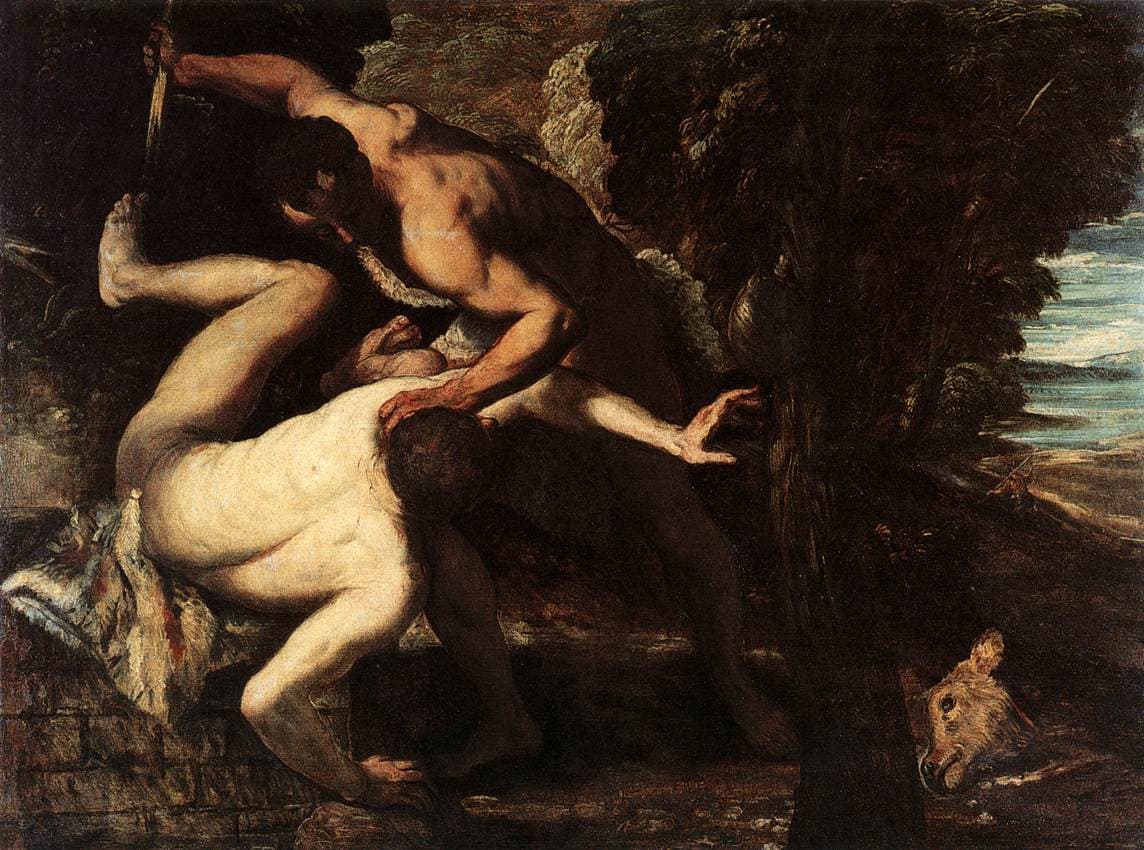
- God warned the first angry man that sin was waiting at his door and that he had to rule over it.
- Paul permits anger and forbids the sin in it.
- Christ was angry without sin, and on the cross He bore the wrath His people deserved.
- God is slow to anger, and His anger at His people passes while His favor stays.
- Teachers since the fourth century have disagreed over whether a believer's anger is ever right.
What Scripture Says to the One Who Is Angry
Three Hebrew words and two Greek words name anger, and each has its own picture.
This study asks what Scripture says to a person who is angry, where anger comes from, where Christ bore it and what God gives an angry person to do. It names the Hebrew and Greek words for anger, sets out the key texts and the lament of Psalm 4, and tells the anger of Cain, Esau, Moses and Jonah. It gathers the church's teachers on anger from Ambrose and Gregory to Calvin and Matthew Henry, and it sets out the questions on which readers disagree.
Aph, the nose and anger
276 uses in the canon
The Hebrew noun aph (H639) first means the nose or nostril, and it also names the face and anger. A psalm says of God, “For His anger is fleeting, but His favor lasts a lifetime.”
Charah, to burn
91 uses in the canon
The Hebrew verb charah (H2734) means to glow or grow warm, and so to be incensed. The Hebrew of Jonah 4:1 says that it burned to him.
Chemah, heat and rage
125 uses in the canon
The Hebrew noun chemah (H2534) means heat, and it names rage. One verse sets it beside aph and charah: “Refrain from anger and abandon wrath.”
Orge, wrath
36 uses in the canon
The Greek noun orge (G3709) names wrath. Paul puts it first in a list of things to set aside: “anger, rage, malice, slander, and filthy language from your lips.”
Thymos, rage
18 uses in the canon
The Greek noun thymos (G2372) names passion, as if breathing hard. Paul counts “rage” among the acts of the flesh.
The lexicon in full
Aph, the nose and anger, Charah, to burn, Chemah, heat and rage, Orge, wrath, Thymos, rage
The Key Texts on Anger
The Proverbs, the Gospels and the letters each speak to the angry heart.
Proverbs and Ecclesiastes
A patient man has great understanding, but a quick-tempered man promotes folly.
Proverbs sets the patient man and the hot-tempered man side by side more than once, and this verse is one of its plainest.
He who is slow to anger is better than a warrior, and he who controls his temper is greater than one who captures a city.
Ambrose of Milan quotes this verse when he tells the angry to be angry with themselves.
An angry man stirs up dissension, and a hot-tempered man abounds in transgression.
The proverb shows what an angry man stirs up around him.
Do not be quickly provoked in your spirit, for anger settles in the lap of a fool.
The Preacher names the place where anger settles when it is kept.
Letters
Get rid of all bitterness, rage and anger, outcry and slander, along with every form of malice. Be kind and tenderhearted to one another, forgiving each other just as in Christ God forgave you.
Paul lists what to put away and what to put on in its place.
for man’s anger does not bring about the righteousness that God desires.
James gives the reason a believer should be slow to anger.
James 1:20BSB
Ephesians 4:31 to 32, James 1:20
Where Anger Comes From and Where Christ Bore It
Sin at the door, passions at war within, the enemy and the wrongs of others all feed anger, and Christ met it in His own life and at the cross.
If you do what is right, will you not be accepted? But if you refuse to do what is right, sin is crouching at your door; it desires you, but you must master it.”The verse stands here because it is God's first word on anger, spoken before the first murder.
What causes conflicts and quarrels among you? Don’t they come from the passions at war within you? You crave what you do not have; you kill and covet, but are unable to obtain it. You quarrel and fight. You do not have, because you do not ask.James traces quarrels to the passions at war within a person.
and do not give the devil a foothold.The verse stands here because it names the enemy as one who feeds on anger that is kept.
The wrongs that others do stir anger too, and God rules over all of it.
Even the wrath of man shall praise You; with the survivors of wrath You will clothe Yourself.The verse stands here because it puts even human rage under God's rule.
The LORD is compassionate and gracious, slow to anger, abounding in loving devotion. He will not always accuse us, nor harbor His anger forever.The verse stands here because God's own patience is the measure set before the angry.
His teaching on angerMatthew 5
You have heard that it was said to the ancients, ‘Do not murder’ and ‘Anyone who murders will be subject to judgment.’ But I tell you that anyone who is angry with his brother will be subject to judgment. Again, anyone who says to his brother, ‘Raca,’ will be subject to the Sanhedrin. But anyone who says, ‘You fool!’ will be subject to the fire of hell.
Matthew 5:21 to 22BSB The verse stands here because it is Jesus' own teaching on anger, given in the Sermon on the Mount.
His anger at hard heartsMark 3
In a synagogue on the Sabbath, men watched to see whether Jesus would heal a man with a withered hand, so that they could accuse Him.
Jesus looked around at them with anger and sorrow at their hardness of heart. Then He said to the man, “Stretch out your hand.” So he stretched it out, and it was restored.
Mark 3:5BSB The verse stands here because it is the one place a Gospel uses the noun orge of Jesus.
His zeal in the templeJohn 2
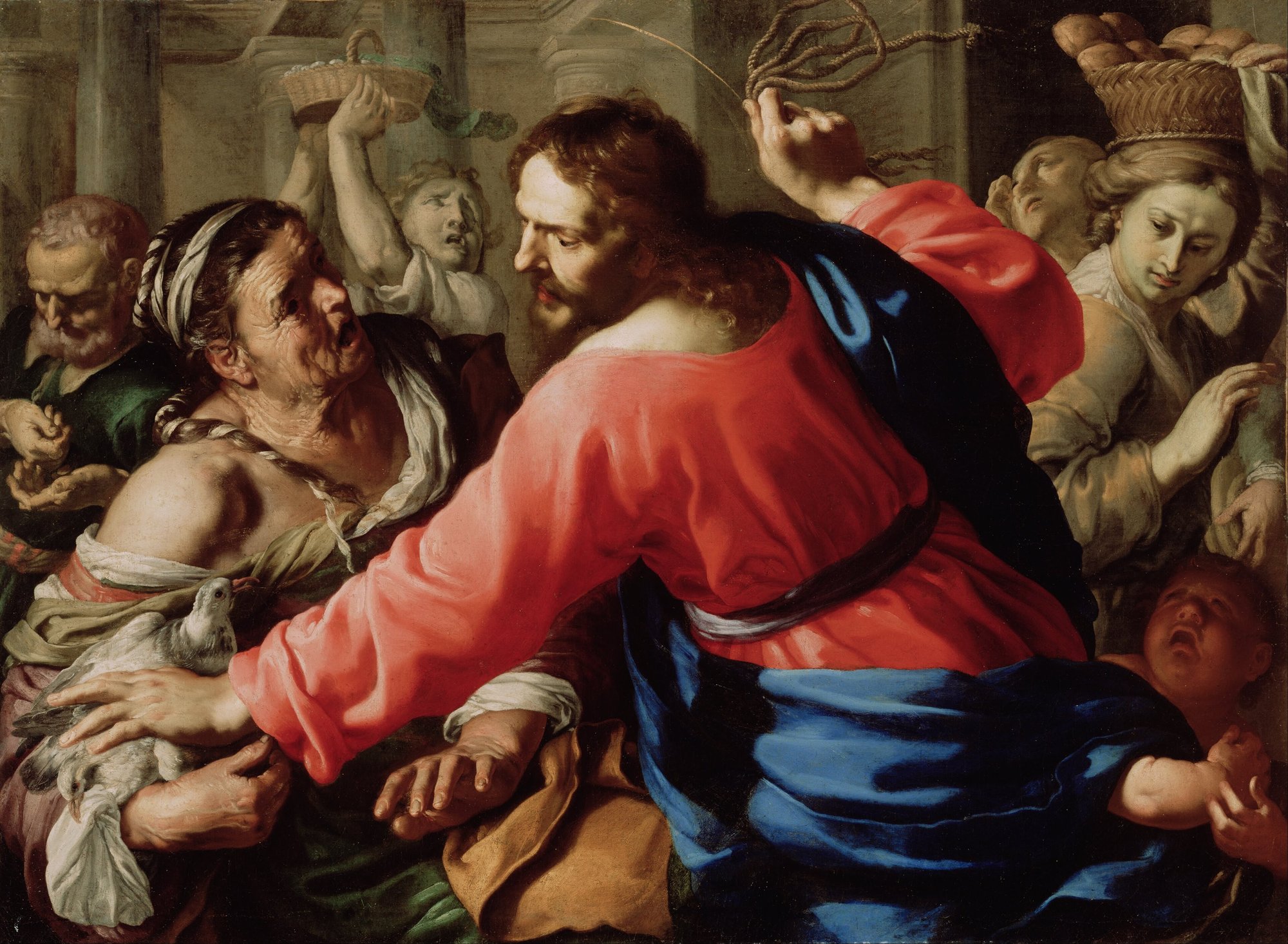
At the Passover He made a whip out of cords and drove the traders out of the temple courts. His disciples remembered that it is written, “Zeal for Your house will consume Me” (John 2:17).
To those selling doves He said, “Get these out of here! How dare you turn My Father’s house into a marketplace!”
John 2:16BSB His words to the dove sellers name the wrong that roused Him, His Father's house made a marketplace.
Read the study of Zeal for Your House 9 sections, 30 verses set out
His indignation for the childrenMark 10
But when Jesus saw this, He was indignant and told them, “Let the little children come to Me, and do not hinder them! For the kingdom of God belongs to such as these.
Mark 10:14BSB The verse stands here because His anger rose for others who were being kept from Him.
His silence under abuse1 Peter 2
On the cross He prayed, “Father, forgive them, for they do not know what they are doing” (Luke 23:34).
When they heaped abuse on Him, He did not retaliate; when He suffered, He made no threats, but entrusted Himself to Him who judges justly.
1 Peter 2:23BSB Peter shows Christ bearing the anger of others without returning it.
Read the study of Father, Forgive Them 8 sections, 18 verses set out
Saved through His bloodRomans 5
Paul calls Him “Jesus our deliverer from the coming wrath” (1 Thessalonians 1:10).
Therefore, since we have now been justified by His blood, how much more shall we be saved from wrath through Him!
Romans 5:9BSB The verse stands here because it names the cross as the ground of the rescue.
Read the debate How the Cross Saves 11 sections, 27 verses set out
His sympathy as High PriestHebrews 4
For we do not have a high priest who is unable to sympathize with our weaknesses, but we have one who was tempted in every way that we are, yet was without sin.
Hebrews 4:15BSB The verse stands here because the angry may bring their anger to a High Priest who knows temptation.
Read the study of The Priest 11 sections, 13 verses set out
His anger at hard hearts (Mark 3), His zeal in the temple (John 2), His indignation for the children (Mark 10), His silence under abuse (1 Peter 2), Saved through His blood (Romans 5), His sympathy as High Priest (Hebrews 4)
Ephesians 4:27, Psalm 76:10, Psalm 103:8 to 9, Matthew 5:21 to 22, Mark 3:5, John 2:16, Mark 10:14, 1 Peter 2:23 and 2 more
James 4:1 to 2, Ephesians 4:27, Psalm 76:10, Psalm 103:8 to 9, His teaching on anger (Matthew 5), His anger at hard hearts (Mark 3), His zeal in the temple (John 2), His indignation for the children (Mark 10) and 3 more
Who Walked Through Anger
Four people of the Bible were angry, at idolatry, at a rival, at a wrong and at the oppression of the poor.
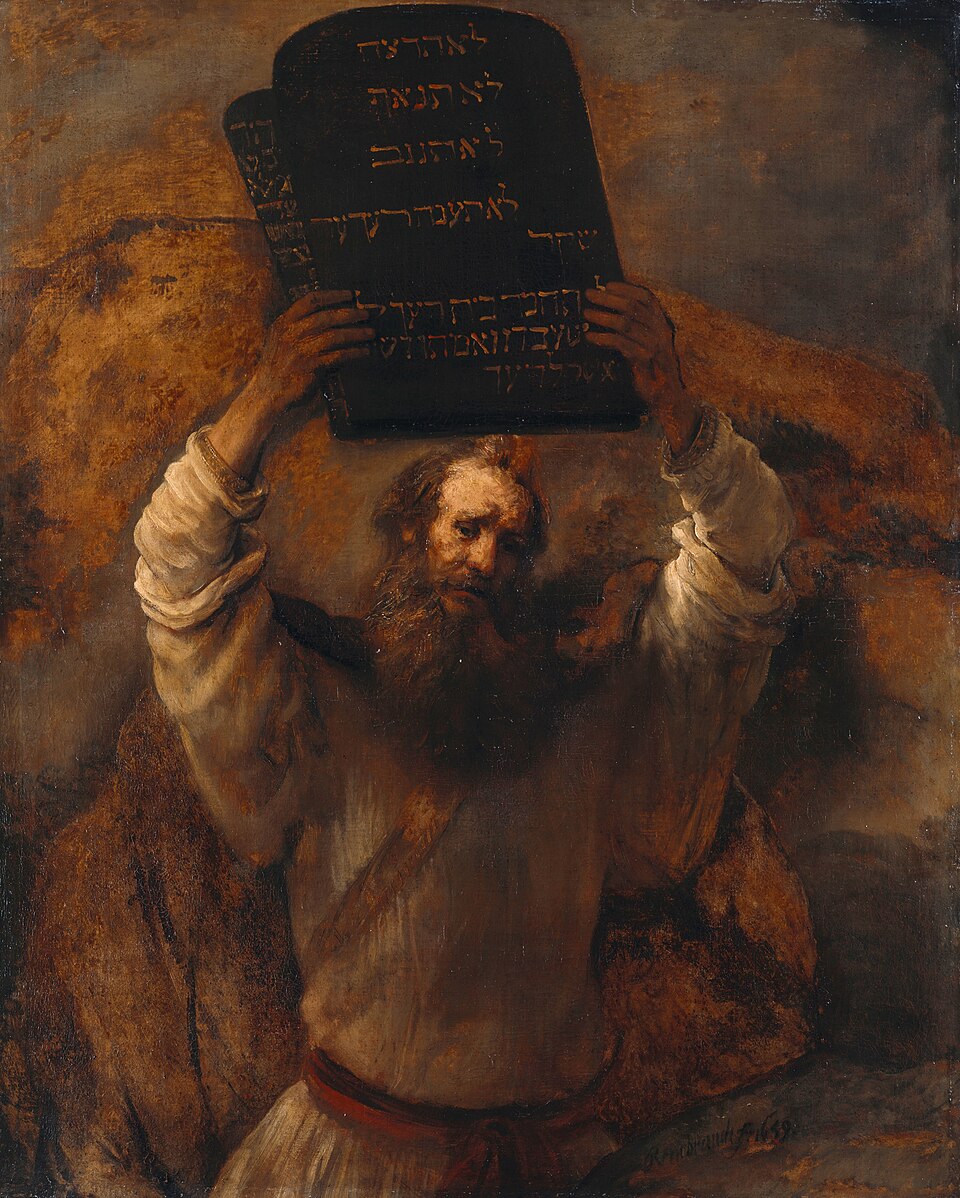
When he saw the calf and the dancing, “he burned with anger and threw the tablets out of his hands.”
Exodus 32:19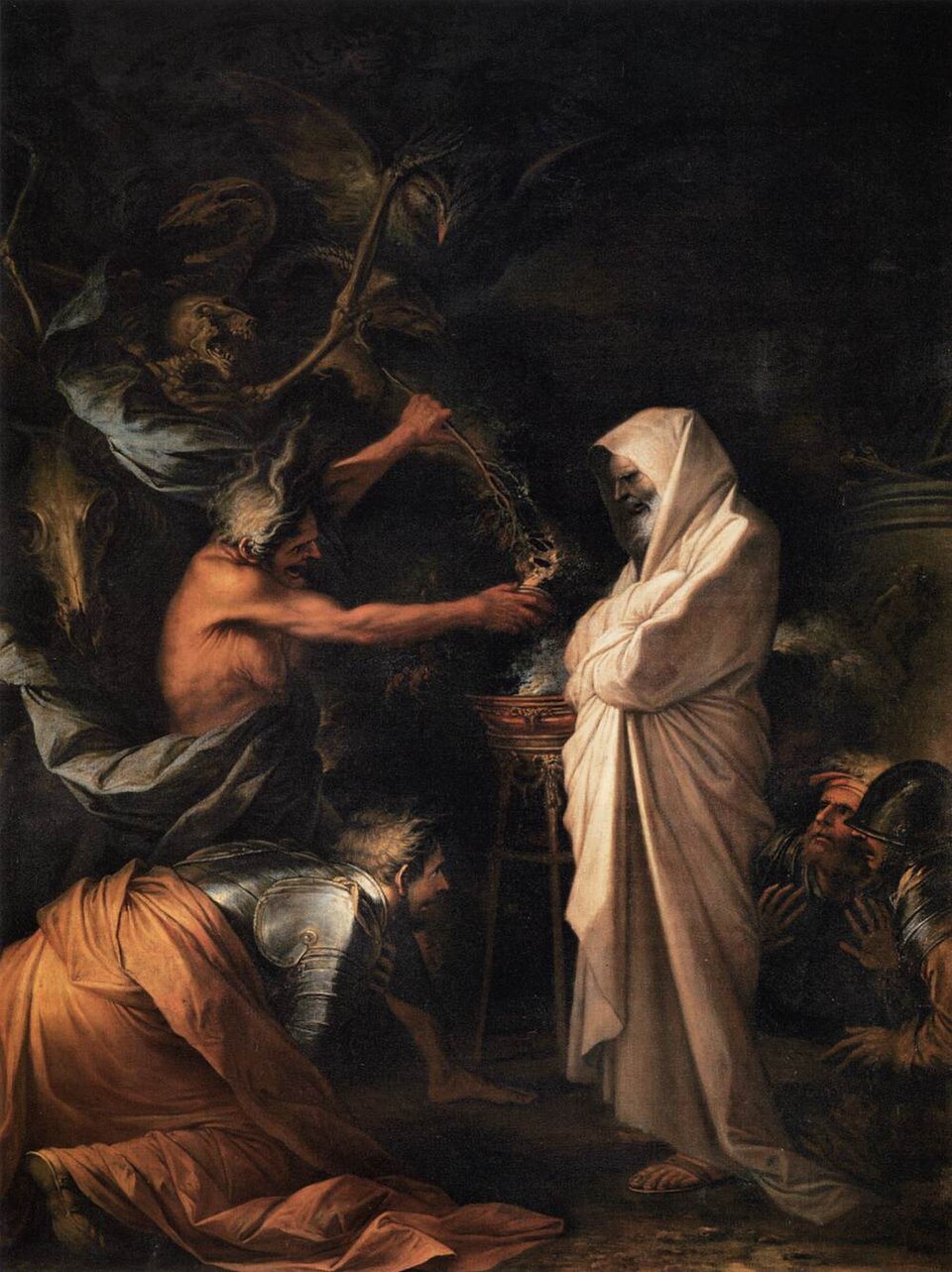
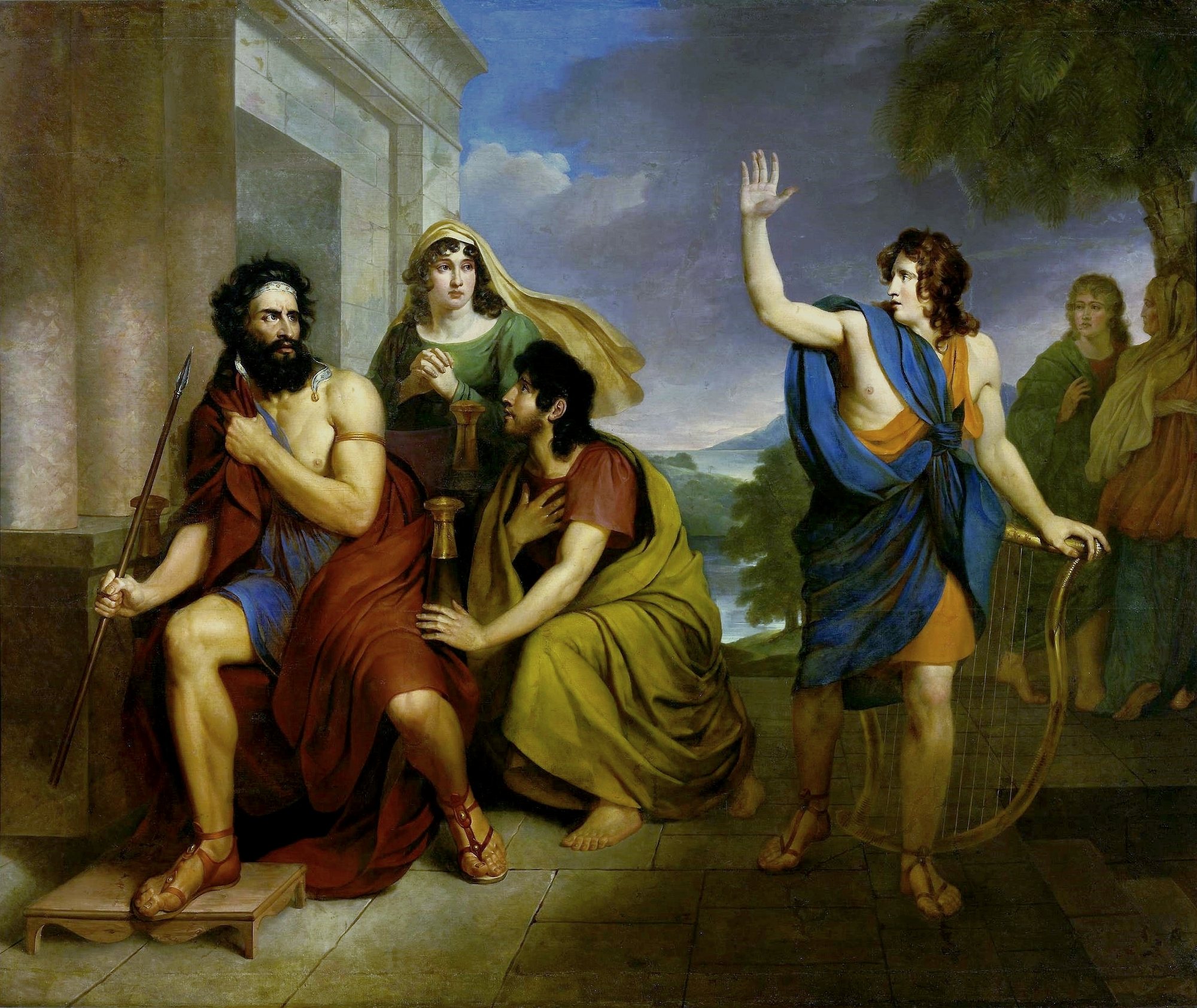
When the women sang of David's victories, “Saul was furious and resented this song.”
1 Samuel 18:8
“David burned with anger against the man” in Nathan's parable, until Nathan told him, “You are that man!”
2 Samuel 12:5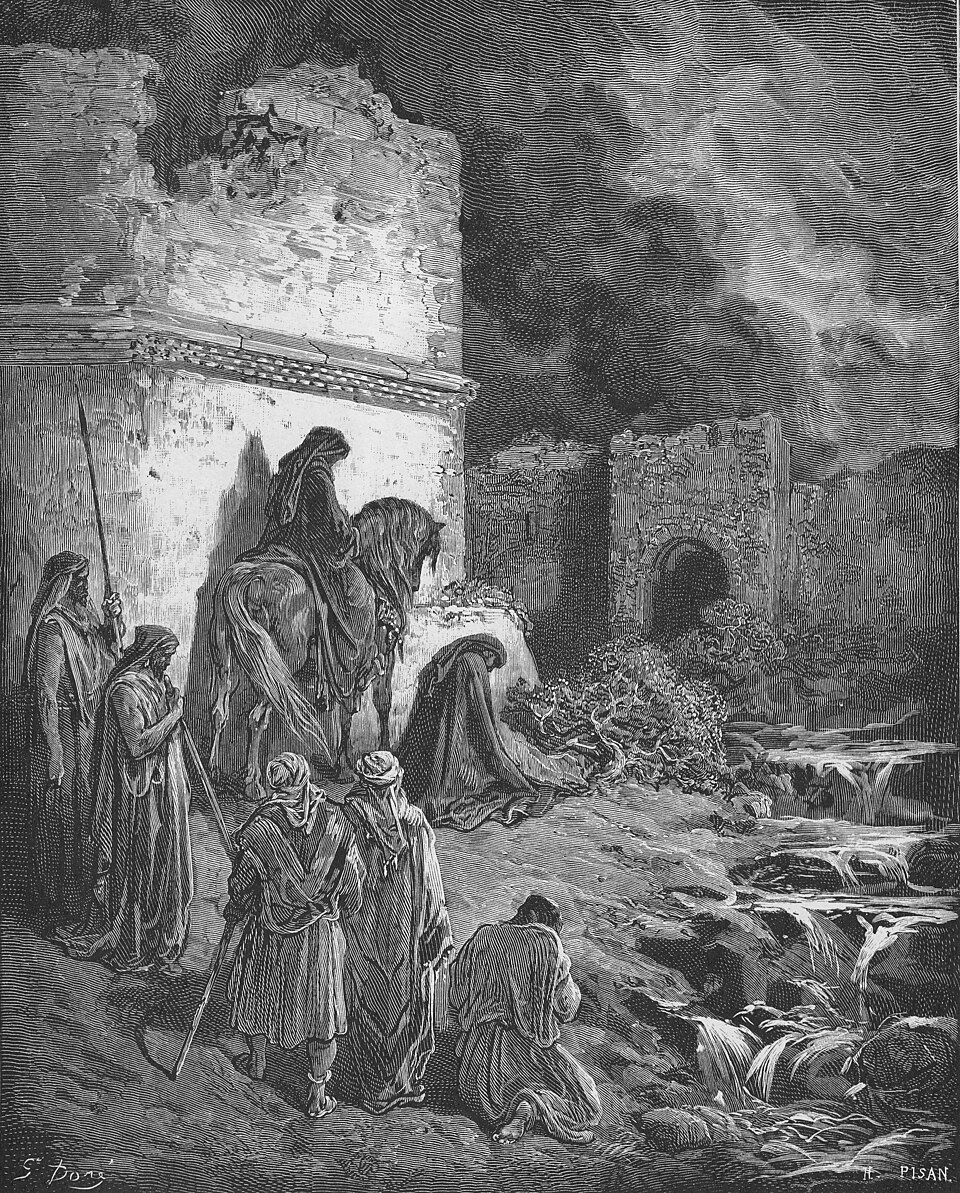
David, Nehemiah
What Scripture Gives the Angry to Do
Scripture names seven things to do with anger, each in the words of the verse that gives it.
- 1Listen first and be slow to anger“Everyone should be quick to listen, slow to speak, and slow to anger.”James 1:19
- 2Answer gently“A gentle answer turns away wrath, but a harsh word stirs up anger.”Proverbs 15:1
- 3Overlook an offense“A man’s insight gives him patience, and his virtue is to overlook an offense.”Proverbs 19:11
- 4Be reconciled first“First go and be reconciled to your brother; then come and offer your gift.”Matthew 5:24
- 5Leave vengeance to God“Do not avenge yourselves, beloved, but leave room for God’s wrath.”Romans 12:19
- 6Forgive as the Lord forgave you“Bear with one another and forgive any complaint you may have against someone else.”Colossians 3:13
- 7Pray without anger“Therefore I want the men everywhere to pray, lifting up holy hands, without anger or dissension.”1 Timothy 2:8
Answer gently, Overlook an offense, Be reconciled first, Leave vengeance to God, Forgive as the Lord forgave you, Pray without anger
A physician's care stands beside prayer, and never in its place, where anger is bound up with an illness of the body or the mind.
The Lament of Psalm 4
David answers men who malign him by searching his own heart, and the psalm ends with sleep in peace.
In Psalm 4:1 David cries, “Answer me when I call, O God of my righteousness!” In the next verse he asks his accusers, “How long, O men, will my honor be maligned?”
Be angry, yet do not sin; on your bed, search your heart and be still. Selah Offer the sacrifices of the righteous and trust in the LORD.The verse stands here because it turns the angry man from his accusers to his own heart.
You have filled my heart with more joy than when grain and new wine abound. I will lie down and sleep in peace, for You alone, O LORD, make me dwell in safety.The verse stands here because the lament ends in trust, far from where it began.
Psalm 4:4 to 5, Psalm 4:7 to 8
Anger in the Stories of the Bible
Four stories tell of a murder, a brother's grudge, a rock struck twice and a prophet angry at mercy.
Cain and AbelGenesis 4
Cain brought an offering of the fruit of the soil, and Abel brought the firstborn of his flock. God looked with favor on Abel's offering and had no regard for Cain's, and Cain became very angry. He took his brother out to the field, and there “Cain rose up against his brother Abel and killed him” (Genesis 4:8).
Read the story of Cain and the Sin at the Door 7 sections, 12 verses set out
Esau and JacobGenesis 27 and 33
Esau held a grudge against Jacob because Jacob had taken his father's blessing, and he planned to kill him (Genesis 27:41). Rebekah sent Jacob away “until your brother’s fury subsides” (Genesis 27:44). Twenty years later Jacob came home, and Esau “ran to him and embraced him” (Genesis 33:4).
Read the study of Slow to Anger 7 sections, 17 verses set out
Moses at the rockNumbers 20
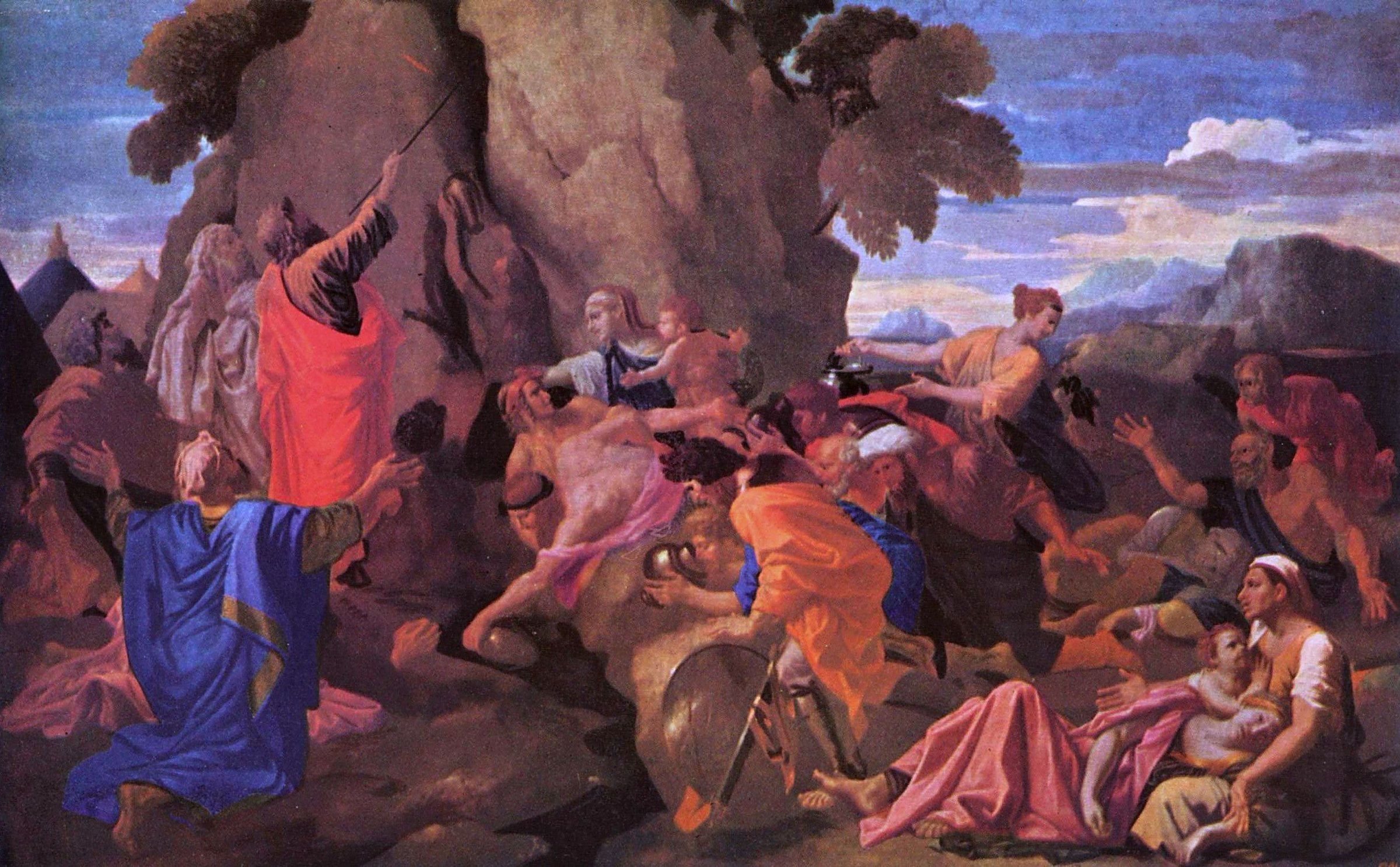
At Meribah the people quarreled with Moses for want of water. He said, “Listen now, you rebels, must we bring you water out of this rock?” and struck the rock twice with his staff (Numbers 20:10 to 11). The LORD said that because he had not trusted Him, he would not bring the people into the land, and a psalm says that “Moses spoke rashly with his lips” (Psalm 106:33).
Read the story of Moses Strikes the Rock 12 sections, 15 verses set out
Jonah outside NinevehJonah 4
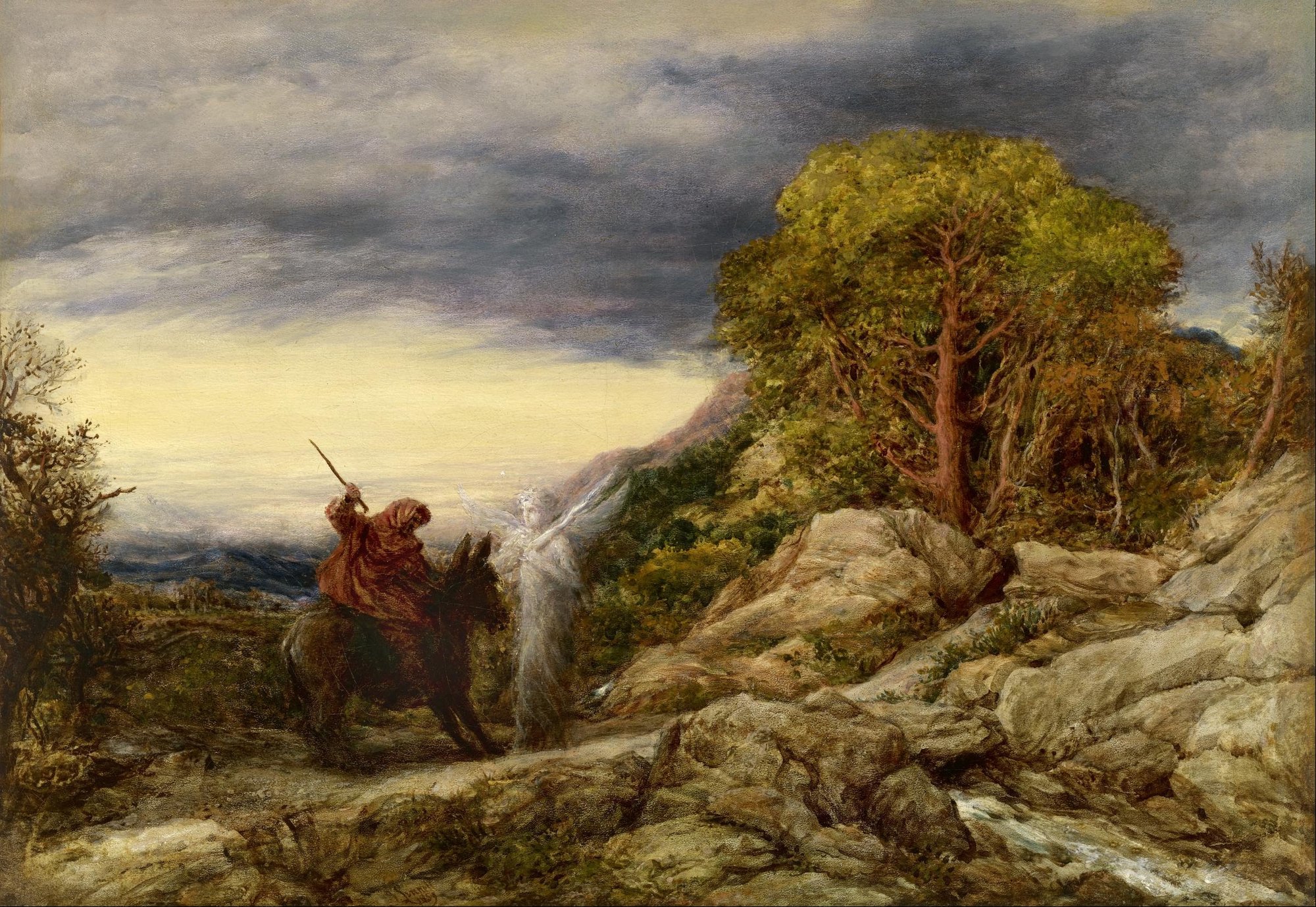
When God spared Nineveh, Jonah was angry enough to ask to die. God asked him whether he had any right to be angry (Jonah 4:4). God gave him a plant for shade and then took it away, and the book ends with God's question about the great city of more than 120,000 people (Jonah 4:11).
Read the story of Jonah, Angry Enough to Die 7 sections, 7 verses set out
Esau and Jacob (Genesis 27 and 33), Moses at the rock (Numbers 20), Jonah outside Nineveh (Jonah 4)
Anger in the Church's History
Three accounts from the fourth century tell of an emperor's rage, a mother who made peace and a convert who read Psalm 4.
Theodosius and the thirty daysFourth century
Theodoret's Ecclesiastical History tells that after a riot at Thessalonica, where magistrates were stoned, the emperor Theodosius “allowed his rage to be the minister of his vengeance,” and the innocent were killed with the guilty. Ambrose of Milan barred him from the church. Ambrose then asked for a law that every sentence of death or confiscation wait “thirty days awaiting the judgment of reason,” and the emperor signed it before he was received again.
Monica the peacemakerFourth century
In his Confessions Augustine wrote that his father Patricius was “violent in anger,” and that his mother Monica “had learned that an angry husband should not be resisted, neither in deed, nor even in word.” When people at odds told her bitter things about each other, “she would disclose nothing about the one unto the other, save what might avail to their reconcilement.”
Augustine reads Psalm 4Fourth century
Augustine wrote that while he rested at a country house with his friend Alypius, he read the fourth Psalm. At the words “Be angry, and sin not” he was moved, because he “had now learned to be angry with myself for the things past, so that in the future I might not sin.”
Monica the peacemaker (Fourth century), Augustine reads Psalm 4 (Fourth century)
Voices on Anger, by Century
Three quotations from the fourth century to the eighteenth, each under the line it teaches.
died 397 · Ambrose of Milan
On the Duties of the Clergy 1.21.96
A fourth-century reading: whoever is angry with himself for being roused stops being angry with another.
The quotation1 quotation
“If you are angry, be angry with yourselves, because you are roused, and you will not sin. For he who is angry with himself, because he has been so easily roused, ceases to be angry with another. But he who wishes to prove his anger is righteous only gets the more inflamed and quickly falls into sin. ‘Better is he,’ as Solomon says, ‘that restrains his anger than he that takes a city,’ for anger leads astray even brave men.”
Ambrose of Milan · On the Duties of the Clergy 1.21.96 · on Proverbs 16:32Patristic
died 604 · Gregory the Dialogist
Morals on the Book of Job 5.78
A seventh-century reading: an agitated mind takes whatever rage suggests to be right.
The quotation1 quotation
“For whereas the agitated mind works up to harshness the decision of its reasoning faculty, all that rage suggests, it accounts to be right.”
Gregory the Dialogist · Morals on the Book of Job 5.78 · on James 1:20Patristic
1662 to 1714 · Matthew Henry
Commentary on the Whole Bible
An eighteenth-century reading: malice is worse than anger, because it is anger heightened and settled.
The quotation1 quotation
“The gospel religion introduces a change of the higher as well as the lower powers of the soul, and supports the dominion of right reason and conscience over appetite and passion. Anger and wrath are bad, but malice is worse, because it is more rooted and deliberate; it is anger heightened and settled.”
Matthew Henry · Commentary on the Whole Bible · on Colossians 3:8Puritan
How Anger Has Been Taught
Thomas Aquinas in the thirteenth century and John Calvin in the sixteenth taught when anger is right and when it is sin.
Thomas Aquinas judged anger by the reason that rules it.1 paragraph
Thomas Aquinas asked in his Summa Theologiae whether it is lawful to be angry (part II-II, question 158, article 1). He answered that anger is “the desire for revenge, since revenge may be desired both well and ill.” He concluded, “if one is angry in accordance with right reason, one's anger is deserving of praise.”
Calvin taught three faults of anger and two remedies from Ephesians 4:26.3 paragraphs
John Calvin, commenting on Ephesians 4:26, named “three faults by which we offend God in being angry.” The first is anger that rises from slight causes or private injuries. The second goes “beyond the proper bounds,” and the third is turned against our brethren when it should be turned against ourselves or against sins.
His first remedy was to be angry at faults and moved “by zeal for the glory of the Lord.”
His second was the one Paul gives in the same verse: “If at any time we happen to be angry, let us endeavor to be appeased before the sun has set.”
Where the Science Speaks
Published studies measure how anger and hostility bear on the heart.
A review of 25 studies of healthy people found that anger and hostility went with more coronary events over the years they were followed (Chida and Steptoe, Journal of the American College of Cardiology, 2009). In a study of 1,623 heart attack patients, the risk of a heart attack in the two hours after an episode of anger was 2.3 times the usual risk (Mittleman and colleagues, Circulation, 1995). These studies show an association, and none proves that anger causes heart disease in a given person.
The Studies of Anger
Each study takes one part of anger into more depth.
The texts
2 studies
- Passages and psalms · 8 verses set outBe Angry, Yet Do Not Sin
Paul wrote these verses to the believers at Ephesus about how the members of one body should deal with anger, theft and harmful speech.
- Passages and psalms · 17 verses set outSlow to Anger
James wrote to the twelve tribes of the Dispersion, believers scattered abroad and meeting trials of many kinds.
- Passages and psalms · 8 verses set outBe Angry, Yet Do Not Sin
The stories
2 studies, 1 linked page
- Stories · 12 verses set outCain and the Sin at the Door
God warned the angry Cain that sin was crouching at his door, and Cain killed his brother Abel in the field.
- Stories · 7 verses set outJonah, Angry Enough to Die
The book of Jonah ends with a question God puts to His angry prophet.
- Stories · 15 verses set outMoses Strikes the Rock
Exodus 17 and Numbers 20 tell of water from a rock at Rephidim in the first year out of Egypt and at Kadesh in the fortieth.
- Stories · 12 verses set outCain and the Sin at the Door
The words
1 study
- Symbols and words · 19 verses set outThe Words Aph and Orge
Hebrew most often names anger with aph, its word for the nose, and Greek with orge and thymos.
- Symbols and words · 19 verses set outThe Words Aph and Orge
The practice
1 study
- Debates · 8 verses set outIs Anger Ever Right?
Christian teachers have given three answers to whether a believer's anger can be right, and each reads Ephesians 4:26 its own way.
- Debates · 8 verses set outIs Anger Ever Right?
The science
1 study
- Subjects · 3 verses set outAnger and the Heart
Medical research since 1995 has measured how anger bears on the heart, and Scripture spoke of the same harm long before.
- Subjects · 3 verses set outAnger and the Heart
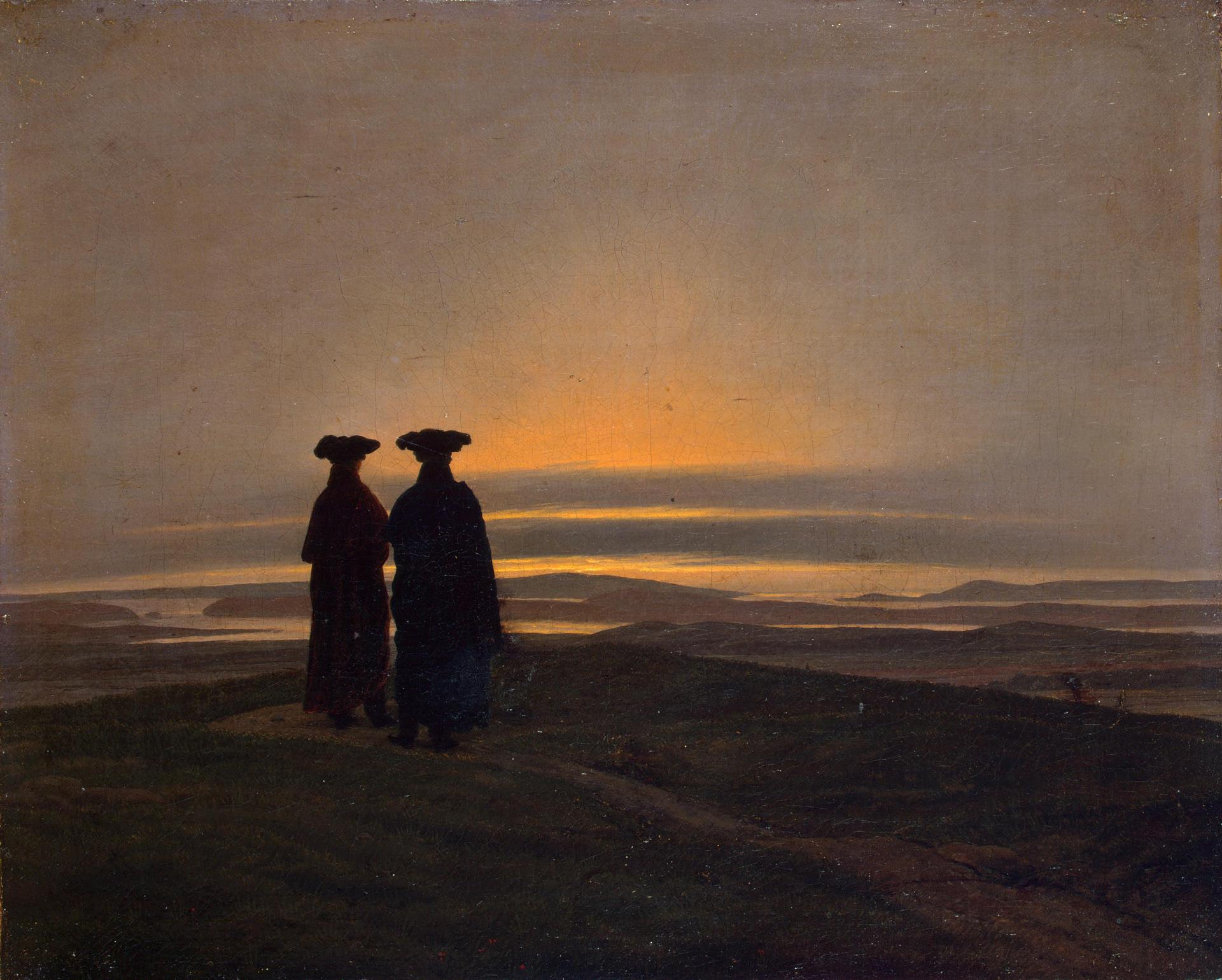
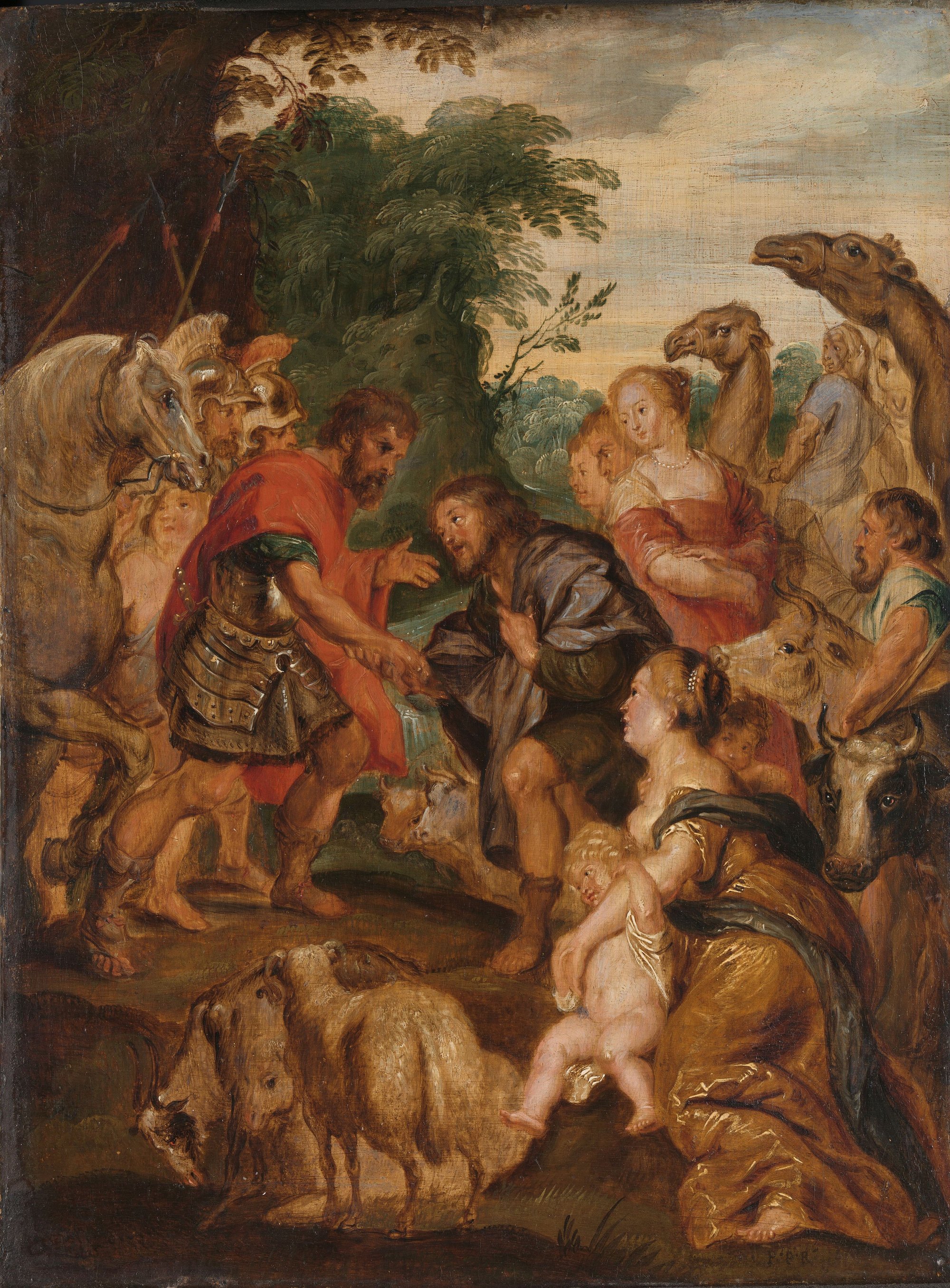
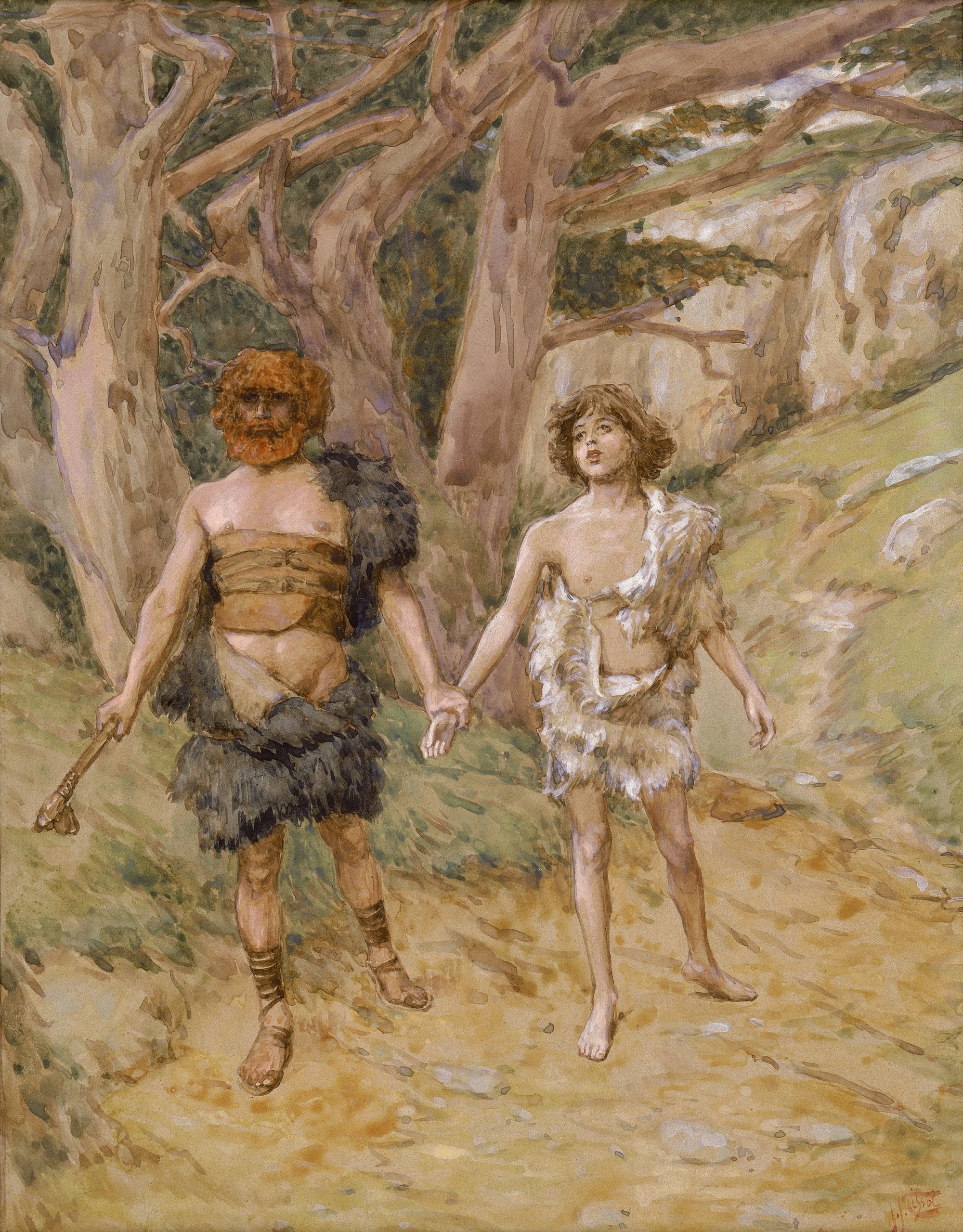
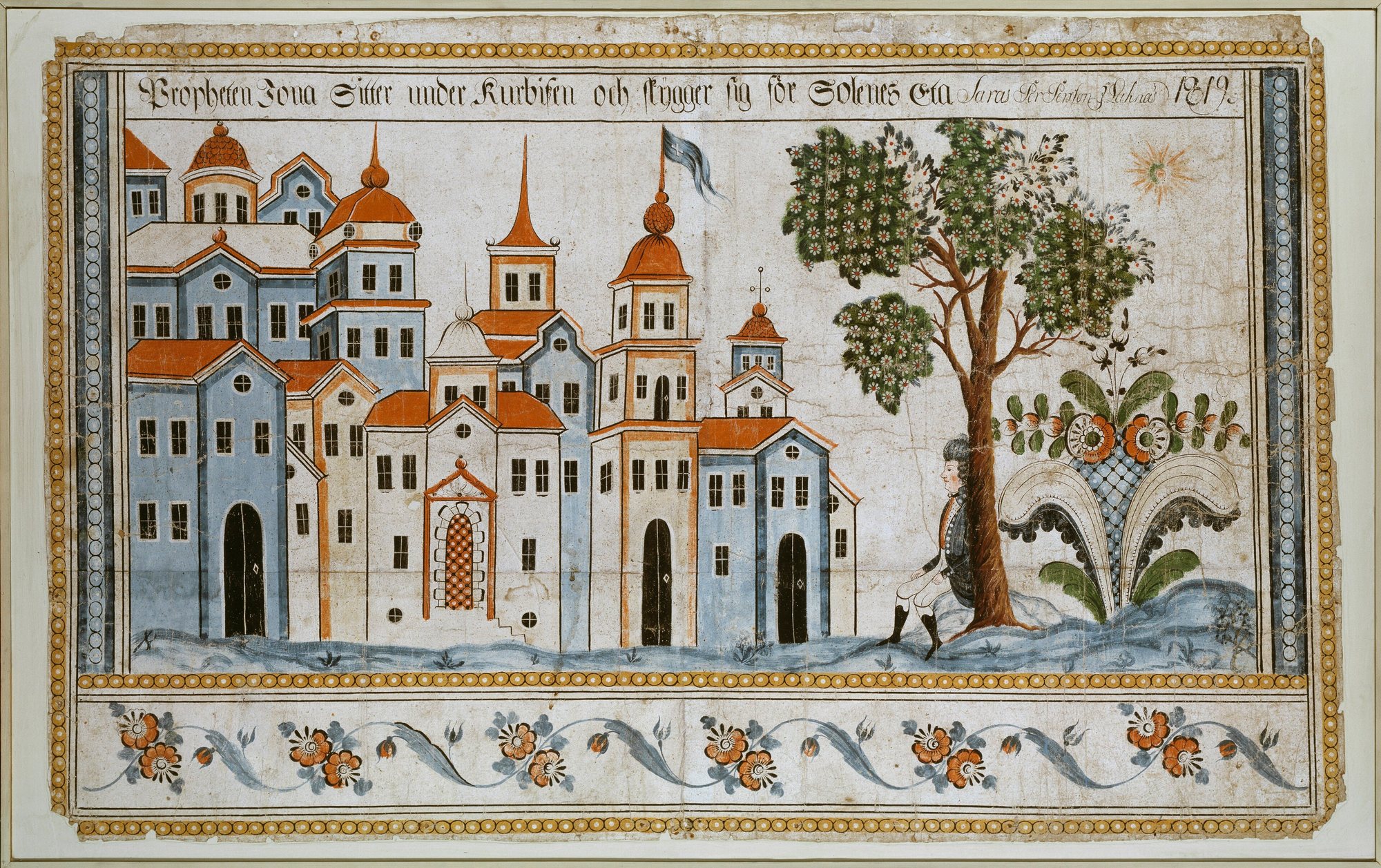
Slow to Anger, Cain and the Sin at the Door, Jonah, Angry Enough to Die, Moses Strikes the Rock, The Words Aph and Orge, Is Anger Ever Right?, Anger and the Heart
Where Readers Disagree
Six readings answer three questions, each with its holders, the work that argues it and the objection raised against it.
Whether a believer's anger is ever right
Read the debate Is Anger Ever Right? 7 sections, 8 verses set out
| Reading | Held by | Work | Objection |
|---|---|---|---|
| Anger at sin, kept within right reason and laid down in time, is right | Thomas Aquinas; John Chrysostom; John Wesley (Medieval scholastic theology; Greek patristic preaching; Methodist) | Thomas Aquinas, Summa Theologiae II-II, q. 158, a. 1; John Chrysostom, Homilies on Matthew, homily 16; John Wesley, Explanatory Notes upon the New Testament (1755), on Ephesians 4:26 | James 1:20 names human anger with no exception for a just cause. |
| The believer is to put anger away, and Paul's “Be angry” turns it against one's own faults | John Cassian (Latin monastic teaching) | John Cassian, Institutes, book 8 | Mark 3:5 records that Jesus Himself was angry. |
What Jesus forbids in anger with a brother
| Reading | Held by | Work | Objection |
|---|---|---|---|
| Anger without a cause, so that anger with a just cause stands | John Chrysostom (Greek patristic preaching) | John Chrysostom, Homilies on Matthew, homily 16, section 9 | Jerome wrote that the words “without cause” were added in some manuscripts and should be removed. |
| All anger with a brother, since the words “without a cause” were added later | Jerome; John Cassian (Latin patristic writing; Latin monastic teaching) | Jerome, Commentary on Matthew, on Matthew 5:22; John Cassian, Institutes, book 8 | Chrysostom answered that a man cannot be altogether without passions, and that Paul's anger with the Corinthians did them good. |
Why God had no regard for Cain's offering
| Reading | Held by | Work | Objection |
|---|---|---|---|
| Abel brought a blood sacrifice of atonement and Cain a bloodless one | John Wesley (Methodist) | John Wesley, Explanatory Notes upon the Old Testament (1765), on Genesis 4:4 | God's word to Cain in Genesis 4:7 ties acceptance to doing right. |
| The works of Cain were evil and those of his brother good | Augustine of Hippo; Adam Clarke (Latin patristic writing; Methodist) | Augustine of Hippo, The City of God, book 15, chapter 7; Adam Clarke, Commentary on the Bible (1832), on Genesis 4:5 | Hebrews says that “By faith Abel offered God a better sacrifice than Cain did” (Hebrews 11:4), so the offering itself is named. |
Every Text on Anger
Two earlier essays on anger stand here word for word.
An essay on anger in ScriptureFrom /tag/anger
Anger is not automatically a sin. The Bible commands it in one breath and warns against it in the next: "Be ye angry, and sin not: let not the sun go down upon your wrath" (Ephesians 4:26). Anger itself isn't the problem. What you do with it is.
The first anger in the Bible belongs to Cain. God warns him directly: "Why art thou wroth? and why is thy countenance fallen?" (Genesis 4:6). Sin, God says, is crouching at the door, wanting to master him. Cain doesn't master it. He kills his brother. From the first case study, Scripture shows where unrestrained anger leads.
Esau's anger simmers for years after Jacob steals his blessing, until he plans to kill his brother the moment their father dies (Genesis 27:41). Anger that isn't dealt with doesn't disappear. It waits.
Even good men lose their temper badly. Moses comes down from Mount Sinai, sees Israel worshiping a golden calf, and in his fury smashes the stone tablets God himself had written (Exodus 32:19). Years later, in a different moment of anger, he strikes a rock instead of speaking to it as God commanded, and it keeps him out of the Promised Land (Numbers 20:10-12).
Proverbs returns to anger again and again, like a wisdom teacher who knows the damage it causes. "He that is slow to wrath is of great understanding: but he that is hasty of spirit exalteth folly" (Proverbs 14:29). "A soft answer turneth away wrath: but grievous words stir up anger" (Proverbs 15:1). Ecclesiastes adds a warning: "Be not hasty in thy spirit to be angry: for anger resteth in the bosom of fools" (Ecclesiastes 7:9).
Even a prophet struggles with it. When God spares Nineveh instead of destroying it, Jonah is furious. God asks him plainly, "Doest thou well to be angry?" (Jonah 4:4). It's a question that echoes through the whole Bible.
Jesus raises the bar higher. He teaches that anger toward a brother, left to fester, is already dangerous: not just the violence it can lead to, but the anger itself (Matthew 5:22). He's not condemning every flash of feeling. He's warning against nursing contempt.
Paul gives the church the clearest instruction: "Be ye angry, and sin not: let not the sun go down upon your wrath" (Ephesians 4:26). There's room for real anger (grief over injustice, hurt from betrayal) but not room to let it rot into bitterness overnight. James adds practical wisdom: let every man be swift to hear, slow to speak, slow to wrath (James 1:19).
Jesus himself got angry. He drove money changers out of the temple with a whip of cords (John 2:15). He grieved and was angered by hard hearts in a synagogue (Mark 3:5). His anger was never selfish and never sinful; it burned against things that dishonored God and hurt people, and it never controlled him. That's the difference between righteous anger and the kind that ruins a life.
Anger is fire. It can cook a meal or burn down a house, depending entirely on whether it's contained. Scripture never tells its readers to feel nothing. It tells them to feel rightly, act carefully, and let go quickly, because the alternative, as Cain, Esau, and Saul all found out, is that the fire ends up burning the one who holds onto it.
A short note on angerFrom /topics/anger
Anger in Scripture appears both as righteous indignation against sin and injustice — God's wrath, Jesus in the Temple — and as an emotion that "slayeth the silly one" (Job 5:2). Paul tells believers to "be ye angry, and sin not" (Ephesians 4:26), guarding anger with speed, target, and duration. Scripture does not condemn anger as such but refuses to let it govern the day.
Sources
Scripture is the Berean Standard Bible.
- STEP Bible brief lexicons of Extended Strongs for Hebrew and for Greek (Tyndale House, Cambridge), CC BY 4.0, with the glosses of James Strong (1890)
- Theodoret, Ecclesiastical History, book 5, chapter 17, translated by Blomfield Jackson, Nicene and Post-Nicene Fathers, Second Series, vol. 3 (1892)
- Augustine of Hippo, Confessions, book 9, chapters 4 and 9, translated by J. G. Pilkington, Nicene and Post-Nicene Fathers, First Series, vol. 1 (1887)
- Thomas Aquinas, Summa Theologiae, II-II, question 158, article 1, translated by the Fathers of the English Dominican Province (second edition, 1920)
- John Calvin, Commentaries on the Epistles of Paul to the Galatians and Ephesians, translated by William Pringle, on Ephesians 4:26.
- John Chrysostom, Homilies on Matthew, homily 16, section 9, translated by George Prevost, Nicene and Post-Nicene Fathers, First Series, vol. 10.
- John Cassian, Institutes, book 8, translated by C. S. Gibson, Nicene and Post-Nicene Fathers, Second Series, vol. 11.
- Augustine of Hippo, The City of God, book 15, chapter 7, translated by Marcus Dods.
- Jerome, Commentary on Matthew, on Matthew 5:22.
- John Wesley, Explanatory Notes upon the New Testament (1755), on Ephesians 4:26.
- John Wesley, Explanatory Notes upon the Old Testament (1765), on Genesis 4:4.
- Adam Clarke, Commentary on the Bible (1832), on Genesis 4:5.
- Ambrose of Milan, On the Duties of the Clergy, book 1, chapter 21, section 96.
- Gregory the Great, Morals on the Book of Job, book 5, section 78.
- Matthew Henry, Commentary on the Whole Bible (1710), on Colossians 3:8.
- Yoichi Chida and Andrew Steptoe, The association of anger and hostility with future coronary heart disease: a meta-analytic review of prospective evidence, Journal of the American College of Cardiology 53, no. 11 (2009): 936 to 946.
- Murray A. Mittleman, Malcolm Maclure, Jane B. Sherwood and others, Triggering of acute myocardial infarction onset by episodes of anger, Circulation 92, no. 7 (1995): 1720 to 1725.
Keep Studying
Studies10
In this trial7
People and groups23