
Numbers 22:37
in Numbers 22And he said to Balaam, “Did I not send you an urgent summons? Why did you not come to me? Am I really not able to richly reward you?”
BSB
The same verse in ASV and KJV ▾
ASV
And Balak said unto Balaam, Did I not earnestly send unto thee to call thee? wherefore camest thou not unto me? am I not able indeed to promote thee to honor?
KJV
And Balak said unto Balaam, Did I not earnestly send unto thee to call thee? wherefore camest thou not unto me? am I not able indeed to promote thee to honour?
⋯
This verse in Numbers 22
Commentary
4 notes on this verseThis site's exposition
When Balak heard that Balaam was coming
on Numbers 22:36-38
Balak goes out to the Moabite city on the Arnon border, the boundary Numbers 21:13 had fixed. His greeting is a reproach with money in it: Am I really not able to richly reward you? Balaam answers with another true sentence, I must speak only the word that God puts in my mouth, and chapters 23 and 24 show him keeping it while 31:16 records his counsel.
This site's exposition
able to richly reward you
Jamieson, Fausset and Brown note that custom sent a host further out the higher his guest's rank, and Balak had come to his border. Matthew Henry reads the questions as those of a king who feels slighted, since the delay seemed to treat his honours as unworthy. Henry turns it into a question for his readers. God is able to promote to honour, so why delay coming to Him?
The record, by era
The Puritans and the Awakening2 voices
And Balak said unto Balaam,....
Balak, as king, was in his own kingdom the fountain of honour, and Balaam should have his choice of all the preferments that were in his gift; he therefore thinks himself affronted by Balaam's delays, which looked as if he thought the honours he prepared not worthy his acceptance.
The words behind it
18 Hebrew wordsEvery Hebrew word of this verse in the order it stands, with what it means and the door to its own study. The last column counts the times a word stands in the whole Bible: the rarer the word, the more the places it appears belong together.
| Hebrew | Sound | Meaning | Word study | In the Bible |
|---|---|---|---|---|
| וַיֹּ֨אמֶר | vaiyomer | and he said | H559 → | 5305 times |
| בָּלָ֜ק | balak | Balak | H1111 → | 43 times |
| אֶל־ | ʾel- | to | H413 → | 5510 times |
| בִּלְעָ֗ם | bilam | Balaam | H1109 → | 61 times |
| הֲלֹא֩ | halo' | ¿ not | H3808 → | 5168 times |
| שָׁלֹ֨חַ | shaloach | certainly <to send> | H7971 → | 845 times |
| שָׁלַ֤חְתִּי | shalachti | did I send | H7971 → | 845 times |
| אֵלֶ֙יךָ֙ | ʾeleikha | to you | H413 → | 5510 times |
| לִקְרֹא־ | likro'- | to summon | H7121 → | 733 times |
| לָ֔ךְ | lakh | <to> <the> you | ||
| לָ֥מָּה | lamah | <to> why? | H4100 → | 752 times |
| לֹא־ | lo'- | not | H3808 → | 5168 times |
| הָלַ֖כְתָּ | halakhta | did you come | H1980 → | 1546 times |
| אֵלָ֑י | ʾelai | to me | H413 → | 5510 times |
| הַֽאֻמְנָ֔ם | haumnam | ¿ really | H552 → | |
| לֹ֥א | lo' | not | H3808 → | 5168 times |
| אוּכַ֖ל | ʾukhal | am I able | H3201 → | 194 times |
| כַּבְּדֶֽךָ׃ | kabedekha | to honor you | H3513 → | 113 times |
וַיֹּ֨אמֶרand he said
vaiyomerH559 →5305 times
בָּלָ֜קBalak
balakH1111 →43 times
אֶל־to
ʾel-H413 →5510 times
בִּלְעָ֗םBalaam
bilamH1109 →61 times
הֲלֹא֩¿ not
halo'H3808 →5168 times
שָׁלֹ֨חַcertainly <to send>
shaloachH7971 →845 times
שָׁלַ֤חְתִּיdid I send
shalachtiH7971 →845 times
אֵלֶ֙יךָ֙to you
ʾeleikhaH413 →5510 times
לִקְרֹא־to summon
likro'-H7121 →733 times
לָ֔ךְ<to> <the> you
lakh
לָ֥מָּה<to> why?
lamahH4100 →752 times
לֹא־not
lo'-H3808 →5168 times
הָלַ֖כְתָּdid you come
halakhtaH1980 →1546 times
אֵלָ֑יto me
ʾelaiH413 →5510 times
הַֽאֻמְנָ֔ם¿ really
haumnamH552 →
לֹ֥אnot
lo'H3808 →5168 times
אוּכַ֖לam I able
ʾukhalH3201 →194 times
כַּבְּדֶֽךָ׃to honor you
kabedekhaH3513 →113 times
A shaded row is a word that stands 400 times or fewer in the Bible.
The walk
8 stopsEach card is a verse this one points to, and under it the verses that one points to in turn. Where several paths arrive at the same place, that place is listed first: the text keeps returning to it.
Through
John 5:44How can you believe if you accept glory from one another, yet do not seek the glory that comes from the only God?
it leads to
- John 12:43
For they loved praise from men more than praise from God.
- Romans 2:29
No, a man is a Jew because he is one inwardly, and circumcision is a matter of the heart, by the Spirit, not by the written code. Such a man’s praise does not come…
- Philippians 2:3
Do nothing out of selfish ambition or empty pride, but in humility consider others more important than yourselves.
- Matthew 23:5
All their deeds are done for men to see. They broaden their phylacteries and lengthen their tassels.
- John 12:43
Through
Luke 4:6“I will give You authority over all these kingdoms and all their glory,” he said. “For it has been relinquished to me, and I can give it to anyone I wish.
it leads to
- John 12:31
Now judgment is upon this world; now the prince of this world will be cast out.
- 1 John 5:19
We know that we are of God, and that the whole world is under the power of the evil one.
- John 14:30
I will not speak with you much longer, for the prince of this world is coming, and he has no claim on Me.
- Ephesians 2:2
in which you used to walk when you conformed to the ways of this world and of the ruler of the power of the air, the spirit who is now at work in the…
- John 12:31
Where this verse is studied
On this page
About Numbers
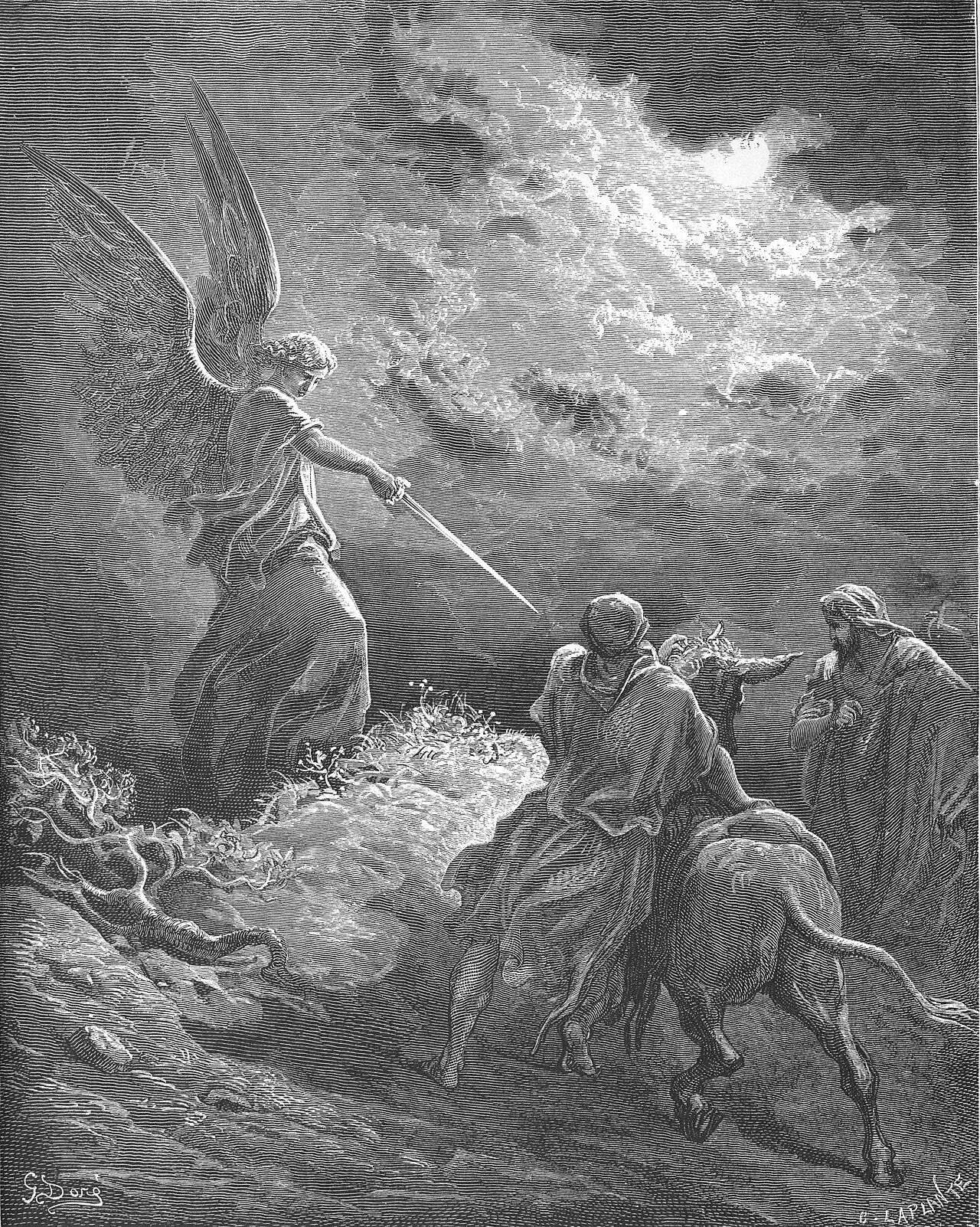
This page draws on Albert Barnes, Notes on the Old Testament; Jamieson, Fausset & Brown, Commentary Critical and Explanatory; John Gill, Exposition of the Old Testament (1748-1763); Keil and Delitzsch, Biblical Commentary on the Old Testament: The Pentateuch; Matthew Henry, Complete Commentary and Matthew Henry, Commentary on the Whole Bible.