
Exodus 32:12
in Exodus 32Why should the Egyptians declare, ‘He brought them out with evil intent, to kill them in the mountains and wipe them from the face of the earth’? Turn from Your fierce anger and relent from doing harm to Your people.
BSB
The same verse in ASV and KJV ▾
ASV
Wherefore should the Egyptians speak, saying, For evil did he bring them forth, to slay them in the mountains, and to consume them from the face of the earth? Turn from thy fierce wrath, and repent of this evil against thy people.
KJV
Wherefore should the Egyptians speak, and say, For mischief did he bring them out, to slay them in the mountains, and to consume them from the face of the earth? Turn from thy fierce wrath, and repent of this evil against thy people.
⋯
This verse in Exodus 32
Commentary
2 notes on this verseon Exodus 32:11-13
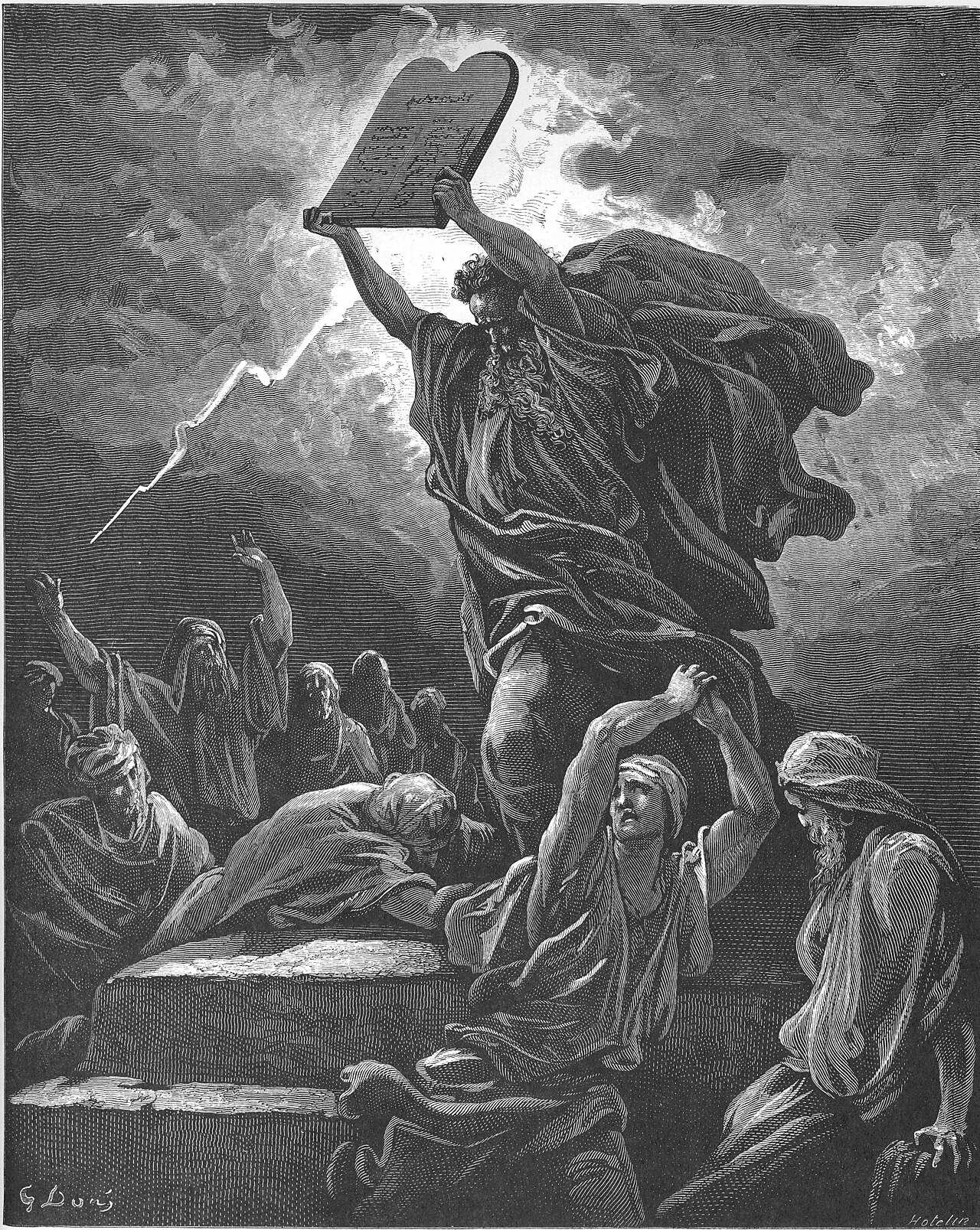
Now Moses is standing in the gap to turn away the wrath of God, Ps. cvi. He wisely took the hint which God gave him when he said, Let me alone, which, though it seemed to forbid his interceding, did really encourage it, by showing what power the prayer of faith has with God.
This site's exposition
why doth thy wrath wax hot against thy people
on Exodus 32:11-12
Moses hands the people straight back, calling them thy people, which thou hast brought forth out of the land of Egypt, and reversing the pronoun of verse 7. He argues from what Egypt would say rather than from anything Israel has earned. Psalm 106:23 looks back on this moment and says Moses his chosen stood before him in the breach, to turn away his wrath.
The words behind it
20 Hebrew wordsEvery Hebrew word of this verse in the order it stands, with what it means and the door to its own study. The last column counts the times a word stands in the whole Bible: the rarer the word, the more the places it appears belong together.
| Hebrew | Sound | Meaning | Word study | In the Bible |
|---|---|---|---|---|
| לָמָּה֩ | lamah | <to> why? | H4100 → | 752 times |
| יֹאמְר֨וּ | yomeru | will they say | H559 → | 5305 times |
| מִצְרַ֜יִם | mitzrayim | Egypt | H4713 → | 70 times |
| לֵאמֹ֗ר | lemor | <to> saying | H559 → | 5305 times |
| בְּרָעָ֤ה | beraah | with evil | H7451 → | 662 times |
| הֽוֹצִיאָם֙ | hotziam | he brought out them | H3318 → | 1067 times |
| לַהֲרֹ֤ג | laharog | to kill | H2026 → | 167 times |
| אֹתָם֙ | ʾotam | <obj.> them | H853 → | 10935 times |
| בֶּֽהָרִ֔ים | beharim | in the mountains | H2022 → | 546 times |
| וּ֨לְכַלֹּתָ֔ם | ulekhalotam | and to make an end of them | H3615 → | 208 times |
| מֵעַ֖ל | meal | from on | H5921 → | 5755 times |
| פְּנֵ֣י | penei | [the] surface of | H6440 → | 2123 times |
| הָֽאֲדָמָ֑ה | haadamah | the ground | H127 → | 225 times |
| שׁ֚וּב | shuv | turn | H7725 → | 1056 times |
| מֵחֲר֣וֹן | mecharon | from [the] burning of | H2740 → | |
| אַפֶּ֔ךָ | ʾapekha | anger your | H639 → | 276 times |
| וְהִנָּחֵ֥ם | vehinachem | and relent | H5162 → | 108 times |
| עַל־ | ʾal- | on | H5921 → | 5755 times |
| הָרָעָ֖ה | haraah | the harm | H7451 → | 662 times |
| לְעַמֶּֽךָ׃ | leamekha | to people your | H5971 → | 1873 times |
לָמָּה֩<to> why?
lamahH4100 →752 times
יֹאמְר֨וּwill they say
yomeruH559 →5305 times
מִצְרַ֜יִםEgypt
mitzrayimH4713 →70 times
לֵאמֹ֗ר<to> saying
lemorH559 →5305 times
בְּרָעָ֤הwith evil
beraahH7451 →662 times
הֽוֹצִיאָם֙he brought out them
hotziamH3318 →1067 times
לַהֲרֹ֤גto kill
laharogH2026 →167 times
אֹתָם֙<obj.> them
ʾotamH853 →10935 times
בֶּֽהָרִ֔יםin the mountains
beharimH2022 →546 times
וּ֨לְכַלֹּתָ֔םand to make an end of them
ulekhalotamH3615 →208 times
מֵעַ֖לfrom on
mealH5921 →5755 times
פְּנֵ֣י[the] surface of
peneiH6440 →2123 times
הָֽאֲדָמָ֑הthe ground
haadamahH127 →225 times
שׁ֚וּבturn
shuvH7725 →1056 times
מֵחֲר֣וֹןfrom [the] burning of
mecharonH2740 →
אַפֶּ֔ךָanger your
ʾapekhaH639 →276 times
וְהִנָּחֵ֥םand relent
vehinachemH5162 →108 times
עַל־on
ʾal-H5921 →5755 times
הָרָעָ֖הthe harm
haraahH7451 →662 times
לְעַמֶּֽךָ׃to people your
leamekhaH5971 →1873 times
A shaded row is a word that stands 400 times or fewer in the Bible.
The walk
8 stopsEach card is a verse this one points to, and under it the verses that one points to in turn. Where several paths arrive at the same place, that place is listed first: the text keeps returning to it.
Through
Exodus 32:14So the LORD relented from the calamity He had threatened to bring on His people.
it leads to
- Jonah 3:10
When God saw their actions—that they had turned from their evil ways—He relented from the disaster He had threatened to bring upon them.
- Psalms 106:45
And He remembered His covenant with them, and relented by the abundance of His loving devotion.
- Jeremiah 26:13
So now, correct your ways and deeds, and obey the voice of the LORD your God, so that He might relent of the disaster He has pronounced against you.
- 1 Chronicles 21:15
Then God sent an angel to destroy Jerusalem, but as the angel was doing so, the LORD saw it and relented from the calamity, and He said to the angel who was destroying the…
- 2 Samuel 24:16
But when the angel stretched out his hand to destroy Jerusalem, the LORD relented from the calamity and said to the angel who was destroying the people, “Enough! Withdraw your hand now!” At that…
- Jonah 3:10
Through
Joshua 7:9When the Canaanites and all who live in the land hear about this, they will surround us and wipe out our name from the earth. Then what will You do for Your great name?”
it leads to
- Psalms 83:4
saying, “Come, let us erase them as a nation; may the name of Israel be remembered no more.”
- Ezekiel 36:22–23
Therefore tell the house of Israel that this is what the Lord GOD says: It is not for your sake that I will act, O house of Israel, but for My holy name, which…
- Psalms 83:4
Through
Psalms 74:18Remember how the enemy has mocked You, O LORD, how a foolish people has spurned Your name.
it leads to
- Psalms 39:8
Deliver me from all my transgressions; do not make me the reproach of fools.
- Psalms 39:8
Where this verse is studied
About Exodus
This page draws on Keil and Delitzsch, Biblical Commentary on the Old Testament: The Pentateuch and Matthew Henry, Commentary on the Whole Bible.