
Deuteronomy 31:1
in Deuteronomy 31When Moses had finished speaking these words to all Israel,
BSB
The same verse in ASV and KJV ▾
ASV
And Moses went and spake these words unto all Israel.
KJV
And Moses went and spake these words unto all Israel.
⋯
This verse in Deuteronomy 31
Commentary
3 notes on this verseThis site's exposition
Moses went and spake these words
on Deuteronomy 31:1-2
Moses gives two reasons for handing over, and they sit side by side. I can no more go out and come in is the idiom for leading men in war, the same pair of verbs he used at Numbers 27:17 when he asked God for a man to go out and come in before the congregation. Deuteronomy 34:7 will say his eye was not dim nor his natural force abated, so both statements stand in the same book, and older readers take verse 2 of the office rather than of the body. The second reason is God's word barring him from Jordan, which this book gives three times as for your sakes at 1:37, 3:26 and 4:21, where Numbers 20:12 gives it as because ye believed me not.
The record, by era
The Puritans and the Awakening1 voice
And Moses went and spake these words unto all Israel. The following words, even to the whole body of the people summoned together on this occasion.
The Nineteenth Century1 voice
A commentator
Jamieson, Fausset & Brown1802–1910
Commentary Critical and Explanatory on the Whole Bible (1871)
proposed
Moses went and spake--It is probable that this rehearsal of the law extended over several successive days; and it might be the last and most important day on which the return of Moses to the place of assembly is specially noticed.
How the passage was read
What the Jewish commentators add
When Moses concluded his words, all who stood before him, and the young children, and the women returned to their own tents.
1 more on this passage, in their own words ▾
Moshe went and he addressed these statements to all of Yisroel.
This section is reception history: how the passage was read and kept in the Jewish tradition. Where a reading parts from an essential of the Christian faith, the section says so at that point.
Texts and citation data: Sefaria; each excerpt follows its version’s licence. 3 further sources are cited on this chapter that carry no English text this site may quote or only restate the verse.
The words behind it
9 Hebrew wordsEvery Hebrew word of this verse in the order it stands, with what it means and the door to its own study. The last column counts the times a word stands in the whole Bible: the rarer the word, the more the places it appears belong together.
| Hebrew | Sound | Meaning | Word study | In the Bible |
|---|---|---|---|---|
| וַיֵּ֖לֶךְ | vaiyelekh | and he went | H1980 → | 1546 times |
| מֹשֶׁ֑ה | mosheh | Moses | H4872 → | 765 times |
| וַיְדַבֵּ֛ר | vaydaber | and he spoke | H1696 → | 1141 times |
| אֶת־ | ʾet- | <obj.> | H853 → | 10935 times |
| הַדְּבָרִ֥ים | hadevarim | the words | H1697 → | 1440 times |
| הָאֵ֖לֶּה | haeleh | <the> these | H428 → | 746 times |
| אֶל־ | ʾel- | to | H413 → | 5510 times |
| כָּל־ | kol- | all | H3605 → | 5413 times |
| יִשְׂרָאֵֽל׃ | yisrael | Israel | H3478 → | 2507 times |
וַיֵּ֖לֶךְand he went
vaiyelekhH1980 →1546 times
מֹשֶׁ֑הMoses
moshehH4872 →765 times
וַיְדַבֵּ֛רand he spoke
vaydaberH1696 →1141 times
אֶת־<obj.>
ʾet-H853 →10935 times
הַדְּבָרִ֥יםthe words
hadevarimH1697 →1440 times
הָאֵ֖לֶּה<the> these
haelehH428 →746 times
אֶל־to
ʾel-H413 →5510 times
כָּל־all
kol-H3605 →5413 times
יִשְׂרָאֵֽל׃Israel
yisraelH3478 →2507 times
A shaded row is a word that stands 400 times or fewer in the Bible.
Where this verse is studied
On this page
About Deuteronomy
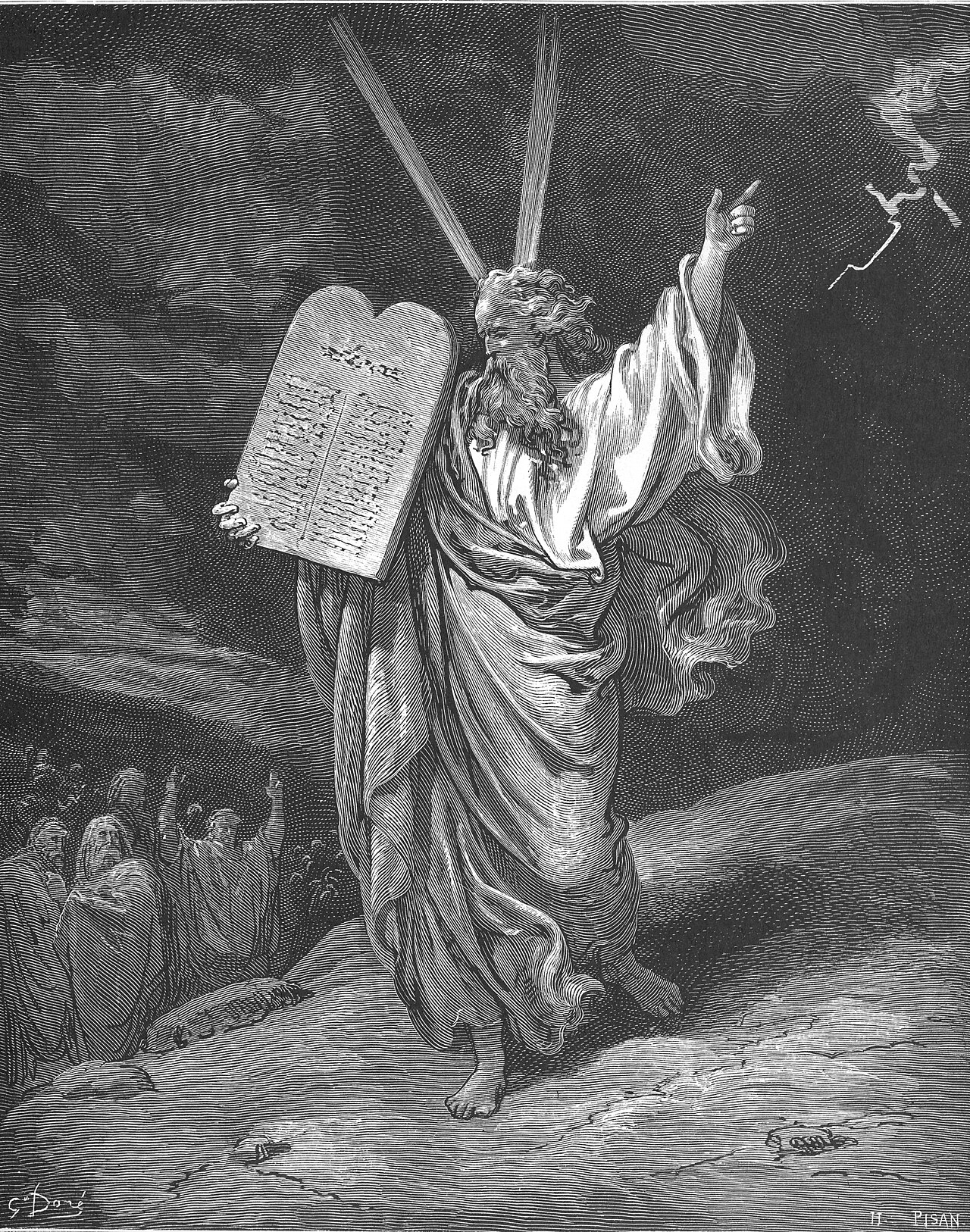
Who and where
1 name in this verse with a page on the site.
This page draws on Jamieson, Fausset & Brown, Commentary Critical and Explanatory on the Whole Bible; John Gill, Exposition of the Old Testament (1748-1763); Keil and Delitzsch, Biblical Commentary on the Old Testament: The Pentateuch and Matthew Henry, Commentary on the Whole Bible.