
Deuteronomy 12:32
in Deuteronomy 12See that you do everything I command you; do not add to it or subtract from it.
BSB
The same verse in ASV and KJV ▾
ASV
What thing soever I command you, that shall ye observe to do: thou shalt not add thereto, nor diminish from it.
KJV
What thing soever I command you, observe to do it: thou shalt not add thereto, nor diminish from it.
⋯
This verse in Deuteronomy 12
Commentary
4 notes on this verseThou shalt hate all hypocrisy and everything which is not pleasing to the Lord. Do thou in no wise forsake the commandments of the Lord; but thou shalt keep what thou hast received, neither adding thereto nor taking away therefrom. In the church thou shalt acknowledge thy transgressions, and thou shalt not come near for thy prayer with an evil conscience.
This site's exposition
What thing soever I command you, observe to do it
The verse repeats 4:2 almost word for word, add not and diminish not, and in the Hebrew Bible it is numbered 13:1, opening the next chapter rather than closing this one. Proverbs 30:6 and Revelation 22:18-19 carry the same formula about the words of God. A clause forbidding alteration is a standard feature of second-millennium treaty documents, and Meredith Kline in Treaty of the Great King and Kenneth Kitchen in On the Reliability of the Old Testament both set that pattern beside the shape of Deuteronomy as a whole, which bears on the dating of the book and does not settle it.
The record, by era
The Puritans and the Awakening2 voices
What thing soever I command you, observe to do it,.... In the manner it is commanded and directed to; the laws of God, both as to matter and manner, were to be obeyed just as they were delivered: thou shall not add thereto, nor diminish from it; neither add any customs and rites of the Heathens to them, nor neglect anything enjoined on them, see Pro 30:6.
They must not so much as enquire into the modes and forms of idolatrous worship. What good would it do to them to know those depths of Satan? It is best to be ignorant of that which there is danger of being infected by.
The words behind it
16 Hebrew wordsEvery Hebrew word of this verse in the order it stands, with what it means and the door to its own study. The last column counts the times a word stands in the whole Bible: the rarer the word, the more the places it appears belong together.
| Hebrew | Sound | Meaning | Word study | In the Bible |
|---|---|---|---|---|
| אֵ֣ת | ʾet | <obj.> | H853 → | 10935 times |
| כָּל־ | kol- | every | H3605 → | 5413 times |
| הַדָּבָ֗ר | hadavar | <the> word | H1697 → | 1440 times |
| אֲשֶׁ֤ר | ʾasher | which | H834 → | 5497 times |
| אָנֹכִי֙ | ʾanokhi | I | H595 → | 359 times |
| מְצַוֶּ֣ה | metzaveh | [am] commanding | H6680 → | 494 times |
| אֶתְכֶ֔ם | ʾetkhem | <obj.> you | H853 → | 10935 times |
| אֹת֥וֹ | ʾoto | <obj.> it | H853 → | 10935 times |
| תִשְׁמְר֖וּ | tishmeru | you will take care | H8104 → | 468 times |
| לַעֲשׂ֑וֹת | laasot | to do | H6213 → | 2628 times |
| לֹא־ | lo'- | not | H3808 → | 5168 times |
| תֹסֵ֣ף | tosef | you must add | H3254 → | 212 times |
| עָלָ֔יו | ʾalav | to it | H5921 → | 5755 times |
| וְלֹ֥א | velo' | and not | H3808 → | 5168 times |
| תִגְרַ֖ע | tigra' | you must diminish | H1639 → | |
| מִמֶּֽנּוּ׃ פ | mimenu | from it | H4480 → | 1188 times |
אֵ֣ת<obj.>
ʾetH853 →10935 times
כָּל־every
kol-H3605 →5413 times
הַדָּבָ֗ר<the> word
hadavarH1697 →1440 times
אֲשֶׁ֤רwhich
ʾasherH834 →5497 times
אָנֹכִי֙I
ʾanokhiH595 →359 times
מְצַוֶּ֣ה[am] commanding
metzavehH6680 →494 times
אֶתְכֶ֔ם<obj.> you
ʾetkhemH853 →10935 times
אֹת֥וֹ<obj.> it
ʾotoH853 →10935 times
תִשְׁמְר֖וּyou will take care
tishmeruH8104 →468 times
לַעֲשׂ֑וֹתto do
laasotH6213 →2628 times
לֹא־not
lo'-H3808 →5168 times
תֹסֵ֣ףyou must add
tosefH3254 →212 times
עָלָ֔יוto it
ʾalavH5921 →5755 times
וְלֹ֥אand not
velo'H3808 →5168 times
תִגְרַ֖עyou must diminish
tigra'H1639 →
מִמֶּֽנּוּ׃ פfrom it
mimenuH4480 →1188 times
A shaded row is a word that stands 400 times or fewer in the Bible.
The walk
8 stopsEach card is a verse this one points to, and under it the verses that one points to in turn. Where several paths arrive at the same place, that place is listed first: the text keeps returning to it.
Through
Deuteronomy 4:2You must not add to or subtract from what I command you, so that you may keep the commandments of the LORD your God that I am giving you.
it leads to
- Revelation 22:18–19
I testify to everyone who hears the words of prophecy in this book: If anyone adds to them, God will add to him the plagues described in this book.
Reached by 2 separate paths from here.
- Proverbs 30:6
Do not add to His words, lest He rebuke you and prove you a liar.
- Joshua 1:7
Above all, be strong and very courageous. Be careful to observe all the law that My servant Moses commanded you. Do not turn from it to the right or to the left, so that…
- Matthew 5:18
For I tell you truly, until heaven and earth pass away, not a single jot, not a stroke of a pen, will disappear from the Law until everything is accomplished.
- Revelation 22:18–19
Through
Joshua 1:7Above all, be strong and very courageous. Be careful to observe all the law that My servant Moses commanded you. Do not turn from it to the right or to the left, so that…
it leads to
- 1 Chronicles 22:13
Then you will succeed, if you carefully follow the statutes and ordinances that the LORD commanded Moses for Israel. Be strong and courageous. Do not be afraid or discouraged.
- Deuteronomy 5:32
So be careful to do as the LORD your God has commanded you; you are not to turn aside to the right or to the left.
- Joshua 1:8
This Book of the Law must not depart from your mouth; meditate on it day and night, so that you may be careful to do everything written in it. For then you will prosper…
- 1 Chronicles 22:13
Through
Proverbs 30:6Do not add to His words, lest He rebuke you and prove you a liar.
it leads to
- Deuteronomy 4:2
You must not add to or subtract from what I command you, so that you may keep the commandments of the LORD your God that I am giving you.
- Deuteronomy 4:2
Where this verse is studied
On this page
Studies1
About Deuteronomy
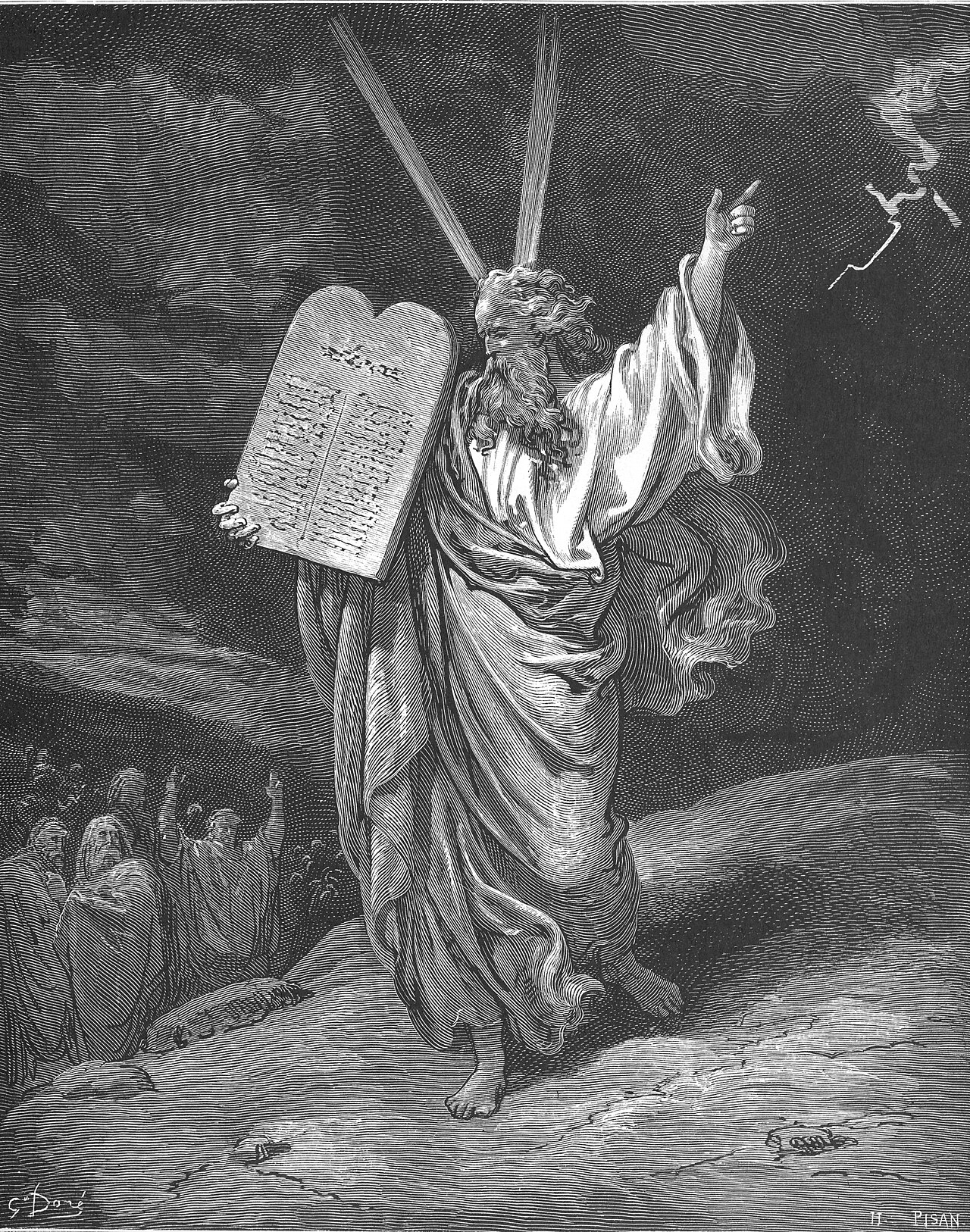
This page draws on Adam Clarke, Commentary on the Bible; Didache, The Didache, Chapter 4; John Gill, Exposition of the Old Testament (1748-1763); Keil and Delitzsch, Biblical Commentary on the Old Testament: The Pentateuch and Matthew Henry, Commentary on the Whole Bible.