
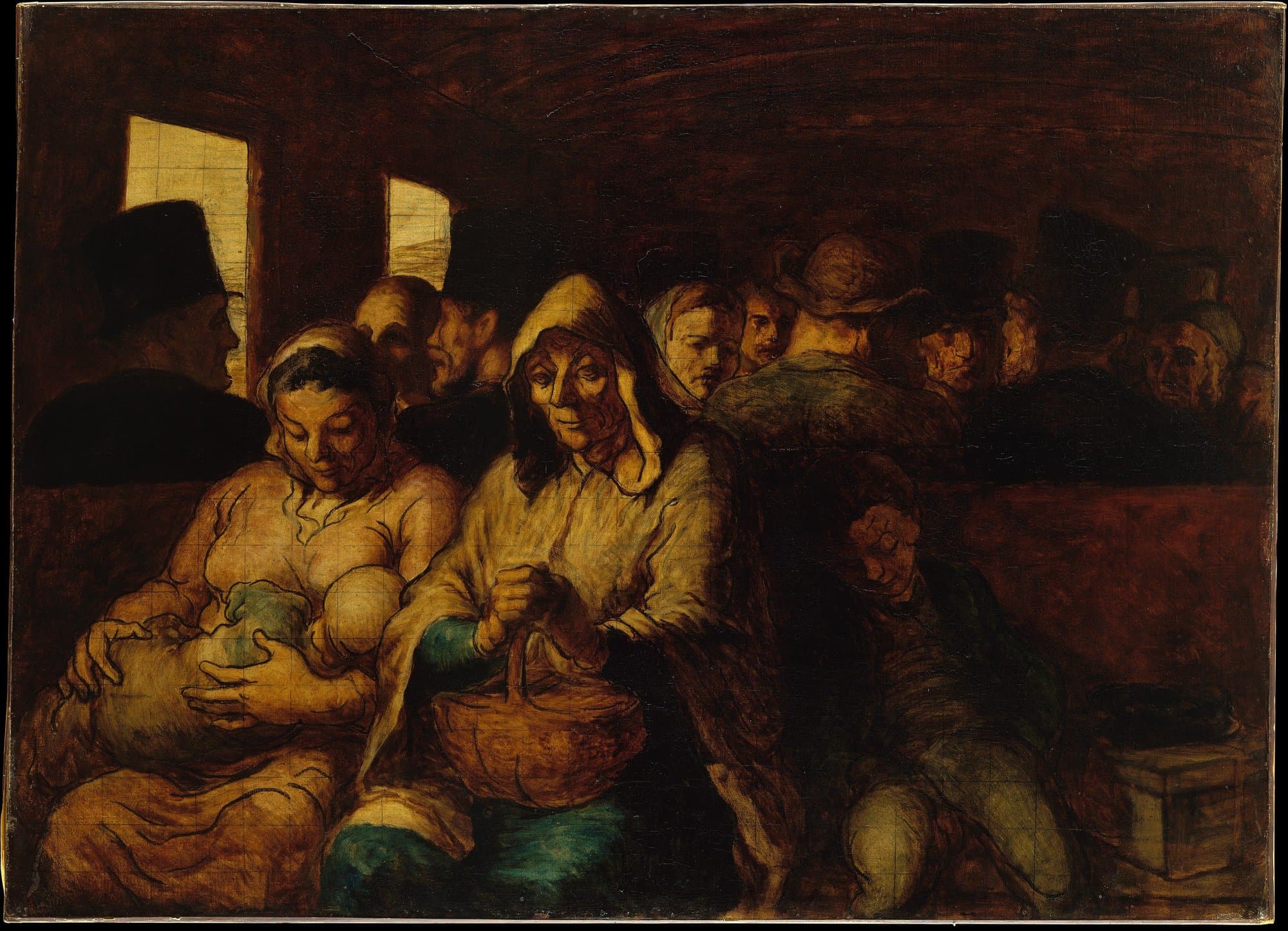
Proverbs 30 · Trial 16 of 21 · Featured Study
Money and Want
Money and want is the trial of having too little to live on, and Scripture also names the snare of trusting in riches.
The Hebrew word ebyon, the needy, stands in 58 verses of the Old Testament, and 22 of them are in the Psalms.
Keep falsehood and deceitful words far from me. Give me neither poverty nor riches; feed me with the bread that is my portion.
- Anchor text
- Proverbs 30:8 “Keep falsehood and deceitful words far…”
- The lament
- Psalm 86:1 to 7 “Incline Your ear, O LORD, and answer…”
- Hold in memory
- Proverbs 30:8, 2 Corinthians 8:9
Summary
Hunger, debt and loss fill the lives of many people in Scripture. Jacob's sons went to Egypt to buy grain, and the church in Jerusalem fed its widows each day. The Bible never calls the poor forsaken by God. It gives the one in want words to pray, work to do and a church to share the need. Christ Himself was born to parents who brought the offering of the poor, and at His death the soldiers divided His clothes.
- Scripture traces want to toil under the curse, to idleness, to the oppression of the powerful and to losses no one chose.
- The law fed the poor by gleaning, lent to them without interest and cancelled debts every seventh year.
- Jesus taught His disciples to ask the Father for bread for one day.
- Paul taught that Christ became poor so that His people might become rich.
- The psalmists brought their own need to God in prayer and waited for Him to answer.
What Scripture Says to the One Who Is in Want
Hebrew names money by its silver, and Greek names money, need and the lack that one believer's surplus meets.
Want can come as a wage that does not cover the week or a harvest that fails. It can come as a creditor at the door, or as the death of the one who earned the bread. This study asks where want comes from in Scripture's own account and what God says to the one who has too little. It shows how Christ bore poverty for His people and what Scripture gives a person in want to do. It gathers the people and stories of Scripture that tell of hunger and debt, the church's accounts of believers in want and the teachers on riches and poverty.
Keseph, silver and money
403 uses in the canon
The Hebrew noun keseph (H3701) names silver and the money weighed out in it. Ecclesiastes says, “He who loves money is never satisfied by money.”
Argyrion, money
20 uses in the canon
The Greek noun argyrion (G694) names silver coin, and so money. Jesus sent out the Twelve with “no bread, no money, no second tunic.”
Hysterema, need
9 uses in the canon
The Greek noun hysterema (G5303) names a deficit, what someone lacks. Paul wrote to the Corinthians that “your surplus will meet their need.”
Keseph, silver and money, Argyrion, money, Hysterema, need, The Words Mammon and Ebyon, the study in brief
The Key Texts on Money and Want
The Law, the proverbs, the Gospels and the letters each speak to the one with too little and the one with much.
Law
But remember that it is the LORD your God who gives you the power to gain wealth, in order to confirm His covenant that He swore to your fathers even to this day.
Moses gave the warning before Israel entered a land where they would eat food without scarcity (Deuteronomy 8:9).
Wisdom
He who trusts in his riches will fall, but the righteous will thrive like foliage.
The verse belongs to the collection headed “The proverbs of Solomon” (Proverbs 10:1), which sets the righteous against the one who trusts in his riches.
Gospels
Therefore do not worry, saying, ‘What shall we eat?’ or ‘What shall we drink?’ or ‘What shall we wear?’ For the Gentiles strive after all these things, and your heavenly Father knows that you need them. But seek first the kingdom of God and His righteousness, and all these things will be added unto you.
Jesus spoke these words in the Sermon on the Mount to people anxious about what they would eat and wear (Matthew 6:25).
And He said to them, “Watch out! Guard yourselves against every form of greed, for one’s life does not consist in the abundance of his possessions.”
Jesus said this when a man in the crowd asked Him to make his brother divide the inheritance (Luke 12:13).
Luke 12:15BSB
Letters
And my God will supply all your needs according to His glorious riches in Christ Jesus.
Paul writes this promise to the church at Philippi, which had provided for his needs again and again (Philippians 4:16).
Listen, my beloved brothers: Has not God chosen the poor of this world to be rich in faith and to inherit the kingdom He promised those who love Him?
James asks this of a church that honoured the rich man and shamed the poor one (James 2:2 to 3).
James 2:5BSB
Proverbs 11:28, Matthew 6:31 to 33, Luke 12:15, Philippians 4:19, James 2:5
Where Want Comes From, and Christ Who Became Poor
Genesis 3, Proverbs 6, Amos 2 and Hannah's song name where want comes from and who rules it, and the Gospels show Christ in poverty.
And to Adam He said: “Because you have listened to the voice of your wife and have eaten from the tree of which I commanded you not to eat, cursed is the ground because of you; through toil you will eat of it all the days of your life. Both thorns and thistles it will yield for you, and you will eat the plants of the field. By the sweat of your brow you will eat your bread, until you return to the ground—because out of it were you taken. For dust you are, and to dust you shall return.”The curse falls on the ground that was to feed Adam, so that bread now comes by toil.
Scripture names more than one cause of want.
A little sleep, a little slumber, a little folding of the hands to rest, and poverty will come upon you like a robber, and need like a bandit.The proverb shows want that comes upon the idle.
This is what the LORD says: “For three transgressions of Israel, even four, I will not revoke My judgment, because they sell the righteous for silver and the needy for a pair of sandals. They trample on the heads of the poor as on the dust of the earth; they push the needy out of their way. A man and his father have relations with the same girl and so profane My holy name.Amos shows want forced on the needy by others, who sold them for silver and a pair of sandals.
Other want comes with no fault named. A famine drove a man of Bethlehem with his wife and two sons into Moab (Ruth 1:1). Job lost all he had in one day (Job 1:13 to 19).
The LORD sends poverty and wealth; He humbles and He exalts.Hannah sang it after she had given her son Samuel to the LORD at Shiloh (1 Samuel 1:24 to 28).
The rich and the poor have this in common: The LORD is Maker of them all.The proverb stands in the same chapter as Proverbs 22:7, where the rich rule over the poor.
For there will never cease to be poor in the land; that is why I am commanding you to open wide your hand to your brother and to the poor and needy in your land.Moses gave this command with the law of the seventh year, when every creditor cancelled the debts owed him (Deuteronomy 15:1 to 2).
Paul warns Timothy that those who want to be rich fall into temptation and many foolish and harmful desires (1 Timothy 6:9).
He was presented with the offering of the poorLuke 2
The law let a mother who could not afford a lamb bring two turtledoves or two young pigeons (Leviticus 12:8).
and to offer the sacrifice specified in the Law of the Lord: “A pair of turtledoves or two young pigeons.”
Luke 2:24BSB Luke records the offering Mary and Joseph brought for the infant Jesus.
Read the page on Jesus 33 sections, 41 verses set out
He was hungry in the wildernessMatthew 4
After fasting forty days and forty nights, He was hungry.
Matthew 4:2BSB Matthew records the hunger of Jesus before the tempter came to Him.
He answered the tempter that man shall not live on bread alone (Matthew 4:4).
He had no place to lay His headMatthew 8
Jesus replied, “Foxes have dens and birds of the air have nests, but the Son of Man has no place to lay His head.”
Matthew 8:20BSB Jesus told a scribe who offered to follow Him what following Him would cost.
He was stripped at the crossJohn 19
When the soldiers had crucified Jesus, they divided His garments into four parts, one for each soldier, with the tunic remaining. It was seamless, woven in one piece from top to bottom. So they said to one another, “Let us not tear it. Instead, let us cast lots to see who will get it.” This was to fulfill the Scripture: “They divided My garments among them, and cast lots for My clothing.” So that is what the soldiers did.
John 19:23 to 24BSB John records that the soldiers divided the last things Jesus owned.
Read the story of the Crucifixion 12 sections, 17 verses set out
He was rich and became poor2 Corinthians 8
For you know the grace of our Lord Jesus Christ, that though He was rich, yet for your sakes He became poor, so that you through His poverty might become rich.
2 Corinthians 8:9BSB Paul wrote it to move the Corinthians to finish the gift they had begun for the poor (2 Corinthians 8:10 to 11).
He was hungry in the wilderness (Matthew 4), He had no place to lay His head (Matthew 8), He was stripped at the cross (John 19), He was rich and became poor (2 Corinthians 8)
Amos 2:6 to 7, 1 Samuel 2:7, Proverbs 22:2, Deuteronomy 15:11, Luke 2:24, Matthew 4:2, Matthew 8:20, John 19:23 to 24 and 1 more
Proverbs 6:10 to 11, Amos 2:6 to 7, 1 Samuel 2:7, Proverbs 22:2, Deuteronomy 15:11, a paragraph, He was presented with the offering of the poor (Luke 2), He was hungry in the wilderness (Matthew 4) and 3 more
Who Walked Through Want
Five people of the Bible are remembered for a time of hunger, loss or empty pockets, from Jacob in the famine to Paul in prison.
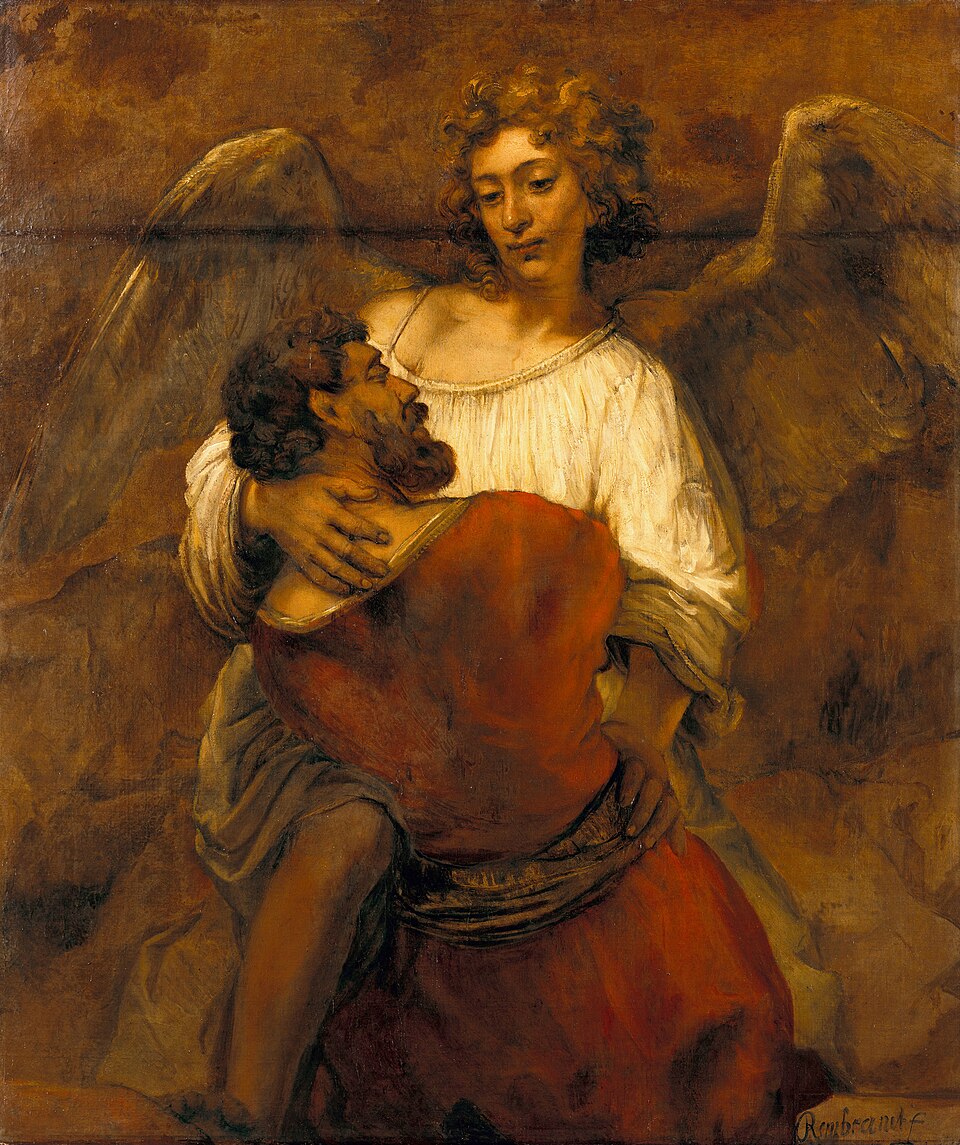
In the famine Jacob told his sons, “Go down there and buy some for us, so that we may live and not die.”
Genesis 42:2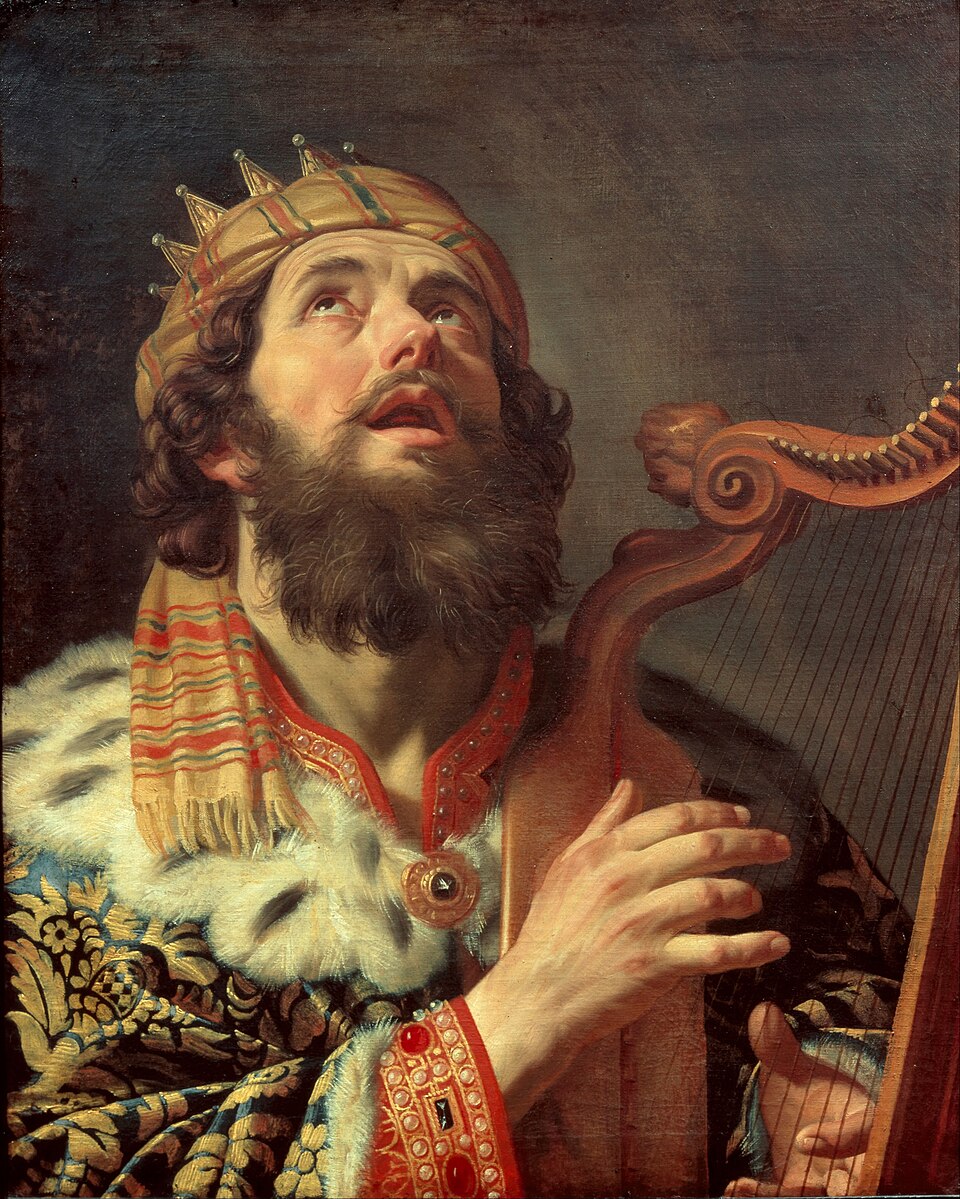
Fleeing from Saul, David asked the priest at Nob, “Give me five loaves of bread, or whatever can be found.”
1 Samuel 21:3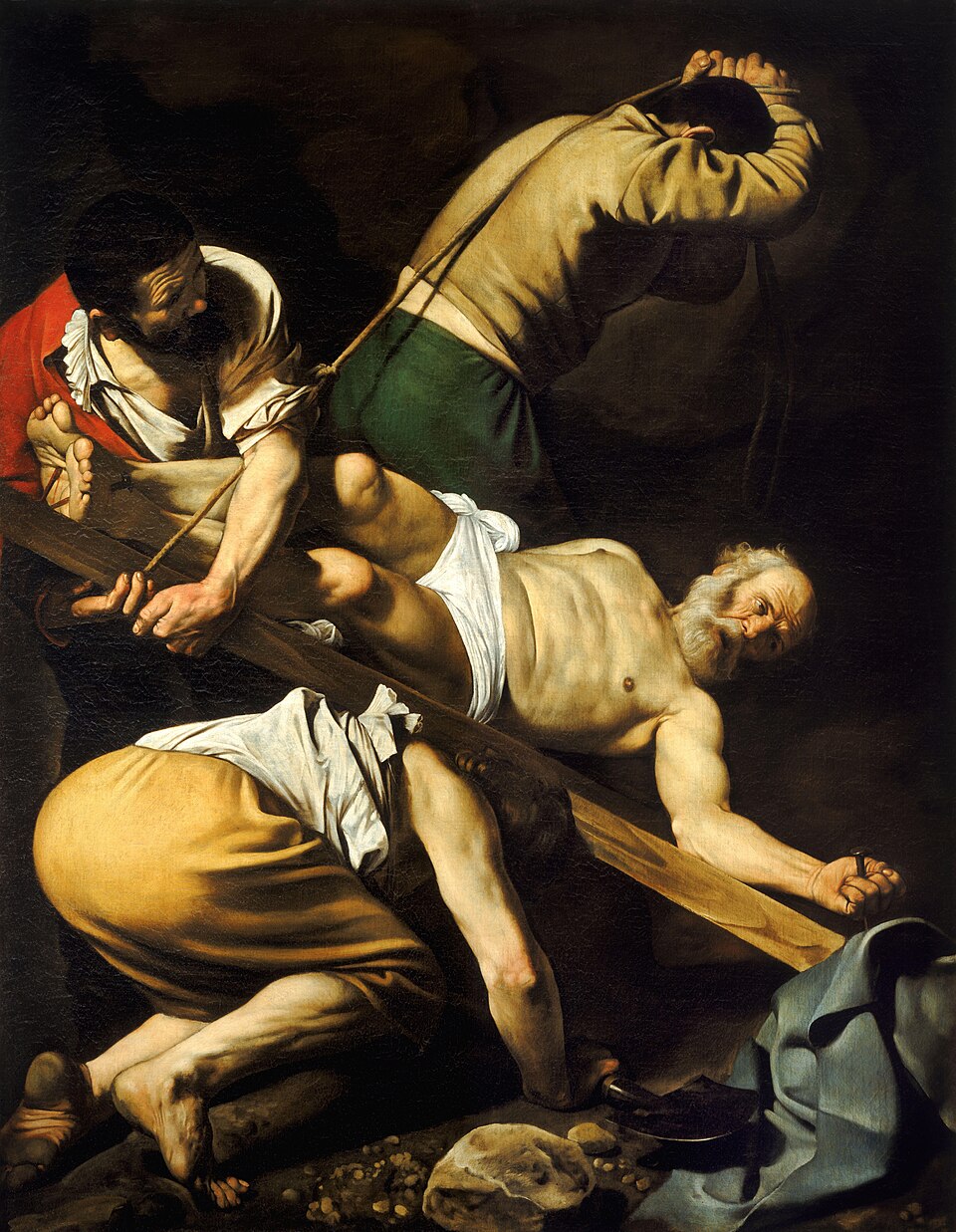
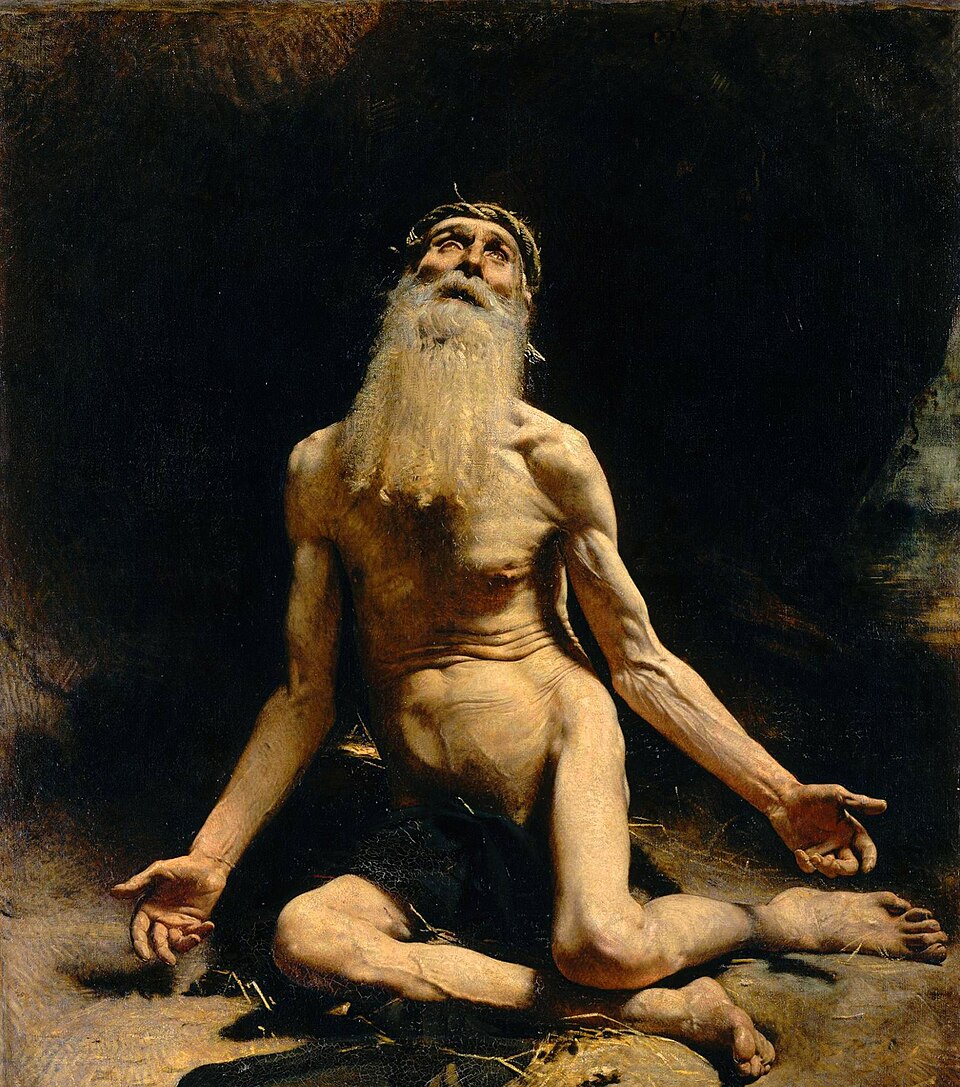
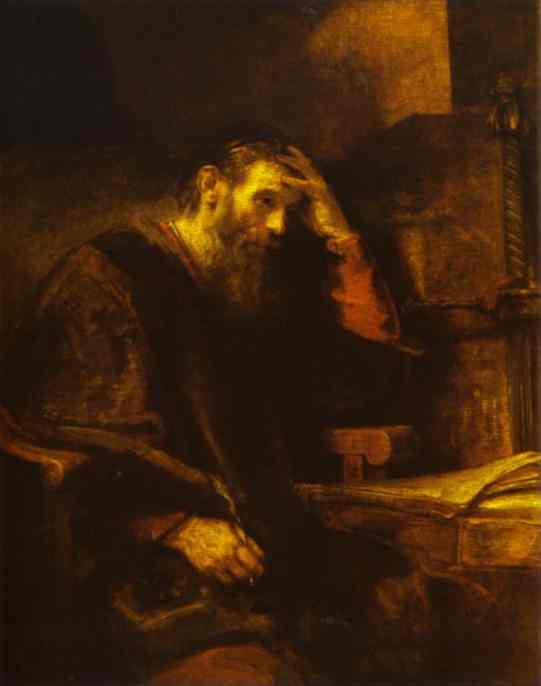
From prison Paul wrote that he knew how to live with “having plenty and having need.”
Philippians 4:12
Peter, Job, Paul
What Scripture Gives the One in Want to Do
Scripture gives six things to do in want, each in the words of the verse that gives it.
- 1Ask the Father for this day's bread“Give us this day our daily bread.”Matthew 6:11
- 2Work with your own hands“Work with your own hands, as we instructed you. Then you will behave properly toward outsiders, without being dependent on anyone.”1 Thessalonians 4:11 to 12
- 3Keep free from the love of money“Keep your lives free from the love of money and be content with what you have.”Hebrews 13:5
- 4Share with the one in need“Work, doing good with his own hands, that he may have something to share with the one in need.”Ephesians 4:28
- 5Carry one another's burdens“Carry one another’s burdens, and in this way you will fulfill the law of Christ.”Galatians 6:2
- 6Bring the need to the churchWhen widows “were being overlooked in the daily distribution of food,” the apostles had the church choose seven men to serve them.Acts 6:1 to 3
Work with your own hands, Keep free from the love of money, Share with the one in need, Carry one another's burdens, Bring the need to the church
Want that weighs on the body or the mind also calls for a physician's care beside prayer, and never in place of it. A debt that cannot be paid calls for the help of a church's deacons and of a qualified debt adviser beside prayer.
The Lament of the Poor and Needy
Psalm 86 is a prayer for help in the day of distress.
The psalm rests every plea on the God who is “kind and forgiving, rich in loving devotion to all who call on You” (Psalm 86:5).
Incline Your ear, O LORD, and answer me, for I am poor and needy. Preserve my soul, for I am godly. You are my God; save Your servant who trusts in You. Be merciful to me, O Lord, for I call to You all day long. Bring joy to Your servant, for to You, O Lord, I lift up my soul.The psalm opens with the plea of one who has nothing to bring but his need and his trust.
Hear my prayer, O LORD, and attend to my plea for mercy. In the day of my distress I call on You, because You answer me.These verses close the first prayer of the psalm, before its praise that none is like the Lord (Psalm 86:8).
But I am poor and needy; may the Lord think of me. You are my helper and deliverer; O my God, do not delay.Psalm 40 closes on this plea after the psalmist has praised God for lifting him from the pit (Psalm 40:2).
Psalm 86:1 to 4, Psalm 86:6 to 7, Psalm 40:17
Want in the Stories of the Bible
Four stories tell of a widow gleaning, a widow with a handful of flour, a rich farmer and a widow at the treasury.
Ruth in the barley harvestRuth 2
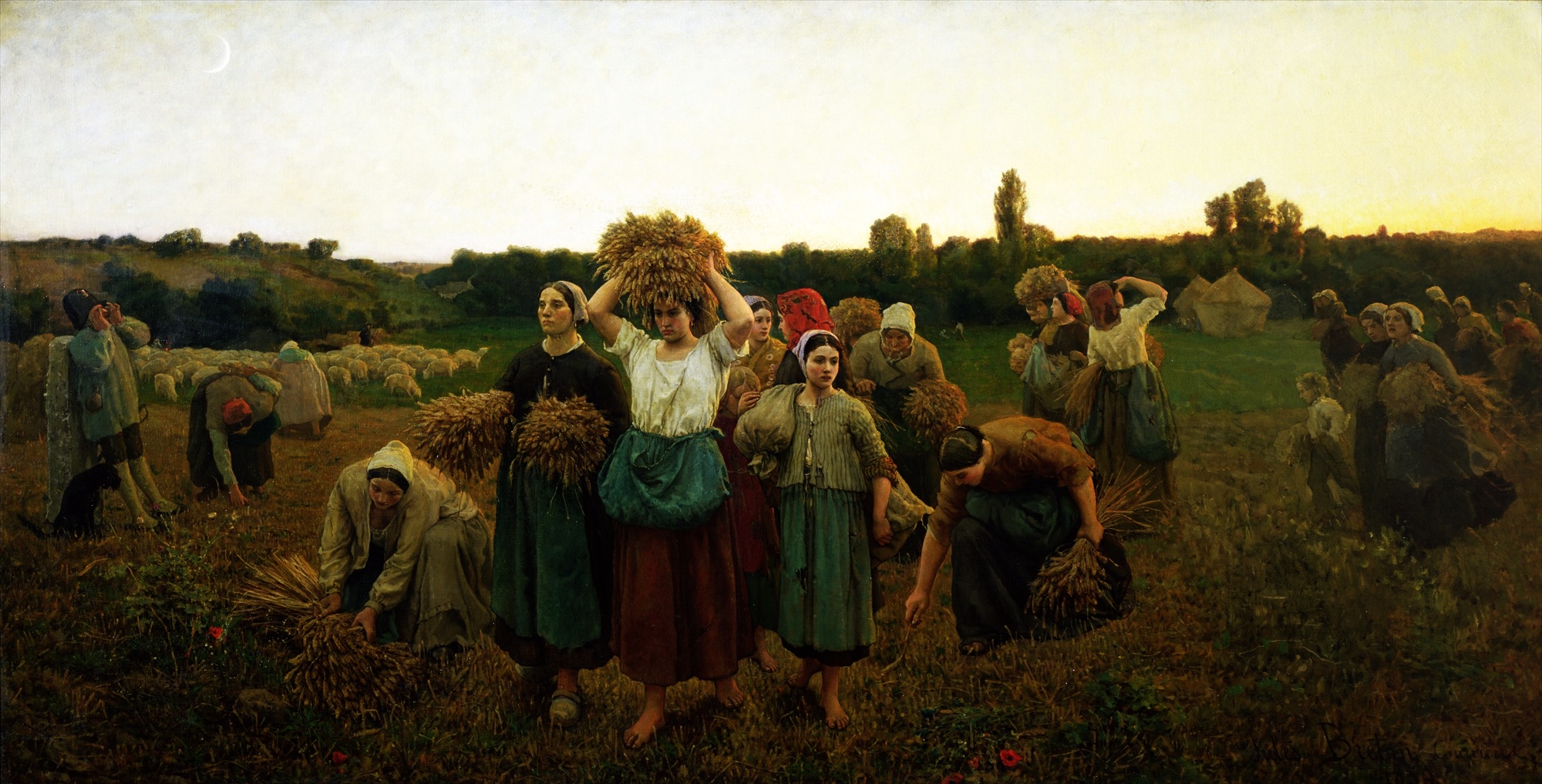
Ruth the Moabitess came back to Bethlehem with Naomi, both of them widows, at the beginning of the barley harvest (Ruth 1:22). She asked to glean heads of grain after the harvesters and came by chance to the field of Boaz (Ruth 2:2 to 3). Boaz told his young men to let her gather among the sheaves (Ruth 2:15). By evening she had beaten out about an ephah of barley (Ruth 2:17).
Read the story of Ruth's Kindness to Naomi 9 sections, 16 verses set out
The widow of Zarephath1 Kings 17
Elijah foretold a drought to Ahab (1 Kings 17:1). In it the LORD sent him to a widow of Zarephath in Sidon (1 Kings 17:8 to 10). She had only a handful of flour and a little oil, and she meant to cook a last meal for her son and herself (1 Kings 17:12). She made Elijah a cake first, as he asked, and the flour and the oil did not run out (1 Kings 17:13 to 16).
The rich foolLuke 12
Jesus told of a rich man whose land produced so much that he planned bigger barns and a life of ease (Luke 12:16 to 19). God called him a fool, since his life would be required of him that night (Luke 12:20). So it is, said Jesus, for anyone who is not rich toward God (Luke 12:21).
The widow's two coinsMark 12
Jesus sat opposite the temple treasury and watched many rich people put in large amounts (Mark 12:41). A poor widow put in two small copper coins (Mark 12:42). Jesus told His disciples that she had put in more than all the others (Mark 12:43).
The widow of Zarephath (1 Kings 17), The rich fool (Luke 12), The widow's two coins (Mark 12)
Want in the Church's History
Two accounts tell of a bishop who fed a city in famine and a pastor who gave up his salary.
Basil feeds the hungry of CaesareaFourth century
Gregory of Nazianzus told of the famine in his funeral oration for Basil of Caesarea (Oration 43, section 34). In their inland city those who held grain turned the distress to profit. Basil opened their stores by his word. He gathered the victims of every age and set before them “basins of soup and such meat as was found preserved among us” (section 35). He and his servants waited on them himself.
George Müller gives up his salary1831
At the end of October 1830 George Müller told his congregation that he would no longer take a regular salary. On 17 November 1831 he wrote in his Narrative, “Today we had not a single penny left.” He and his wife had asked only for enough money to buy bread. A gift of one pound, ten shillings and sixpence came “about an hour before we wanted money to buy bread.” In May 1832 he moved to Bristol, where he later cared for orphans.
Read the story of George Müller and the Orphans of Bristol 7 sections, 6 verses set out
Voices on Money and Want, by Century
Eight quotations from the third century to the nineteenth, each under the line it teaches.
died 253 · Origen of Alexandria
COMMENTARY ON ROMANS 4.9
A third-century reading: abundance can be a trial as much as poverty.
The quotation1 quotation
“Suffering poverty is often thought to be a tribulation, but abundance also may be an occasion for tribulation. The wise person restrains himself from being enervated by abundance.”
Origen of Alexandria · Commentary on Romans 4.9 · on Philippians 4:12Patristic
died 339 · Eusebius of Caesarea
Catena Aurea by Aquinas
A fourth-century reading: the kingdom of heaven belongs first to those who embrace poverty.
The quotation1 quotation
“But when the celestial kingdom is considered in the many gradations of its blessings, the first step in the scale belongs to those who by divine instinct embrace poverty. Such did He make those who first became His disciples; therefore He says in their person, For yours is the kingdom of heaven, as pointedly addressing Himself to those present, upon whom also He lifted up His eyes.”
Eusebius of Caesarea · Catena Aurea by Aquinas · on Luke 6:20Patristic
died 397 · Ambrose of Milan
Letters 1-10
A fourth-century reading: a little money is useful, and much of it is a burden.
The quotation1 quotation
“A man's riches ought to avail to the ransom of his soul, not to its destruction. And a treasure is a ransom, if a man use it well; on the other hand it is a snare, if a man know not how to use it. What is a man's money to him but a provision for his journey? Much is a burthen, a little is useful.”
Ambrose of Milan · Letters 1-10 · on Proverbs 13:8Patristic
died 420 · Jerome
Catena Aurea by Aquinas
A fifth-century reading: a man serves whatever holds him in bondage, money or any other possession.
The quotation1 quotation
“This must be understood not of money only, but of all our possessions. The god of a glutton is his belly; of a lover his lust; and so every man serves that to which he is in bondage; and has his heart there where his treasure is.”
Jerome · Catena Aurea by Aquinas · on Matthew 6:19 to 21Patristic
died 430 · Augustine of Hippo
On the Good of Marriage 25
A fifth-century reading: anyone can suffer poverty, but to know how to suffer it is a mark of greatness.
The quotation1 quotation
“All sorts of people indeed can suffer poverty, but to ‘know how to suffer poverty’ is a mark of greatness. Likewise, who is there who may not abound? But to ‘know how to abound’ belongs to none but those who are not corrupted by abundance.”
Augustine of Hippo · On the Good of Marriage 25 · on Philippians 4:11 to 12Patristic
1703 to 1791 · John Wesley
Explanatory Notes upon the Old Testament
An eighteenth-century reading: the law forbade Israel to lend at interest to a brother who borrowed from need.
The quotation1 quotation
“And such provision the law made for the preserving estates to their families by the year of Jubilee, that a people who had little concern in trade could not be supposed to borrow money but for necessity; therefore it was generally forbidden among themselves; but to a stranger they were allowed to lend upon usury.”
John Wesley · Explanatory Notes upon the Old Testament · on Exodus 22:25Evangelical
1834 to 1892 · Charles Spurgeon
The Treasury of David, Vol. 1
A nineteenth-century reading: a lender may share in the gains of his money, but to grind the poor with interest is hateful to God.
The quotation1 quotation
“‘He that putteth not out his money to usury.’ Usury was and is hateful both to God and man. That a lender should share with the borrower in gains made by his money is most fitting and proper; but that the man of property should eat up the poor wretch who unfortunately obtained a loan of him is abominable. Those who grind poor tradesmen, needy widows, and such like, by charging them interest at intolerable rates, will find that their gold, and their silver are cankered.”
Charles Spurgeon · The Treasury of David, Vol. 1 · on Psalm 15:5
1816 to 1900 · J.C. Ryle
Expository Thoughts on the Gospels: Matthew
A nineteenth-century reading: Christ answered the worry of those who must provide for their bodily wants.
The quotation1 quotation
“These verses are a striking example of the combined wisdom and compassion of our Lord Jesus Christ’s teaching. He knows the heart of a man: he knows that we are always ready to turn off warnings against worldliness by the argument that we cannot help being anxious about the things of this life. ‘Have we not our families to provide for? Must not our bodily wants be supplied? How can we possibly get through life if we think first of our souls?’ The Lord Jesus foresaw such thoughts and furnished an answer.”
J.C. Ryle · Expository Thoughts on the Gospels: Matthew · on Matthew 6:25 to 34Reformed Evangelical
Ambrose of Milan, Jerome, Augustine of Hippo, John Wesley, Charles Spurgeon, J.C. Ryle
How Money and Want Have Been Taught
Three teachers, Clement and Cyprian in the third century and John Calvin in the sixteenth, taught on riches, alms and poverty.
Clement of Alexandria taught that Christ bids the rich banish the love of wealth from the soul.1 paragraph
Clement of Alexandria wrote Who Is the Rich Man That Shall Be Saved? on the young man who went away sorrowful. William Wilson translated it for the Ante-Nicene Fathers, volume 2. He held that Jesus did not bid the man throw away his property. Jesus “bids him banish from his soul his notions about wealth” and the anxieties “which are the thorns of existence” (section 11). Of wealth itself he wrote, “Are you able to make a right use of it?” (section 14).
Cyprian taught that the fear of losing wealth must not keep a believer from giving alms.1 paragraph
Cyprian of Carthage wrote On Works and Alms to believers who held back their alms for fear of want. He warned the one afraid that his wealth may fail that “you do not know, in your wretchedness, that your life itself may fail” (section 10). The fear of loss, he wrote, makes a man “a lover of mammon rather than of your soul.”
John Calvin taught that a believer must learn to bear want with patience and plenty with restraint.1 paragraph
John Calvin taught in the Institutes of the Christian Religion, book 3, chapter 10, section 5, in the translation Henry Beveridge first published in 1845. He wrote that a believer must learn to be “no less placid and patient in enduring penury, than moderate in enjoying abundance” (section 5). He added that “he who is impatient under poverty almost always betrays the contrary disease in abundance” and pointed to Philippians 4:12.
What the Science Shows
Three peer-reviewed studies describe how poverty, debt and income bear on the mind.
Anandi Mani and colleagues found in 2013 that turning poor participants' thoughts to their finances lowered their scores on tests of thinking. Well-off participants were not affected (Science 341). Thomas Richardson and colleagues reviewed 65 papers on personal unsecured debt and health in 2013. More severe debt went with worse health, and the pooled odds ratio for depression was 2.77. The studies could not establish which came first (Clinical Psychology Review 33).
Daniel Kahneman and Angus Deaton analysed more than 450,000 answers to a daily survey of residents of the United States in 2010. People rated their lives higher as their income grew. Day-to-day emotional well-being rose no further beyond an annual income of about $75,000 (Proceedings of the National Academy of Sciences 107). These studies corroborate what Scripture shows of want and of riches, and Scripture remains the ground of its teaching.
The Studies of Money and Want
Each study takes one text, story, word or practice of money and want into more depth.
The texts
2 studies
- Passages and psalms · 13 verses set outGive Us This Day
The fourth petition of the Lord's Prayer asks for bread for one day, as Israel gathered the manna one day at a time.
- Passages and psalms · 14 verses set outNeither Poverty nor Riches
The prayer belongs to the words of Agur son of Jakeh, which follow the proverbs of Solomon copied by the men of Hezekiah.
- Passages and psalms · 13 verses set outGive Us This Day
The stories
1 study
- Stories · 7 verses set outThe Widow's Oil
The account stands in 2 Kings 4:1 to 7, the first of the deeds of Elisha told in that chapter.
- Stories · 7 verses set outThe Widow's Oil
The words
1 study, 1 linked page
- Symbols and words · 17 verses set outThe Words Mammon and Ebyon
Jesus used the word mammon for wealth that claims a servant's loyalty, and the Hebrew ebyon names the needy whom the law protects.
- Symbols and words · 11 verses set outThe Widow, the Orphan & the Stranger
Scripture names these three together from Exodus 22 to James 1, and God takes the place of the relative each one lacks.
- Symbols and words · 17 verses set outThe Words Mammon and Ebyon
The practice
1 study, 3 linked pages
- Subjects · 5 verses set outThe Borrower and the Lender
Scripture speaks of borrowing and lending in the law of Moses, the Psalms and Proverbs, the words of Jesus and the letter to the Romans.
- Debates · 36 verses set outThe Prosperity Message
Three readings of the blessings and curses of Deuteronomy 28, from the church fathers to the Word of Faith teachers, each set out with its holders and their works.
- Subjects · 11 verses set outMoney, Law and Power
Who owned the fields, how silver changed hands and who judged, from the days of Ruth to Samuel's warning about a king.
- Subjects · 28 verses set outLending, Pledges and the Year of Release
The laws of the loan, the pledge and the seventh year, from the Book of the Covenant to Nehemiah and the synagogue at Nazareth.
- Subjects · 5 verses set outThe Borrower and the Lender
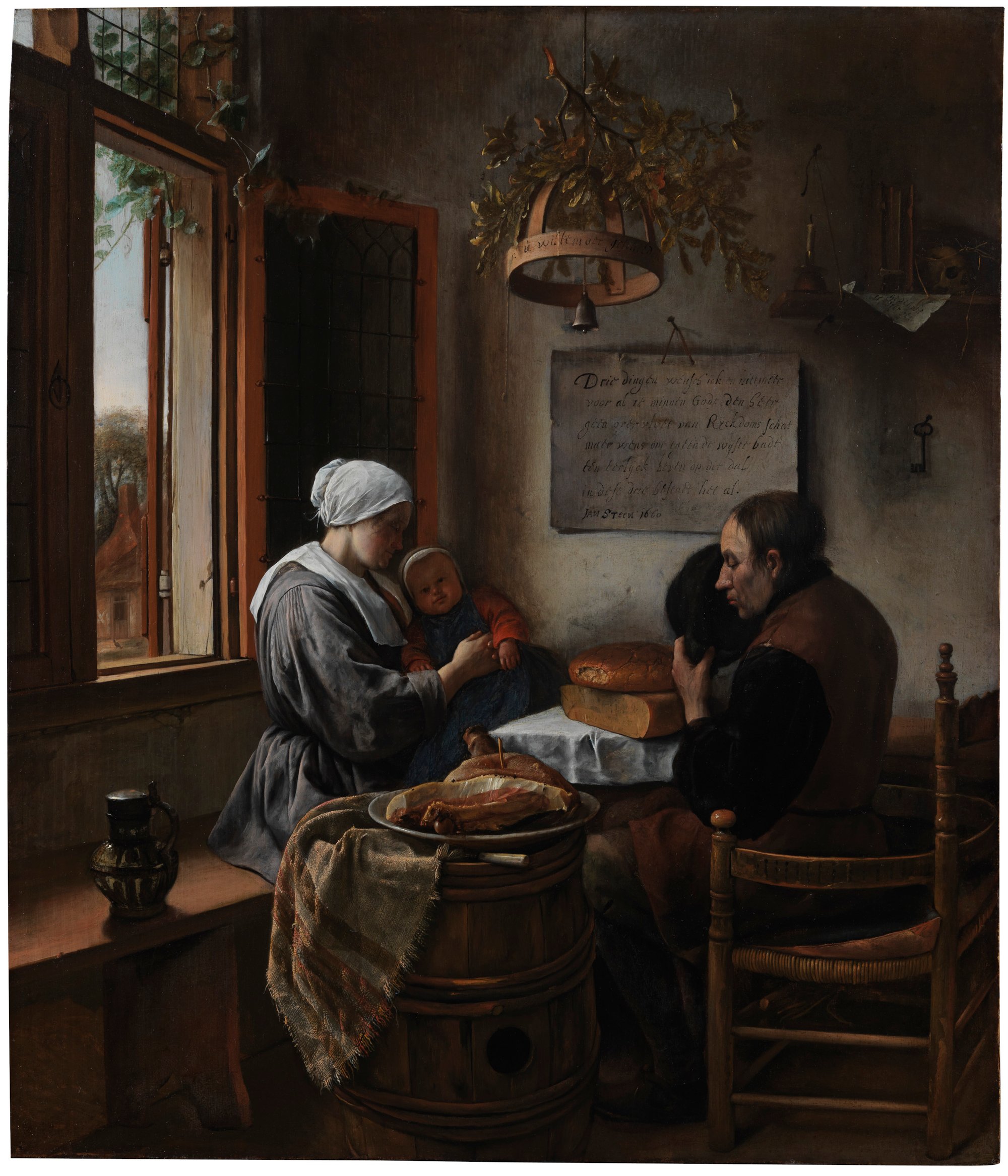
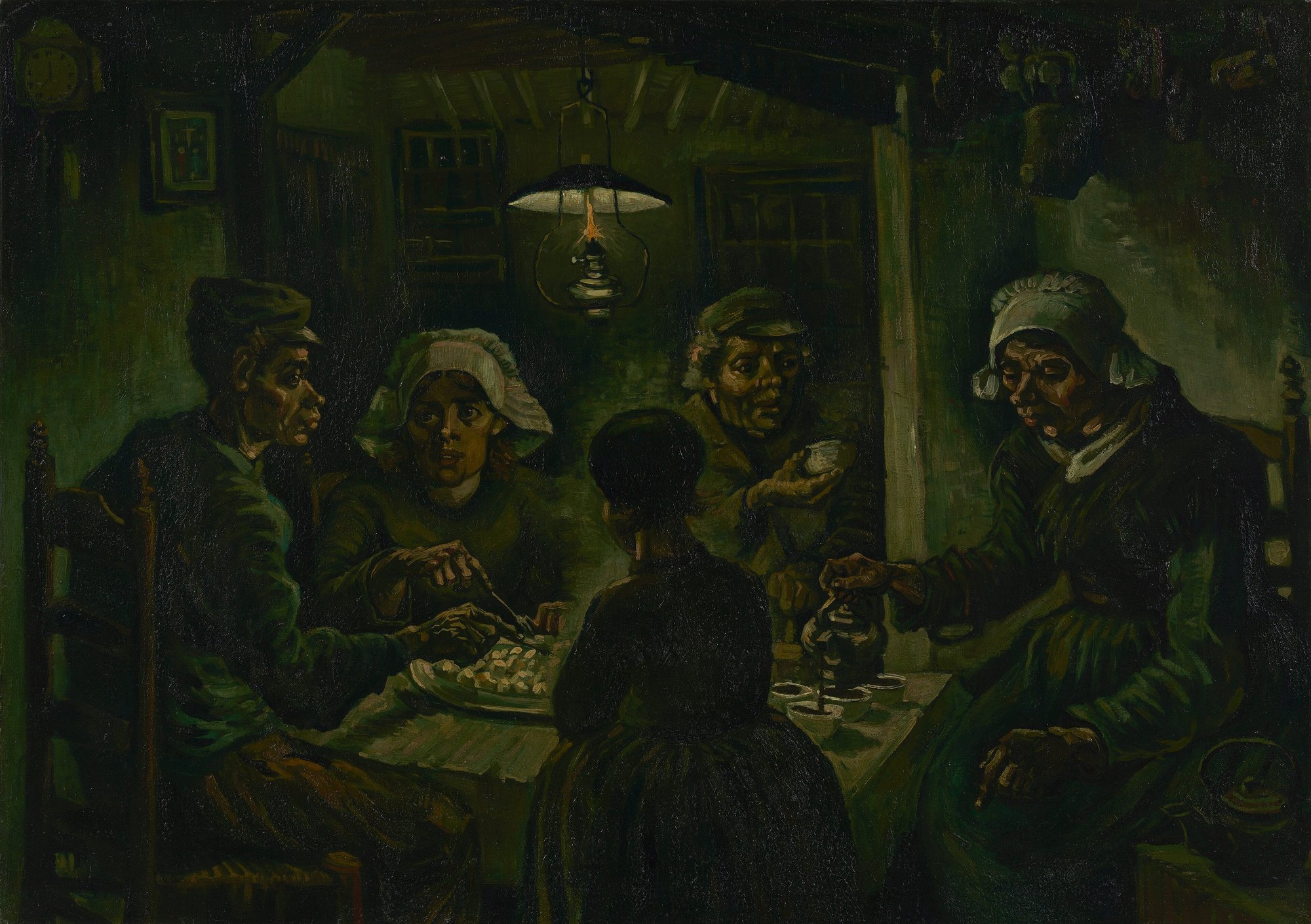
Neither Poverty nor Riches, The Widow's Oil, The Words Mammon and Ebyon, The Widow, the Orphan & the Stranger, The Borrower and the Lender, The Prosperity Message, Money, Law and Power, Lending, Pledges and the Year of Release
Where Readers Disagree
Six readings answer three questions, each with its holders, the work that argues it and the objection raised against it.
Did Jesus' word to the rich young man bind every disciple (Matthew 19:21)?
| Reading | Held by | Work | Objection |
|---|---|---|---|
| The command is for those who seek to be perfect | Jerome (Latin patristic writing) | Jerome, Against Jovinianus, book 2, section 6 | Jesus told all His disciples to sell their possessions and give to the poor (Luke 12:33). |
| It bids every rich man strip the love of wealth from his soul, and wealth rightly used may be kept | John Calvin (Reformed) | John Calvin, Commentaries on the First Book of Moses Called Genesis, on Genesis 13:2 | Jesus told the young man to sell his possessions and give to the poor, and the man went away sorrowful because he had great wealth (Matthew 19:22). |
Does God promise wealth to every believer who has faith?
Read the debate The Prosperity Message 12 sections, 36 verses set out
| Reading | Held by | Work | Objection |
|---|---|---|---|
| Yes, the blessing of Abraham is received by faith through Christ's redemption from the curse | Kenneth Hagin; Charles Capps; Derek Prince (The Word of Faith movement; Pentecostal and charismatic teachers) | Hagin, Redeemed from Poverty, Sickness, and Spiritual Death (1983); Capps, The Tongue: A Creative Force (1976); Prince, Blessing or Curse: You Can Choose (1990) | Hebrews 11:37 to 38 counts among the faithful men who went destitute. |
| No, the blessings of land and harvest belong to Israel's covenant in the land | John Calvin; John Gill (The Reformed churches; evangelical commentators) | Gill, Exposition of the Old Testament, on Deuteronomy 28:2; Calvin, Commentaries on Deuteronomy 28:9 | Galatians 3:14 brings the blessing promised to Abraham to the Gentiles in Christ Jesus. |
May a Christian lend money at interest?
Read the study The Borrower and the Lender 8 sections, 5 verses set out
| Reading | Held by | Work | Objection |
|---|---|---|---|
| No, to take usury for money lent is unjust in itself | Thomas Aquinas; Ambrose of Milan (Medieval scholastic theology; Latin patristic writing) | Thomas Aquinas, Summa Theologiae II-II question 78, article 1; Ambrose, Letter 19, to Vigilius | In the parable of the talents the master tells the servant he should have put the money with the bankers to receive it back with interest (Matthew 25:27). |
| Yes, a lender may share in the gains his money makes, and the sin is to exact interest from the poor | Charles Spurgeon (Reformed Baptist) | Charles Spurgeon, The Treasury of David, volume 1, on Psalm 15:5 | Psalm 15:5 praises the one “who lends his money without interest” and names no exception for loans in trade. |
Every Text on Money
The verses and pages the older tag on money gathered, in the Berean wording, and the essay that stood on the tag page.
Law, wisdom and prophets
The rich rule over the poor, and the borrower is slave to the lender.
The proverb names the power of the lender over the borrower, which the study The Borrower and the Lender teaches.
Bring the full tithe into the storehouse, so that there may be food in My house. Test Me in this,” says the LORD of Hosts. “See if I will not open the windows of heaven and pour out for you blessing without measure.
Malachi spoke it to Judah when the people were robbing God in tithes and offerings (Malachi 3:8).
Malachi 3:10BSB
Gospels and Acts
Do not store up for yourselves treasures on earth, where moth and rust destroy, and where thieves break in and steal. But store up for yourselves treasures in heaven, where moth and rust do not destroy, and where thieves do not break in and steal.
Jesus spoke these words in the Sermon on the Mount, just before His saying on the two masters.
No one can serve two masters: Either he will hate the one and love the other, or he will be devoted to the one and despise the other. You cannot serve both God and money.
The Greek of this verse keeps the Aramaic word mammon, which the Berean text renders money.
Matthew 6:24BSB
Jesus told him, “If you want to be perfect, go, sell your possessions and give to the poor, and you will have treasure in heaven. Then come, follow Me.”
Jesus said it to a man who asked what good thing he must do to obtain eternal life (Matthew 19:16).
But Zacchaeus stood up and said to the Lord, “Look, Lord, half of my possessions I give to the poor, and if I have cheated anyone, I will repay it fourfold.”
Zacchaeus showed his new heart by giving half his goods to the poor and repaying fourfold.
Luke 19:8BSB
In everything, I showed you that by this kind of hard work we must help the weak, remembering the words of the Lord Jesus Himself: ‘It is more blessed to give than to receive.’”
Paul gave the Ephesian elders a saying of Jesus on giving.
Acts 20:35BSB
Letters
For the love of money is the root of all kinds of evil. By craving it, some have wandered away from the faith and pierced themselves with many sorrows.
Paul wrote it to Timothy about men who regard godliness as a means of gain (1 Timothy 6:5).
Matthew 6:19 to 20, Matthew 6:24, Matthew 19:21, Luke 19:8, Acts 20:35, 1 Timothy 6:10
The tag also gathered four pages that stand on the site.
The essay that stood on the tag page Money7 paragraphs
Jesus talked about money more than almost anything else he taught. Parables about coins, fields, debts, and wages fill the Gospels, not because money is the point of life but because how a person handles it reveals what they actually treasure.
The Old Testament had already set the pattern. Moses warned Israel, on the edge of the promised land, not to forget that it was the LORD who gave them power to get wealth, and not their own strength (Deuteronomy 8:17-18). Prosperity was a gift to hold with an open hand, not proof of anything earned. Proverbs weighs money from every side; trusting in riches leads to a fall, but generosity to the poor is never wasted (Proverbs 11:28; 19:17). Ecclesiastes is blunter still: the one who loves silver is never satisfied with silver (Ecclesiastes 5:10).
Jesus takes up that same honesty and sharpens it. He tells his listeners plainly not to store up treasure on earth, where moth and rust destroy it and thieves break in, but to store up treasure in heaven instead, because wherever a person's treasure is, that is where the heart will end up too (Matthew 6:19-21). Then he draws the line even more sharply: no one can serve two masters, and money itself becomes a rival god he names outright: mammon (Matthew 6:24).
The rich young ruler discovers how costly that line is. He has kept the commandments since his youth and wants eternal life, but when Jesus tells him to sell what he has and follow, he goes away sad, because he has great possessions (Matthew 19:16-22). Jesus does not soften what happened. It is easier, he says, for a camel to go through the eye of a needle than for a rich man to enter the kingdom of God (Matthew 19:24). His point is not that having money is itself sin, but that money is unusually good at taking the throne meant for God.
Not every rich person in the Gospels walks away sad. Zacchaeus, a wealthy tax collector, meets Jesus and gives away half of everything he owns on the spot, restoring what he had cheated fourfold (Luke 19:1-10). The same Jesus who watched the young ruler leave sad also watched a poor widow drop two small coins into the temple treasury and called it greater giving than all the wealthy donors combined, because she gave everything she had (Mark 12:41-44). Wealth is not the test. The heart behind it is.
The early church took this seriously enough to be known for it. Believers sold property to meet each other's needs, and no one among them lacked (Acts 4:34-35). Paul later put the danger in words that have outlasted every century since: it is not money itself but the love of money that is a root of all kinds of evil, a love that has led some away from the faith entirely (1 Timothy 6:10). His remedy was not poverty but contentment: a heart kept free from the love of money because it trusts the one who has promised never to leave or forsake it (Hebrews 13:5).
Christ is the deepest answer to money's pull, because he showed what it costs to give everything away. Though he was rich, Paul writes, for our sakes he became poor, so that we through his poverty might become rich (2 Corinthians 8:9). Every coin dropped in a temple box, every field sold to feed a hungry brother, every open hand instead of a closed fist, is a small echo of that first, greatest gift.
Sources
Scripture is the Berean Standard Bible.
- STEP Bible brief lexicons of Extended Strongs for Hebrew and for Greek (Tyndale House, Cambridge), CC BY 4.0, with the older glosses of each numbered word.
- Gregory of Nazianzus, Oration 43, the funeral oration on Basil the Great, sections 34 to 35, translated by Charles Gordon Browne and James Edward Swallow, Nicene and Post-Nicene Fathers, second series, volume 7 (Buffalo: Christian Literature Publishing, 1894)
- George Müller, A Narrative of Some of the Lord's Dealings with George Müller, Written by Himself, First Part, entries of October 1830, 17 November 1831 and 25 May 1832.
- Clement of Alexandria, Who Is the Rich Man That Shall Be Saved?, sections 11 and 14, translated by William Wilson, Ante-Nicene Fathers, volume 2 (Buffalo: Christian Literature Publishing, 1885)
- John Calvin, Institutes of the Christian Religion, book 3, chapter 10, section 5, translated by Henry Beveridge, first published in 1845.
- Thomas Aquinas, Summa Theologiae, II-II question 78, article 1, English Dominican translation, second and revised edition (1920)
- Origen of Alexandria, Commentary on Romans 4.9, on Philippians 4:12.
- Cyprian, Treatise 8, On Works and Alms, section 10.
- Eusebius of Caesarea, on Luke 6:20, in Thomas Aquinas, Catena Aurea.
- Jerome, on the saying on treasure in Matthew 6, in Thomas Aquinas, Catena Aurea.
- Ambrose of Milan, Letters 1 to 10.
- Ambrose of Milan, Letter 19, to Vigilius, on Psalm 15:5.
- Augustine of Hippo, On the Good of Marriage, section 25, on Philippians 4:12.
- Jerome, Against Jovinianus, book 2, section 6.
- John Calvin, Commentaries on the First Book of Moses Called Genesis, on Genesis 13:2.
- John Wesley, Explanatory Notes upon the Old Testament (1765), on Exodus 22:25.
- Charles Spurgeon, The Treasury of David, volume 1 (1869), on Psalm 15:5.
- J. C. Ryle, Expository Thoughts on the Gospels: Matthew (1856), on Matthew 6:25 to 34.
- The Prosperity Message, the readings with their holders and works as the standing debate page gives them.
- Anandi Mani, Sendhil Mullainathan, Eldar Shafir and Jiaying Zhao, Poverty impedes cognitive function, Science 341 (2013): 976 to 980, PMID 23990553.
- Thomas Richardson, Peter Elliott and Ronald Roberts, The relationship between personal unsecured debt and mental and physical health: a systematic review and meta-analysis, Clinical Psychology Review 33 (2013): 1148 to 1162, PMID 24121465.
- Daniel Kahneman and Angus Deaton, High income improves evaluation of life but not emotional well-being, Proceedings of the National Academy of Sciences 107 (2010): 16489 to 16493, PMID 20823223.
- Money, the essay of the former tag page at /tag/money (3,279 characters)
Keep Studying
Studies12
In this trial5
People and groups29
Show the next 6 titles
Show the next 6 titles
Doctrines7
Subjects6