
Deuteronomy 15:11
in Deuteronomy 15For there will never cease to be poor in the land; that is why I am commanding you to open wide your hand to your brother and to the poor and needy in your land.
BSB
The same verse in ASV and KJV ▾
ASV
For the poor will never cease out of the land: therefore I command thee, saying, Thou shalt surely open thy hand unto thy brother, to thy needy, and to thy poor, in thy land.
KJV
For the poor shall never cease out of the land: therefore I command thee, saying, Thou shalt open thine hand wide unto thy brother, to thy poor, and to thy needy, in thy land.
⋯
This verse in Deuteronomy 15
Commentary
7 notes on this verseA commentator
BonaventureDisputed Questions on Evangelical Perfection, Question 2 · Written in the 13th century.
Just as that law, Deuteronomy 15: There shall be no needy person or beggar among you, was not given against the mendicancy of the poor, but against the tightfistedness of the rich — which is clear from the fact that in the same chapter it …
This site's exposition
the poor shall never cease out of the land
Verse 4 promised that there shall be no poor among you and verse 11 says the poor shall never cease, with the condition of verse 5 standing between the two and the chapter settling nothing. Jesus quotes this verse at Mark 14:7 over the ointment poured at Bethany, and the same words stand at Matthew 26:11 and John 12:8. Jamieson, Fausset and Brown read the permanence of poverty as partly the penalty of disobedience and partly an occasion for mercy, where Adam Clarke reads it as mercy alone. The command attached to the observation is the command already given at verse 8.
The record, by era
The Puritans and the Awakening3 voices
), I command thee, not only to give, but to open thy hand wide, to give liberally. Here is a caveat against that objection which might arise against charitable lending from the foregoing law for the release of debts (
quarantine:debris (2026-07-29) — leading-punctuation
For the poor shall never cease out of the land,....
In such a case we are here commanded to lend or give, according to our ability and the necessity of the case: Thou shalt not harden thy heart, nor shut thy hand,
The Nineteenth Century2 voices
For the poor shall never cease out of the land - To this passage our Lord appears to allude Mar 14:7: For ye have the poor with you always. God leaves these in mercy among men to exercise the feelings of compassion, tenderness, mercy, etc. And without occasions afforded to exercise these, man would soon become a Stoic or a brute.
A commentator
Jamieson, Fausset & Brown1802–1910
Commentary Critical and Explanatory on the Whole Bible (1871)
For the poor shall never cease out of the land--Although every Israelite on the conquest of Canaan became the owner of property, yet in the providence of God who foresaw the event, it was permitted, partly as a punishment of disobedience and partly for the exercise of benevolent and charitable feelings, that "the poor should never cease out of the land." De 15:12-19.
How the passage was read
What the Jewish commentators add
On the verses either side of this one
נתן תתן לו THOU SHALT SURELY GIVE HIM — even hundred times (Sifrei Devarim:6).
1 more on this passage, in their own words ▾
כי ימכר לך IF [THY BROTHER …] BE SOLD UNTO THEE by others (not one that sells himself as a servant on account of his destitution, of which case Scripture deals in Leviticus:46 ff); Scripture is speaking of one whom the court has sold for a theft that he has committed. But has it not already been stated.
This section is reception history: how the passage was read and kept in the Jewish tradition. Where a reading parts from an essential of the Christian faith, the section says so at that point.
Texts and citation data: Sefaria; each excerpt follows its version’s licence. 6 further sources are cited on this chapter that carry no English text this site may quote or only restate the verse.
The words behind it
19 Hebrew wordsEvery Hebrew word of this verse in the order it stands, with what it means and the door to its own study. The last column counts the times a word stands in the whole Bible: the rarer the word, the more the places it appears belong together.
| Hebrew | Sound | Meaning | Word study | In the Bible |
|---|---|---|---|---|
| כִּ֛י | ki | for | H3588 → | 4482 times |
| לֹא־ | lo'- | not | H3808 → | 5168 times |
| יֶחְדַּ֥ל | yechdal | he will cease | H2308 → | |
| אֶבְי֖וֹן | ʾevyon | [the] needy | H34 → | 61 times |
| מִקֶּ֣רֶב | mikerev | from [the] midst of | H7130 → | 227 times |
| הָאָ֑רֶץ | haaretz | the land | H776 → | 2504 times |
| עַל־ | ʾal- | there- | H5921 → | 5755 times |
| כֵּ֞ן | ken | -fore | H3651 → | 771 times |
| אָנֹכִ֤י | ʾanokhi | I | H595 → | 359 times |
| מְצַוְּךָ֙ | metzavekha | [am] commanding you | H6680 → | 494 times |
| לֵאמֹ֔ר | lemor | <to> saying | H559 → | 5305 times |
| פָּ֠תֹחַ | patoach | certainly <to open> | H6605 → | 144 times |
| תִּפְתַּ֨ח | tiftach | you will open | H6605 → | 144 times |
| אֶת־ | ʾet- | <obj.> | H853 → | 10935 times |
| יָדְךָ֜ | yadekha | hand your | H3027 → | 1618 times |
| לְאָחִ֧יךָ | leachikha | to countryman your | H251 → | 630 times |
| לַעֲנִיֶּ֛ךָ | laaniyekha | to poor [person] your | H6041 → | 73 times |
| וּלְאֶבְיֹנְךָ֖ | uleevyonekha | and to needy [person] your | H34 → | 61 times |
| בְּאַרְצֶֽךָ׃ ס | beartzekha | in land your | H776 → | 2504 times |
כִּ֛יfor
kiH3588 →4482 times
לֹא־not
lo'-H3808 →5168 times
יֶחְדַּ֥לhe will cease
yechdalH2308 →
אֶבְי֖וֹן[the] needy
ʾevyonH34 →61 times
מִקֶּ֣רֶבfrom [the] midst of
mikerevH7130 →227 times
הָאָ֑רֶץthe land
haaretzH776 →2504 times
עַל־there-
ʾal-H5921 →5755 times
כֵּ֞ן-fore
kenH3651 →771 times
אָנֹכִ֤יI
ʾanokhiH595 →359 times
מְצַוְּךָ֙[am] commanding you
metzavekhaH6680 →494 times
לֵאמֹ֔ר<to> saying
lemorH559 →5305 times
פָּ֠תֹחַcertainly <to open>
patoachH6605 →144 times
תִּפְתַּ֨חyou will open
tiftachH6605 →144 times
אֶת־<obj.>
ʾet-H853 →10935 times
יָדְךָ֜hand your
yadekhaH3027 →1618 times
לְאָחִ֧יךָto countryman your
leachikhaH251 →630 times
לַעֲנִיֶּ֛ךָto poor [person] your
laaniyekhaH6041 →73 times
וּלְאֶבְיֹנְךָ֖and to needy [person] your
uleevyonekhaH34 →61 times
בְּאַרְצֶֽךָ׃ סin land your
beartzekhaH776 →2504 times
A shaded row is a word that stands 400 times or fewer in the Bible.
The walk
8 stopsEach card is a verse this one points to, and under it the verses that one points to in turn. Where several paths arrive at the same place, that place is listed first: the text keeps returning to it.
Through
John 12:8The poor you will always have with you, but you will not always have Me.”
it leads to
- Mark 14:7
The poor you will always have with you, and you can help them whenever you want. But you will not always have Me.
Reached by 2 separate paths from here.
- Matthew 26:11
The poor you will always have with you, but you will not always have Me.
Reached by 2 separate paths from here.
- John 13:33
Little children, I am with you only a little while longer. You will look for Me, and as I said to the Jews, so now I say to you: ‘Where I am going, you…
Reached by 2 separate paths from here.
- John 12:35
Then Jesus told them, “For a little while longer, the Light will be among you. Walk while you have the Light, so that darkness will not overtake you. The one who walks in the…
- John 8:21
Again He said to them, “I am going away, and you will look for Me, but you will die in your sin. Where I am going, you cannot come.”
- Mark 14:7
Through
Matthew 26:11The poor you will always have with you, but you will not always have Me.
it leads to
- John 16:28
I came from the Father and entered the world. In turn, I will leave the world and go to the Father.”
Reached by 2 separate paths from here.
- John 12:8
The poor you will always have with you, but you will not always have Me.”
- John 16:28
Through
Deuteronomy 15:8Instead, you are to open your hand to him and freely loan him whatever he needs.
it leads to
- Luke 6:34
And if you lend to those from whom you expect repayment, what credit is that to you? Even sinners lend to sinners, expecting to be repaid in full.
- Luke 6:34
About Deuteronomy
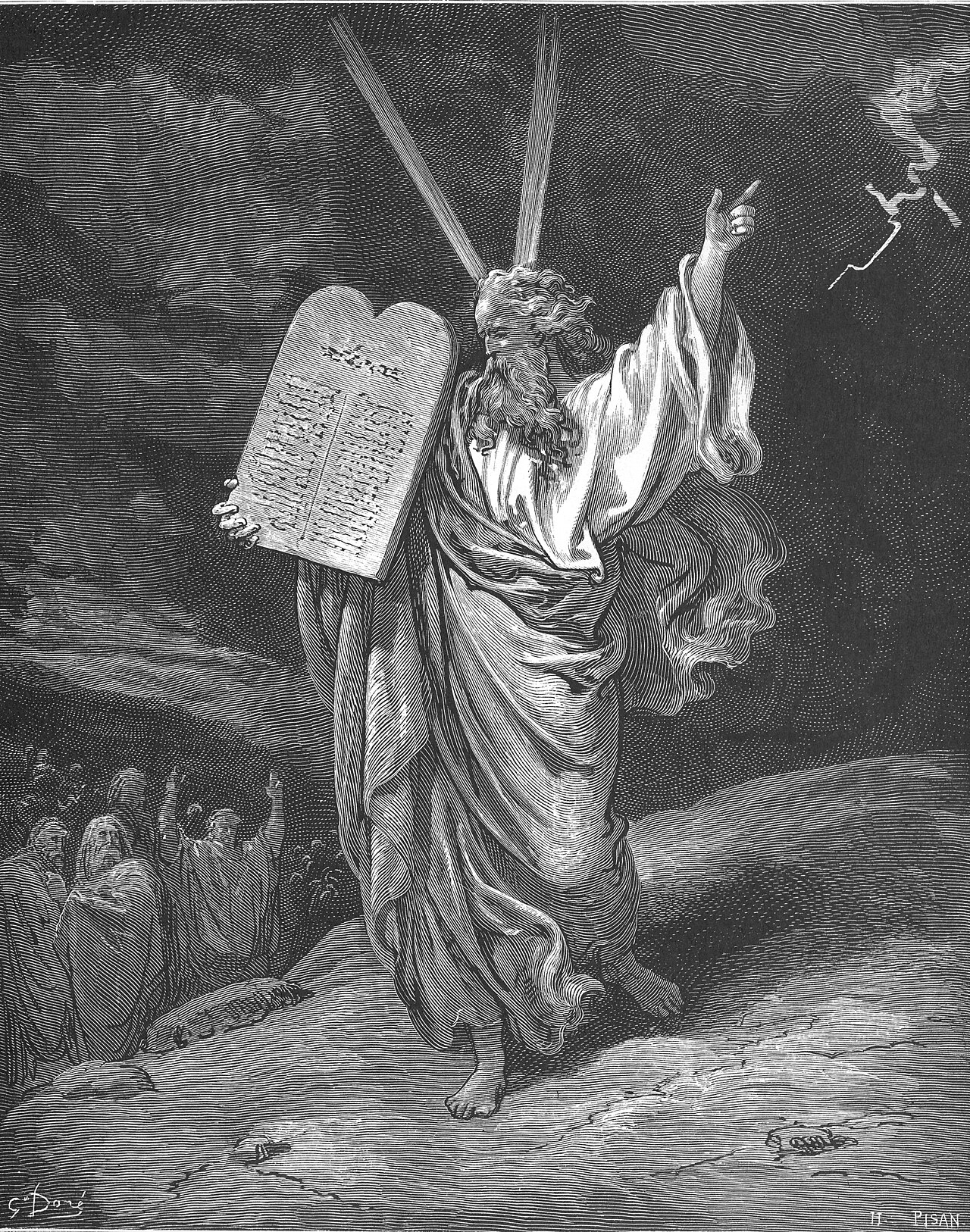
This page draws on Adam Clarke, Commentary on the Bible; Bonaventure, Disputed Questions on Evangelical Perfection, Question 2; Jamieson, Fausset & Brown, Commentary Critical and Explanatory on the Whole Bible; John Gill, Exposition of the Old Testament (1748-1763) and Matthew Henry, Commentary on the Whole Bible.