

Matthew 5 · Value 7 of 41 · Featured Study
Meekness
Meekness in Scripture is the gentleness that bears wrong without retaliation and leaves vindication to God.
Jesus gave His third beatitude in three Greek words that the Greek Bible had already used in Psalm 37: the meek, will inherit, the earth.
Blessed are the meek, for they will inherit the earth.
- Anchor text
- Matthew 5:5 “Blessed are the meek, for they will…”
- Its opposite
- Wrath, the harsh word and the untamed tongue
- Hold in memory
- Matthew 5:5
Summary
Meekness is the temper of a person who holds the power to answer a wrong with force and answers it with gentleness instead. Scripture grounds it in the LORD, who guides and sustains the humble. The apostles ask the same gentleness of every believer, in the church and before the world.
- Jesus called Himself gentle and humble in heart and told the weary to learn from Him.
- The Hebrew anav and the Greek praus join lowliness before God with gentleness toward people, and the Greek Bible renders the one by the other.
- Its practice is the gentle answer, the slow temper, the patience that leaves vengeance to God and the bridled tongue.
- Paul names gentleness in the fruit of the Spirit and asks it toward the fallen, the opponent and the questioner.
What Meekness Is
Four words of Hebrew and Greek carry what Scripture means by meekness and gentleness.
What is meekness in the Bible, where does it come from, and how is it lived? The answer is drawn from the text in order. It opens with the four Hebrew and Greek words for meekness, the key texts and the books that use the words. It gives the commands to be gentle, the ground of meekness in the LORD, and the meekness of Christ the King. It names the people and the stories that show meekness, the wrath that stands against it, and the church's witnesses and teachers. Five studies take each part further, and four questions close it.
Anav, meek
22 uses in the canon
The Hebrew adjective anav (H6035) means low in mind or in circumstance. A psalm sings, “He adorns the afflicted with salvation.”
Praus, gentle
4 uses in the canon
The Greek adjective of the beatitude means mild or gentle. Peter praises “the unfading beauty of a gentle and quiet spirit, which is precious in God’s sight.”
Prautes, gentleness
8 uses in the canon
The Greek noun prautes (G4236) is the gentleness Paul tells believers to put on: “clothe yourselves with hearts of compassion, kindness, humility, gentleness, and patience.”
Epieikes, gentle and fair
5 uses in the canon
The Greek adjective epieikes (G1933) means fitting, fair and moderate, the gentleness that yields what it could demand: “Let your gentleness be apparent to all.”
Anav, meek, Praus, gentle, Prautes, gentleness, Epieikes, gentle and fair, The Words Anav and Praus, the study in brief
The Key Texts, from David to the Letters
The Psalms, the Prophets and the Letters promise and command meekness, and its Hebrew and Greek words stand in 43 verses of 20 books from Numbers to 1 Peter, 13 of them in the Psalms.
Wisdom
But the meek will inherit the land and delight in abundant prosperity.
The psalm names the meek in the middle of its counsel to the one who envies the wicked.
Psalm 37:11BSB
Wisdom
A gentle answer turns away wrath, but a harsh word stirs up anger.
The proverb names the choice of words that decides whether a quarrel grows or ends.
Prophets
A bruised reed He will not break and a smoldering wick He will not extinguish; He will faithfully bring forth justice.
The verse is the Old Testament's picture of a strength that spares the weak.
Isaiah 42:3BSB
Prophets
He was oppressed and afflicted, yet He did not open His mouth. He was led like a lamb to the slaughter, and as a sheep before her shearers is silent, so He did not open His mouth.
The prophet foretells the Servant's silence under oppression.
Isaiah 53:7BSB
Acts and Epistles
But the fruit of the Spirit is love, joy, peace, patience, kindness, goodness, faithfulness, gentleness, and self-control. Against such things there is no law.
Paul counts gentleness among the fruit the Spirit grows, so meekness is a work of God in the believer before it is a duty.
Acts and Epistles
Now by the mildness and gentleness of Christ, I appeal to you—I, Paul, who am humble when face to face with you, but bold when away.
Paul appeals to the church by Christ's own mildness and gentleness.
Acts and Epistles
But in your hearts sanctify Christ as Lord. Always be prepared to give a defense to everyone who asks you the reason for the hope that is in you. But respond with gentleness and respect,
Peter asks believers to answer every questioner with gentleness and respect.
1 Peter 3:15BSB
Proverbs 15:1, Isaiah 42:3, Isaiah 53:7, Galatians 5:22 to 23, 2 Corinthians 10:1, 1 Peter 3:15
Where Scripture Commands Meekness
The psalmist, Jesus and the apostles command meekness toward enemies, toward the fallen and toward opponents.
The first command comes in Psalm 37 to the one tempted to burn with anger at the wicked: "Refrain from anger and abandon wrath" (Psalm 37:8).
The apostles carry the command into the life of the church (2 Timothy 2:25). Paul asks every believer "to malign no one, and to be peaceable and gentle, showing full consideration to everyone" (Titus 3:2).
The Berean text renders the same Greek noun gentleness in Galatians, Ephesians and Colossians and humility in Titus 3:2 and in two verses of James. A reader who searches the English for the word meek finds few of these commands, and the Greek and Hebrew words above gather them.
with all humility and gentleness, with patience, bearing with one another in love,Paul sets gentleness among the marks of a walk worthy of the calling.
My beloved brothers, understand this: Everyone should be quick to listen, slow to speak, and slow to anger, for man’s anger does not bring about the righteousness that God desires.James addresses the believer in a quarrel with the order of listening, speaking and anger.
Blessed Are the Meek, the study in brief, 2 paragraphs, Ephesians 4:2, James 1:19 to 20
Meekness Rests on the LORD Who Lifts the Humble
The psalms show the LORD guiding and sustaining the humble, and a royal psalm gives Israel's king a mild bearing.
The psalms ground meekness in the LORD Himself. "He guides the humble in what is right and teaches them His way" (Psalm 25:9), and "The LORD sustains the humble, but casts the wicked to the ground" (Psalm 147:6). Both verses use anav, the word Psalm 37 uses for the meek who will inherit the land.
The royal psalm calls the king to ride forth "on behalf of truth and humility and justice" (Psalm 45:4), and its Hebrew noun anvah is the word the lexicon glosses as royal mildness.
Christ, the Meek King
Matthew shows Jesus as the gentle King of Zechariah and the quiet Servant of Isaiah, and His arrest shows the power He left unused.
When He rode into Jerusalem, Matthew quoted Zechariah 9:9 in the Greek form that calls the King praus, gentle, where the Hebrew has ani, the poor and afflicted (Matthew 21:5).
Matthew also reads Him in the song of the Servant: "He will not quarrel or cry out; no one will hear His voice in the streets" (Matthew 12:19).
His gentleness stood beside power He chose to leave unused. At His arrest He told the disciple who drew a sword, "Put your sword back in its place" (Matthew 26:52). He said that His Father would at once send "more than twelve legions of angels" at His call (Matthew 26:53). Peter makes that restraint under abuse the pattern for believers (1 Peter 2:23).
But Jesus gave no answer, not even to a single charge, much to the governor’s amazement.Matthew records the silence before the governor that the prophet foretold.
The Entry into Jerusalem, the study in brief, a paragraph, The Gentleness of Christ, the study in brief, Matthew 27:14
Who Showed Meekness
Three men of the Bible show meekness: Moses under his family's reproach, Stephen under the stones and Paul under slander.
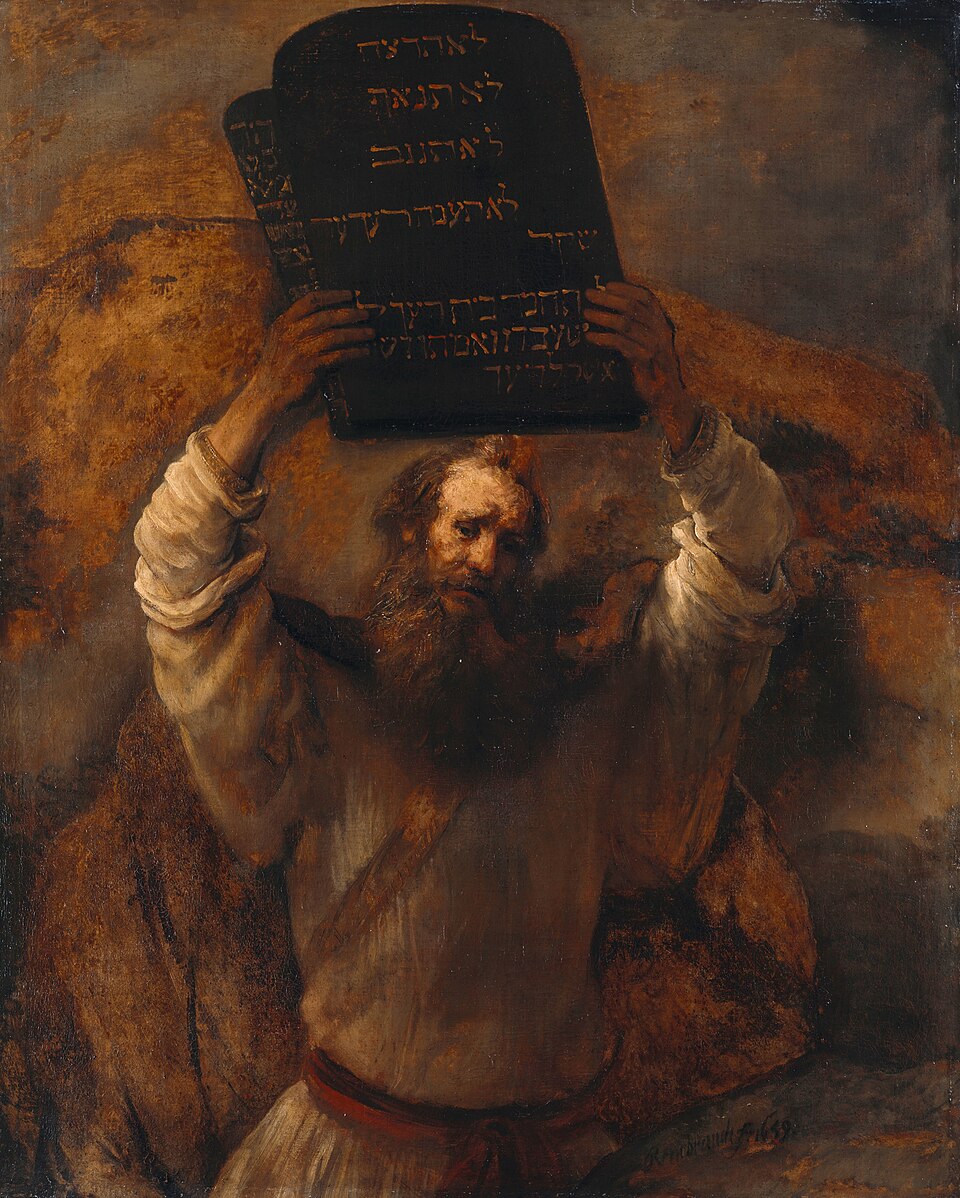
When his brother and sister spoke against him, Numbers says, “Now Moses was a very humble man, more so than any man on the face of the earth.”
Numbers 12:3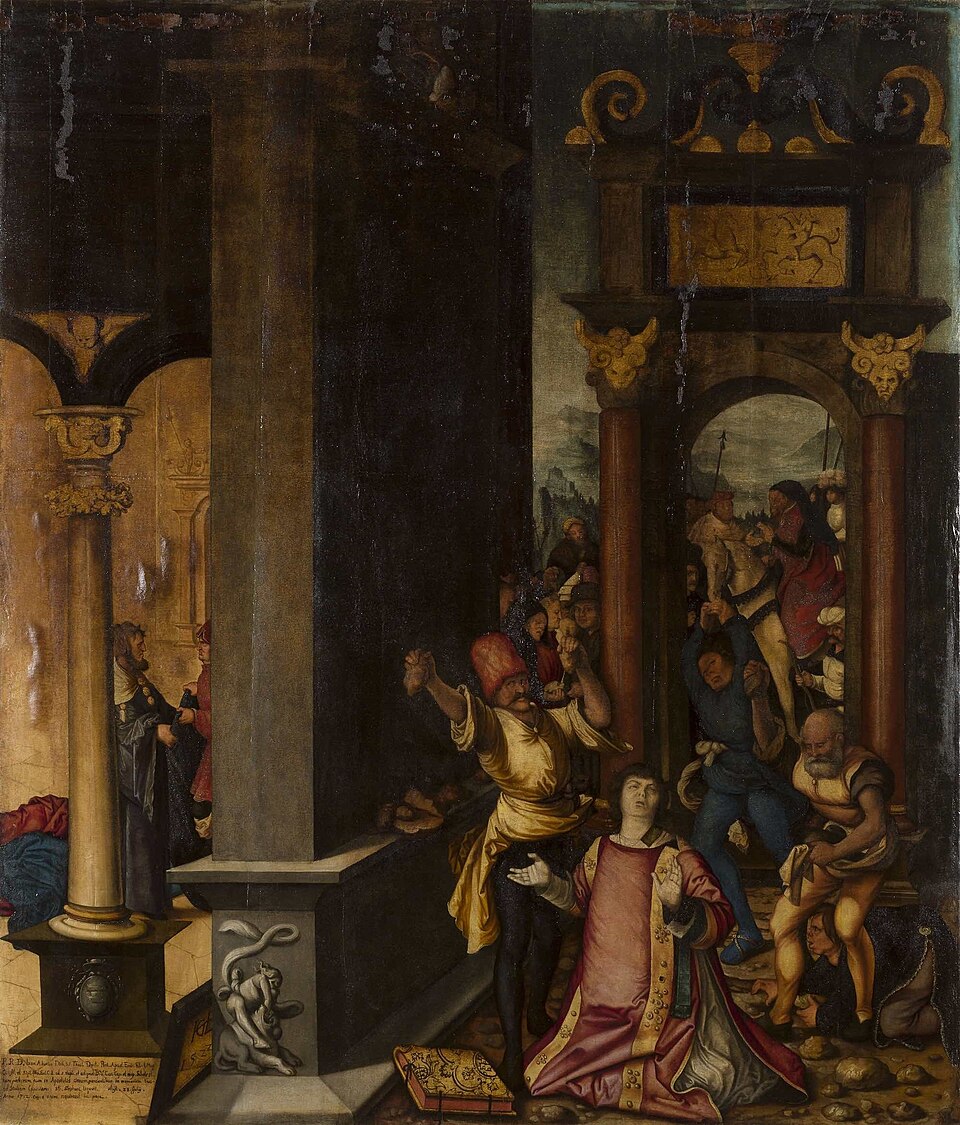

He wrote of the apostles, “When we are vilified, we bless; when we are persecuted, we endure it; when we are slandered, we answer gently.”
1 Corinthians 4:12 to 13
The Practice of Meekness
Scripture names eight practices of meekness, each with the verse that gives it.
- 1Give the gentle answer“Through patience a ruler can be persuaded, and a gentle tongue can break a bone.”Proverbs 25:15
- 2Be slow to anger“He who is slow to anger is better than a warrior, and he who controls his temper is greater than one who captures a city.”Proverbs 16:32
- 3Leave vengeance to God“Be still before the LORD and wait patiently for Him; do not fret when men prosper in their ways, when they carry out wicked schemes.”Psalm 37:7
- 4Restore the fallen gently“Brothers, if someone is caught in a trespass, you who are spiritual should restore him with a spirit of gentleness.”Galatians 6:1
- 5Refuse to quarrel“And a servant of the Lord must not be quarrelsome, but must be kind to everyone, able to teach, and forbearing.”2 Timothy 2:24
- 6Bear with and forgive“Bear with one another and forgive any complaint you may have against someone else.”Colossians 3:13
- 7Receive the word humbly“Therefore, get rid of all moral filth and every expression of evil, and humbly accept the word planted in you, which can save your souls.”James 1:21
- 8Bridle the tongue“If anyone considers himself religious and yet does not bridle his tongue, he deceives his heart and his religion is worthless.”James 1:26
Be slow to anger, Leave vengeance to God, Restore the fallen gently, Refuse to quarrel, Bear with and forgive, Receive the word humbly, Bridle the tongue
What Stands Against Meekness
Wrath that will not wait for God stands against meekness in Scripture, in the harsh word, the vented temper and the call for fire.
Proverbs sets the hot-tempered man who stirs up strife against the one who is slow to anger and calms dispute (Proverbs 15:18). Long before, Jacob's last words over two of his sons had cursed their anger (Genesis 49:7): "Cursed be their anger, for it is strong, and their wrath, for it is cruel!"
The opposite of meekness in these texts is wrath that takes the wrong into its own hands and will not wait for God to judge.
A fool vents all his anger, but a wise man holds it back.The proverb marks the unrestrained temper as folly.
but no man can tame the tongue. It is a restless evil, full of deadly poison.James names the speech no one can master as the opposite of gentle wisdom.
When the disciples James and John saw this, they asked, “Lord, do You want us to call down fire from heaven to consume them?” But Jesus turned and rebuked them.The two brothers' call for fire is the wrath Jesus rebuked in His own disciples.
Proverbs 29:11, James 3:8, Luke 9:54 to 55
Meekness in the Stories of the Bible
Three stories tell of a wife who turned back an angry warrior, a man who spared his king twice, and a king who let a man curse him.
Abigail turns David back1 Samuel 25
Nabal of Maon answered David's messengers with insults, and David told four hundred men to strap on their swords (1 Samuel 25:10 to 13). Nabal's wife Abigail rode out to meet him with food, fell at his feet and took the blame on herself. She told him that the LORD had held him back from avenging himself with his own hand. David turned back and sent her home in peace (1 Samuel 25:35).
Read the study of Abigail's answer 7 sections, 16 verses set out
David spares Saul1 Samuel 24 and 26
Saul hunted David in the wilderness and went into a cave where David and his men were hiding. David cut off a corner of Saul's robe, and then his conscience was stricken, and he restrained his men (1 Samuel 24:4 to 7). A second time he stood over Saul asleep in his camp and stopped Abishai's spear, leaving Saul's end to the LORD (1 Samuel 26:9 to 11).
Read the page on Saul 14 sections, 25 verses set out
David and Shimei2 Samuel 16
When David fled from his son Absalom, Shimei of the house of Saul followed him along a ridge, cursing him and throwing stones. Abishai asked leave to cut off his head, and David refused and said the LORD might repay him with good for the cursing (2 Samuel 16:11 to 12). On his return David swore that Shimei would not die (2 Samuel 19:23).
Read the page on David 14 sections, 34 verses set out
David spares Saul (1 Samuel 24 and 26), David and Shimei (2 Samuel 16)
Meekness in the Church's History
Three accounts tell of a bishop who fed his captors, a bishop who asked an angry emperor for thirty days, and a preacher who calmed a mob.
Polycarp of Smyrnathe second century
The church of Smyrna wrote that the men sent to arrest its bishop Polycarp came at supper-time "as if going out against a robber". He could have escaped and refused. Then "he ordered that something to eat and drink should be set before them, as much indeed as they cared for", and he asked them for an hour to pray (Martyrdom of Polycarp, chapter 7). The account is his own church's letter.
Ambrose and Theodosius390
Theodoret's Church History tells that the emperor Theodosius, angered by a riot at Thessalonica, "did not even check its onset by the curb of reason", and that "It is said that seven thousand perished" (book 5, chapter 17). Ambrose of Milan barred him from the church, and when he sought pardon Ambrose asked for a law that sentences of death wait thirty days. Theodoret writes that the emperor ordered it.
John Wesley1743
On 20 October 1743 a mob surrounded the house at Wednesbury where Wesley was staying and cried for the minister. He asked for their captain to be brought in, and his journal says, "After a few sentences interchanged between us, the lion became a lamb." He then went out among the crowd, called for a chair and asked what any of them wanted with him (Journal, 20 October 1743).
Ambrose and Theodosius (390), John Wesley (1743)
Voices on Meekness, by Century
Five quotations from the second century to the nineteenth, each from a work in the public domain, each under the line it teaches.
died 100 · Didache
The Didache, Chapter 3
The quotation1 quotation
“But be thou meek, since the meek shall inherit the earth. Be long-suffering and pitiful and guileless and gentle and good and always trembling at the words which thou hast heard. Thou shalt not exalt thyself, nor give over-confidence to thy soul. Thy soul shall not be joined with lofty ones, but with just and lowly ones shall it have its intercourse. The workings that befall thee receive as good, knowing that apart from God nothing cometh to pass.”
Didache · The Didache, Chapter 3 · on Psalm 37:11Patristic
died 220 · Tertullian
Of Patience
The quotation1 quotation
“Who, without patience, is tolerant of such unhappinesses? And so to such, ‘consolation’ and ‘laughter’ are promised. ‘Blessed are the gentle: ‘ under this term, surely, the impatient cannot possibly be classed.”
Tertullian · Of Patience · on Matthew 5:5Patristic
1662 to 1714 · Matthew Henry
Commentary on the Whole Bible
The quotation1 quotation
“When Christ would appear in his glory, it is in his meekness, not in his majesty. (1.) His temper is very mild. He comes not in wrath to take vengeance, but in mercy to work salvation.”
Matthew Henry · Commentary on the Whole Bible · on Matthew 21:4 to 5Puritan
1697 to 1771 · John Gill
Exposition of the Old Testament (1748-1763)
The quotation1 quotation
“A soft answer turneth away wrath,.... Mild words, gentle expressions, delivered with kindness and tenderness, humility and submission; these will work upon a man's passions, weaken his resentments, and break and scatter the storm of wrath raised in his breast, just breaking forth in a very boisterous and blustering manner; so high winds are sometimes laid by soft showers.”
John Gill · Exposition of the Old Testament (1748-1763) · on Proverbs 15:1Reformed
1834 to 1892 · Charles Spurgeon
The Treasury of David, Vol. 2
The quotation1 quotation
“But the meek shall inherit the earth. Above all others they shall enjoy life. Even if they suffer, their consolations shall overtop their tribulations. By inheriting the land is meant obtaining covenant privileges and the salvation of God. Such as are truly humble shall take their lot with the rest of the heirs of grace, to whom all good things come by a sacred birthright. And shall delight themselves in the abundance of peace. Peace they love and peace they shall have. If they find not abundance of gold, abundance of peace will serve their turn far better.”
Charles Spurgeon · The Treasury of David, Vol. 2 · on Psalm 37:11
Matthew Henry, John Gill, Charles Spurgeon
How Meekness Has Been Taught
Aristotle named meekness before the church, and de Sales, Barnes and Chesterton taught it in the seventeenth, nineteenth and twentieth centuries.
Aristotle called meekness the mean concerning anger1 paragraph
Aristotle wrote, "Meekness is a mean state, having for its object-matter Anger" (Nicomachean Ethics, book 4, chapter 5, translated by D. P. Chase). His meek man is angry "in that manner, and at those things, and for that length of time, which Reason may direct". The church took up the Greek word and gave it a new ground in the God who judges justly.
Francis de Sales set meekness toward people beside humility toward God1 paragraph
Francis de Sales wrote in his Introduction to the Devout Life, "Humility makes our lives acceptable to God, meekness makes us acceptable to men" (part 3, chapter 8). In the same chapter he wrote, "Nothing so stills the elephant when enraged as the sight of a lamb; nor does anything break the force of a cannon ball so well as wool."
Barnes defined meekness as patience under injury1 paragraph
Albert Barnes wrote in his Notes on Matthew 5:5 that "Meekness is patience in the reception of injuries. It is neither meanness nor a surrender of our rights, nor cowardice; but it is the opposite of sudden anger, of malice, of long-harbored vengeance."
Chesterton called the beatitude a bold saying1 paragraph
G. K. Chesterton wrote in The Everlasting Man (1925) that the statement that the meek shall inherit the earth "is very far from being a meek statement". He went on to say that the saying is not meek in the ordinary sense of mild and moderate and inoffensive.
Where the Science Speaks
Two studies of anger and of the tone of a voice agree with the proverb, and each measures far less than the proverb says.
Kjærvik and Bushman (2024) combined 154 studies of 10,189 people and found that calming activities lowered anger and aggression, while activities that raise arousal did not. The authors wrote that the findings do not support venting anger as a way to manage it, which agrees with Scripture's warning against the unrestrained temper.
Paulmann and Weinstein (2023) played recorded teachers' voices to 250 children aged 10 to 16. The children expected less well-being and were less willing to confide when the same words came in a controlling tone. An inviting tone gave no measured gain over a neutral one.
The studies measured breathing, exercise and tones of voice, and they never tested the gentle answer itself. They stand as later and smaller witnesses that agree with Scripture and never as the reason for its command.
Five Studies of Meekness
Each study takes one part of meekness further, grouped by the texts, the stories, the words and the practice.
The texts
2 studies
- Passages and psalms · 5 verses set outBlessed Are the Meek
Jesus promised in the Sermon on the Mount that the meek will inherit the earth, in the words of Psalm 37.
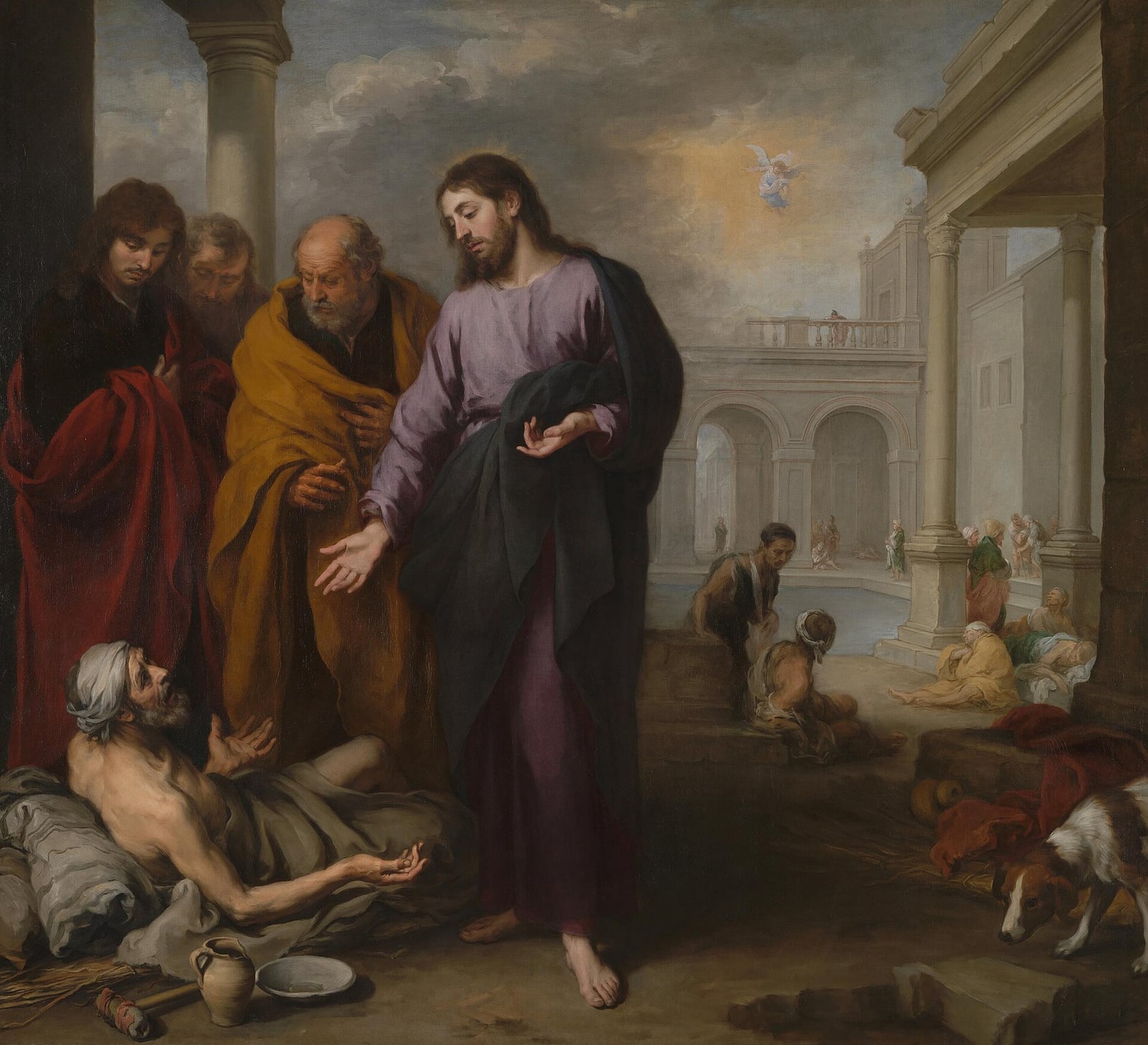
- Passages and psalms · 12 verses set outThe Gentleness of Christ
Matthew 11:28 to 30 records the invitation in which Jesus calls the weary and burdened to take His yoke and learn from Him.
- Passages and psalms · 5 verses set outBlessed Are the Meek
The stories
1 study
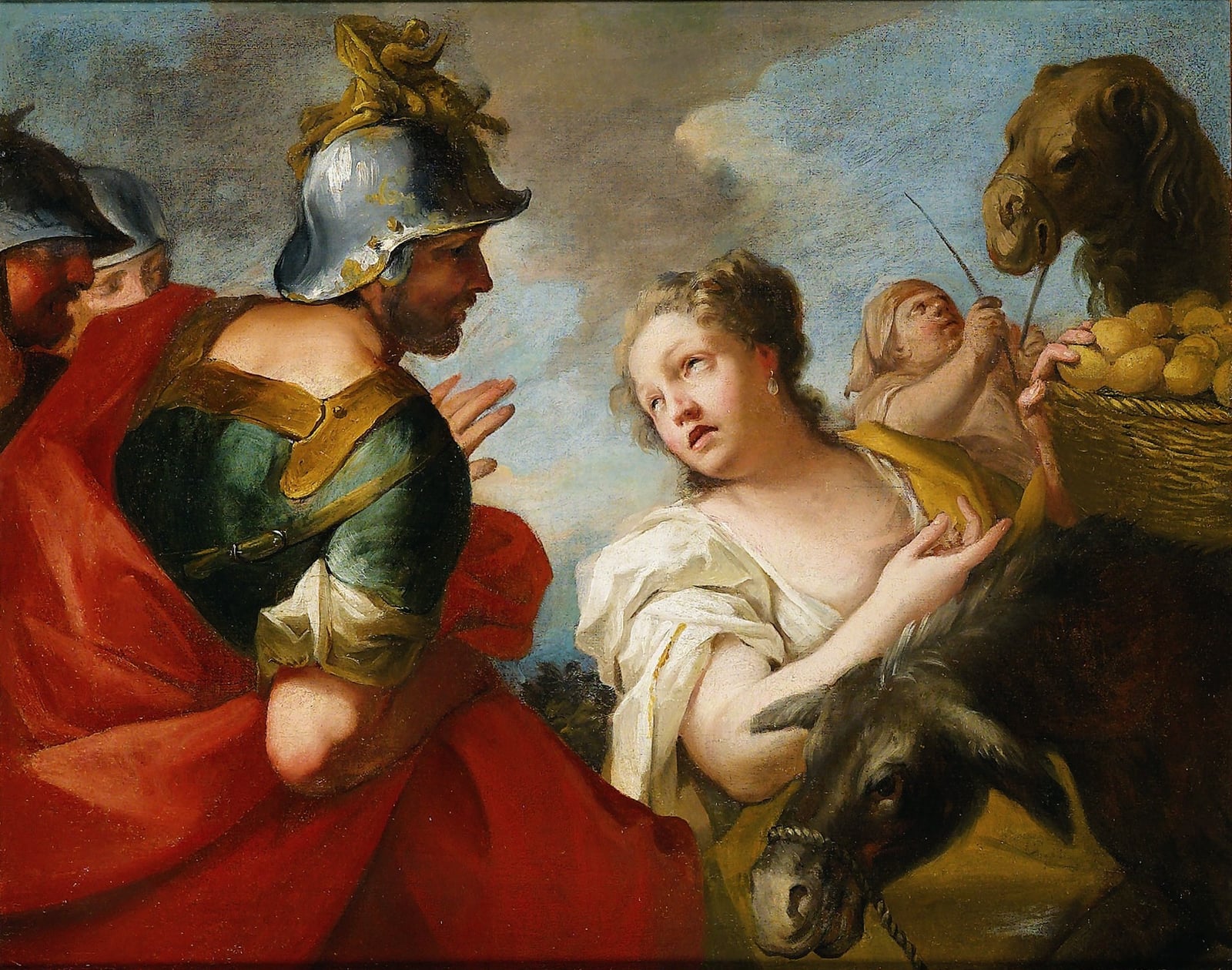
- Passages and psalms · 16 verses set outA Gentle Answer Turns Away Wrath
In 1 Samuel 25 Abigail met David and his armed men on their way to Nabal's house, and her words turned them back.
- Passages and psalms · 16 verses set outA Gentle Answer Turns Away Wrath
The words
1 study
- Symbols and words · 10 verses set outThe Words Anav and Praus
Anav in Hebrew and praus in Greek are the words Psalm 37:11 and Matthew 5:5 use for the meek, and the Septuagint joined them by rendering anav with praus.
- Symbols and words · 10 verses set outThe Words Anav and Praus
The practice
1 study
- Doctrines · 11 verses set outStrength Under Control
James sets the bit that guides a whole horse beside the tongue that no man can tame.
- Doctrines · 11 verses set outStrength Under Control

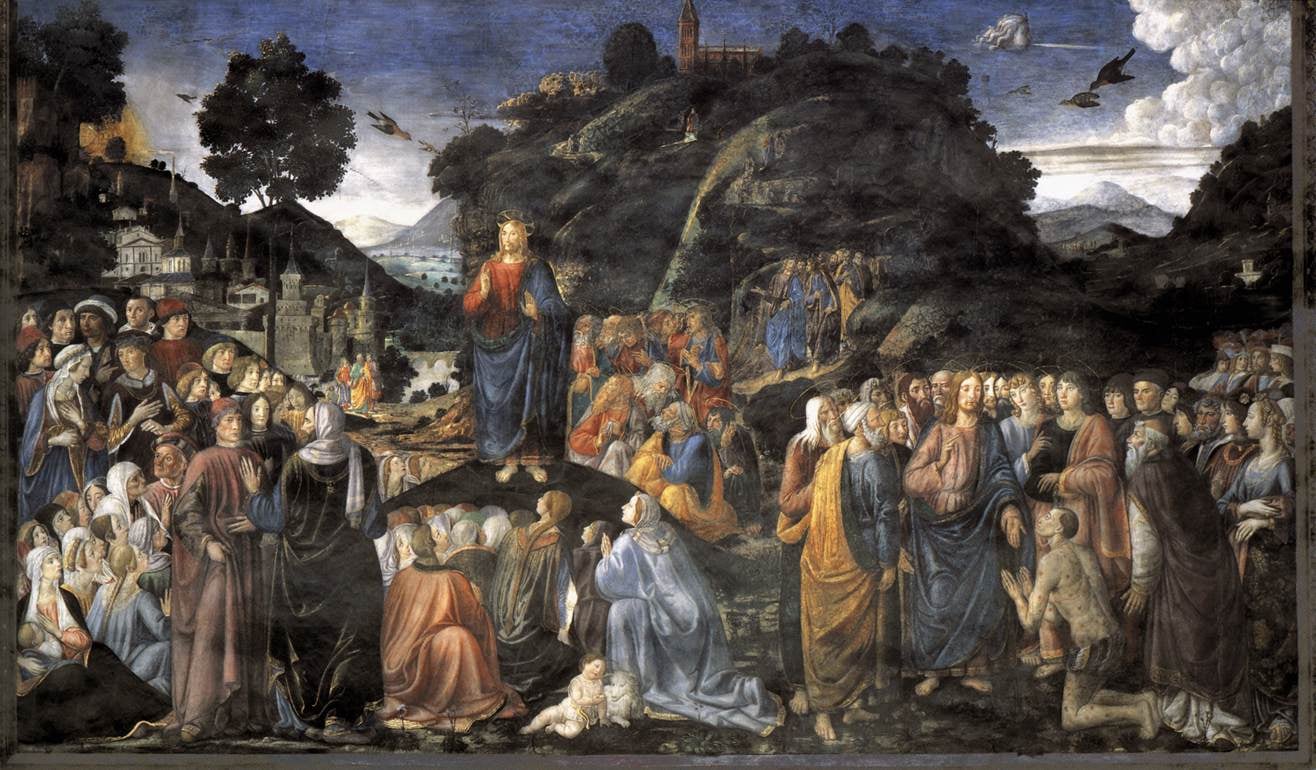
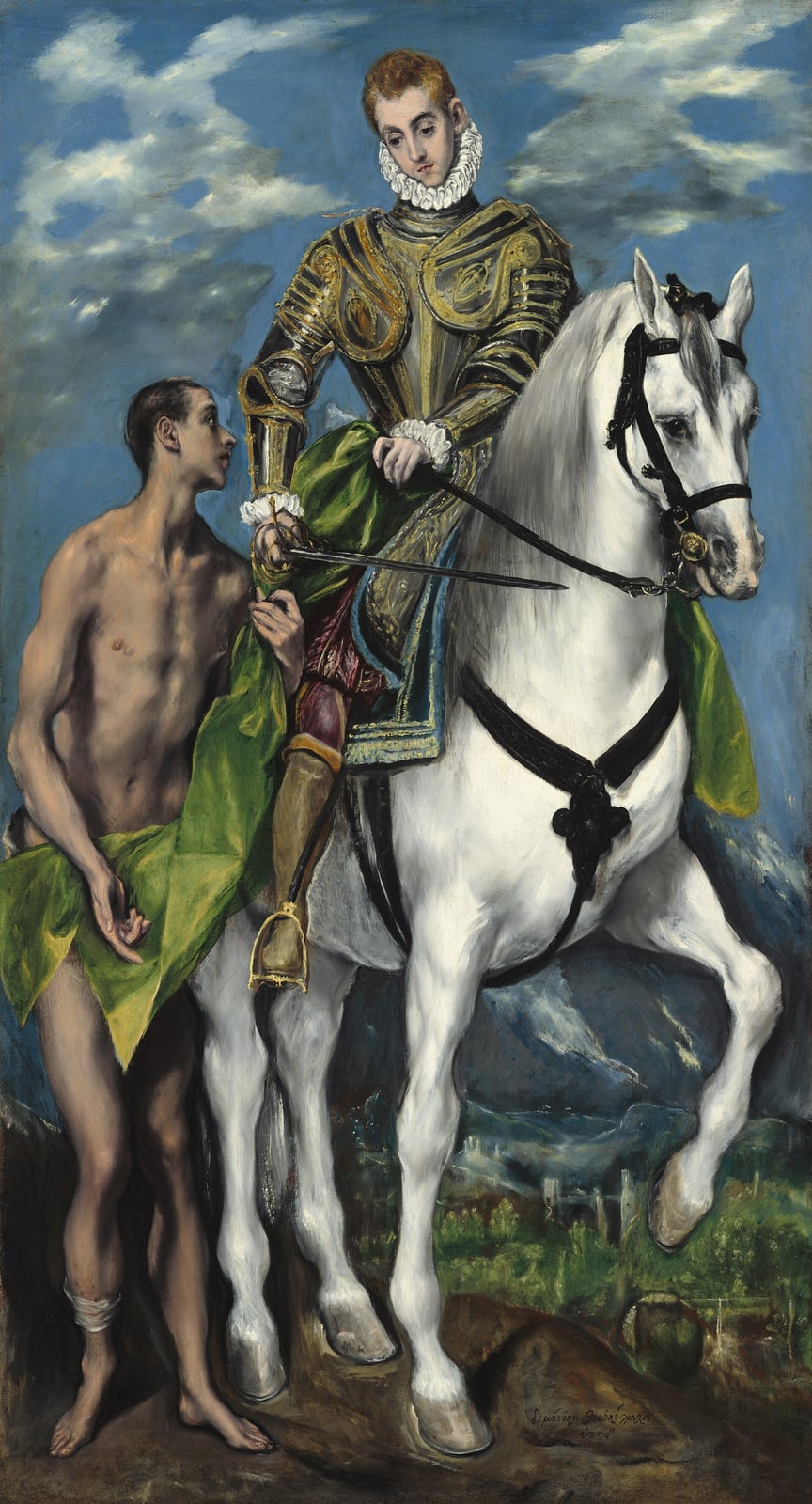
The Gentleness of Christ, A Gentle Answer Turns Away Wrath, The Words Anav and Praus, Strength Under Control
Where Readers Disagree
Seven readings answer four questions, each with its holders, the work that argues it and the objection raised against it.
Readers disagree on four questions. They ask whether meekness is weakness and what earth the meek will inherit. They also ask whether the anavim of the psalms are the afflicted poor or the meek in spirit, and whether a meek person may be angry.
| Reading | Held by | Work | Objection |
|---|---|---|---|
| The praise of meekness is the weak calling their weakness good | Friedrich Nietzsche (Philosophical critic) | Nietzsche, On the Genealogy of Morals (1887), First Essay | The meek of Scripture hold the power to strike back and leave the wrong to God, which the texts count as strength held back. |
| The meek inherit this earth, with spiritual goods beside | John Chrysostom (Patristic) | Chrysostom, Homilies on Matthew, homily 15 | Augustine read the inheritance as the holy Jerusalem of the age to come. |
| The land the meek inherit is the holy Jerusalem | Augustine of Hippo (Patristic) | Augustine, Expositions on the Psalms, Psalm 37 | Psalm 37 says inherit the land five times of the land of Israel, and Chrysostom held that Scripture never speaks of a merely figurative earth. |
| The anavim of Psalm 37 are the afflicted poor, and the land is Judea | Adam Clarke (Methodist) | Clarke, Commentary on the Bible (1832), on Psalm 37:11 | The Greek translators of the psalm rendered the word praeis, the meek, and Matthew took that sense into the beatitude. |
| The meek and the poor are one word, and the two traits are closely allied | Jamieson, Fausset and Brown (Protestant commentators) | Jamieson, Fausset and Brown, Commentary Critical and Explanatory (1871), on Matthew 5:5 | Clarke reads the psalm's anavim as the afflicted captives, with no inward sense in view. |
| The meek man forgives entirely | Theophylact of Ohrid (Byzantine) | Theophylact, Commentary on Galatians, chapter 5 | Barnes notes that Christ insisted on His right when He was struck before the high priest (John 18:23). |
| Meekness may defend a right without sudden anger or long vengeance | Albert Barnes (Presbyterian) | Barnes, Notes on the New Testament, on Matthew 5:5 | Theophylact gives Moses, who forgave Miriam and Aaron, as the mark of a meekness that forgives entirely. |
The meek inherit this earth, with spiritual goods beside, The land the meek inherit is the holy Jerusalem, The anavim of Psalm 37 are the afflicted poor, and the land is Judea, The meek and the poor are one word, and the two traits are closely allied, The meek man forgives entirely, Meekness may defend a right without sudden anger or long vengeance
Sources
Scripture is the Berean Standard Bible.
- STEP Bible, Translators Brief lexicon of Extended Strongs for Hebrew and for Greek (Tyndale House, Cambridge), CC BY 4.0.
- The Septuagint, Psalm 36:11, Numbers 12:3 and Zechariah 9:9, in the Greek text with Brenton's English.
- The Martyrdom of Polycarp, chapter 7, translated by A. Roberts and J. Donaldson.
- Theodoret, Ecclesiastical History, book 5, chapter 17, translated by B. Jackson, 1892.
- John Wesley, Journal, Thursday 20 October 1743, A Mob at Wednesbury.
- Aristotle, Nicomachean Ethics, book 4, chapter 5, translated by D. P. Chase.
- John Chrysostom, Homilies on Matthew, homily 15.
- Augustine of Hippo, Expositions on the Psalms, Psalm 37.
- Theophylact of Ohrid, Commentary on Galatians, chapter 5.
- Francis de Sales, Introduction to the Devout Life, part 3, chapter 8, Gentleness towards others and Remedies against Anger.
- Albert Barnes, Notes on the New Testament, on Matthew 5:5.
- G. K. Chesterton, The Everlasting Man (1925), part 2, chapter 2, The Riddles of the Gospel.
- The Didache, chapter 3.
- Tertullian, Of Patience.
- John Wesley, Explanatory Notes upon the New Testament (1755), on 1 Peter 3:15.
- Matthew Henry, Commentary on the Whole Bible (1710), on Matthew 21:4 to 5.
- John Gill, Exposition of the Old Testament, on Proverbs 15:1.
- John Wesley, Explanatory Notes upon the New Testament (1755), on Matthew 11:29.
- Charles Spurgeon, The Treasury of David, volume 2 (1870), on Psalm 37:11.
- Jamieson, Fausset and Brown, Commentary Critical and Explanatory on the Whole Bible (1871), on Matthew 5:5.
- Adam Clarke, Commentary on the Bible (1832), on Psalm 37:11.
- H. G. Liddell, R. Scott and H. S. Jones, A Greek-English Lexicon, the entry πρᾶος.
- Xenophon, On Horsemanship, chapter 9, translated by H. G. Dakyns.
- M. Mowczko, 'Praus' and Meek Warhorses (2020)
- S. L. Kjærvik and B. J. Bushman, A meta-analytic review of anger management activities that increase or decrease arousal: What fuels or douses rage?, Clinical Psychology Review 109: 102414 (2024)
- S. Paulmann and N. Weinstein, Teachers' motivational prosody: A pre-registered experimental test of children's reactions to tone of voice used by teachers, British Journal of Educational Psychology 93(2): 437 to 452 (2023)
Keep Studying
Studies7
In this value5
People and groups14
Show the next 6 titles
Symbols1
Doctrines6
Values4