
Proverbs 1 · Value 28 of 41 · Featured Study
The Fear of the Lord
The fear of the LORD is the reverent awe of God that the Law, the Prophets, the Writings, Jesus and the apostles all command.
When those who feared the LORD spoke with one another, “a scroll of remembrance was written before Him” (Malachi 3:16).
The fear of the LORD is the beginning of knowledge, but fools despise wisdom and discipline.
- Anchor text
- Proverbs 1:7 “The fear of the…”
- Its opposite
- Contempt for God, and the fool who despises wisdom
- Hold in memory
- Proverbs 1:7, Psalm 130:4
Summary
To fear the LORD is to take God so seriously, as holy and as good, that a person turns from evil and comes close to Him. It is awe that keeps a person from sin and trust that runs to God for mercy. The wise of the Old Testament lived in it, and the church kept it after the cross. The prophet Isaiah foretold a King who would delight in that fear.
- God is feared because He is holy, because He judges, and because He forgives.
- Proverbs and the Psalms call this fear the beginning of knowledge and of wisdom.
- The church's teachers set a servile fear of punishment beside the filial fear of a child who will not grieve his father.
- Its opposite is a life lived as if God were absent.
What the Fear of the LORD Is
Two Hebrew words and two Greek words carry what Scripture means by fearing God.
Scripture tells God's people to fear Him, and in the same books it tells them not to be afraid. The fear it commands is the right response of a creature to the holy God, and the fear it forbids is the fear of men and of the harm they can do. This study of the fear of the Lord asks what that fear is, where it comes from, and how a child of God can fear Him and love Him at once. It gives the words, the key texts, the ground in God, Christ and the value, the people, the practice and the opposite, then the stories, the voices and three questions readers dispute.
Yirah, fear
45 uses in the canon
The Hebrew noun yirah (H3374) names fear itself, and Isaiah calls the fear of the LORD a treasure: “The fear of the LORD is Zion’s treasure.”
Yare, to fear
315 uses in the canon
The Hebrew verb yare (H3372) means to fear, and Moses joins it to walking, loving and serving: “to fear the LORD your God by walking in all His ways, to love Him.”
Phobos, fear
46 uses in the canon
The Greek noun phobos (G5401) can mean terror or reverence, and Paul uses it of a holy life: “perfecting holiness in the fear of God.”
Phobeo, to fear
95 uses in the canon
The Greek verb phobeo (G5399) means to fear, and Peter sets it among a believer's duties: “Love the brotherhood of believers, fear God, honor the king.”
Yirah, fear, Yare, to fear, Phobos, fear, Phobeo, to fear
The Key Texts, from Sinai to Revelation
The Law, the Wisdom books, the prophets, Acts and Revelation name the fear of the LORD as wisdom, as duty and as the life of the church.
Law
“Do not be afraid,” Moses replied. “For God has come to test you, so that the fear of Him may be before you, to keep you from sinning.”
Moses tells Israel at Sinai what the fearful sight of God was meant to do in them.
Exodus 20:20BSB
Wisdom
And He said to man, ‘Behold, the fear of the Lord, that is wisdom, and to turn away from evil is understanding.’”
Job's poem on the search for wisdom ends with God's own word to man about it.
Job 28:28BSB
Wisdom
The fear of the LORD is the beginning of wisdom; all who follow His precepts gain rich understanding. His praise endures forever!
The psalm closes its praise of God's works with a word to all who keep His precepts.
Psalm 111:10BSB
Wisdom
But with You there is forgiveness, so that You may be feared.
The psalm from the depths ties the fear of God to His mercy.
Psalm 130:4BSB
Wisdom
When all has been heard, the conclusion of the matter is this: Fear God and keep His commandments, because this is the whole duty of man.
The Teacher sums up his whole search for meaning in this charge.
Prophets
I will make an everlasting covenant with them: I will never turn away from doing good to them, and I will put My fear in their hearts, so that they will never turn away from Me.
God promises in the everlasting covenant to give His people the fear He asks of them.
Acts and Epistles
Then the church throughout Judea, Galilee, and Samaria experienced a time of peace. It grew in strength and numbers, living in the fear of the Lord and the encouragement of the Holy Spirit.
Luke describes the churches of three regions after Saul was sent away to Tarsus.
Acts 9:31BSB
Revelation
And he said in a loud voice, “Fear God and give Him glory, because the hour of His judgment has come. Worship the One who made the heavens and the earth and the sea and the springs of waters.”
An angel flying overhead proclaims this call to every nation on earth.
Job 28:28, Psalm 111:10, Psalm 130:4, Ecclesiastes 12:13, Jeremiah 32:40, Acts 9:31, Revelation 14:7
The Fear of the LORD Rests on Who God Is
Isaiah, Paul, Peter and the psalms tie the fear of God to His holiness, judgment and mercy.
Through Isaiah the LORD named the one fear His people owe: “The LORD of Hosts is the One you shall regard as holy. Only He should be feared; only He should be dreaded” (Isaiah 8:13).
The apostles tie the same fear to judgment. Paul writes, “since we know what it means to fear the Lord, we try to persuade men” (2 Corinthians 5:11). Peter tells believers who call on “a Father who judges each one’s work impartially” to live “in reverent fear” (1 Peter 1:17).
His mercy belongs to the same ground, and the psalms join this fear to friendship with God.
As a father has compassion on his children, so the LORD has compassion on those who fear Him.The psalm sets the fear of the LORD inside a father's compassion for his children.
The LORD confides in those who fear Him, and reveals His covenant to them.The psalm shows the fear of the LORD drawing a person near to God.
Psalm 103:13, Psalm 25:14
Christ and the Fear of the LORD
Isaiah saw the Spirit of this fear resting on the coming King, Hebrews tells of the Son's reverence, Jesus taught whom to fear, and His rising was met with fear and joy.
The Spirit of the fear of the LORD rests on HimIsaiah 11
Isaiah foretold a shoot from the stump of Jesse, a King on whom the Spirit of the LORD would rest (Isaiah 11:1 to 2). Matthew Henry read the prophecy of Christ and wrote, “Our faith in Christ was never designed to supersede and jostle out, but to increase and support, our fear of the Lord.”
The Spirit of the LORD will rest on Him—the Spirit of wisdom and understanding, the Spirit of counsel and strength, the Spirit of knowledge and fear of the LORD. And He will delight in the fear of the LORD. He will not judge by what His eyes see, and He will not decide by what His ears hear,
Isaiah 11:2 to 3BSB Isaiah sets this fear among the gifts of the Spirit to the coming King of David's line.
He was heard because of His reverenceHebrews 5
The letter to the Hebrews sets this line in its teaching on Christ as the high priest whom God called (Hebrews 5:5 to 6).
During the days of Jesus’ earthly life, He offered up prayers and petitions with loud cries and tears to the One who could save Him from death, and He was heard because of His reverence.
Hebrews 5:7BSB The letter names the posture in which the Son prayed to the Father.
Read the study of reverence in worship 6 sections, 9 verses set out
He taught His friends whom to fearLuke 12
A crowd of many thousands had gathered when Jesus spoke first to His disciples and warned them against the hypocrisy of the Pharisees (Luke 12:1).
I tell you, My friends, do not be afraid of those who kill the body and after that can do no more. But I will show you whom you should fear: Fear the One who, after you have been killed, has authority to throw you into hell. Yes, I tell you, fear Him!
Luke 12:4 to 5BSB Jesus gives His disciples one fear to hold against the fear of those who persecute them.
Read the page on Jesus 33 sections, 35 verses set out
The women ran from His tomb in fear and great joyMatthew 28
At dawn on the first day of the week Mary Magdalene and the other Mary went to see the tomb. An angel told them that Jesus had risen, “just as He said” (Matthew 28:6).
So they hurried away from the tomb in fear and great joy, and ran to tell His disciples.
Matthew 28:8BSB Matthew shows the first witnesses of the resurrection holding awe and gladness together.
Read the story of the Empty Tomb 12 sections, 10 verses set out
He was heard because of His reverence (Hebrews 5), He taught His friends whom to fear (Luke 12), The women ran from His tomb in fear and great joy (Matthew 28)
Luke 12:4 to 5, Matthew 28:8
Who Feared God
Four people of the Bible are remembered by name for their fear of God, in Egypt, in the land of Uz, in a king's palace and in a governor's office.
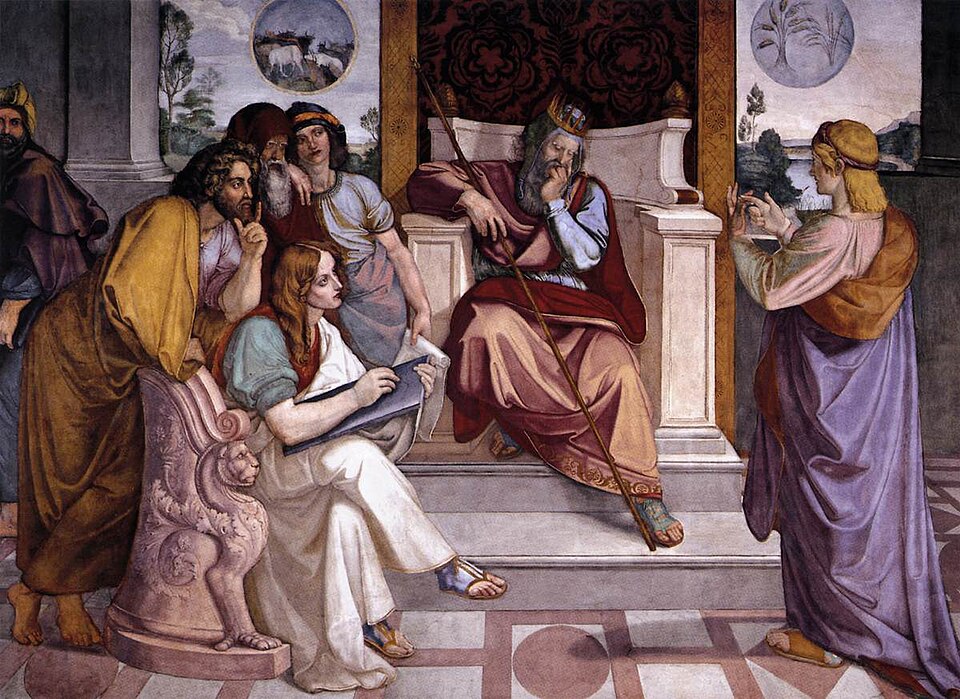
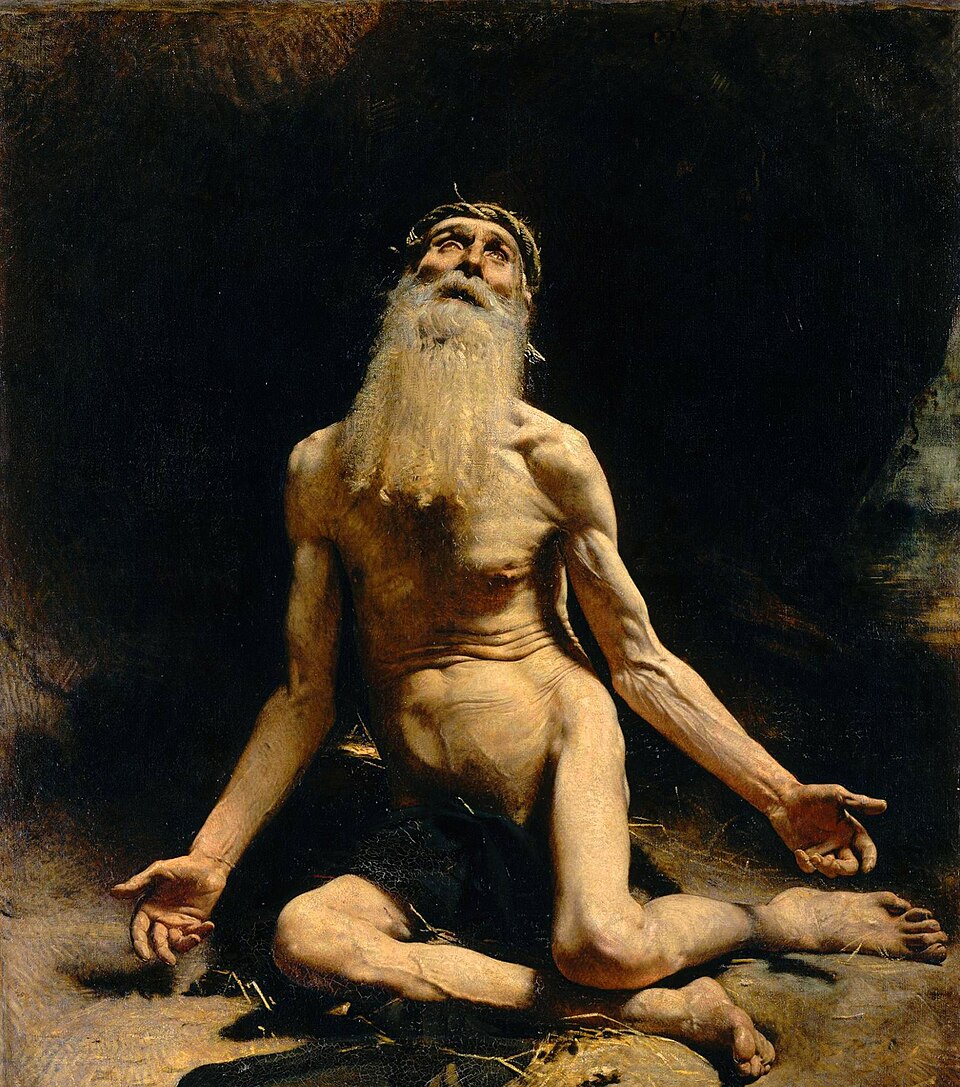
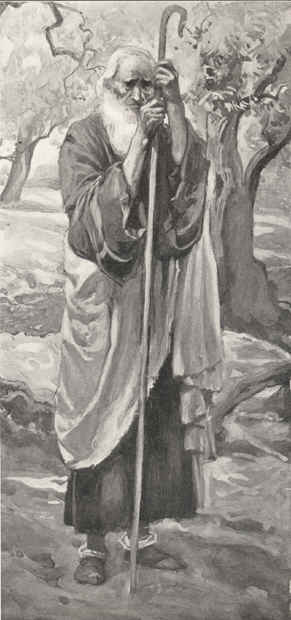
He hid a hundred prophets from Jezebel and told Elijah, “I, your servant, have feared the LORD from my youth.”
1 Kings 18:12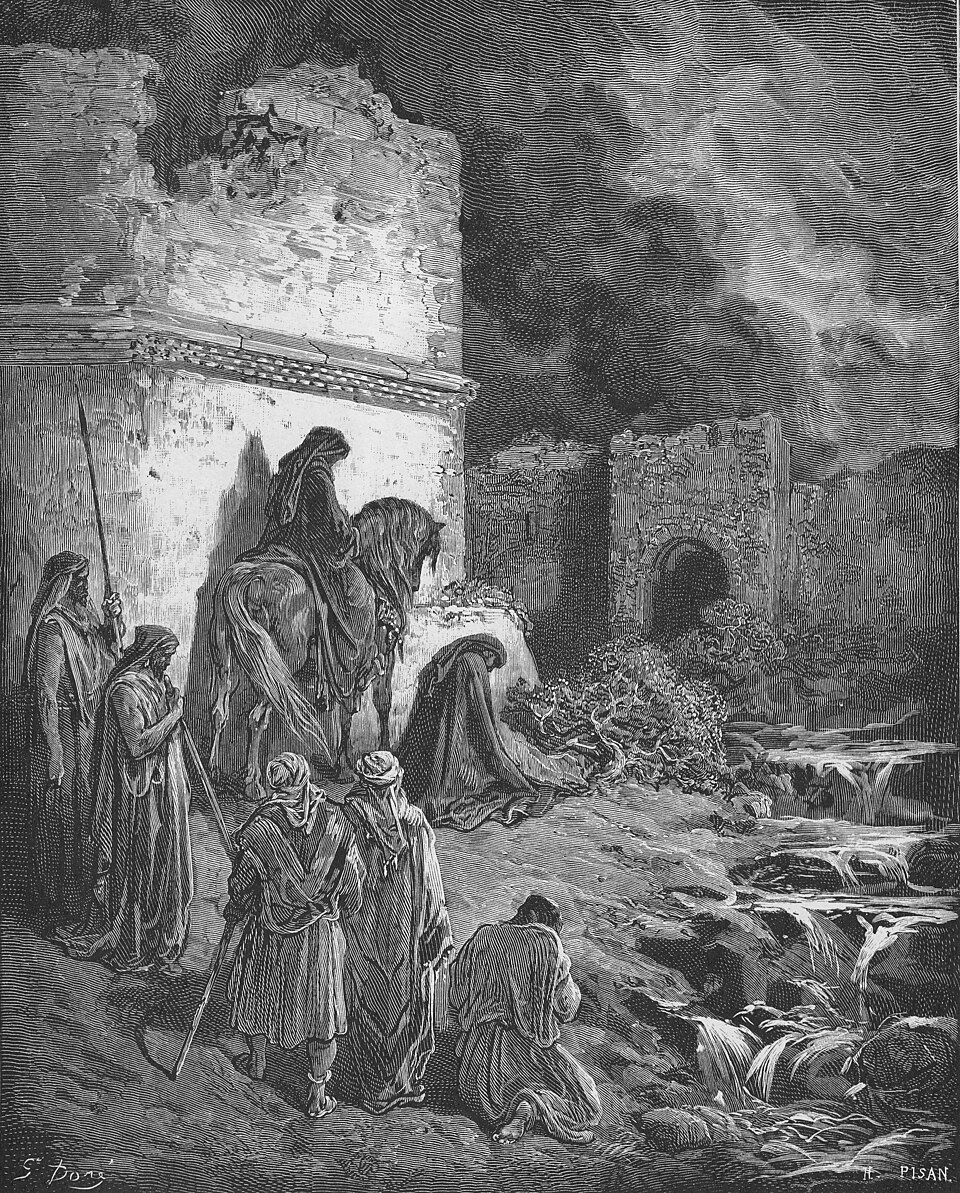
As governor he would not burden the people as the governors before him had, “because of my fear of God.”
Nehemiah 5:15
Obadiah, Nehemiah
The Practice of the Fear of the LORD
Chronicles, Proverbs and Paul's letters tell how this fear is lived, and Proverbs, the Psalms and Luke tell what God gives to those who live it.
Scripture names what the fear of the LORD does in a life and what God promises to those who fear Him.
| Practice | The Berean words | A promise to those who fear Him |
|---|---|---|
| Turn aside from evil | “by the fear of the LORD one turns aside from evil” (Proverbs 16:6) | “The fear of the LORD is a fountain of life, turning a man from the snares of death” (Proverbs 14:27) |
| Judge without partiality | “may the fear of the LORD be upon you. Be careful what you do, for with the LORD our God there is no injustice or partiality or bribery” (2 Chronicles 19:7) | “He who fears the LORD is secure in confidence, and his children shall have a place of refuge” (Proverbs 14:26) |
| Serve with the whole heart | “You must serve faithfully and wholeheartedly in the fear of the LORD” (2 Chronicles 19:9) | “The fear of the LORD leads to life, that one may rest content, without visitation from harm” (Proverbs 19:23) |
| Work with a sincere heart | “with sincerity of heart and fear of the Lord” (Colossians 3:22) | “His mercy extends to those who fear Him, from generation to generation” (Luke 1:50) |
| Keep at it every day | “Do not let your heart envy sinners, but always continue in the fear of the LORD” (Proverbs 23:17) | “so great is His loving devotion for those who fear Him” (Psalm 103:11) |
| Work out your salvation | “continue to work out your salvation with fear and trembling” (Philippians 2:12) | “The rewards of humility and the fear of the LORD are wealth and honor and life” (Proverbs 22:4) |
What Stands Against the Fear of the LORD
Romans and 2 Timothy set the fear of God against a world without it and against the fear that enslaves.
Paul closes his chain of Scripture against the whole race with a line from the Psalms: “There is no fear of God before their eyes” (Romans 3:18).
For you did not receive a spirit of slavery that returns you to fear, but you received the Spirit of sonship, by whom we cry, “Abba! Father!”Paul names the fear from which the Spirit of sonship has set believers free.
For God has not given us a spirit of fear, but of power, love, and self-control.Paul reminds Timothy that the fear which shrinks from duty is no gift of God.
Romans 8:15, 2 Timothy 1:7
The Fear of the LORD in the Stories of the Bible
Four stories tell of a father on Mount Moriah, two midwives in Egypt, a man struck down beside the ark and a couple who lied to the church.
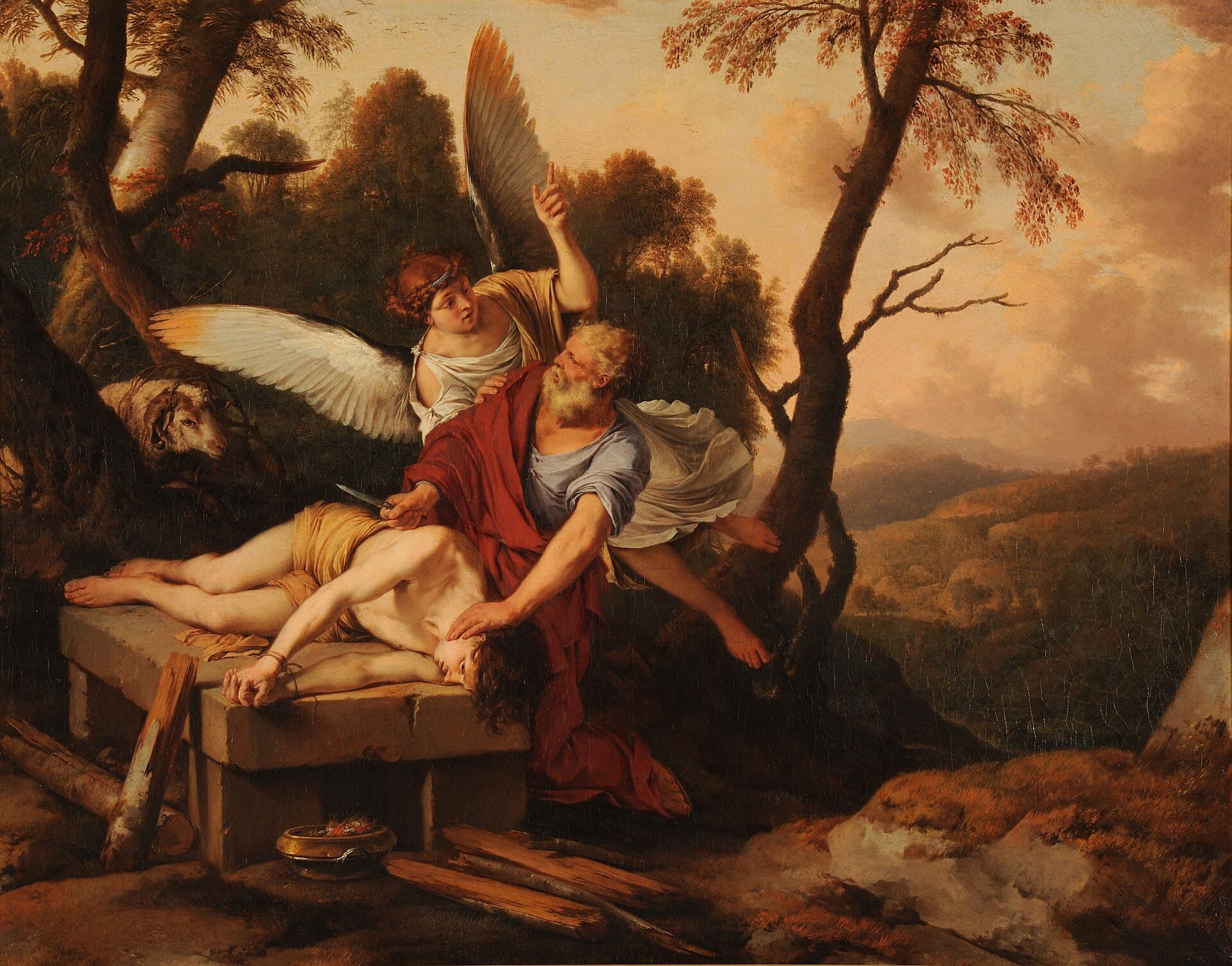
Abraham on Mount MoriahGenesis 22
God tested Abraham. He told him to take Isaac, his only son, to the land of Moriah and offer him there as a burnt offering (Genesis 22:2). Abraham built the altar, bound his son and took the knife. The angel of the LORD called to him from heaven, and Abraham offered a ram “in place of his son” (Genesis 22:13).
“Do not lay a hand on the boy or do anything to him,” said the angel, “for now I know that you fear God, since you have not withheld your only son from me.”
Genesis 22:12BSB This is the first verse in which Scripture says that a man fears God, and it is said of an obedience that held nothing back.
Read the page on Mount Moriah 10 sections, 8 verses set out
The midwives in EgyptExodus 1
The king of Egypt ordered the Hebrew midwives Shiphrah and Puah to kill every Hebrew son at birth (Exodus 1:15 to 16). When he summoned them, they answered that the Hebrew women gave birth “before a midwife arrives” (Exodus 1:19). God was good to the midwives, and “because the midwives feared God, He gave them families of their own” (Exodus 1:21).
The midwives, however, feared God and did not do as the king of Egypt had instructed; they let the boys live.
Exodus 1:17BSB The verse gives the fear of God as the reason two women disobeyed a king.
Read the page on Shiphrah and Puah 12 sections, 13 verses set out
Uzzah and the ark2 Samuel 6
David brought the ark of God from the house of Abinadab on a new cart, with Uzzah and Ahio guiding it (2 Samuel 6:3). When the oxen stumbled, Uzzah took hold of the ark, and “God struck him down on the spot for his irreverence” (2 Samuel 6:7). David then left the ark in the house of Obed-edom for three months (2 Samuel 6:10 to 11).
That day David feared the LORD and asked, “How can the ark of the LORD ever come to me?”
2 Samuel 6:9BSB David's fear after Uzzah's death turns him from bringing the ark home to asking how he can.
Read the page on the Ark of the Covenant 8 sections, 18 verses set out
Ananias and SapphiraActs 5
Ananias and his wife Sapphira sold a piece of property, kept back part of the price and laid the rest at the apostles' feet (Acts 5:1 to 2). Peter told Ananias that he had lied “to God” and not to men (Acts 5:4), and Ananias fell down and died. About three hours later Sapphira told the same lie and died at Peter's feet (Acts 5:7 to 10).
And great fear came over the whole church and all who heard about these events.
Acts 5:11BSB Luke records what the judgment did to the church and to everyone who heard of it.
The midwives in Egypt (Exodus 1), Uzzah and the ark (2 Samuel 6), Ananias and Sapphira (Acts 5)
2 Samuel 6:9, Acts 5:11
The Fear of the LORD in the Church's History
Three accounts tell of a bishop who feared the fire of judgment, a manual that taught parents the fear of God, and a letter from Rome to a divided church.
Polycarp of SmyrnaMartyrdom of Polycarp 11
The Martyrdom of Polycarp, the letter of the church at Smyrna (chapter 11, translated by Alexander Roberts and James Donaldson, 1885), tells how the proconsul threatened the old bishop with fire. Polycarp answered, “You threaten me with fire which burns for an hour, and after a little is extinguished”. He told the proconsul that he was “ignorant of the fire of the coming judgment and of eternal punishment, reserved for the ungodly.”
Read the story of Polycarp: Eighty-Six Years 8 sections, 3 verses set out
The Didachethe early church
The Didache is a manual of Christian teaching, translated by M. B. Riddle in the Ante-Nicene Fathers (volume 7, 1886). Its fourth chapter sets the fear of God in the home. It tells parents that “from their youth” they “shall teach them the fear of God.” It warns masters against bitterness toward their servants, “lest ever they shall fear not God who is over both.”
The church of Rome writes to Corinth1 Clement 28
The First Epistle of Clement is the letter of the church of Rome to the church of Corinth, in John Keith's translation of 1896. It answers a revolt in Corinth and calls the divided church to submit to its presbyters. Its twenty-eighth chapter asks the church to fear God, “so that, through His mercy, we may be protected from the judgments to come.”
The Didache (the early church), The church of Rome writes to Corinth (1 Clement 28)
Voices on the Fear of the LORD, by Century
Four quotations from the second century to the nineteenth, each under the line it teaches.
died 160 · Shepherd of Hermas
Shepherd of Hermas, Commandment 12
A second-century reading: the devil's threats are powerless, and the one to fear is God, who can save and destroy.
The quotation1 quotation
“But as to the threats of the devil, fear them not at all, for he is powerless as the sinews of a dead man are powerless. Give ear to me, then, and fear Him who has all power, both to save and destroy, and keep His commandments, and ye will live to God.”
Shepherd of Hermas · Shepherd of Hermas, Commandment 12 · on Luke 12:5Patristic
died 397 · Ambrose of Milan
On the Duties of the Clergy 1.1
A fourth-century reading: in naming the fear of the Lord, the psalmist named the chief mark of reverence for God.
The quotation1 quotation
“I think I shall not seem to be taking too much on myself, if, in the midst of my children, I yield to my desire to teach, seeing that the master of humility himself has said, ‘Come, you children, listen to me: I will teach you the fear of the Lord.’ Therein one may observe both the humility and the grace of his reverence for God. For in saying ‘the fear of the Lord,’ which seems to be common to all, he has described the chief mark of reverence for God.”
Ambrose of Milan · On the Duties of the Clergy 1.1 · on Psalm 111:10Patristic
died 420 · Jerome
Homily 56, on Psalm 146
A fifth-century reading: one fear of God casts out the many fears of men.
The quotation1 quotation
“The Lord is well pleased with those who fear him. One fear casts out many fears. Is it not better to fear one, that you may not fear many, than to fear many, that you may not fear one? And with those who hope in his mercy. They hope not in their own works, but in the mercy of the judge. Praise the Lord, for a psalm is good; for in those who hope in his mercy is salvation alone. To whom is glory forever and ever. Amen.”
Jerome · Homily 56, on Psalm 146 · on Psalm 147:11Patristic
1834 to 1892 · Charles Spurgeon
The Treasury of David, Vol. 2
A nineteenth-century reading: the saints are to fear God and fear nothing else.
The quotation1 quotation
“O fear the Lord, ye his saints. Pay to him humble childlike reverence, walk in his laws, have respect to his will, tremble to offend him, hasten to serve him. Fear not the wrath of men, neither be tempted to sin through the virulence of their threats; fear God and fear nothing else. For there is no want to them that fear him. Jehovah will not allow his faithful servants to starve. He may not give luxuries, but the promise binds him to supply necessaries, and he will not run back from his word.”
Charles Spurgeon · The Treasury of David, Vol. 2 · on Psalm 34:9
Jerome, Charles Spurgeon
How the Fear of the LORD Has Been Taught
Thomas Aquinas in the thirteenth century and John Gill in the eighteenth set out the kinds of fear.
Aquinas taught that the fear of punishment is servile and the fear of offending God is the fear of a son.1 paragraph
Thomas Aquinas asked in the Summa Theologiae (second part of the second part, question 19, English Dominican translation, 1920) how the fear of God is divided. He answered in article 2 that “if a man turn to God and adhere to Him, through fear of punishment, it will be servile fear”. He went on, “if it be on account of fear of committing a fault, it will be filial fear, for it becomes a child to fear offending its father.”
John Gill taught that the disciples are to fear God with the fear of sons.1 paragraph
John Gill, in his Exposition of the New Testament (1746 to 1748), wrote on Luke 12:5 that Jesus directs His disciples “to the proper object of fear and reverence”. He wrote that they are to fear God “not with a servile, but with a filial fear.”
The Studies of the Fear of the LORD
Each study takes one part of the fear of the LORD into more depth.
The texts
1 study
- Passages and psalms · 7 verses set outThe Beginning of Wisdom
Proverbs 1:7 and Proverbs 9:10 are the two verses in which Proverbs calls the fear of the LORD a beginning.
- Passages and psalms · 7 verses set outThe Beginning of Wisdom
The stories
2 studies
- Places · 8 verses set outMount Moriah
On the third day of his walk, Abraham saw far off the place God had chosen for the offering.
- People · 13 verses set outShiphrah and Puah, the Hebrew Midwives
Exodus 1:15 to 21 tells how two midwives refused the king of Egypt's order and how God was good to them.
- Places · 8 verses set outMount Moriah
The words
1 study
- Symbols and words · 11 verses set outThe Words Yirah and Phobos
Hebrew speaks of fear with the verb yare and the noun yirah, and Greek with the verb phobeo and the noun phobos.
- Symbols and words · 11 verses set outThe Words Yirah and Phobos
The practice
1 study
- Doctrines · 9 verses set outReverence in Worship
Scripture calls God's people to worship Him with reverence and awe, from bowed knees to a contrite spirit.
- Doctrines · 9 verses set outReverence in Worship
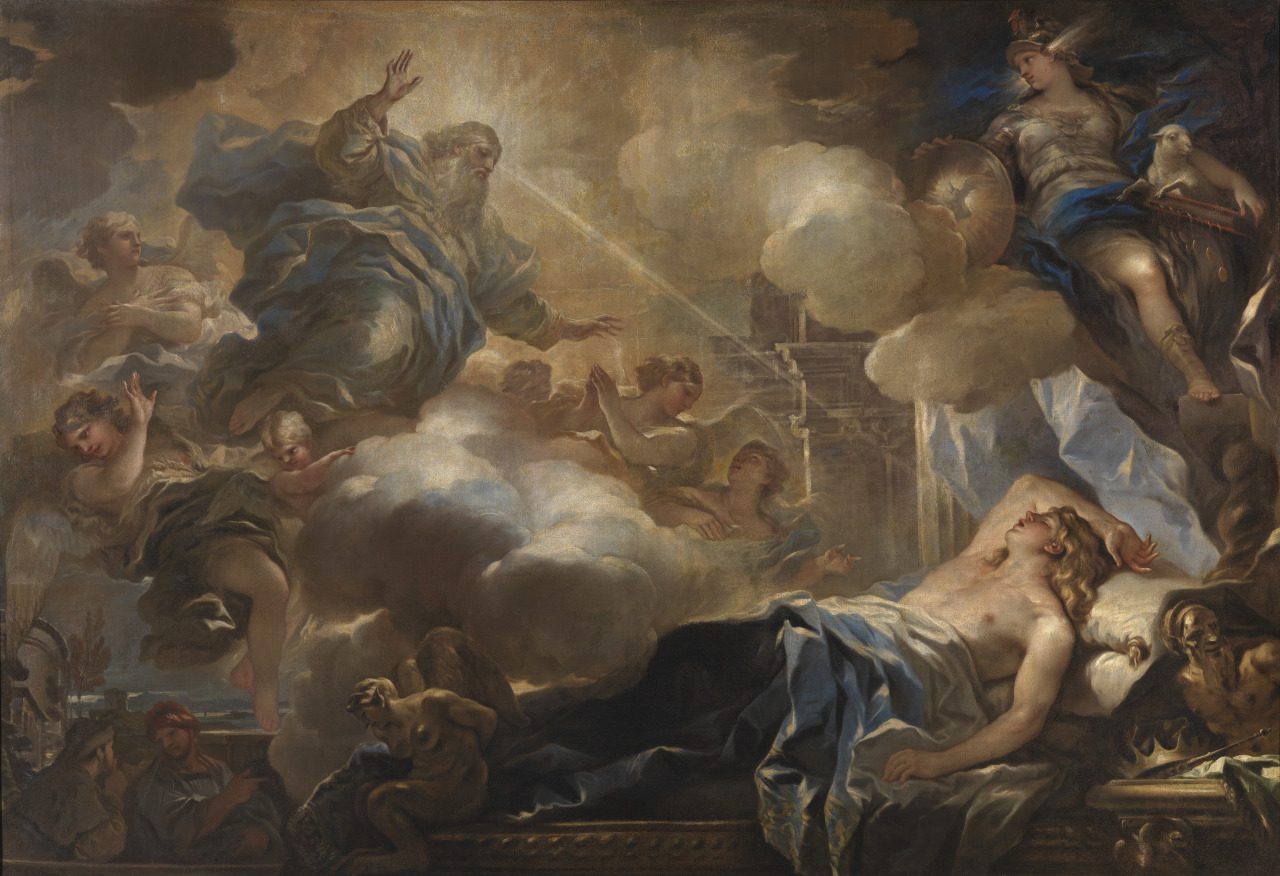

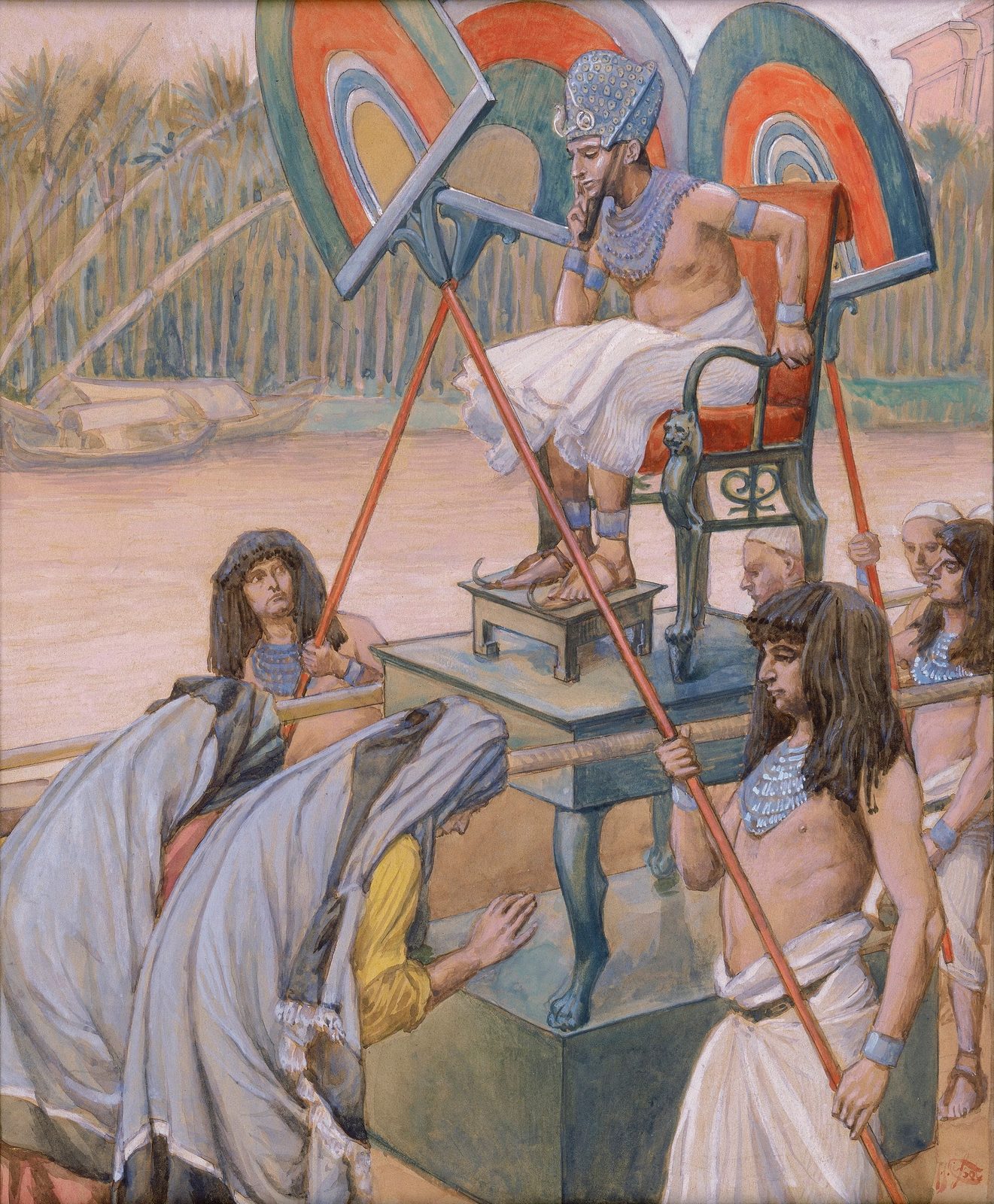
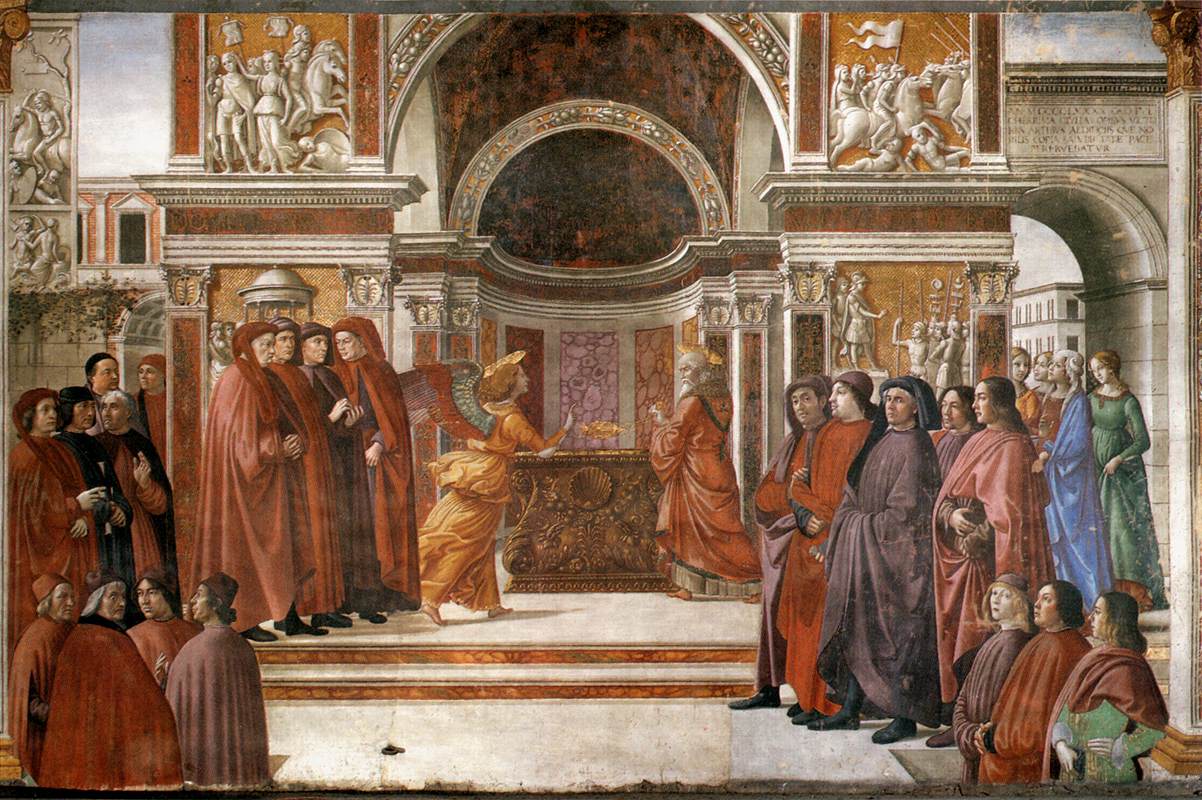
Mount Moriah, Shiphrah and Puah, the Hebrew Midwives, The Words Yirah and Phobos, Reverence in Worship
Where Readers Disagree
Six readings answer three questions, each with its holders, the work that argues it and the objection raised against it.
Dread of punishment or a child's reverence
Read the study of reverence in worship 6 sections, 9 verses set out
| Reading | Held by | Work | Objection |
|---|---|---|---|
| There are two fears, and a servile fear of punishment gives way to a filial fear that remains | Augustine of Hippo; Bede; Thomas Aquinas (Patristic and medieval) | Augustine, Ten Homilies on the First Epistle of John, homily 9; Bede, Commentary on Proverbs, on Proverbs 1:7; Aquinas, Summa Theologiae II-II, question 19, article 2 | Scripture gives the commands to fear God's judgment to disciples, so dread does not belong only to beginners. |
| It is one reverence that a creature owes his Creator, and love deepens it | Adam Clarke; Albert Barnes (Methodist and Presbyterian commentary) | Clarke, Commentary on the Bible, on Proverbs 1:7; Barnes, Notes on the Old Testament, on Proverbs 1:7 | The same Scriptures that speak of reverence also warn of God's judgment, so a reverence without dread leaves part of the teaching out. |
Whether 1 John 4:18 ends the fear of God for the believer
Read the study of the words yirah and phobos 7 sections, 11 verses set out
| Reading | Held by | Work | Objection |
|---|---|---|---|
| Love casts out the fear of punishment, and a chaste fear of God remains | Augustine of Hippo; Bede (Patristic) | Augustine, Ten Homilies on the First Epistle of John, homily 9; Bede, Commentary on the Catholic Epistles, on 1 John 4:18 | John sets love against fear without naming two kinds of fear. |
| A son's fear grows as love grows and is made perfect in heaven | Thomas Aquinas (Medieval scholastic) | Aquinas, Summa Theologiae II-II, question 19, articles 10 and 11 | John speaks of one fear and gives it no second kind that grows. |
The first step of wisdom or its chief part
Read the study of the beginning of wisdom 8 sections, 7 verses set out
| Reading | Held by | Work | Objection |
|---|---|---|---|
| It is the foundation where wisdom begins its work | Thomas Aquinas (Medieval scholastic) | Aquinas, Summa Theologiae II-II, question 19, article 7 | A beginning can be first in rank as well as first in time. |
| It is the head and chief part of wisdom | Matthew Henry; Charles Spurgeon (Puritan and Reformed Baptist commentary) | Henry, Commentary on the Whole Bible (1710), on Proverbs 1:7; Spurgeon, The Treasury of David, volume 5 (1878), on Psalm 111:10 | A beginning can mark where a thing starts without making it the chief part. |
Sources
Scripture is the Berean Standard Bible.
- STEP Bible, Translators Brief lexicon of Extended Strongs for Hebrew and for Greek (Tyndale House, Cambridge), CC BY 4.0, with the Greek brief lexicon based on Abbott-Smith (1922).
- The Martyrdom of Polycarp, chapter 11, translated by Alexander Roberts and James Donaldson, Ante-Nicene Fathers, volume 1 (Buffalo, 1885).
- The Didache, chapter 4, translated by M. B. Riddle, Ante-Nicene Fathers, volume 7 (Buffalo, 1886).
- The First Epistle of Clement to the Corinthians, chapters 1, 28 and 57, translated by John Keith, Ante-Nicene Fathers, volume 9 (Buffalo, 1896).
- The Shepherd of Hermas, Commandment 12.
- Augustine of Hippo, Ten Homilies on the First Epistle of John, homily 9.
- Jerome, Homilies on the Psalms, homily 56, on Psalm 146.
- Ambrose of Milan, On the Duties of the Clergy, book 1, chapter 1.
- Bede, Commentary on Proverbs, on Proverbs 1:7.
- Bede, Commentary on the Catholic Epistles, on 1 John 4:18.
- Thomas Aquinas, Summa Theologiae, second part of the second part, question 19, articles 2, 7, 10 and 11, translated by the Fathers of the English Dominican Province (1920).
- Matthew Henry, Commentary on the Whole Bible (1710), on Isaiah 11:2 and Proverbs 1:7.
- John Gill, Exposition of the New Testament (1746 to 1748), on Luke 12:5.
- Adam Clarke, Commentary on the Bible, on Proverbs 1:7.
- Albert Barnes, Notes, Explanatory and Practical, on the Old and New Testaments (1832 to 1869), on Proverbs 1:7.
- Charles Spurgeon, The Treasury of David, volume 2 (1870), on Psalm 34:9, and volume 5 (1878), on Psalm 111:10.
Keep Studying
Studies4
In this value5
People and groups26
Show the next 6 titles
Show the next 6 titles
Symbols1