
Matthew 6:30 and 2 Corinthians 11:28 · Debate · Anxiety
When Anxiety Is an Illness
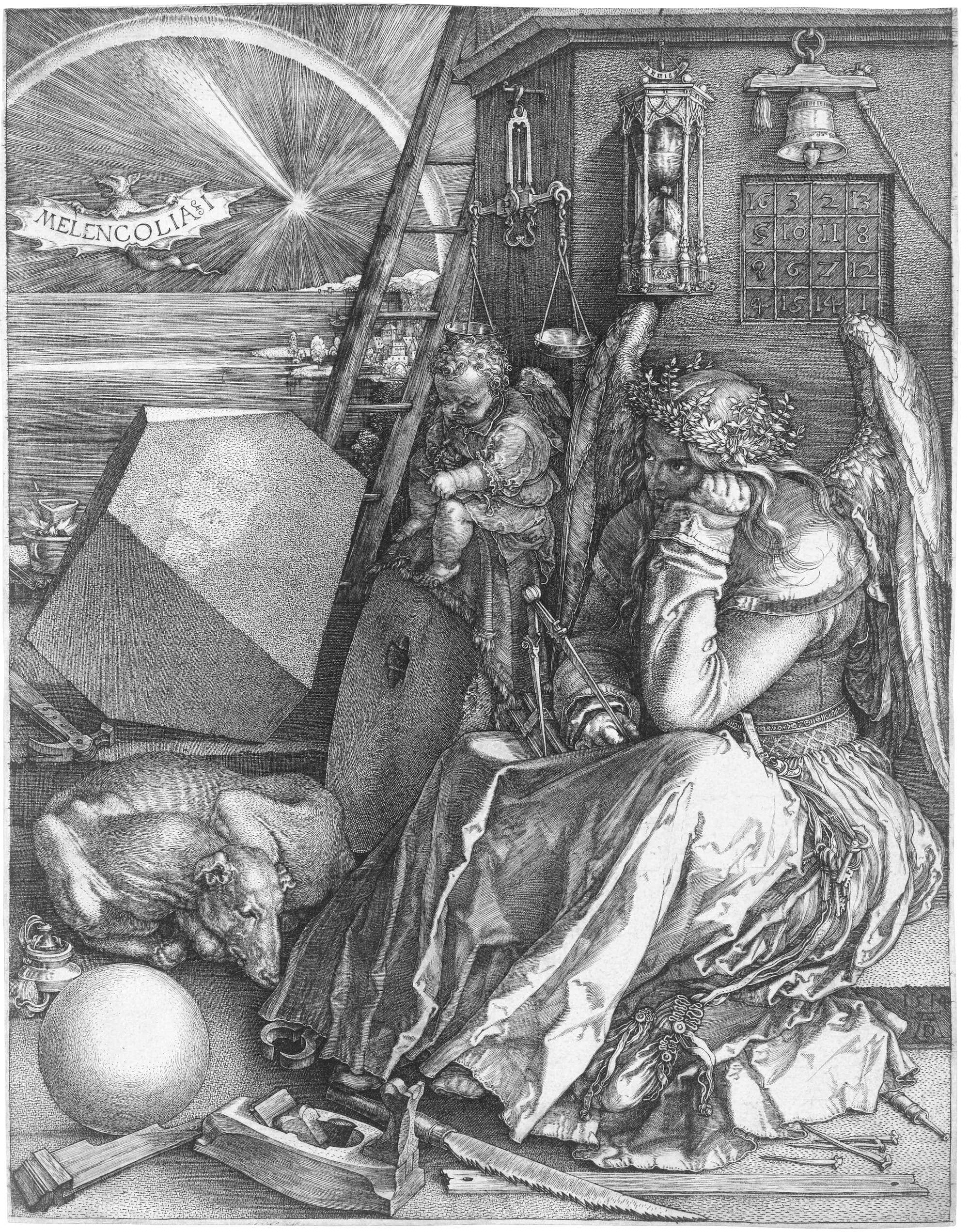
The older English name for deep and lasting fear and sorrow of mind was melancholy.
Richard Baxter told the families of the melancholy that if other means failed they must not neglect physick, the medicine of his day.
If that is how God clothes the grass of the field, which is here today and tomorrow is thrown into the furnace, will He not much more clothe you, O you of little faith?
- The question
- Is anxiety a sin of distrust, a trial to be borne, or a sickness to be treated?
Summary
Christian teachers disagree over what anxiety is and what an anxious believer needs. Scripture forbids worry and yet records saints who carried heavy care, and each answer must explain both. All three answers send the sufferer to God in prayer, and they part over what else he needs. Each answer was given by pastors for the people in their care.
- The reading of worry as distrust rests on Jesus' rebuke of anxious disciples in Matthew 6, and nineteenth-century commentators held it.
- English Puritan pastors set out the reading of melancholy as a disease of the body.
- Methodist and Baptist preachers taught that a believer may carry heaviness of spirit without losing faith.
The Texts Every Reading Weighs
Four passages, from the Sermon on the Mount to the Psalter, carry the weight of the question.
Anxious believers ask whether their fear is itself a sin. The question is one of the hardest in the trial of anxiety, because the answer shapes how a sufferer is counselled and how he judges himself.
This study sets out the texts every answer weighs, the three answers with the teachers who held them, and the anxious and troubled figures of Scripture, from Paul to Elijah. It then gives the history of the question, what every answer shares and the objection each answer faces.
Therefore do not worry, saying, ‘What shall we eat?’ or ‘What shall we drink?’ or ‘What shall we wear?’ For the Gentiles strive after all these things, and your heavenly Father knows that you need them.Jesus grounds His command in what the Father already knows His children need, and every reading starts from that ground.
Be anxious for nothing, but in everything, by prayer and petition, with thanksgiving, present your requests to God.Paul gives the command its practice in prayer and thanks, and every reading keeps this verse as its remedy.
So instead, you ought to forgive and comfort him, so that he will not be overwhelmed by excessive sorrow.Baxter took this verse as the text of his sermon on melancholy, since it warns that sorrow can grow so great that it overwhelms a believer.
Why are you downcast, O my soul? Why the unease within me? Put your hope in God, for I will yet praise Him for the salvation of His presence.Baxter set this verse on the title page of his work, because the psalmist speaks to his own downcast soul and still hopes in God.
2 Corinthians 2:7, Psalm 42:5
Three Readings of Anxiety
The three readings call anxiety distrust, a trial or a disease.
The three readings part over where the trouble comes from, and so over what the sufferer needs.
| The question | Worry as distrust | Heaviness as a trial | Melancholy as a disease |
|---|---|---|---|
| What is the trouble? | Anxious care for food and clothing, the worry Matthew 6 forbids. | Heaviness of soul under trials, which Wesley sets apart from darkness of mind. | A disorder of the spirits that serve the mind, which Baxter likens to a sprained foot. |
| Where does it come from? | From a heart that does not rest on the Father's care. | From the trials of 1 Peter 1:6, illness among them. | Usually from a disorder of the blood with diseases of the stomach, spleen or liver. |
| What does the sufferer need? | Faith in the Father, who feeds the birds and clothes the grass. | Patient hope and quiet waiting, and the comfort that Christ is still exalted. | Faith and physick together, with an experienced physician. |
| What does Matthew 6:30 say to him? | It rebukes the little faith that worry shows. | It rebukes little faith, which Wesley sets apart from the heaviness that stands with living hope. | It speaks to the will where reason still has power, and Baxter holds that disease lessens the fault. |
Each Reading Stated
Each reading rests on its own account of where anxiety comes from and what God asks of the anxious.
Worry as distrust of the FatherAdam Clarke, Jamieson, Fausset & Brown
Adam Clarke, in his Commentary on the Bible, read Matthew 6:30 as Christ's answer to the distrust of the poor about the necessities of life. He wrote, "All our inquietudes and distrusts proceed from lack of faith: that supplies all wants."
Jamieson, Fausset & Brown called the rebuke "His way of gently chiding the spirit of unbelief, so natural even to the best".
Heaviness as a trial God permitsJohn Wesley, Charles Spurgeon
John Wesley, in his sermon Heaviness through Manifold Temptations, on 1 Peter 1:6, set two states apart. "Darkness is one thing; heaviness is another," he wrote. Heaviness is sorrow of soul under trials, and he held it "consistent with living hope". Among the manifold temptations he ranked "all bodily disorders", and he wrote that heaviness bears hardest on those weakened by some disorder, "especially of the nervous kind".
Charles Spurgeon gave his students the lecture The Minister's Fainting Fits, printed in Lectures to My Students. "Fits of depression come over the most of us," he told them, and he spoke as one "knowing by most painful experience what deep depression of spirit means". He held that such weakness may even be "imposed upon him by divine wisdom as necessary qualifications for his peculiar course of service".
Spurgeon told the students of the "horror of great darkness" that fell on him after the deadly panic at the Surrey Music Hall.
Melancholy as a disease of the bodyRichard Baxter, Timothy Rogers
Richard Baxter's sermon Preservatives against Melancholy and Overmuch Sorrow carries the subtitle the Cure of Both by Faith and Physick. He judged that the thoughts and fears melancholy causes have "much more of Bodily Disease, than of Sin". They are no more sin, he wrote, "than to burn or be thirsty in a Fever".
His counsel named a physician skilled in the disease who had cured many others, and it gave safe and cheap remedies for the poor who could not pay one.
Timothy Rogers wrote A Discourse Concerning Trouble of Mind, and the Disease of Melancholy out of troubles he had passed through himself. Its second edition, of 1706, prints letters from other ministers on the same subject, among them letters dated 1691.
Anxious and Troubled Saints in Scripture
Four figures of Scripture show anxiety, distress or despair in the people of God.
Paul's daily concern for the churches2 Corinthians 11:28
Apart from these external trials, I face daily the pressure of my concern for all the churches.Paul sets this care beside the dangers and hardships he lists before it, as a weight he carried every day.
Epaphroditus sick nearly to deathPhilippians 2:25 to 30
He was sick indeed, nearly unto death. But God had mercy on him, and not only on him but also on me, to spare me sorrow upon sorrow. Therefore I am all the more eager to send him, so that when you see him again you may rejoice, and I may be less anxious.Paul writes of his own anxiety over a sick friend in the letter that forbids anxiety, so every reading must hold the two together.
Christ deeply troubled in GethsemaneMark 14:33 to 34
He took with Him Peter, James, and John, and began to be deeply troubled and distressed. Then He said to them, “My soul is consumed with sorrow to the point of death. Stay here and keep watch.”Every reading must account for this distress in the One whom Hebrews calls without sin.
For we do not have a high priest who is unable to sympathize with our weaknesses, but we have one who was tempted in every way that we are, yet was without sin.The letter joins Christ's sympathy with our weaknesses to His being without sin, and the anxious read their own weakness in its light.
Theophylact of Ohrid, as Thomas Aquinas gathers him in the Catena Aurea, wrote that Christ "took also those natural things which belong to man, amazement, heaviness, and sorrow".
Elijah under the broom tree1 Kings 19:4
After Carmel, Elijah sat under a broom tree in the wilderness and prayed that he might die (1 Kings 19:4).
How the Question Came Down
Six works carry the question from 1706 to 2020.
Pastors and commentators have argued the question in sermons, treatises, commentaries and journals, in editions from 1706 to 2020.
- 1706Timothy RogersA Discourse Concerning Trouble of Mind, and the Disease of Melancholy, the second edition, with letters from other ministers.
- 1713Richard BaxterPreservatives against Melancholy and Overmuch Sorrow, printed in London more than thirty years after he wrote it.
- 1832Adam ClarkeCommentary on the Bible, on Matthew 6:30.
- 1871Jamieson, Fausset & BrownCommentary Critical and Explanatory on the Whole Bible.
- 1875Charles SpurgeonLectures to My Students, first series, with the lecture The Minister's Fainting Fits.
- 2020Edward WelchFear Is Not Sin, in the Journal of Biblical Counseling.
Two treatises, two commentaries, a book of lectures and a journal article, each with the year of the edition read.
What the Text Leaves Unsaid
Scripture records the distress of Epaphroditus and the command of Matthew 6, and it leaves two questions about them unanswered.
Philippians 2:26 says that Epaphroditus was distressed because the church had heard of his illness, and the text neither rebukes nor praises his distress. Matthew 6:25 to 34 speaks to worry about food, drink and clothing and does not say whether its command reaches a mind disordered by disease.
What Every Reading Holds
Every reading shares four teachings about God's care for the anxious.
THE FATHER KNOWS THE NEED
Every reading holds that the heavenly Father knows what His children need before they ask.
THE BURDEN MAY BE CAST ON GOD
Every reading sends the anxious to cast the burden on the LORD, who sustains the righteous.
GOD CONSOLES THE ANXIOUS
Every reading takes up the psalmist's word that God's consolation delights the soul when anxiety overwhelms it.
CHRIST CALLS THE TROUBLED TO TRUST
Every reading hears Christ's call to troubled hearts to believe in God and in Him.
God consoles the anxious, Christ calls the troubled to trust
The Three Readings Weighed
Each reading faces one objection that the other readings press hardest.
Each reading has two holders and a representative work a reader can open.
| Reading | Held by | Representative work |
|---|---|---|
| Worry as distrust of the Father | Adam Clarke; Jamieson, Fausset & Brown | Clarke, Commentary on the Bible (1832), on Matthew 6:30 |
| Heaviness as a trial God permits | John Wesley; Charles Spurgeon | Wesley, Sermon 47, Heaviness through Manifold Temptations; Spurgeon, Lectures to My Students (1875), Lecture 11 |
| Melancholy as a disease of the body | Richard Baxter; Timothy Rogers | Baxter, Preservatives against Melancholy and Overmuch Sorrow (1713 edition); Rogers, A Discourse Concerning Trouble of Mind (1706 edition) |
The objection to the distrust reading1 paragraph
Against the distrust reading stand Paul's daily concern for the churches and the distress of Christ in Gethsemane, neither of which Scripture counts as sin. Edward Welch wrote the article Fear Is Not Sin in the Journal of Biblical Counseling in 2020. The journal's summary says that he reads God's words "Do not be afraid" as "words of comfort from our compassionate Father".
The objection to the trial reading1 paragraph
Against the trial reading stands the command of Matthew 6:25, which names no trial as an exception. To call anxious care a trial may excuse what Christ forbids.
The objection to the disease reading1 paragraph
Baxter himself set a limit on the disease reading. God will not condemn what a bodily disease makes unavoidable, he wrote. Where reason still has power and the will can govern the passions, "it is your Fault if you use not the Power".
Books to Read Next
These four works give the trial reading and the disease reading in their holders' own words, from Baxter to Spurgeon.
Preservatives against Melancholy and Overmuch Sorrow
Richard Baxter · 1713 edition
Baxter's sermon on 2 Corinthians 2:7 joins counsel for the troubled conscience to remedies for the body.
READ IT FREE →A Discourse Concerning Trouble of Mind, and the Disease of Melancholy
Timothy Rogers · 1706 edition
Rogers treats trouble of mind and melancholy in three parts and prints letters of other ministers on the subject.
READ IT FREE →Lectures to My Students, first series
Charles Spurgeon · 1875 edition
Its eleventh lecture, The Minister's Fainting Fits, gives the causes and seasons of depression in a pastor's life.
READ IT FREE →Heaviness through Manifold Temptations
John Wesley · Sermon 47
Wesley's sermon on 1 Peter 1:6 sets the heaviness of a believer apart from the darkness of mind he treated in the sermon before it.
READ IT FREE →The God Who Cares for the Anxious
Peter's command closes the question for every reading.
Where anxiety weighs on the body and the mind, medical care stands beside prayer and never in its place.
Cast all your anxiety on Him, because He cares for you.Peter grounds the casting of every anxiety on God's care, the ground every reading confesses.
Sources
Scripture is the Berean Standard Bible.
- Richard Baxter, Preservatives against Melancholy and Overmuch Sorrow, or the Cure of Both by Faith and Physick (London: V. R. for William Hill, 1713), title page and pp. 28, 63 to 64 and 81 to 83.
- Timothy Rogers, A Discourse Concerning Trouble of Mind, and the Disease of Melancholy, in three parts, the second edition, corrected, with letters from several divines (1706)
- C. H. Spurgeon, Lectures to My Students, first series, Lecture 11, The Minister's Fainting Fits (New York: Sheldon & Company, 1875), pp. 249 to 262.
- John Wesley, Sermon 47, Heaviness through Manifold Temptations, on 1 Peter 1:6, in the 1872 edition of Thomas Jackson.
- Adam Clarke, Commentary on the Bible (1832), on Matthew 6:30.
- Jamieson, Fausset & Brown, Commentary Critical and Explanatory on the Whole Bible (1871), on Matthew 6:30.
- Theophylact of Ohrid, on Mark 14:33, in Thomas Aquinas, Catena Aurea.
- Edward T. Welch, Fear Is Not Sin, Journal of Biblical Counseling 34, no. 1 (2020), the journal's summary.
Keep Studying
People and groups9
Places2
Doctrines5
In this trial4
Values1