
Numbers 22:19
in Numbers 22So now, please stay here overnight as the others did, that I may find out what else the LORD has to tell me.”
BSB
The same verse in ASV and KJV ▾
ASV
Now therefore, I pray you, tarry ye also here this night, that I may know what Jehovah will speak unto me more.
KJV
Now therefore, I pray you, tarry ye also here this night, that I may know what the Lord will say unto me more.
⋯
This verse in Numbers 22
Commentary
5 notes on this verseA commentator
Albert Barnes1798–1870
Notes, Explanatory and Practical, on the Old and New Testaments (1832-1869)
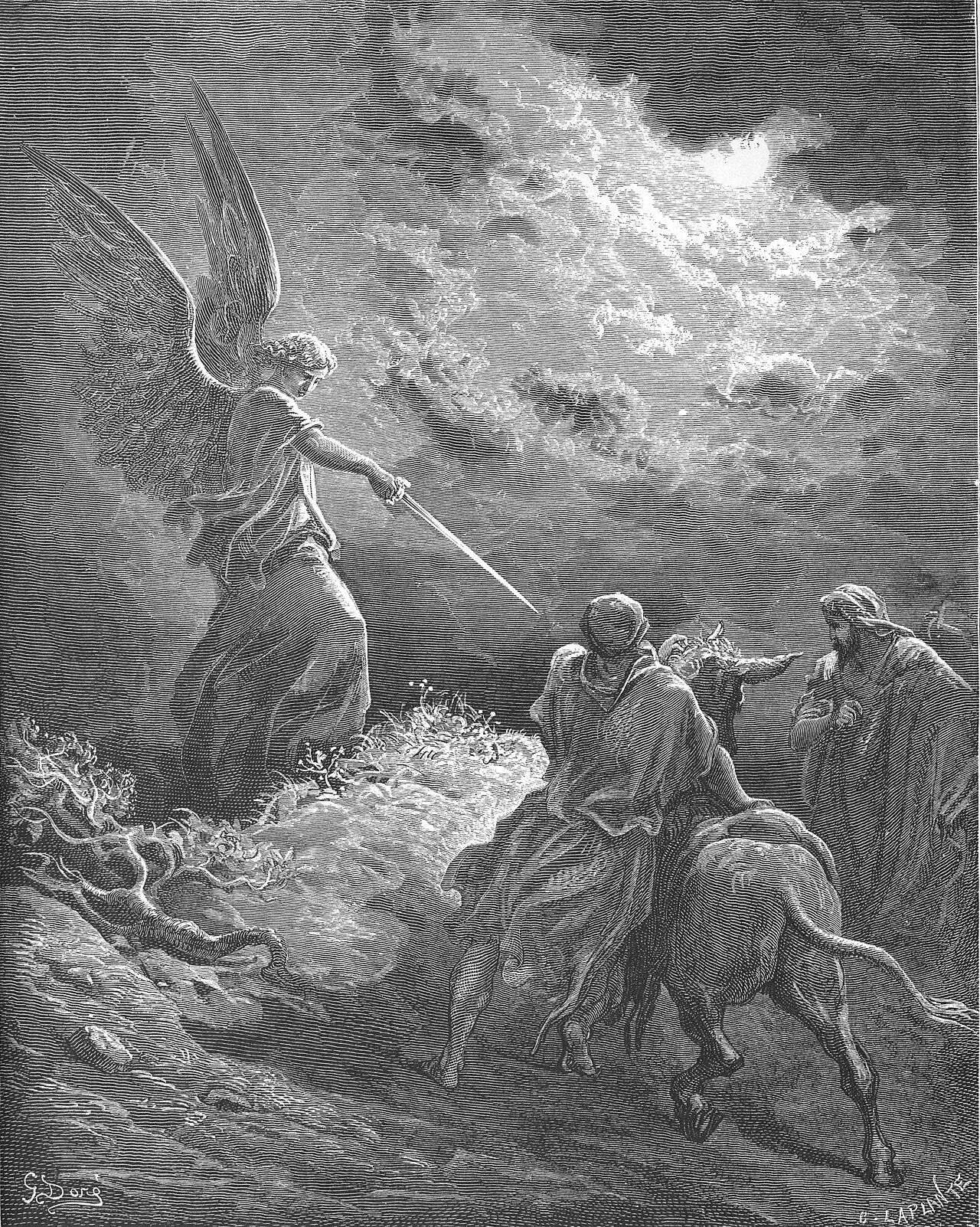
Ye also - i. e., as the other envoys before you. Had Balaam possessed a sincere spirit of obedience, he would have found in the first instructions Num 22:12 a final decision upon the matter. His hypocritical importunity with God when the fresh messengers came from Balak demonstrates his aversion to God’s declared will.
This site's exposition
I cannot go beyond the word
on Numbers 22:18-19
The sentence he speaks is true and it is one of the strongest in the chapter, that a house full of silver and gold could not carry him past the word of the Lord his God, to do less or more. His next sentence asks God about a matter God had answered flatly the night before, and the word he uses for it is more. Henry reads the second inquiry as the tell, because a man who has an answer he dislikes goes back to ask again.
The record, by era
The Puritans and the Awakening2 voices
Now therefore, I pray you, tarry ye also here this night,....
Surely he thought God altogether such a one as himself. He had already been told what the will of God was, in which he ought to have acquiesced, and not to have desired a re-hearing of that cause which was already so plainly determined. Note, It is a very great affront to God, and a certain evidence of the dominion of corruption in the heart, to beg leave to sin.
The Nineteenth Century1 voice
What the Lord will say unto me more - He did not know but God might make a farther discovery of his will to him, and therefore he might very innocently seek farther information.
The words behind it
13 Hebrew wordsEvery Hebrew word of this verse in the order it stands, with what it means and the door to its own study. The last column counts the times a word stands in the whole Bible: the rarer the word, the more the places it appears belong together.
| Hebrew | Sound | Meaning | Word study | In the Bible |
|---|---|---|---|---|
| וְעַתָּ֗ה | veatah | and now | H6258 → | 433 times |
| שְׁב֨וּ | shevu | remain | H3427 → | 1079 times |
| נָ֥א | na' | please | H4994 → | 404 times |
| בָזֶ֛ה | vazeh | in this [place] | H2088 → | 1180 times |
| גַּם־ | gam- | also | H1571 → | 769 times |
| אַתֶּ֖ם | ʾatem | you | H859 → | 1094 times |
| הַלָּ֑יְלָה | halayelah | this night | H3915 → | 233 times |
| וְאֵ֣דְעָ֔ה | veedeah | so let me know | H3045 → | 945 times |
| מַה־ | mah- | what? | H4100 → | 752 times |
| יֹּסֵ֥ף | yosef | will he increase | H3254 → | 212 times |
| יְהוָ֖ה | yahweh | Yahweh | H3068 → | 6520 times |
| דַּבֵּ֥ר | daber | to speak | H1696 → | 1141 times |
| עִמִּֽי׃ | ʾimi | with me | H5973 → | 1050 times |
וְעַתָּ֗הand now
veatahH6258 →433 times
שְׁב֨וּremain
shevuH3427 →1079 times
נָ֥אplease
na'H4994 →404 times
בָזֶ֛הin this [place]
vazehH2088 →1180 times
גַּם־also
gam-H1571 →769 times
אַתֶּ֖םyou
ʾatemH859 →1094 times
הַלָּ֑יְלָהthis night
halayelahH3915 →233 times
וְאֵ֣דְעָ֔הso let me know
veedeahH3045 →945 times
מַה־what?
mah-H4100 →752 times
יֹּסֵ֥ףwill he increase
yosefH3254 →212 times
יְהוָ֖הYahweh
yahwehH3068 →6520 times
דַּבֵּ֥רto speak
daberH1696 →1141 times
עִמִּֽי׃with me
ʾimiH5973 →1050 times
A shaded row is a word that stands 400 times or fewer in the Bible.
The walk
8 stopsEach card is a verse this one points to, and under it the verses that one points to in turn. Where several paths arrive at the same place, that place is listed first: the text keeps returning to it.
Through
Jude 1:11Woe to them! They have traveled the path of Cain; they have rushed headlong into the error of Balaam; they have perished in Korah’s rebellion.
it leads to
- Revelation 2:14
But I have a few things against you, because some of you hold to the teaching of Balaam, who taught Balak to place a stumbling block before the Israelites so they would eat food…
Reached by 2 separate paths from here.
- 2 Peter 2:15
They have left the straight way and wandered off to follow the way of Balaam son of Beor, who loved the wages of wickedness.
- 1 John 3:12
Do not be like Cain, who belonged to the evil one and murdered his brother. And why did Cain slay him? Because his own deeds were evil, while those of his brother were righteous.
- Genesis 4:3–14
So in the course of time, Cain brought some of the fruit of the soil as an offering to the LORD,
- Hebrews 11:4
By faith Abel offered God a better sacrifice than Cain did. By faith he was commended as righteous when God gave approval to his gifts. And by faith he still speaks, even though he…
- Revelation 2:14
Through
2 Peter 2:15They have left the straight way and wandered off to follow the way of Balaam son of Beor, who loved the wages of wickedness.
it leads to
- Jude 1:11
Woe to them! They have traveled the path of Cain; they have rushed headlong into the error of Balaam; they have perished in Korah’s rebellion.
- Jude 1:11
Through
2 Peter 2:3In their greed, these false teachers will exploit you with deceptive words. The longstanding verdict against them remains in force, and their destruction does not sleep.
it leads to
- 2 Corinthians 2:17
For we are not like so many others, who peddle the word of God for profit. On the contrary, in Christ we speak before God with sincerity, as men sent from God.
- Romans 16:18
For such people are not serving our Lord Christ, but their own appetites. By smooth talk and flattery they deceive the hearts of the naive.
- 2 Corinthians 2:17
Where this verse is studied
On this page
About Numbers
This page draws on Adam Clarke, Commentary on the Bible; Albert Barnes, Notes, Explanatory and Practical, on the Old and New Testaments (1832-1869); John Calvin, Commentary on the Four Last Books of Moses Arranged in the Form of a Harmony; John Gill, Exposition of the Old Testament (1748-1763) and Matthew Henry, Commentary on the Whole Bible.