
Joshua 7:6
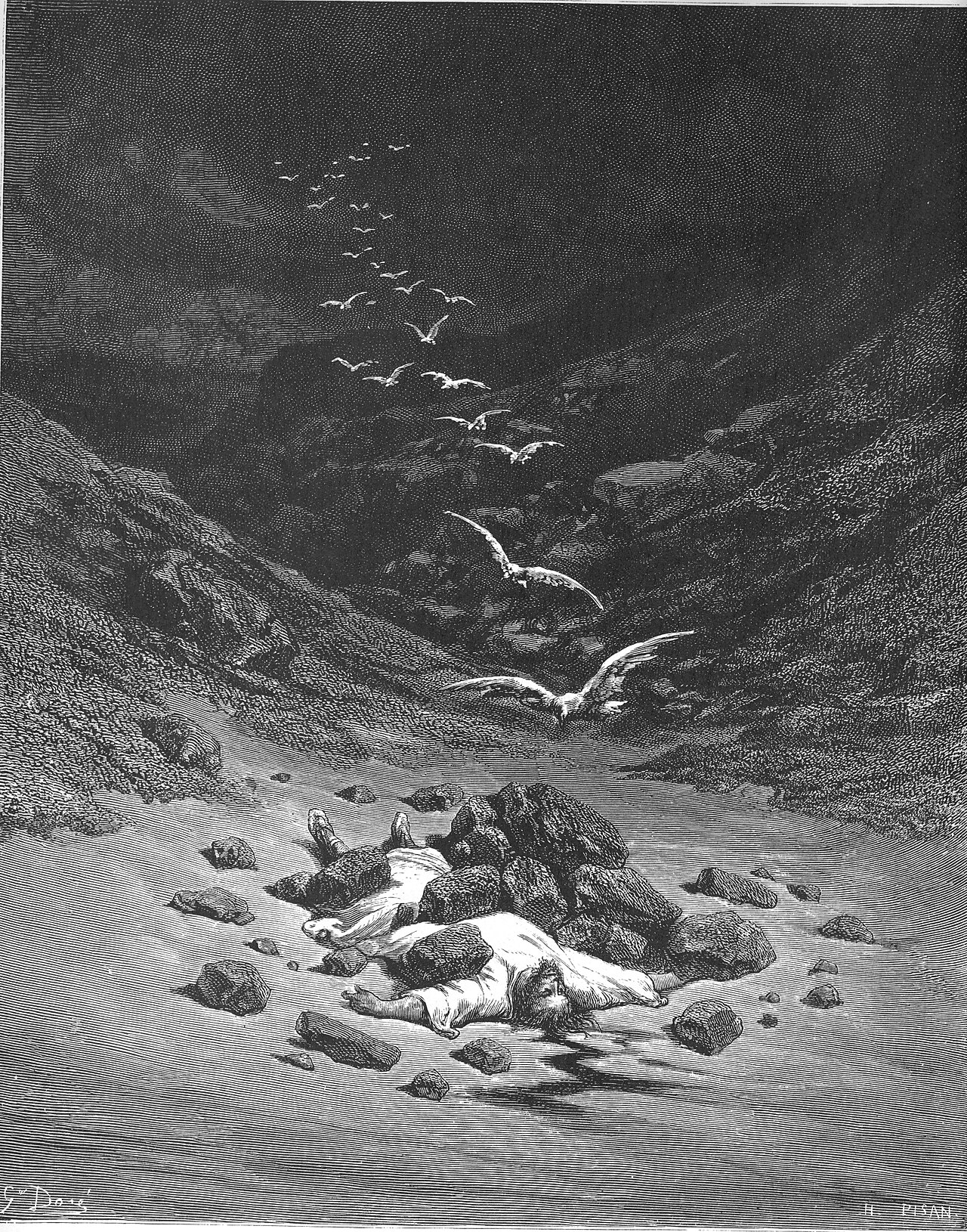
in Joshua 7Then Joshua tore his clothes and fell facedown before the ark of the LORD until evening, as did the elders of Israel; and they all sprinkled dust on their heads.
BSB
The same verse in ASV and KJV ▾
ASV
And Joshua rent his clothes, and fell to the earth upon his face before the ark of Jehovah until the evening, he and the elders of Israel; and they put dust upon their heads.
KJV
And Joshua rent his clothes, and fell to the earth upon his face before the ark of the Lord until the eventide, he and the elders of Israel, and put dust upon their heads.
⋯
This verse in Joshua 7
Commentary
8 notes on this verseA commentator
Jamieson, Fausset & Brown1802–1910
Commentary Critical and Explanatory on the Whole Bible (1871)
Joshua rent his clothes, and fell to the earth . . . before the ark . . . he and the elders--It is evident, from those tokens of humiliation and sorrow, that a solemn fast was observed on this occasion. The language of Joshua's prayer is thought by many to savor of human infirmity and to be wanting in that reverence and submission he owed to God.
This site's exposition
Joshua tore his clothes
on Joshua 7:6-9
Joshua’s complaint echoes the murmurs of Exodus 14:12 and Numbers 14:2. His plea, “what will You do for Your great name”, is Moses’ argument of Exodus 32:12 and Numbers 14:15-16. Clarke observes that no rebuke follows, and Jamieson, Fausset and Brown note that many readers hear weakness in it.
The record, by era
The Puritans and the Awakening4 voices
), in token of great sorrow for this public disaster, and especially a dread of God's displeasure, which was certainly the cause of it. Had it been but the common chance of war (as we are too apt to express it), it would not have become a general to droop thus under it; but, when God was angry, it was his duty and honour to feel thus.
quarantine:debris (2026-07-29) — leading-punctuation+unbalanced-parens
And let those that find themselves under the tokens of God's displeasure never complain of him, but complain to him, and they shall receive an answer of peace. The answer came immediately, while he was yet speaking ( Isa. lxv.
quarantine:debris (2026-07-29) — unbalanced-parens
21 ), and Ezra ( Ezra ix. 5, 6 ), continued their mourning only till the time of the evening sacrifice; that revived them both: but Joshua went past that time, and therefore is thus roused: " Get thee up, do not lie all night there." Yet we find that Moses fell down before the Lord forty days and forty nights, to make intercession for Israel, Deut. ix.
quarantine:debris (2026-07-29) — leading-citation-number+unbalanced-parens
And Joshua rent his clothes,....
The Nineteenth Century1 voice
Joshua rent his clothes, etc. - It was not in consequence of this slight discomfiture, simply considered in itself, that Joshua laid this business so much to heart; but 1. Because the people melted, and became as water, and there was little hope that they would make any stand against the enemy; and 2. Because this defeat evidently showed that God had turned his hand against them. Had it not been so, their enemies could not have prevailed.
1 more voice on this verse
The Nineteenth Century1 voice
A commentator
Albert Barnes1798–1870
Notes, Explanatory and Practical, on the Old and New Testaments (1832-1869)
proposed
On these signs of mourning, compare the marginal references and Lev 10:6; Num 20:6; 1Sa 4:12.
The words behind it
19 Hebrew wordsEvery Hebrew word of this verse in the order it stands, with what it means and the door to its own study. The last column counts the times a word stands in the whole Bible: the rarer the word, the more the places it appears belong together.
| Hebrew | Sound | Meaning | Word study | In the Bible |
|---|---|---|---|---|
| וַיִּקְרַ֨ע | vaiyikra' | and he tore | H7167 → | |
| יְהוֹשֻׁ֜עַ | yehoshua' | Joshua | H3091 → | 218 times |
| שִׂמְלֹתָ֗יו | simlotav | clothes his | H8071 → | |
| וַיִּפֹּל֩ | vaiyipol | and he fell | H5307 → | 435 times |
| עַל־ | ʾal- | on | H5921 → | 5755 times |
| פָּנָ֨יו | panav | face his | H6440 → | 2123 times |
| אַ֜רְצָה | ʾartzah | [the] ground towards | H776 → | 2504 times |
| לִפְנֵ֨י | lifnei | <to> before | H6440 → | 2123 times |
| אֲר֤וֹן | ʾaron | [the] ark of | H727 → | 202 times |
| יְהוָה֙ | yahweh | Yahweh | H3068 → | 6520 times |
| עַד־ | ʾad- | until | H5704 → | 1261 times |
| הָעֶ֔רֶב | haerev | the evening | H6153 → | 134 times |
| ה֖וּא | hu' | he | H1931 → | 1879 times |
| וְזִקְנֵ֣י | veziknei | and [the] elders of | H2205 → | 178 times |
| יִשְׂרָאֵ֑ל | yisrael | Israel | H3478 → | 2507 times |
| וַיַּעֲל֥וּ | vaiyaalu | and they made go up | H5927 → | 890 times |
| עָפָ֖ר | ʾafar | dust | H6083 → | |
| עַל־ | ʾal- | on | H5921 → | 5755 times |
| רֹאשָֽׁם׃ | rosham | head their | H7218 → | 599 times |
וַיִּקְרַ֨עand he tore
vaiyikra'H7167 →
יְהוֹשֻׁ֜עַJoshua
yehoshua'H3091 →218 times
שִׂמְלֹתָ֗יוclothes his
simlotavH8071 →
וַיִּפֹּל֩and he fell
vaiyipolH5307 →435 times
עַל־on
ʾal-H5921 →5755 times
פָּנָ֨יוface his
panavH6440 →2123 times
אַ֜רְצָה[the] ground towards
ʾartzahH776 →2504 times
לִפְנֵ֨י<to> before
lifneiH6440 →2123 times
אֲר֤וֹן[the] ark of
ʾaronH727 →202 times
יְהוָה֙Yahweh
yahwehH3068 →6520 times
עַד־until
ʾad-H5704 →1261 times
הָעֶ֔רֶבthe evening
haerevH6153 →134 times
ה֖וּאhe
hu'H1931 →1879 times
וְזִקְנֵ֣יand [the] elders of
vezikneiH2205 →178 times
יִשְׂרָאֵ֑לIsrael
yisraelH3478 →2507 times
וַיַּעֲל֥וּand they made go up
vaiyaaluH5927 →890 times
עָפָ֖רdust
ʾafarH6083 →
עַל־on
ʾal-H5921 →5755 times
רֹאשָֽׁם׃head their
roshamH7218 →599 times
A shaded row is a word that stands 400 times or fewer in the Bible.
The walk
8 stopsEach card is a verse this one points to, and under it the verses that one points to in turn. Where several paths arrive at the same place, that place is listed first: the text keeps returning to it.
Through
Genesis 37:29When Reuben returned to the pit and saw that Joseph was not there, he tore his clothes,
it leads to
- Genesis 37:34
Then Jacob tore his clothes, put sackcloth around his waist, and mourned for his son many days.
Reached by 2 separate paths from here.
- Genesis 37:34
Through
Genesis 37:34Then Jacob tore his clothes, put sackcloth around his waist, and mourned for his son many days.
it leads to
- Genesis 37:29
When Reuben returned to the pit and saw that Joseph was not there, he tore his clothes,
Reached by 2 separate paths from here.
- 2 Samuel 3:31
Then David ordered Joab and all the people with him, “Tear your clothes, put on sackcloth, and mourn before Abner.” And King David himself walked behind the funeral bier.
Reached by 2 separate paths from here.
- Genesis 37:29
Through
Revelation 18:19Then they will throw dust on their heads as they weep and mourn and cry out: “Woe, woe to the great city, where all who had ships on the sea were enriched by her…
it leads to
- Revelation 18:10
In fear of her torment, they will stand at a distance and cry out: “Woe, woe to the great city, the mighty city of Babylon! For in a single hour your judgment has come.”
- Ezekiel 27:30
They will raise their voices for you and cry out bitterly. They will throw dust on their heads and roll in ashes.
- Revelation 18:10
Through
2 Samuel 13:31Then the king stood up, tore his clothes, and lay down on the ground; and all his servants stood by with their clothes torn.
it leads to
- 2 Samuel 1:11
Then David took hold of his own clothes and tore them, and all the men who were with him did the same.
- 2 Samuel 12:16
David pleaded with God for the boy. He fasted and went into his house and spent the night lying in sackcloth on the ground.
- 2 Samuel 1:11
Through
Lamentations 2:10The elders of the Daughter of Zion sit on the ground in silence. They have thrown dust on their heads and put on sackcloth. The young women of Jerusalem have bowed their heads to…
it leads to
- Isaiah 3:26
And the gates of Zion will lament and mourn; destitute, she will sit on the ground.
- Isaiah 3:26
Where this verse is studied
On this page
Studies10
About Joshua
Who and where
1 name in this verse with a page on the site.
This page draws on Adam Clarke, Commentary on the Bible; Albert Barnes, Notes, Explanatory and Practical, on the Old and New Testaments (1832-1869); Jamieson, Fausset & Brown, Commentary Critical and Explanatory on the Whole Bible; John Gill, Exposition of the Old Testament (1748-1763) and Matthew Henry, Commentary on the Whole Bible.