
Joshua 7:1
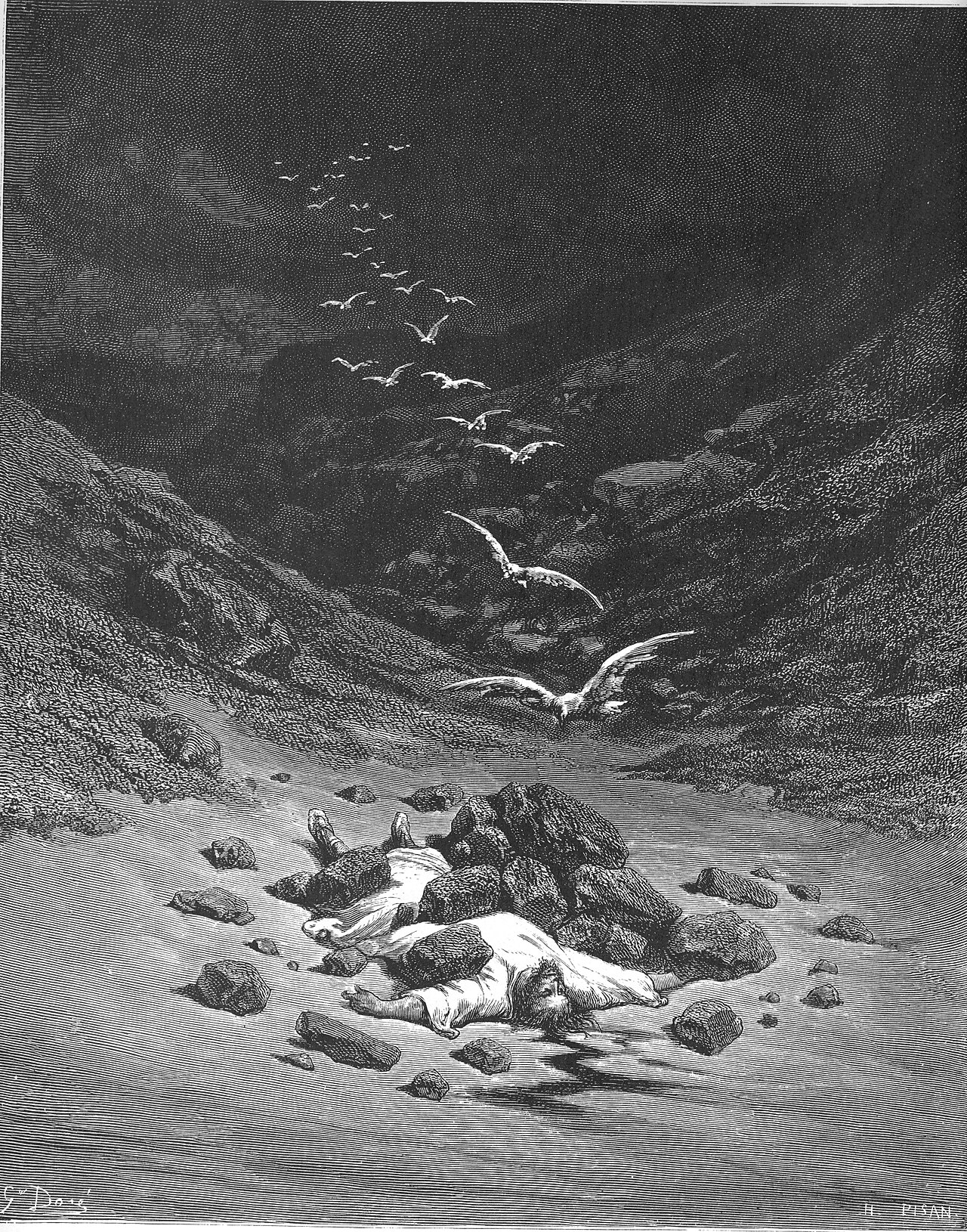
in Joshua 7The Israelites, however, acted unfaithfully regarding the things devoted to destruction. Achan son of Carmi, the son of Zabdi, the son of Zerah, of the tribe of Judah, took some of what was set apart. So the anger of the LORD burned against the Israelites.
BSB
The same verse in ASV and KJV ▾
ASV
But the children of Israel committed a trespass in the devoted thing; for Achan, the son of Carmi, the son of Zabdi, the son of Zerah, of the tribe of Judah, took of the devoted thing: and the anger of Jehovah was kindled against the children of Israel.
KJV
But the children of Israel committed a trespass in the accursed thing: for Achan, the son of Carmi, the son of Zabdi, the son of Zerah, of the tribe of Judah, took of the accursed thing: and the anger of the Lord was kindled against the children of Israel.
⋯
This verse in Joshua 7
Commentary
12 notes on this verseBut also we should not let it be passed over without comment that by one sinner wrath comes upon all the people.…But let us also see what sort of sin this person did. He stole, it says, "a tongue of gold" and placed it in his own tent. I do not think so great a force of sin was in that theft of a little gold that it defiled the innumerable church of the Lord. But let us see if a deeper understanding does not reveal the enormity and severity of the sin.
This site's exposition
acted unfaithfully regarding the things devoted to destruction
Joshua’s warning at 6:18 had said that taking the devoted things would bring destruction on the whole camp. The verse opens with the Israelites as the ones who “acted unfaithfully”, and only afterward names the one man who took anything. Achan is traced four generations back to Zerah of Judah.
The record, by era
The Church Fathers5 voices
A commentator
Apostolic ConstitutionsApostolic Constitutions (Book VII), Section 1, II · Written before 380.
proposed
"You shall not steal:" [Exodus 20:15] for Achan, when he had stolen in Israel at Jericho, was stoned to death; [Joshua 7:1] and Gehazi, who stole, and told a lie, inherited the leprosy of Naaman; [2 Kings 5:27] and Judas, who stole the poor's money, betrayed the Lord of glory to the Jews, [John 12:6] and repented, and hanged himself, and burst asunder in the midst, and all his bowels gushed out; [Matthew 27:5; Acts 1:18] and Ananias, and Sapphira his wife, who stole their own goods, and "tempted the Spirit of the Lord," were immediately, at the sentence of Peter our fellow-apostle, struck dead. [Acts 5:1-11]
Behold, did not Achar the son of Zata transgress in the accursed thing, and trouble then lighted on all the congregation of Israel? And this one man was alone in his sin; but he was not alone in the death that came by his sin. …
Suppose any one should make scrutiny into all the communicants in the world, what kind of transgression is there which he would not detect? and what if he examined those in authority? Would he not find them eagerly bent upon gain? making traffic of high places? envious, malignant, vainglorious, gluttonous, and slaves to money? Where then there is such impiety as this going on, what dreadful calamity must we not expect? And to be assured how sore vengeance they incur who are guilty of such sins as these, consider the examples of old. One single man, a common soldier, stole the sacred property, and all were smitten. Ye know, doubtless, the history I mean? I am speaking of Acham the son of Carmi, the man who stole the consecrated spoil.… On account of all these things, let us take heed to ourselves. Do ye not see these wars? Do ye not hear of these disasters? Do ye learn no lesson from these things? Nations and whole cities are swallowed up and destroyed, and myriads as many again are enslaved to the barbarians. If hell bring us not to our senses, yet let these things. What, are these too mere threats, are they not facts that have already taken place? Great is the punishment they have suffered, yet a greater still shall we suffer, who are not brought to our senses even by their fate.
And Jericho had seen in her own ruin Our hand's control, when conquering Achan fell. Renowned for bloodshed, proud of leveling walls, He fell a victim to the enemy's gold When from the dust he gleaned the stuff accursed And snatched the mournful plunder from …
You say these were the disgraceful acts of a few men and what was not done by all could not injure all. Indeed, I have said above quite often that the crime of one man was the destruction of many among the people of God, …
5 more voices on this verse
The Puritans and the Awakening2 voices
But the children of Israel committed a trespass in the accursed thing,....
And yet, though it was a single person that sinned, the children of Israel are said to commit the trespass, because one of their body did it, and he was not as yet separated from them, nor disowned by them.
The Nineteenth Century3 voices
A commentator
Albert Barnes1798–1870
Notes, Explanatory and Practical, on the Old and New Testaments (1832-1869)
Committed a trespass - (compare Lev 5:15 note), “acted treacherously and committed a breach of faith.” This suitably describes the sin of Achan, who had purloined and hidden away that which had been dedicated to God by the ban Jos 6:19. The “trespass” was the act of one man, yet is imputed to all Israel, who also share in the penalty of it Jos 7:5. This is not to be explained as though all the people participated in the covetousness which led to Achan’s sin Jos 7:
A commentator
Jamieson, Fausset & Brown1802–1910
Commentary Critical and Explanatory on the Whole Bible (1871)
proposed
the children of Israel committed a trespass in the accursed thing--There was one transgressor against the cherem, or ban, on Jericho, and his transgression brought the guilt and disgrace of sin upon the whole nation. Achan--called afterwards "Achar" ("trouble") (1Ch 2:7).
quarantine:debris (2026-07-29) — starts-lowercase
The children of Israel committed a trespass - It is certain that one only was guilty; and yet the trespass is imputed here to the whole congregation; and the whole congregation soon suffered shame and disgrace on the account, as their armies were defeated, thirty-six persons slain, and general terror spread through the whole camp. Being one body, God attributes the crime of the individual to the whole till the trespass was discovered, and by a public act of justice inflicted on the culprit the congregation had purged itself of the iniquity. This was done to render every man extremely cautious, and to make the people watchful over each other, that sin might be no where tolerated or connived at, as one transgression might bring down the wrath of God upon the whole camp. See on Jos 7:12 (note). The accursed thing - A portion of the spoils of the city of Jericho, the whole of which God had commanded to be destroyed. For Achan, the son of Carmi, etc. - Judah had two sons by Tamar: Pharez and Zarah. Zarah was father of Zabdi, and Zabdi of Carmi, the father of Achan. These five persons extend through a period of 265 years; and hence Calmet concludes that they could not have had children before they were fifty or fifty-five years of age. This Achan, son of Zabdi, is called, in 1Ch 2:6, Achar, son of Zimrie; but this reading is corrected into Achan by some MSS. in the place above cited.
The words behind it
22 Hebrew wordsEvery Hebrew word of this verse in the order it stands, with what it means and the door to its own study. The last column counts the times a word stands in the whole Bible: the rarer the word, the more the places it appears belong together.
| Hebrew | Sound | Meaning | Word study | In the Bible |
|---|---|---|---|---|
| וַיִּמְעֲל֧וּ | vaiyimalu | and they acted unfaithfully | H4603 → | 36 times |
| בְנֵֽי־ | venei- | [the] people of | H1121 → | 4930 times |
| יִשְׂרָאֵ֛ל | yisrael | Israel | H3478 → | 2507 times |
| מַ֖עַל | maal | unfaithfulness | H4604 → | 28 times |
| בַּחֵ֑רֶם | bacherem | in the devoted thing[s] | H2764 → | 38 times |
| וַיִּקַּ֡ח | vaiyikach | and he took | H3947 → | 966 times |
| עָכָ֣ן | ʾakhan | Achan | H5912 → | 6 times |
| בֶּן־ | ben- | [the] son of | H1121 → | 4930 times |
| כַּרְמִי֩ | karmi | Carmi | H3756 → | |
| בֶן־ | ven- | [the] son of | H1121 → | 4930 times |
| זַבְדִּ֨י | zavdi | Zabdi | H2067 → | 6 times |
| בֶן־ | ven- | [the] son of | H1121 → | 4930 times |
| זֶ֜רַח | zerach | Zerah | H2226 → | 21 times |
| לְמַטֵּ֤ה | lemateh | of [the] tribe of | H4294 → | 252 times |
| יְהוּדָה֙ | yehudah | Judah | H3063 → | 819 times |
| מִן־ | min- | some of | H4480 → | 1188 times |
| הַחֵ֔רֶם | hacherem | the devoted thing[s] | H2764 → | 38 times |
| וַיִּֽחַר־ | vaiyichar- | and it burned | H2734 → | |
| אַ֥ף | ʾaf | [the] anger of | H639 → | 276 times |
| יְהוָ֖ה | yahweh | Yahweh | H3068 → | 6520 times |
| בִּבְנֵ֥י | bivnei | on [the] people of | H1121 → | 4930 times |
| יִשְׂרָאֵֽל׃ | yisrael | Israel | H3478 → | 2507 times |
וַיִּמְעֲל֧וּand they acted unfaithfully
vaiyimaluH4603 →36 times
בְנֵֽי־[the] people of
venei-H1121 →4930 times
יִשְׂרָאֵ֛לIsrael
yisraelH3478 →2507 times
מַ֖עַלunfaithfulness
maalH4604 →28 times
בַּחֵ֑רֶםin the devoted thing[s]
bacheremH2764 →38 times
וַיִּקַּ֡חand he took
vaiyikachH3947 →966 times
עָכָ֣ןAchan
ʾakhanH5912 →6 times
בֶּן־[the] son of
ben-H1121 →4930 times
כַּרְמִי֩Carmi
karmiH3756 →
בֶן־[the] son of
ven-H1121 →4930 times
זַבְדִּ֨יZabdi
zavdiH2067 →6 times
בֶן־[the] son of
ven-H1121 →4930 times
זֶ֜רַחZerah
zerachH2226 →21 times
לְמַטֵּ֤הof [the] tribe of
lematehH4294 →252 times
יְהוּדָה֙Judah
yehudahH3063 →819 times
מִן־some of
min-H4480 →1188 times
הַחֵ֔רֶםthe devoted thing[s]
hacheremH2764 →38 times
וַיִּֽחַר־and it burned
vaiyichar-H2734 →
אַ֥ף[the] anger of
ʾafH639 →276 times
יְהוָ֖הYahweh
yahwehH3068 →6520 times
בִּבְנֵ֥יon [the] people of
bivneiH1121 →4930 times
יִשְׂרָאֵֽל׃Israel
yisraelH3478 →2507 times
A shaded row is a word that stands 400 times or fewer in the Bible.
The walk
8 stopsEach card is a verse this one points to, and under it the verses that one points to in turn. Where several paths arrive at the same place, that place is listed first: the text keeps returning to it.
Through
Joshua 22:20Was not Achan son of Zerah unfaithful regarding what was set apart for destruction, bringing wrath upon the whole congregation of Israel? Yet it was not only Achan who perished because of his sin!’”
it leads to
- Joshua 7:5
And the men of Ai struck down about thirty-six of them, chasing them from the gate as far as the quarries and striking them down on the slopes. So the hearts of the people…
Reached by 2 separate paths from here.
- Joshua 7:24
Then Joshua, together with all Israel, took Achan son of Zerah, the silver, the cloak, the bar of gold, his sons and daughters, his oxen and donkeys and sheep, his tent, and everything else…
- 1 Corinthians 10:6
These things took place as examples to keep us from craving evil things as they did.
- Joshua 7:5
Through
Joshua 22:18And now, would you turn away from the LORD? If you rebel today against the LORD, tomorrow He will be angry with the whole congregation of Israel.
it leads to
- Numbers 16:22
But Moses and Aaron fell facedown and said, “O God, the God of the spirits of all flesh, when one man sins, will You be angry with the whole congregation?”
- Numbers 16:22
Through
Ecclesiastes 9:18Wisdom is better than weapons of war, but one sinner destroys much good.
it leads to
- Joshua 7:11–12
Israel has sinned; they have transgressed My covenant that I commanded them, and they have taken some of what was devoted to destruction. Indeed, they have stolen and lied, and they have put these…
- 2 Timothy 4:3–4
For the time will come when men will not tolerate sound doctrine, but with itching ears they will gather around themselves teachers to suit their own desires.
- 2 Timothy 2:16–18
But avoid irreverent, empty chatter, which will only lead to more ungodliness,
- Ecclesiastes 9:16
And I said, “Wisdom is better than strength, but the wisdom of the poor man is despised, and his words are not heeded.”
- Joshua 7:11–12
Where this verse is studied
On this page
Studies10
About Joshua
Who and where
1 name in this verse with a page on the site.
This page draws on 12 works. Open the list of works
This page draws on Adam Clarke, Commentary on the Bible; Albert Barnes, Notes on the Old Testament; Albert Barnes, Notes, Explanatory and Practical, on the Old and New Testaments (1832-1869); Apostolic Constitutions, Apostolic Constitutions (Book VII), Section 1, II; Gregory of Neocaesarea, CANONICAL EPISTLE 3; Jamieson, Fausset & Brown, Commentary Critical and Explanatory on the Whole Bible; John Chrysostom, HOMILIES ON EPHESIANS 6; John Gill, Exposition of the Old Testament (1748-1763); Matthew Henry, Commentary on the Whole Bible; Origen of Alexandria, HOMILIES ON JOSHUA 7.6-7; Prudentius, THE SPIRITUAL COMBAT 536.46 and Salvian the Presbyter, THE GOVERNANCE OF GOD 7.19.