
Joshua 7:25
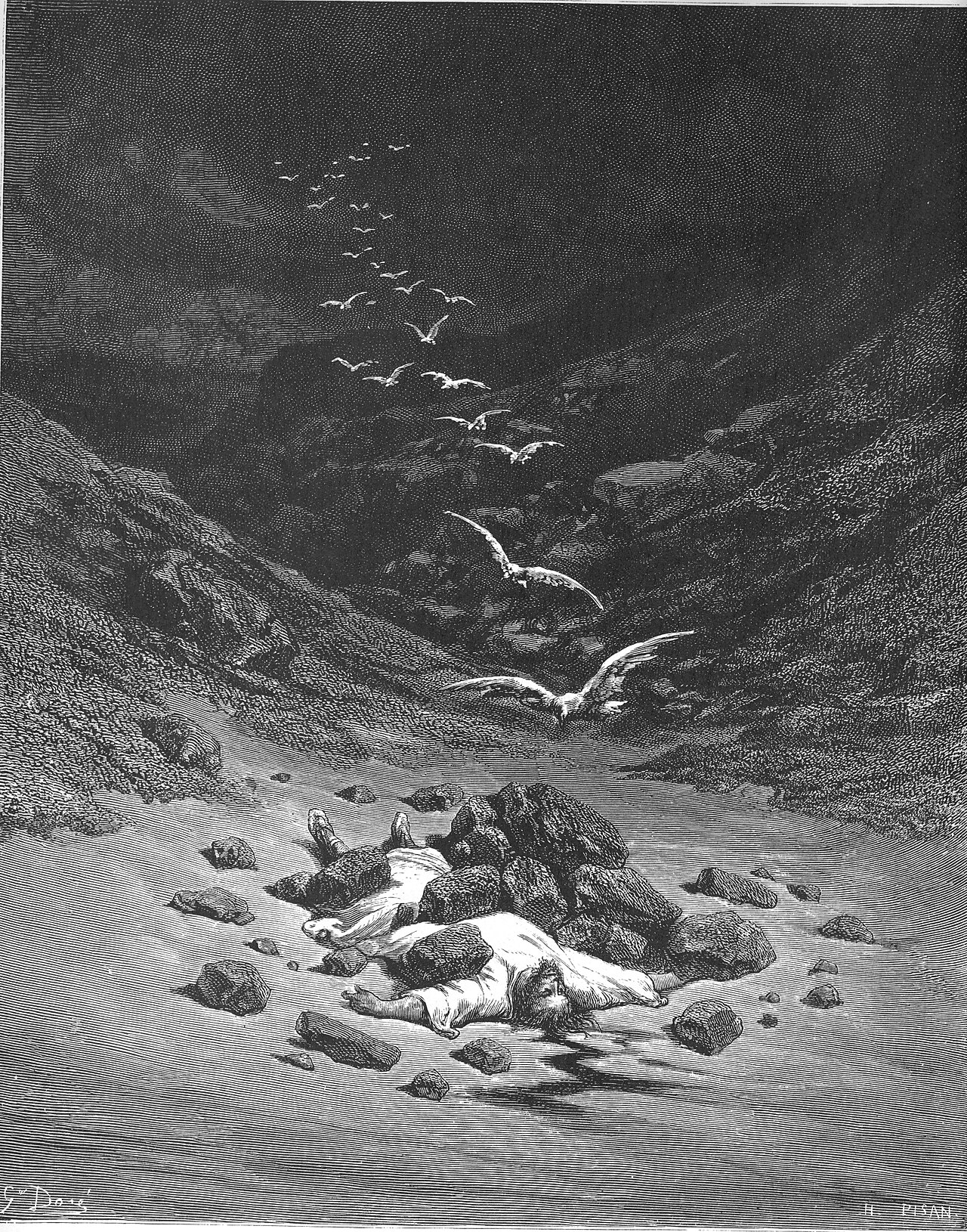
in Joshua 7“Why have you brought this trouble upon us?” said Joshua. “Today the LORD will bring trouble upon you!” And all Israel stoned him to death. Then they stoned the others and burned their bodies.
BSB
The same verse in ASV and KJV ▾
ASV
And Joshua said, Why hast thou troubled us? Jehovah shall trouble thee this day. And all Israel stoned him with stones; and they burned them with fire, and stoned them with stones.
KJV
And Joshua said, Why hast thou troubled us? the Lord shall trouble thee this day. And all Israel stoned him with stones, and burned them with fire, after they had stoned them with stones.
⋯
This verse in Joshua 7
Commentary
14 notes on this verseWhy hast thou troubled us? - Here is a reference to the meaning of Achan’s or Achar’s name, מה עכרתנו meh Achar-tanu; and as עכר achar is used here, and not עכן achan, and the valley is called the valley of Achor, and not the valley of Achan, hence some have supposed that Achar was his proper name, as it is read 1Ch 2:7, and in some MSS., and ancient versions. See the note on Jos 7:
This site's exposition
took Achan son of Zerah
on Joshua 7:24-25
Deuteronomy 24:16 forbids putting children to death for a father, while others read the household as sharing in what lay under their floor. Joshua’s question, “Why have you brought this trouble upon us”, uses the verb the valley is named from, and his sentence turns it back.
This site's exposition
Why have you brought this trouble upon us
Henry holds the children died, arguing the law against putting children to death for a father bound magistrates, while God gave a direct order here. Wesley reads the verse as stoning to death first and burning afterward, the stoning being the penalty of Leviticus 24:14 and Numbers 15:35.
The record, by era
The Church Fathers3 voices
Achan sinned, and the entire nation transgressed. And the Lord said to Joshua, "The children of Israel will not be able to stand before their enemies but shall flee from their adversaries, because there is a curse in their midst. And I shall no more be with you, unless the anathema is destroyed out of you." And when they made search for the guilty person and the lot discovered him hiding, Achan, and his sons and daughters, and his asses and sheep are killed; his tent and all his possessions are destroyed by fire. Granted, that he himself committed a sin. What sin did his children commit, his oxen, his asses, his sheep? Reprehend God, why one man committed a sin and a number of people were put to death; why even he is stoned to death and all his possessions are destroyed by the avenging flame? Let us also quote the other testimony: "There was not a city," he says, "that the Lord did not deliver to the children of Israel, except the Hivites who dwell in Gibeon; they took all by fight, because it was the sentence of the Lord that their hearts should be hardened and they should fight against Israel and be killed, and that they should not deserve any clemency and should be destroyed, as the Lord commanded Moses." If it was done by the will of God that they should neither make peace with Israel nor obtain peace from Israel, let us say with the apostle: "Why then does he find fault? For who can resist his will?"
Accordingly, I find, in taking up the Holy Scripture, that in the Old and New Testament contumacy toward God is clearly condemned, not in consideration of the number or heinousness of transgressions but in terms of a single violation of any precept whatsoever, and, further, that the judgment of God covers all forms of disobedience. In the Old Testament, I read of the frightful end of Achan and the account of the man who gathered wood on the sabbath day. Neither of these men was guilty of any other offense against God, nor had they wronged a man in any way, small or great; but the one, merely for his first gathering of wood, paid the inescapable penalty and did not have an opportunity to make amends, for, by the command of God, he was forthwith stoned by all his people. The other, only because he had pilfered some part of the sacrificial offerings, even though these had not yet been brought into the synagogue nor had been received by those who perform this function, was the cause not only of his own destruction but of that also of his wife and children and of his house and personal possessions besides. Moreover, the evil consequences of his sin would presently have spread like fire over his nation—and this, too, although the people did not know what had occurred and had not excused the sinner—unless his people, sensing the anger of God from the destruction of the men who were slain, had promptly been struck with fear, and unless Joshua, son of Nun, sprinkling himself with dust, had prostrated himself together with the ancients, and unless the culprit, discovered thus by lot, had paid the penalty mentioned above.Perhaps someone will raise the objection that these men might plausibly be suspected of other sins for which they were overtaken by these punishments, yet the Holy Scripture made mention of these sins alone as very serious and worthy of death.
What compulsion commands him [Paul] to do what he dislikes? And why must he not do what he wishes but what he dislikes and does not wish? He will answer you thus: "No, but, O man, who are you that replies against God? Shall the thing formed say to him that formed it, 'Why have you made me this way?' Has not the potter power over the clay, of the same lump to make one vessel to honor and another to dishonor?"
The Puritans and the Awakening2 voices
They were stoned (which was the punishment of such offenders, Lev. xxiv, 14 Num. xv, 35,) and not burned to death; but God would have their dead carcases burned to shew his utmost detestation of such persons as break forth into sins of such a public scandal and mischief.
, where it is said they burned them with fire, after they had stoned them with stones. God had expressly provided that magistrates should not put the children to death for the fathers'; but he did not intend to bind himself by that law, and in this case he had expressly ordered (
quarantine:debris (2026-07-29) — leading-punctuation+unbalanced-parens
6 more voices on this verse
The Puritans and the Awakening5 voices
Upon thy face - This business is not to be done by inactive supplication, but by vigourous endeavours for reformation. Israel - Some or one of them. Transgressed my covenant - That is, broken the conditions of my covenant which they have promised to perform, whereof this was one, not to meddle with the accursed thing.
And Joshua said, why hast thou troubled us?....
And by this story it appears that, as the laws, so Canaan itself, "made nothing perfect," the perfection both of holiness and peace to God's Israel is to be expected in the heavenly Canaan only.
They were all spectators of it, that they might see and fear. Public executions are public examples. Nay, they were all consenting to his death, and as many as could were active in it, in token of the universal detestation in which they held his sacrilegious attempt, and their dread of God's displeasure against them.
He refers to what was said when the warning was given not to meddle with the accursed thing ( ch. vi. 18 ), lest you make the camp of Israel a curse and trouble it. Note, Sin is a very troublesome thing, not only to the sinner himself, but to all about him.
The Nineteenth Century1 voice
A commentator
Jamieson, Fausset & Brown1802–1910
Commentary Critical and Explanatory on the Whole Bible (1871)
proposed
"All Israel" was present, not only as spectators, but active agents, as many as possible, in inflicting the punishment--thus testifying their abhorrence of the sacrilege, and their intense solicitude to regain the divine favor.
The words behind it
19 Hebrew wordsEvery Hebrew word of this verse in the order it stands, with what it means and the door to its own study. The last column counts the times a word stands in the whole Bible: the rarer the word, the more the places it appears belong together.
| Hebrew | Sound | Meaning | Word study | In the Bible |
|---|---|---|---|---|
| וַיֹּ֤אמֶר | vaiyomer | and he said | H559 → | 5305 times |
| יְהוֹשֻׁ֙עַ֙ | yehoshua' | Joshua | H3091 → | 218 times |
| מֶ֣ה | meh | why? | H4100 → | 752 times |
| עֲכַרְתָּ֔נוּ | ʾakhartanu | have you brought trouble to us | H5916 → | 14 times |
| יַעְכֳּרְךָ֥ | ya'korkha | he will bring trouble to you | H5916 → | 14 times |
| יְהוָ֖ה | yahweh | Yahweh | H3068 → | 6520 times |
| בַּיּ֣וֹם | baiyom | on the day | H3117 → | 2304 times |
| הַזֶּ֑ה | hazeh | <the> this | H2088 → | 1180 times |
| וַיִּרְגְּמ֨וּ | vaiyirgemu | and they stoned | H7275 → | |
| אֹת֤וֹ | ʾoto | <obj.> him | H853 → | 10935 times |
| כָל־ | khol- | all | H3605 → | 5413 times |
| יִשְׂרָאֵל֙ | yisrael | Israel | H3478 → | 2507 times |
| אֶ֔בֶן | ʾeven | stone[s] | H68 → | 273 times |
| וַיִּשְׂרְפ֤וּ | vaiyisrefu | and they burned | H8313 → | 117 times |
| אֹתָם֙ | ʾotam | <obj.> them | H853 → | 10935 times |
| בָּאֵ֔שׁ | baesh | with <the> fire | H784 → | 378 times |
| וַיִּסְקְל֥וּ | vaiyiskelu | and they stoned | H5619 → | |
| אֹתָ֖ם | ʾotam | <obj.> them | H853 → | 10935 times |
| בָּאֲבָנִֽים׃ | baavanim | with <the> stones | H68 → | 273 times |
וַיֹּ֤אמֶרand he said
vaiyomerH559 →5305 times
יְהוֹשֻׁ֙עַ֙Joshua
yehoshua'H3091 →218 times
מֶ֣הwhy?
mehH4100 →752 times
עֲכַרְתָּ֔נוּhave you brought trouble to us
ʾakhartanuH5916 →14 times
יַעְכֳּרְךָ֥he will bring trouble to you
ya'korkhaH5916 →14 times
יְהוָ֖הYahweh
yahwehH3068 →6520 times
בַּיּ֣וֹםon the day
baiyomH3117 →2304 times
הַזֶּ֑ה<the> this
hazehH2088 →1180 times
וַיִּרְגְּמ֨וּand they stoned
vaiyirgemuH7275 →
אֹת֤וֹ<obj.> him
ʾotoH853 →10935 times
כָל־all
khol-H3605 →5413 times
יִשְׂרָאֵל֙Israel
yisraelH3478 →2507 times
אֶ֔בֶןstone[s]
ʾevenH68 →273 times
וַיִּשְׂרְפ֤וּand they burned
vaiyisrefuH8313 →117 times
אֹתָם֙<obj.> them
ʾotamH853 →10935 times
בָּאֵ֔שׁwith <the> fire
baeshH784 →378 times
וַיִּסְקְל֥וּand they stoned
vaiyiskeluH5619 →
אֹתָ֖ם<obj.> them
ʾotamH853 →10935 times
בָּאֲבָנִֽים׃with <the> stones
baavanimH68 →273 times
A shaded row is a word that stands 400 times or fewer in the Bible.
The walk
8 stopsEach card is a verse this one points to, and under it the verses that one points to in turn. Where several paths arrive at the same place, that place is listed first: the text keeps returning to it.
Through
Deuteronomy 17:5you must bring out to your gates the man or woman who has done this evil thing, and you must stone that person to death.
it leads to
- Leviticus 24:14
“Take the blasphemer outside the camp, and have all who heard him lay their hands on his head; then have the whole assembly stone him.
Reached by 2 separate paths from here.
- Leviticus 24:14
Through
Joshua 6:18But keep away from the things devoted to destruction, lest you yourself be set apart for destruction. If you take any of these, you will set apart the camp of Israel for destruction and…
it leads to
- 1 John 5:21
Little children, keep yourselves from idols.
- Ephesians 5:11
Have no fellowship with the fruitless deeds of darkness, but rather expose them.
- Joshua 7:1
The Israelites, however, acted unfaithfully regarding the things devoted to destruction. Achan son of Carmi, the son of Zabdi, the son of Zerah, of the tribe of Judah, took some of what was set…
- Joshua 7:11–12
Israel has sinned; they have transgressed My covenant that I commanded them, and they have taken some of what was devoted to destruction. Indeed, they have stolen and lied, and they have put these…
- 1 John 5:21
Through
Leviticus 24:14“Take the blasphemer outside the camp, and have all who heard him lay their hands on his head; then have the whole assembly stone him.
it leads to
- Deuteronomy 21:21
Then all the men of his city will stone him to death. So you must purge the evil from among you, and all Israel will hear and be afraid.
Reached by 2 separate paths from here.
- Leviticus 20:27
A man or a woman who is a medium or spiritist must surely be put to death. They shall be stoned; their blood is upon them.’”
Reached by 2 separate paths from here.
- Deuteronomy 17:7
The hands of the witnesses shall be the first in putting him to death, and after that, the hands of all the people. So you must purge the evil from among you.
- Deuteronomy 21:21
Where this verse is studied
On this page
Studies10
About Joshua
Who and where
1 name in this verse with a page on the site.
This page draws on 9 works. Open the list of works
This page draws on Adam Clarke, Commentary on the Bible; Basil of Caesarea, PREFACE ON THE JUDGMENT OF GOD; Jamieson, Fausset & Brown, Commentary Critical and Explanatory on the Whole Bible; Jerome, Against the Pelagians 1.37; Jerome, LETTER 133.9; John Gill, Exposition of the Old Testament (1748-1763); John Wesley, Explanatory Notes upon the Old Testament; Keil and Delitzsch, Biblical Commentary on the Old Testament: Joshua, Judges, Ruth and Matthew Henry, Commentary on the Whole Bible.