
Judges 9:30
in Judges 9When Zebul the governor of the city heard the words of Gaal son of Ebed, he burned with anger.
BSB
The same verse in ASV and KJV ▾
ASV
And when Zebul the ruler of the city heard the words of Gaal the son of Ebed, his anger was kindled.
KJV
And when Zebul the ruler of the city heard the words of Gaal the son of Ebed, his anger was kindled.
⋯
This verse in Judges 9
Commentary
3 notes on this verseThis site's exposition
And when Zebul the ruler of the city heard
on Judges 9:30-33
Zebul holds the town for Abimelech and sends word privily, so the man Gaal dismissed as an officer at verse 28 is the one who undoes him. The plan he sends is the ambush of Joshua 8 in small compass, lie in the field by night, rise at sunrise, and let the city come out to you. Nobody in the chapter asks God about any of it, and no priest, prophet or word from the Lord appears in the fifty-seven verses.
The record, by era
The Puritans and the Awakening1 voice
And when Zebul the ruler of the city,.... Whom Abimelech had placed there under him: heard the words of Gaal the son of Ebed, his anger was kindled; because he spoke slightly of him, and wished to have his place; perhaps before Zebul was inclined to be on the side of the Shechemites against Abimelech, or at least dissembled that he was; but now, being incensed at the words of Gaal, determined to take the side of Abimelech, and let him know how things were carrying on against him.
The Nineteenth Century1 voice
A commentator
Jamieson, Fausset & Brown1802–1910
Commentary Critical and Explanatory on the Whole Bible (1871)
proposed
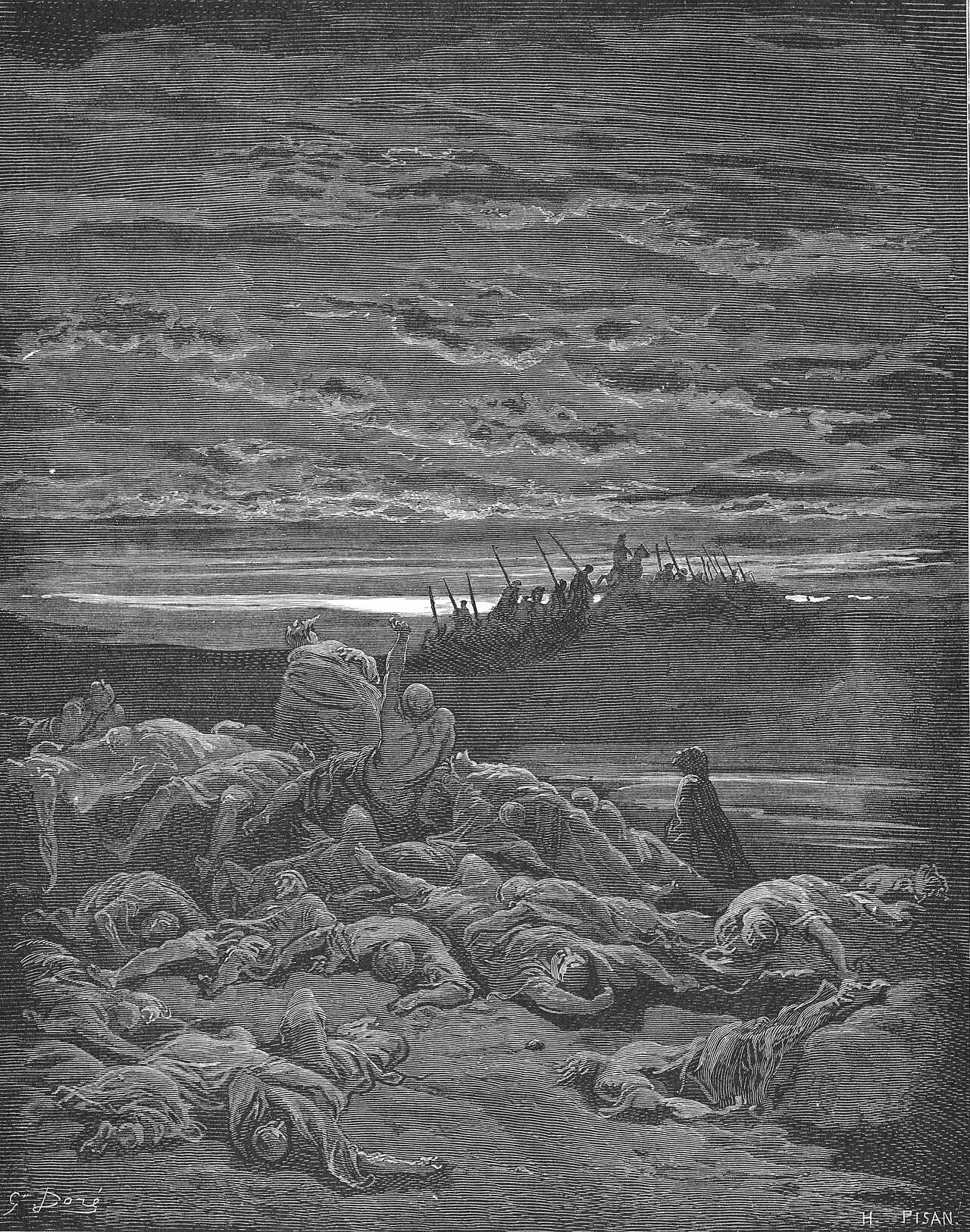
The consequence was that he allowed himself to be drawn into an ambush, was defeated, the city of Shechem destroyed and strewn with salt. The people took refuge in the stronghold, which was set on fire, and all in it perished.
The words behind it
11 Hebrew wordsEvery Hebrew word of this verse in the order it stands, with what it means and the door to its own study. The last column counts the times a word stands in the whole Bible: the rarer the word, the more the places it appears belong together.
| Hebrew | Sound | Meaning | Word study | In the Bible |
|---|---|---|---|---|
| וַיִּשְׁמַ֗ע | vaiyishma' | and he heard | H8085 → | 1159 times |
| זְבֻל֙ | zevul | Zebul | H2083 → | 6 times |
| שַׂר־ | sar- | [the] official of | H8269 → | 421 times |
| הָעִ֔יר | hair | the city | H5892 → | 1090 times |
| אֶת־ | ʾet- | <obj.> | H853 → | 10935 times |
| דִּבְרֵ֖י | divrei | [the] words of | H1697 → | 1440 times |
| גַּ֣עַל | gaal | Gaal | H1603 → | 9 times |
| בֶּן־ | ben- | [the] son of | H1121 → | 4930 times |
| עָ֑בֶד | ʾaved | Ebed | H5651 → | 6 times |
| וַיִּ֖חַר | vaiyichar | and it burned | H2734 → | 91 times |
| אַפּֽוֹ׃ | ʾapo | anger his | H639 → | 276 times |
וַיִּשְׁמַ֗עand he heard
vaiyishma'H8085 →1159 times
זְבֻל֙Zebul
zevulH2083 →6 times
שַׂר־[the] official of
sar-H8269 →421 times
הָעִ֔ירthe city
hairH5892 →1090 times
אֶת־<obj.>
ʾet-H853 →10935 times
דִּבְרֵ֖י[the] words of
divreiH1697 →1440 times
גַּ֣עַלGaal
gaalH1603 →9 times
בֶּן־[the] son of
ben-H1121 →4930 times
עָ֑בֶדEbed
ʾavedH5651 →6 times
וַיִּ֖חַרand it burned
vaiyicharH2734 →91 times
אַפּֽוֹ׃anger his
ʾapoH639 →276 times
A shaded row is a word that stands 400 times or fewer in the Bible.
About Judges
This page draws on Jamieson, Fausset & Brown, Commentary Critical and Explanatory on the Whole Bible; John Gill, Exposition of the Old Testament; John Gill, Exposition of the Old Testament (1748-1763) and Matthew Henry, Commentary on the Whole Bible.