
Judges 13:11
in Judges 13So Manoah got up and followed his wife. When he came to the man, he asked, “Are you the man who spoke to my wife?” “I am,” he said.
BSB
The same verse in ASV and KJV ▾
ASV
And Manoah arose, and went after his wife, and came to the man, and said unto him, Art thou the man that spakest unto the woman? And he said, I am.
KJV
And Manoah arose, and went after his wife, and came to the man, and said unto him, Art thou the man that spakest unto the woman? And he said, I am.
⋯
This verse in Judges 13
Commentary
5 notes on this verse"Oh," says she, overjoyed, "my dear love, thy prayers are answered--yonder is the man of God, come to make us another visit--he that came the other day," or, as some read it, this day, for other is not in the original, and it is probable enough that both these visits were on the same day, and at the same place, and that the second time she sat expecting him.
This site's exposition
And Manoah arose, and went
on Judges 13:11-14
Manoah's question at verse 12 asks two things, how the child is to be ordered and what is to be done to him, and the angel answers by pointing him back to his wife. Everything said to Manoah repeats what was said to her, and the charge stays on her, let her beware, all that I commanded her let her observe. Any thing that cometh of the vine is the wording of Numbers 6:4, which reaches to kernels and husk as well as to wine. Nothing further is laid on the boy beyond the razor of verse 5, so the discipline this chapter describes is the mother's to keep.
The record, by era
The Puritans and the Awakening2 voices
And Manoah arose and went after his wife,....
It was a vulgar opinion generally received among the ancient Jews that it was present death to see God or an angel; and this notion quite overcome his faith for the present, as it did Gideon's, ch. vi. In his wife's reflection upon it there is great faith,
The Nineteenth Century1 voice
A commentator
Jamieson, Fausset & Brown1802–1910
Commentary Critical and Explanatory on the Whole Bible (1871)
proposed
Art thou the man that spakest unto the woman?--Manoah's intense desire for the repetition of the angel's visit was prompted not by doubts or anxieties of any kind, but was the fruit of lively faith, and of his great anxiety to follow out the instructions given. Blessed was he who had not seen, yet had believed.
How the passage was read
What the Jewish commentators add
On the verses either side of this one
What regulations must we follow with the boy? How shall we treat him? What should appropriately be done with the boy, what must we do with him? 3 Targum Yonasan. The question was not what must the boy do, but what must we do with him.
This section is reception history: how the passage was read and kept in the Jewish tradition. Where a reading parts from an essential of the Christian faith, the section says so at that point.
Texts and citation data: Sefaria; each excerpt follows its version’s licence. 7 further sources are cited on this chapter that carry no English text this site may quote or only restate the verse.
The words behind it
18 Hebrew wordsEvery Hebrew word of this verse in the order it stands, with what it means and the door to its own study. The last column counts the times a word stands in the whole Bible: the rarer the word, the more the places it appears belong together.
| Hebrew | Sound | Meaning | Word study | In the Bible |
|---|---|---|---|---|
| וַיָּ֛קָם | vaiyakom | and he arose | H6965 → | 628 times |
| וַיֵּ֥לֶךְ | vaiyelekh | and he went | H1980 → | 1546 times |
| מָנ֖וֹחַ | manoach | Manoah | H4495 → | 18 times |
| אַחֲרֵ֣י | ʾacharei | after | H310 → | 715 times |
| אִשְׁתּ֑וֹ | ʾishto | wife his | H802 → | 781 times |
| וַיָּבֹא֙ | vaiyavo' | and he came | H935 → | 2568 times |
| אֶל־ | ʾel- | to | H413 → | 5510 times |
| הָאִ֔ישׁ | haish | the man | H376 → | 1663 times |
| וַיֹּ֣אמֶר | vaiyomer | and he said | H559 → | 5305 times |
| ל֗וֹ | lo | to <the> him | ||
| הַאַתָּ֥ה | haatah | ¿ [are] you | H859 → | 1094 times |
| הָאִ֛ישׁ | haish | the man | H376 → | 1663 times |
| אֲשֶׁר־ | ʾasher- | who | H834 → | 5497 times |
| דִּבַּ֥רְתָּ | dibarta | you spoke | H1696 → | 1141 times |
| אֶל־ | ʾel- | to | H413 → | 5510 times |
| הָאִשָּׁ֖ה | haishah | the woman | H802 → | 781 times |
| וַיֹּ֥אמֶר | vaiyomer | and he said | H559 → | 5305 times |
| אָֽנִי׃ | ʾani | I | H589 → | 874 times |
וַיָּ֛קָםand he arose
vaiyakomH6965 →628 times
וַיֵּ֥לֶךְand he went
vaiyelekhH1980 →1546 times
מָנ֖וֹחַManoah
manoachH4495 →18 times
אַחֲרֵ֣יafter
ʾachareiH310 →715 times
אִשְׁתּ֑וֹwife his
ʾishtoH802 →781 times
וַיָּבֹא֙and he came
vaiyavo'H935 →2568 times
אֶל־to
ʾel-H413 →5510 times
הָאִ֔ישׁthe man
haishH376 →1663 times
וַיֹּ֣אמֶרand he said
vaiyomerH559 →5305 times
ל֗וֹto <the> him
lo
הַאַתָּ֥ה¿ [are] you
haatahH859 →1094 times
הָאִ֛ישׁthe man
haishH376 →1663 times
אֲשֶׁר־who
ʾasher-H834 →5497 times
דִּבַּ֥רְתָּyou spoke
dibartaH1696 →1141 times
אֶל־to
ʾel-H413 →5510 times
הָאִשָּׁ֖הthe woman
haishahH802 →781 times
וַיֹּ֥אמֶרand he said
vaiyomerH559 →5305 times
אָֽנִי׃I
ʾaniH589 →874 times
A shaded row is a word that stands 400 times or fewer in the Bible.
Where this verse is studied
On this page
About Judges
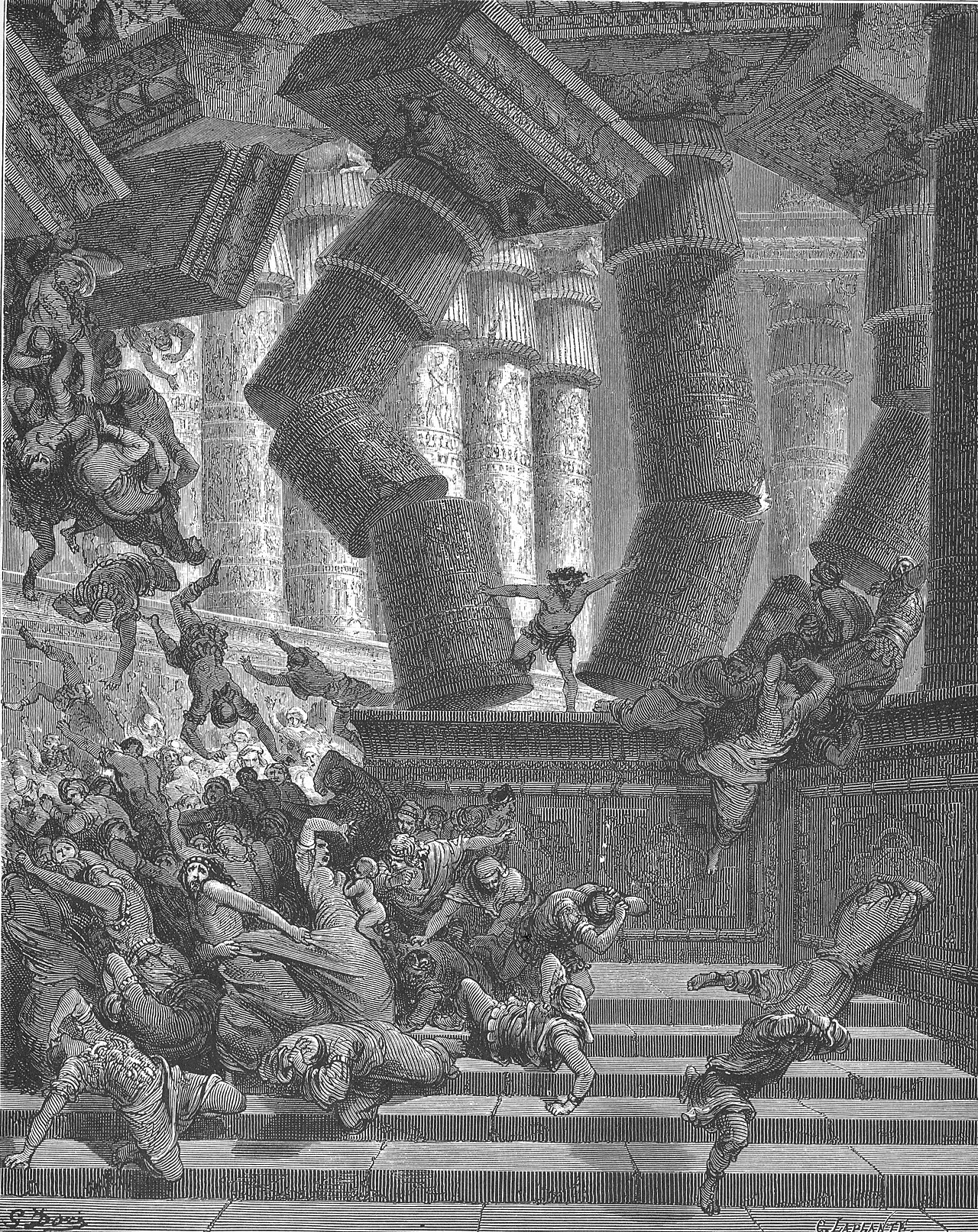
This page draws on Albert Barnes, Notes on the Old Testament; Jamieson, Fausset & Brown, Commentary Critical and Explanatory on the Whole Bible; John Gill, Exposition of the Old Testament; John Gill, Exposition of the Old Testament (1748-1763) and Matthew Henry, Commentary on the Whole Bible.