
Isaiah 66:5
in Isaiah 66You who tremble at His word, hear the word of the LORD: “Your brothers who hate you and exclude you because of My name have said, ‘Let the LORD be glorified that we may see your joy!’ But they will be put to shame.”
BSB
The same verse in ASV and KJV ▾
ASV
Hear the word of Jehovah, ye that tremble at his word: Your brethren that hate you, that cast you out for my name’s sake, have said, Let Jehovah be glorified, that we may see your joy; but it is they that shall be put to shame.
KJV
Hear the word of the Lord, ye that tremble at his word; Your brethren that hated you, that cast you out for my name’s sake, said, Let the Lord be glorified: but he shall appear to your joy, and they shall be ashamed.
⋯
This verse in Isaiah 66
Commentary
9 notes on this verseA commentator
Albert Barnes1798–1870
Notes, Explanatory and Practical, on the Old and New Testaments (1832-1869)
Hear the word of the Lord - This is an address to the pious and persecuted portion of the nation. It is designed for their consolation, and contains the assurance that Yahweh would appear in their behalf, and that they should be under his protecting care though they were cast out by their brethren. To whom this refers has been a question with expositors, and it is perhaps not possible to determine with certainty.
This site's exposition
You who tremble at His word
“You who tremble at His word” picks up verse 2 and names a group inside Israel marked by reverence. Their people turn on them: “Your brothers who hate you and exclude you”. The mockers' words are quoted against them, and the verse ends, “But they will be put to shame”.
The record, by era
The Church Fathers1 voice
(Verse 5) Hear the word of the Lord, you who tremble at his word. Your brothers who hate you and cast you out because of my name have said: Let the Lord be glorified, that we may see your joy; but they will be put to shame. LXX: Hear the word of the Lord, you who tremble at his word. Say to your brothers who hate you and despise you, that the name of the Lord may be glorified, and appear in their joy; and let them be put to shame.
The Medieval Church2 voices
"Your brothers who hate you." Consider them as your brothers, he says, even though they hate you because of your faith, and lead them to the fear of God, so that "the Lord may be glorified in you." According to Henana, consider them to be …
Hear the word of the Lord. Here he describes the manner of execution of the sentence. And first, as to the rewards of the good; second, as to the punishments of the wicked: and the hand of the Lord shall be known (Isa 66:14). The …
The Puritans and the Awakening2 voices
This perhaps might have reference to the case of some of the Jews at their return out of captivity; but nothing like it appears in the history, and therefore it is rather to be referred to the first preachers and professors of the gospel among the Jews, to whose case it is very applicable. How the faithful servants of God were persecuted: Their brethren hated them.
Hear the word of the Lord, ye that tremble at his word,....
2 more voices on this verse
The Nineteenth Century2 voices
A commentator
Jamieson, Fausset & Brown1802–1910
Commentary Critical and Explanatory on the Whole Bible (1871)
proposed
"Let the Lord show Himself glorious," namely, by manifesting Himself in your behalf; as the parallelism to, "He shall appear to your joy," requires (as in Isa 5:19; compare Isa 28:15; So again Christ on the cross (Mt 27:42, 43). appear to your joy--giving you "joy" instead of your "rebuke" (Isa 25:8, 9).
quarantine:debris (2026-07-29) — unbalanced-parens
Your brethren that hated you - said “Say ye to your brethren that hate you” - The Syriac reads אמרו לאחיכם imru laacheychem; and so the Septuagint, Edit. Comp. ειπατε αδελφοις ὑμων· and MS. Marchal. has αδελφοις· and so Cyril and Procopius read and explain it. It is not easy to make sense of the reading of the Septuagint in the other editions; ειπατε αδελφοι ἡμων τοις μισουσιν ὑμας· but for ἡμων, our, MS. 1. D. 2 also has ὑμων, your.
The words behind it
18 Hebrew wordsEvery Hebrew word of this verse in the order it stands, with what it means and the door to its own study. The last column counts the times a word stands in the whole Bible: the rarer the word, the more the places it appears belong together.
| Hebrew | Sound | Meaning | Word study | In the Bible |
|---|---|---|---|---|
| שִׁמְעוּ֙ | shimu | hear | H8085 → | 1159 times |
| דְּבַר־ | devar- | [the] word of | H1697 → | 1440 times |
| יְהוָ֔ה | yahweh | Yahweh | H3068 → | 6520 times |
| הַחֲרֵדִ֖ים | hacharedim | O [people] trembling | H2730 → | |
| אֶל־ | ʾel- | to | H413 → | 5510 times |
| דְּבָר֑וֹ | devaro | word his | H1697 → | 1440 times |
| אָמְרוּ֩ | ʾameru | they have said | H559 → | 5305 times |
| אֲחֵיכֶ֨ם | ʾacheikhem | relatives your | H251 → | 630 times |
| שֹׂנְאֵיכֶ֜ם | soneeikhem | [who] hate you | H8130 → | 146 times |
| מְנַדֵּיכֶ֗ם | menadeikhem | [who] exclude you | H5077 → | |
| לְמַ֤עַן | lemaan | for [the] sake of | H4616 → | 272 times |
| שְׁמִי֙ | shemi | name my | H8034 → | 864 times |
| יִכְבַּ֣ד | yikhbad | <he> will be honored | H3513 → | 113 times |
| יְהוָ֔ה | yahweh | Yahweh | H3068 → | 6520 times |
| וְנִרְאֶ֥ה | venireh | so we may look | H7200 → | 1300 times |
| בְשִׂמְחַתְכֶ֖ם | vesimchatkhem | on joy your | H8057 → | 94 times |
| וְהֵ֥ם | vehem | and they | H1992 → | 553 times |
| יֵבֹֽשׁוּ׃ | yevoshu | they will be ashamed | H954 → | 127 times |
שִׁמְעוּ֙hear
shimuH8085 →1159 times
דְּבַר־[the] word of
devar-H1697 →1440 times
יְהוָ֔הYahweh
yahwehH3068 →6520 times
הַחֲרֵדִ֖יםO [people] trembling
hacharedimH2730 →
אֶל־to
ʾel-H413 →5510 times
דְּבָר֑וֹword his
devaroH1697 →1440 times
אָמְרוּ֩they have said
ʾameruH559 →5305 times
אֲחֵיכֶ֨םrelatives your
ʾacheikhemH251 →630 times
שֹׂנְאֵיכֶ֜ם[who] hate you
soneeikhemH8130 →146 times
מְנַדֵּיכֶ֗ם[who] exclude you
menadeikhemH5077 →
לְמַ֤עַןfor [the] sake of
lemaanH4616 →272 times
שְׁמִי֙name my
shemiH8034 →864 times
יִכְבַּ֣ד<he> will be honored
yikhbadH3513 →113 times
יְהוָ֔הYahweh
yahwehH3068 →6520 times
וְנִרְאֶ֥הso we may look
venirehH7200 →1300 times
בְשִׂמְחַתְכֶ֖םon joy your
vesimchatkhemH8057 →94 times
וְהֵ֥םand they
vehemH1992 →553 times
יֵבֹֽשׁוּ׃they will be ashamed
yevoshuH954 →127 times
A shaded row is a word that stands 400 times or fewer in the Bible.
The walk
8 stopsEach card is a verse this one points to, and under it the verses that one points to in turn. Where several paths arrive at the same place, that place is listed first: the text keeps returning to it.
Through
Matthew 10:22You will be hated by everyone because of My name, but the one who perseveres to the end will be saved.
it leads to
- Matthew 24:13
But the one who perseveres to the end will be saved.
- James 1:12
Blessed is the man who perseveres under trial, because when he has stood the test, he will receive the crown of life that God has promised to those who love Him.
- Revelation 2:10
Do not fear what you are about to suffer. Look, the devil is about to throw some of you into prison to test you, and you will suffer tribulation for ten days. Be faithful…
- Mark 13:13
You will be hated by everyone because of My name, but the one who perseveres to the end will be saved.
- Matthew 24:13
Through
Isaiah 66:2Has not My hand made all these things? And so they came into being,” declares the LORD. “This is the one I will esteem: he who is humble and contrite in spirit, who trembles…
it leads to
- Isaiah 57:15
For thus says the One who is high and lifted up, who inhabits eternity, whose name is Holy: “I dwell in a high and holy place, and with the oppressed and humble in spirit,…
- Psalms 34:18
The LORD is near to the brokenhearted; He saves the contrite in spirit.
- Psalms 51:17
The sacrifices of God are a broken spirit; a broken and a contrite heart, O God, You will not despise.
- Matthew 5:3–4
“Blessed are the poor in spirit, for theirs is the kingdom of heaven.
- Isaiah 57:15
Where this verse is studied
On this page
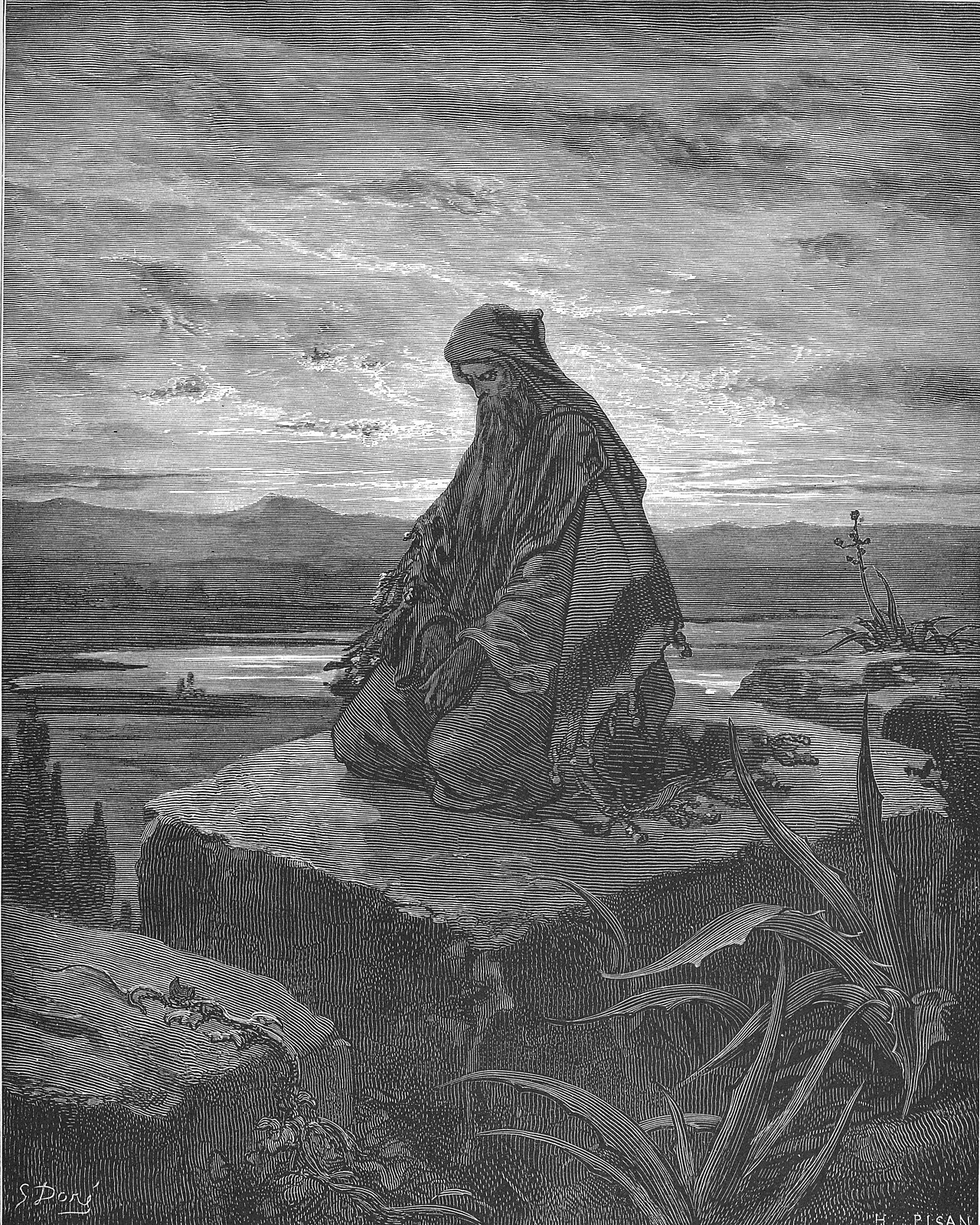
About Isaiah
This page draws on 10 works. Open the list of works
This page draws on Adam Clarke, Commentary on the Bible; Albert Barnes, Notes, Explanatory and Practical, on the Old and New Testaments (1832-1869); Albert Barnes, Notes on the Book of Isaiah; Ishodad of Merv, COMMENTARY ON ISAIAH 66:5; Jamieson, Fausset & Brown, Commentary Critical and Explanatory on the Whole Bible; Jerome, Commentary on Isaiah; John Gill, Exposition of the Old Testament (1748-1763); Joseph Addison Alexander, Commentary on the Prophecies of Isaiah; Matthew Henry, Commentary on the Whole Bible and Thomas Aquinas, Commentary on Isaiah.