
Deuteronomy 31:10
in Deuteronomy 31Then Moses commanded them, “At the end of every seven years, at the appointed time in the year of remission of debt, during the Feast of Tabernacles,
BSB
The same verse in ASV and KJV ▾
ASV
And Moses commanded them, saying, At the end of every seven years, in the set time of the year of release, in the feast of tabernacles,
KJV
And Moses commanded them, saying, At the end of every seven years, in the solemnity of the year of release, in the feast of tabernacles,
⋯
This verse in Deuteronomy 31
Commentary
3 notes on this verseAt the end of every seven years - thou shalt read this law - Every seventh year was a year of release, Deu 15:1, at which time the people’s minds, being under a peculiar degree of solemnity, were better disposed to hear and profit by the words of God. I suppose on this ground also that the whole book of Deuteronomy is meant, as it alone contains an epitome of the whole Pentateuch. And in this way some of the chief Jewish rabbins understand this place.
This site's exposition
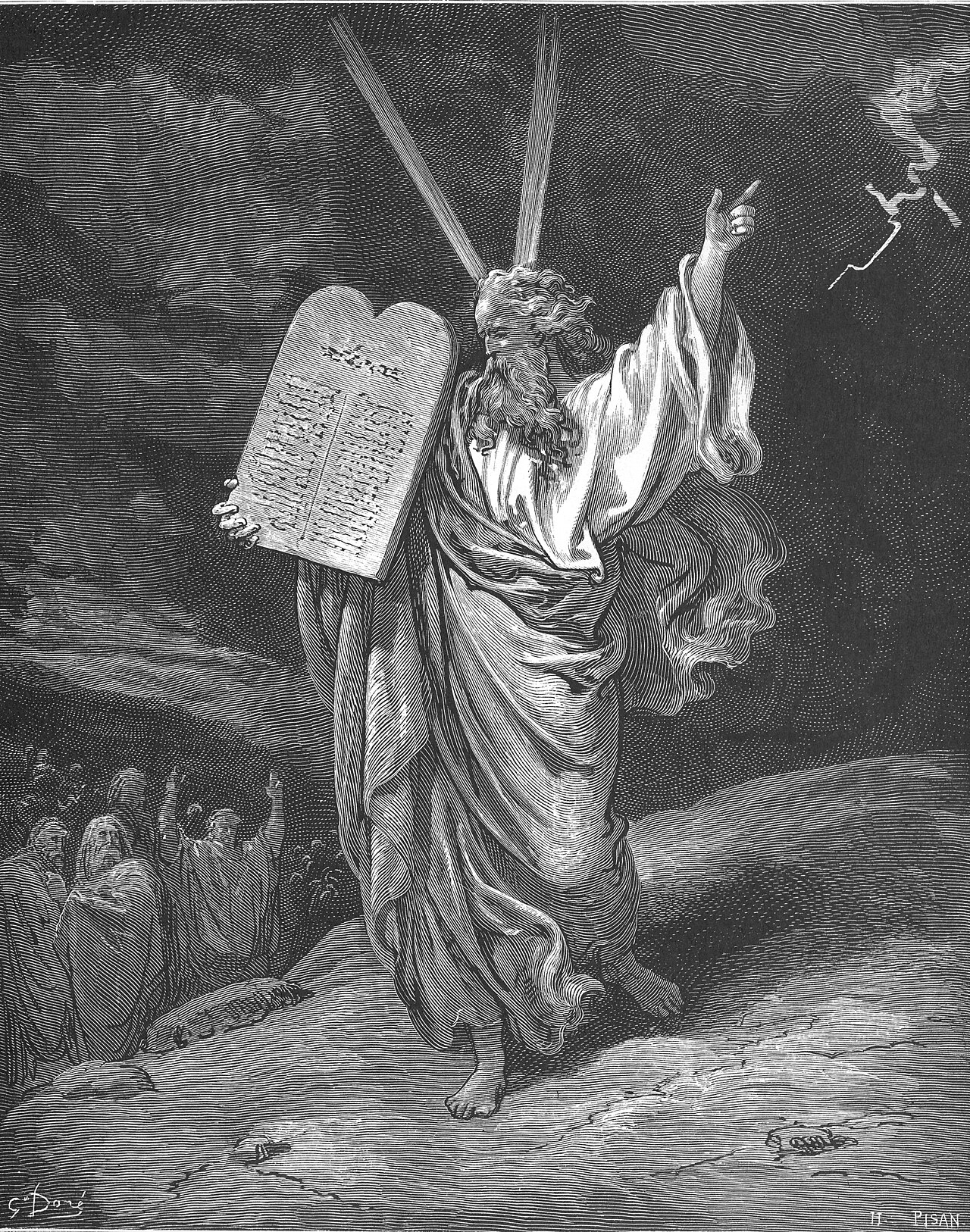
Moses wrote this law, and delivered it
on Deuteronomy 31:9-11
The law goes into writing and then into two sets of hands, the priests who bear the ark and the elders of Israel. The public reading is fixed to one point in the calendar, the feast of tabernacles in the year of release, which makes it every seventh year, and it happens in the place which the Lord shall choose, the phrase that falls fifteen times in chapters 12 to 26 and never once names the place. Jamieson, Fausset and Brown set this beside the ordinary practice of drawing two copies of a contract, one lodged for safekeeping and one left with the parties, and read verse 9 and verse 26 that way. Nehemiah 8:1-8 and 8:14-18 record such a reading at this same feast centuries later.
The record, by era
The Nineteenth Century1 voice
A commentator
Jamieson, Fausset & Brown1802–1910
Commentary Critical and Explanatory on the Whole Bible (1871)
on Deuteronomy 31:9-13
It was usual in cases of public or private contract for two copies of the engagement to be made--one to be deposited in the national archives or some secure place for reference, should occasion require. The other was to remain in the hands of the contracting parties (Jer 32:12-14). The same course was followed on this renewal of the covenant between God and Israel.
How the passage was read
What the Jewish commentators add
Moshe commanded them, saying: After seven years have ended, on the holy day of the Sh’mittah year, during the Sukkos festival;
This section is reception history: how the passage was read and kept in the Jewish tradition. Where a reading parts from an essential of the Christian faith, the section says so at that point.
Texts and citation data: Sefaria; each excerpt follows its version’s licence. 3 further sources are cited on this chapter that carry no English text this site may quote or only restate the verse.
The words behind it
12 Hebrew wordsEvery Hebrew word of this verse in the order it stands, with what it means and the door to its own study. The last column counts the times a word stands in the whole Bible: the rarer the word, the more the places it appears belong together.
| Hebrew | Sound | Meaning | Word study | In the Bible |
|---|---|---|---|---|
| וַיְצַ֥ו | vaytzav | and he commanded | H6680 → | 494 times |
| מֹשֶׁ֖ה | mosheh | Moses | H4872 → | 765 times |
| אוֹתָ֣ם | ʾotam | <obj.> them | H853 → | 10935 times |
| לֵאמֹ֑ר | lemor | <to> saying | H559 → | 5305 times |
| מִקֵּ֣ץ׀ | miketz | from [the] end of | H7093 → | 67 times |
| שֶׁ֣בַע | sheva' | seven | H7651 → | 394 times |
| שָׁנִ֗ים | shanim | years | H8141 → | 877 times |
| בְּמֹעֵ֛ד | bemoed | at [the] appointed time of | H4150 → | 223 times |
| שְׁנַ֥ת | shenat | [the] year of | H8141 → | 877 times |
| הַשְּׁמִטָּ֖ה | hashemitah | the remission | H8059 → | 5 times |
| בְּחַ֥ג | bechag | at [the] festival of | H2282 → | 62 times |
| הַסֻּכּֽוֹת׃ | hasukot | the booths | H5521 → | 31 times |
וַיְצַ֥וand he commanded
vaytzavH6680 →494 times
מֹשֶׁ֖הMoses
moshehH4872 →765 times
אוֹתָ֣ם<obj.> them
ʾotamH853 →10935 times
לֵאמֹ֑ר<to> saying
lemorH559 →5305 times
מִקֵּ֣ץ׀from [the] end of
miketzH7093 →67 times
שֶׁ֣בַעseven
sheva'H7651 →394 times
שָׁנִ֗יםyears
shanimH8141 →877 times
בְּמֹעֵ֛דat [the] appointed time of
bemoedH4150 →223 times
שְׁנַ֥ת[the] year of
shenatH8141 →877 times
הַשְּׁמִטָּ֖הthe remission
hashemitahH8059 →5 times
בְּחַ֥גat [the] festival of
bechagH2282 →62 times
הַסֻּכּֽוֹת׃the booths
hasukotH5521 →31 times
A shaded row is a word that stands 400 times or fewer in the Bible.
Where this verse is studied
On this page
About Deuteronomy
Who and where
1 name in this verse with a page on the site.
This page draws on Adam Clarke, Commentary on the Bible; Albert Barnes, Notes on the Old Testament and Jamieson, Fausset & Brown, Commentary Critical and Explanatory on the Whole Bible.