
Deuteronomy 12:15
in Deuteronomy 12But whenever you want, you may slaughter and eat meat within any of your gates, according to the blessing the LORD your God has given you. Both the ceremonially clean and unclean may eat it as they would a gazelle or deer,
BSB
The same verse in ASV and KJV ▾
ASV
Notwithstanding, thou mayest kill and eat flesh within all thy gates, after all the desire of thy soul, according to the blessing of Jehovah thy God which he hath given thee: the unclean and the clean may eat thereof, as of the gazelle, and as of the hart.
KJV
Notwithstanding thou mayest kill and eat flesh in all thy gates, whatsoever thy soul lusteth after, according to the blessing of the Lord thy God which he hath given thee: the unclean and the clean may eat thereof, as of the roebuck, and as of the hart.
⋯
This verse in Deuteronomy 12
Commentary
6 notes on this verseA commentator
Albert Barnes1798–1870
Notes, Explanatory and Practical, on the Old and New Testaments (1832-1869)
While a stringent injunction is laid down that the old rule (compare Lev 17:3, etc.) must be adhered to as regards animals slain in sacrifice, yet permission is now given to slaughter at home what was necessary for the table. The ceremonial distinctions did not apply in such cases, anymore than to “the roebuck” (or gazelle) “and hart,” animals allowed for food but not for sacrifice.
This site's exposition
Notwithstanding thou mayest kill and eat flesh
on Deuteronomy 12:15-16
Notwithstanding opens a concession, and it is a real change from what stood before. Leviticus 17:3-4 required that an ox, lamb or goat killed for the table be brought to the door of the tabernacle as a peace offering, and here a man may kill and eat in all thy gates. Distance is the reason, stated outright at verse 21, and the unclean and the clean may both eat because the meal is common rather than holy. Verse 16 holds one thing back from the concession, the blood, poured on the earth as water.
The record, by era
The Puritans and the Awakening2 voices
And this, I say, is much more unjust, because it is easier afterwards to distribute what has been unduly spared, and so to make a sort of restitution for the wrong, than it is to repay to wife, and children, and creditors, what has been unduly spent. Between these two extremes let wisdom find the mean, and then let watchfulness and resolution keep it. They must not eat blood (
quarantine:debris (2026-07-29) — unbalanced-parens
Notwithstanding, thou mayest kill and eat flesh in all thy gates,....
The Nineteenth Century2 voices
A commentator
Jamieson, Fausset & Brown1802–1910
Commentary Critical and Explanatory on the Whole Bible (1871)
proposed
Notwithstanding thou mayest kill and eat flesh in all thy gates--Every animal designed for food, whether ox, goat, or lamb, was during the abode in the wilderness ordered to be slain as a peace offering at the door of the tabernacle; its blood to be sprinkled, and its fat burnt upon the altar by the priest.
Thou mayest kill and eat flesh in all thy gates - With the proviso that the blood be poured out on the ground. 1. The blood should not be eaten. 2. It should be poured out by way of sacrifice. I think this is the meaning; and not that they should pour out the blood with as little ceremony and respect as they poured water upon the ground, which is the meaning according to Calmet and others. The roebuck, and - the hart - It is very likely that by צבי tsebi the antelope is meant; and by איל aiyal, the hart or deer. This is the opinion of Dr. Shaw; and from the report of travelers we learn that both these animals are found in that desert to the present day. See Harmer, vol. iv., p. 25, etc. Of the propriety of eating clean animals there could be no question, but the blood must be poured out; yet there were cases in which they might kill and eat in all their gates, cities, and dwellings - such as the roebuck and the hart, or all clean wild beasts, for these being taken in hunting, and frequently shot by arrows, their blood could not be poured out at the altar. Therefore the command appears to take in only such tame beasts as were used for food.
The words behind it
20 Hebrew wordsEvery Hebrew word of this verse in the order it stands, with what it means and the door to its own study. The last column counts the times a word stands in the whole Bible: the rarer the word, the more the places it appears belong together.
| Hebrew | Sound | Meaning | Word study | In the Bible |
|---|---|---|---|---|
| רַק֩ | rak | only | H7535 → | 109 times |
| בְּכָל־ | bekhol | in all | H3605 → | 5413 times |
| אַוַּ֨ת | ʾavat | [the] desire of | H185 → | 7 times |
| נַפְשְׁךָ֜ | nafshekha | self your | H5315 → | 754 times |
| תִּזְבַּ֣ח׀ | tizbach | you will slaughter | H2076 → | 134 times |
| וְאָכַלְתָּ֣ | veakhalta | and you will eat | H398 → | 810 times |
| בָשָׂ֗ר | vasar | meat | H1320 → | 270 times |
| כְּבִרְכַּ֨ת | kevirkat | according to [the] blessing of | H1293 → | 69 times |
| יְהוָ֧ה | yahweh | Yahweh | H3068 → | 6520 times |
| אֱלֹהֶ֛יךָ | ʾeloheikha | God your | H430 → | 2601 times |
| אֲשֶׁ֥ר | ʾasher | which | H834 → | 5497 times |
| נָֽתַן־ | natan- | he has given | H5414 → | 2011 times |
| לְךָ֖ | lekha | to you | ||
| בְּכָל־ | bekhol | in all | H3605 → | 5413 times |
| שְׁעָרֶ֑יךָ | sheareikha | gates your | H8179 → | 374 times |
| הַטָּמֵ֤א | hatame' | the unclean | H2931 → | 88 times |
| וְהַטָּהוֹר֙ | vehatahor | and the clean | H2889 → | 94 times |
| יֹאכְלֶ֔נּוּ | yokhelenu | he will eat it | H398 → | 810 times |
| כַּצְּבִ֖י | katzevi | like <the> gazelle | H6643 → | 33 times |
| וְכָאַיָּֽל׃ | vekhaaiyal | and like <the> deer | H354 → | 11 times |
רַק֩only
rakH7535 →109 times
בְּכָל־in all
bekholH3605 →5413 times
אַוַּ֨ת[the] desire of
ʾavatH185 →7 times
נַפְשְׁךָ֜self your
nafshekhaH5315 →754 times
תִּזְבַּ֣ח׀you will slaughter
tizbachH2076 →134 times
וְאָכַלְתָּ֣and you will eat
veakhaltaH398 →810 times
בָשָׂ֗רmeat
vasarH1320 →270 times
כְּבִרְכַּ֨תaccording to [the] blessing of
kevirkatH1293 →69 times
יְהוָ֧הYahweh
yahwehH3068 →6520 times
אֱלֹהֶ֛יךָGod your
ʾeloheikhaH430 →2601 times
אֲשֶׁ֥רwhich
ʾasherH834 →5497 times
נָֽתַן־he has given
natan-H5414 →2011 times
לְךָ֖to you
lekha
בְּכָל־in all
bekholH3605 →5413 times
שְׁעָרֶ֑יךָgates your
sheareikhaH8179 →374 times
הַטָּמֵ֤אthe unclean
hatame'H2931 →88 times
וְהַטָּהוֹר֙and the clean
vehatahorH2889 →94 times
יֹאכְלֶ֔נּוּhe will eat it
yokhelenuH398 →810 times
כַּצְּבִ֖יlike <the> gazelle
katzeviH6643 →33 times
וְכָאַיָּֽל׃and like <the> deer
vekhaaiyalH354 →11 times
A shaded row is a word that stands 400 times or fewer in the Bible.
The walk
5 stopsEach card is a verse this one points to, and under it the verses that one points to in turn. Where several paths arrive at the same place, that place is listed first: the text keeps returning to it.
Through
Deuteronomy 14:26Then you may spend the money on anything you desire: cattle, sheep, wine, strong drink, or anything you wish. You are to feast there in the presence of the LORD your God and rejoice…
it leads to
- Ecclesiastes 9:7
Go, eat your bread with joy, and drink your wine with a cheerful heart, for God has already approved your works:
- Deuteronomy 26:11
So you shall rejoice—you, the Levite, and the foreigner dwelling among you—in all the good things the LORD your God has given to you and your household.
- Deuteronomy 12:20–21
When the LORD your God expands your territory as He has promised, and you crave meat and say, “I want to eat meat,” you may eat it whenever you want.
- Matthew 21:12
Then Jesus entered the temple courts and drove out all who were buying and selling there. He overturned the tables of the money changers and the seats of those selling doves.
- 1 Corinthians 6:12–13
“Everything is permissible for me,” but not everything is beneficial. “Everything is permissible for me,” but I will not be mastered by anything.
- Ecclesiastes 9:7
Where this verse is studied
On this page
Studies1
About Deuteronomy
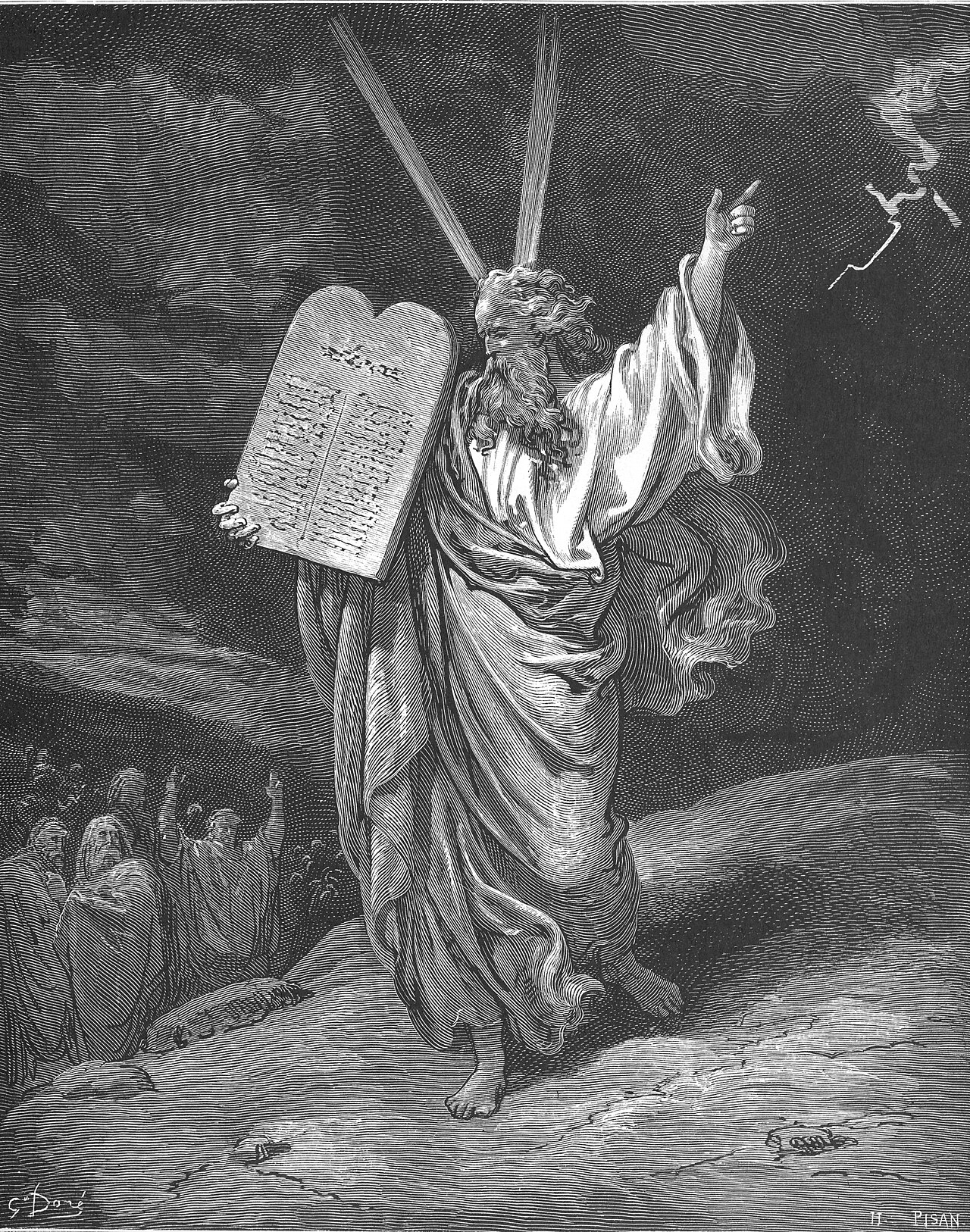
This page draws on Adam Clarke, Commentary on the Bible; Albert Barnes, Notes, Explanatory and Practical, on the Old and New Testaments (1832-1869); Albert Barnes, Notes on the Old Testament; Jamieson, Fausset & Brown, Commentary Critical and Explanatory on the Whole Bible; John Gill, Exposition of the Old Testament (1748-1763) and Matthew Henry, Commentary on the Whole Bible.