
2 Samuel 3:32
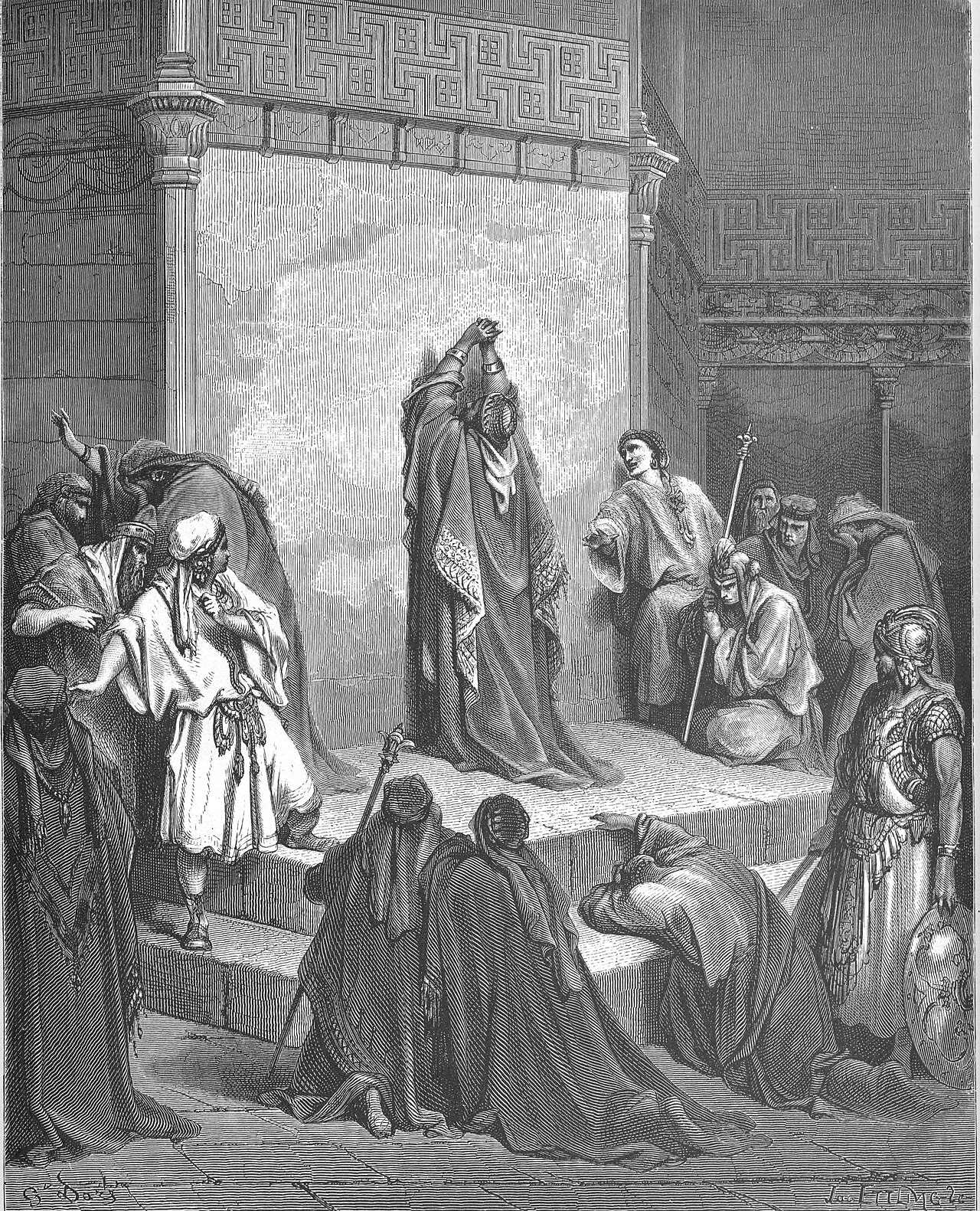
in 2 Samuel 3When they buried Abner in Hebron, the king wept aloud at Abner’s tomb, and all the people wept.
BSB
The same verse in ASV and KJV ▾
ASV
And they buried Abner in Hebron: and the king lifted up his voice, and wept at the grave of Abner; and all the people wept.
KJV
And they buried Abner in Hebron: and the king lifted up his voice, and wept at the grave of Abner; and all the people wept.
⋯
This verse in 2 Samuel 3
Commentary
4 notes on this verseThough Abner had been his enemy, and might possibly have proved no very firm friend, yet because he had been a man of bravery in the field, and might have done great service in the public counsels at this critical juncture, all former quarrels are forgotten and David is a true mourner for his fall.
This site's exposition
followed the bier
on 2 Samuel 3:31-32
David orders the whole camp into mourning, Joab included, and then walks behind Abner's own bier himself, a public act JFB reads as sincere grief given a public form rather than grief alone. He weeps again at the grave with all the people, and Henry reads the honor paid to a man who had been David's enemy through most of the chapter as proof that David bore Abner no private malice even while he could not yet bring Joab to account for killing him.
The record, by era
The Puritans and the Awakening2 voices
David's Wives and Children. 1 Now there was long war between the house of Saul and the house of David: but David waxed stronger and stronger, and the house of Saul waxed weaker and weaker. 2 And unto David were sons born in Hebron: and his firstborn was Amnon, of Ahinoam the Jezreelitess;
quarantine:scripture (2026-07-29) — scripture-overlap:92%@v1-3
And they buried Abner in Hebron,....
The words behind it
15 Hebrew wordsEvery Hebrew word of this verse in the order it stands, with what it means and the door to its own study. The last column counts the times a word stands in the whole Bible: the rarer the word, the more the places it appears belong together.
| Hebrew | Sound | Meaning | Word study | In the Bible |
|---|---|---|---|---|
| וַיִּקְבְּר֥וּ | vaiyikberu | and they buried | H6912 → | 133 times |
| אֶת־ | ʾet- | <obj.> | H853 → | 10935 times |
| אַבְנֵ֖ר | ʾavner | Abner | H74 → | 63 times |
| בְּחֶבְר֑וֹן | bechevron | in Hebron | H2275 → | 72 times |
| וַיִשָּׂ֧א | vayisa' | and he lifted up | H5375 → | 656 times |
| הַמֶּ֣לֶךְ | hamelekh | the king | H4428 → | 2525 times |
| אֶת־ | ʾet- | <obj.> | H853 → | 10935 times |
| קוֹל֗וֹ | kolo | voice his | H6963 → | 506 times |
| וַיֵּבְךְּ֙ | vaiyevek | and he wept | H1058 → | 114 times |
| אֶל־ | ʾel- | to | H413 → | 5510 times |
| קֶ֣בֶר | kever | [the] grave of | H6913 → | 67 times |
| אַבְנֵ֔ר | ʾavner | Abner | H74 → | 63 times |
| וַיִּבְכּ֖וּ | vaiyivku | and they wept | H1058 → | 114 times |
| כָּל־ | kol- | all | H3605 → | 5413 times |
| הָעָֽם׃ פ | haam | the people | H5971 → | 1873 times |
וַיִּקְבְּר֥וּand they buried
vaiyikberuH6912 →133 times
אֶת־<obj.>
ʾet-H853 →10935 times
אַבְנֵ֖רAbner
ʾavnerH74 →63 times
בְּחֶבְר֑וֹןin Hebron
bechevronH2275 →72 times
וַיִשָּׂ֧אand he lifted up
vayisa'H5375 →656 times
הַמֶּ֣לֶךְthe king
hamelekhH4428 →2525 times
אֶת־<obj.>
ʾet-H853 →10935 times
קוֹל֗וֹvoice his
koloH6963 →506 times
וַיֵּבְךְּ֙and he wept
vaiyevekH1058 →114 times
אֶל־to
ʾel-H413 →5510 times
קֶ֣בֶר[the] grave of
keverH6913 →67 times
אַבְנֵ֔רAbner
ʾavnerH74 →63 times
וַיִּבְכּ֖וּand they wept
vaiyivkuH1058 →114 times
כָּל־all
kol-H3605 →5413 times
הָעָֽם׃ פthe people
haamH5971 →1873 times
A shaded row is a word that stands 400 times or fewer in the Bible.
The walk
8 stopsEach card is a verse this one points to, and under it the verses that one points to in turn. Where several paths arrive at the same place, that place is listed first: the text keeps returning to it.
Through
Proverbs 24:17Do not gloat when your enemy falls, and do not let your heart rejoice when he stumbles,
it leads to
- Obadiah 1:12
But you should not gloat in that day, your brother’s day of misfortune, nor rejoice over the people of Judah in the day of their destruction, nor boast proudly in the day of their…
- Job 31:29
If I have rejoiced in my enemy’s ruin, or exulted when evil befell him—
- Proverbs 17:5
He who mocks the poor insults their Maker; whoever gloats over calamity will not go unpunished.
- 1 Corinthians 13:6–7
Love takes no pleasure in evil, but rejoices in the truth.
- 2 Samuel 16:5–14
As King David approached Bahurim, a man from the family of the house of Saul was just coming out. His name was Shimei son of Gera, and as he approached, he kept yelling out…
- Obadiah 1:12
Through
2 Samuel 18:33The king was shaken and went up to the gate chamber and wept. And as he walked, he cried out, “O my son Absalom! My son, my son Absalom! If only I had died…
it leads to
- 2 Samuel 19:4
But the king covered his face and cried out at the top of his voice, “O my son Absalom! O Absalom, my son, my son!”
- 2 Samuel 19:4
Through
Job 31:28this would also be an iniquity to be judged, for I would have denied God on high.
it leads to
- Deuteronomy 17:2–7
If a man or woman among you in one of the towns that the LORD your God gives you is found doing evil in the sight of the LORD your God by transgressing His…
- Job 31:11
For that would be a heinous crime, an iniquity to be judged.
- Deuteronomy 17:2–7
Where this verse is studied
On this page
Studies1
About 2 Samuel
Who and where
1 name in this verse with a page on the site.
This page draws on Jamieson, Fausset and Brown, Commentary Critical and Explanatory on the Whole Bible; John Gill, Exposition of the Old Testament (1748-1763) and Matthew Henry, Commentary on the Whole Bible.