
2 Samuel 3:37
in 2 Samuel 3So on that day all the troops and all Israel were convinced that the king had no part in the murder of Abner son of Ner.
BSB
The same verse in ASV and KJV ▾
ASV
So all the people and all Israel understood that day that it was not of the king to slay Abner the son of Ner.
KJV
For all the people and all Israel understood that day that it was not of the king to slay Abner the son of Ner.
⋯
This verse in 2 Samuel 3
Commentary
5 notes on this verseThis site's exposition
if I taste bread or anything else before the sun sets
on 2 Samuel 3:35-37
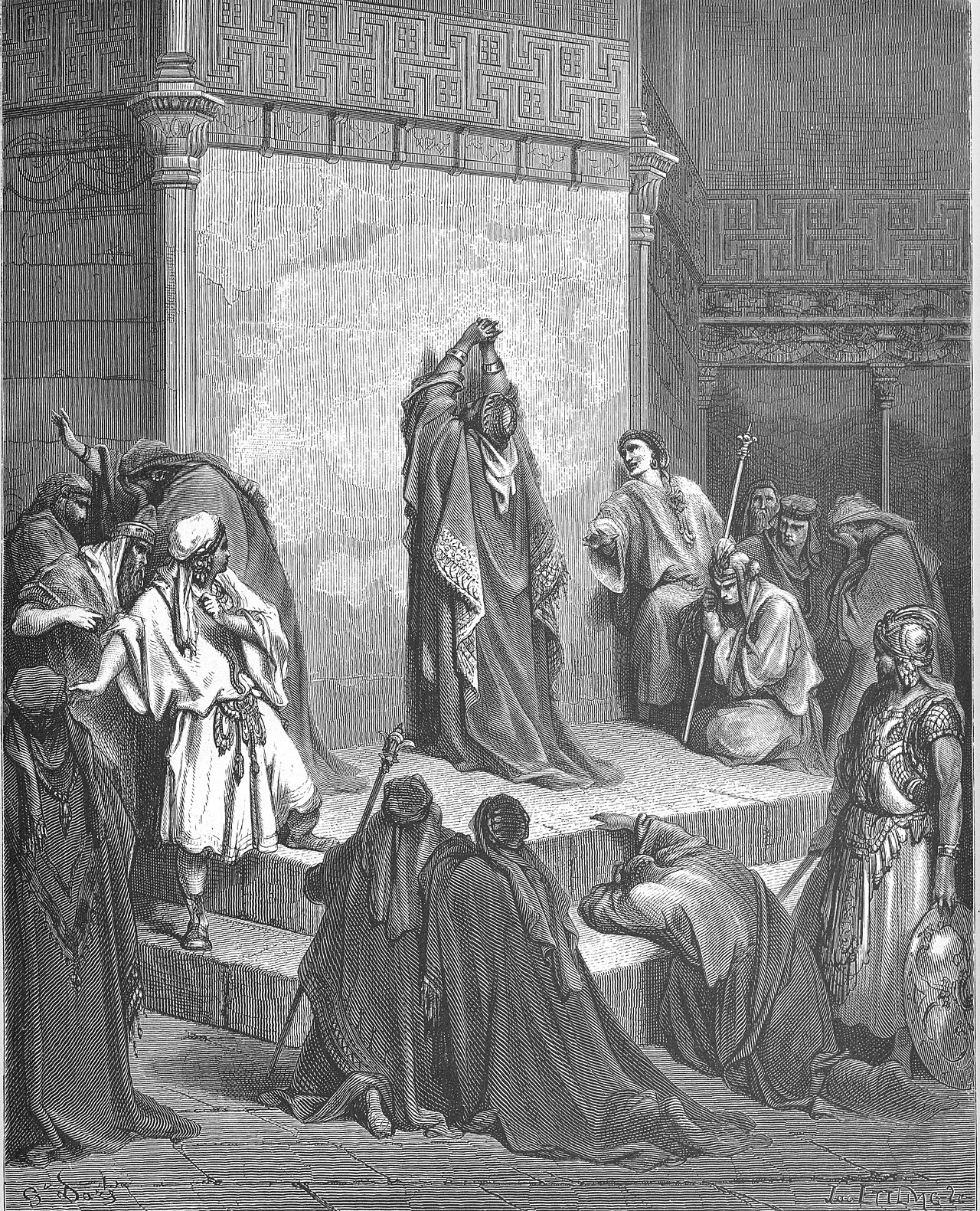
David fasts until sundown and swears the self-cursing oath, “May God punish me, and ever so severely”. All Israel “were convinced that the king had no part in the murder of Abner son of Ner”. Charles Spurgeon preached the episode in his sermon The King Can Do No Wrong.
This site's exposition
the king had no part in the murder
John Gill notes that all Israel understood it that same day. The northern tribes had lost the commander who was bringing them to David, and they cleared David of his death. Charles Spurgeon holds that David neither ordered the crime nor could have prevented it.
The record, by era
The Puritans and the Awakening3 voices
David's Wives and Children. 1 Now there was long war between the house of Saul and the house of David: but David waxed stronger and stronger, and the house of Saul waxed weaker and weaker. 2 And unto David were sons born in Hebron: and his firstborn was Amnon, of Ahinoam the Jezreelitess;
quarantine:scripture (2026-07-29) — scripture-overlap:92%@v1-3
), of which he was solicitous to avoid the suspicion, lest Joab's villany should make him odious, as that of Simeon and Levi did Jacob, Gen. xxxiv. On this occasion it is said, Whatever the king did pleased all the people.
quarantine:debris (2026-07-29) — leading-punctuation+unbalanced-parens
For all the people and all Israel understood that day,....
The words behind it
16 Hebrew wordsEvery Hebrew word of this verse in the order it stands, with what it means and the door to its own study. The last column counts the times a word stands in the whole Bible: the rarer the word, the more the places it appears belong together.
| Hebrew | Sound | Meaning | Word study | In the Bible |
|---|---|---|---|---|
| וַיֵּדְע֧וּ | vaiyedeu | and they knew | H3045 → | 945 times |
| כָל־ | khol- | all | H3605 → | 5413 times |
| הָעָ֛ם | haam | the people | H5971 → | 1873 times |
| וְכָל־ | vekhol | and all | H3605 → | 5413 times |
| יִשְׂרָאֵ֖ל | yisrael | Israel | H3478 → | 2507 times |
| בַּיּ֣וֹם | baiyom | on the day | H3117 → | 2304 times |
| הַה֑וּא | hahu' | <the> that | H1931 → | 1879 times |
| כִּ֣י | ki | that | H3588 → | 4482 times |
| לֹ֤א | lo' | not | H3808 → | 5168 times |
| הָיְתָה֙ | hayetah | it was | H1961 → | 3559 times |
| מֵֽהַמֶּ֔לֶךְ | mehamelekh | from the king | H4428 → | 2525 times |
| לְהָמִ֖ית | lehamit | to kill | H4191 → | 839 times |
| אֶת־ | ʾet- | <obj.> | H853 → | 10935 times |
| אַבְנֵ֥ר | ʾavner | Abner | H74 → | 63 times |
| בֶּן־ | ben- | [the] son of | H1121 → | 4930 times |
| נֵֽר׃ פ | ner | Ner | H5369 → | 17 times |
וַיֵּדְע֧וּand they knew
vaiyedeuH3045 →945 times
כָל־all
khol-H3605 →5413 times
הָעָ֛םthe people
haamH5971 →1873 times
וְכָל־and all
vekholH3605 →5413 times
יִשְׂרָאֵ֖לIsrael
yisraelH3478 →2507 times
בַּיּ֣וֹםon the day
baiyomH3117 →2304 times
הַה֑וּא<the> that
hahu'H1931 →1879 times
כִּ֣יthat
kiH3588 →4482 times
לֹ֤אnot
lo'H3808 →5168 times
הָיְתָה֙it was
hayetahH1961 →3559 times
מֵֽהַמֶּ֔לֶךְfrom the king
mehamelekhH4428 →2525 times
לְהָמִ֖יתto kill
lehamitH4191 →839 times
אֶת־<obj.>
ʾet-H853 →10935 times
אַבְנֵ֥רAbner
ʾavnerH74 →63 times
בֶּן־[the] son of
ben-H1121 →4930 times
נֵֽר׃ פNer
nerH5369 →17 times
A shaded row is a word that stands 400 times or fewer in the Bible.
Where this verse is studied
On this page
Studies2
About 2 Samuel
This page draws on Adam Clarke, Commentary on the Bible; Charles Spurgeon, The Metropolitan Tabernacle Pulpit, Sermon No. 2420, The King Can Do No Wrong; John Gill, Exposition of the Old Testament (1748-1763) and Matthew Henry, Commentary on the Whole Bible.