
1 Kings 22:8
in 1 Kings 22The king of Israel answered, “There is still one man who can ask the LORD, but I hate him because he never prophesies anything good for me, but only bad. He is Micaiah son of Imlah.” “The king should not say that!” Jehoshaphat replied.
BSB
The same verse in ASV and KJV ▾
ASV
And the king of Israel said unto Jehoshaphat, There is yet one man by whom we may inquire of Jehovah, Micaiah the son of Imlah: but I hate him; for he doth not prophesy good concerning me, but evil. And Jehoshaphat said, Let not the king say so.
KJV
And the king of Israel said unto Jehoshaphat, There is yet one man, Micaiah the son of Imlah, by whom we may enquire of the Lord: but I hate him; for he doth not prophesy good concerning me, but evil. And Jehoshaphat said, Let not the king say so.
⋯
This verse in 1 Kings 22
Commentary
10 notes on this verseMicaiah the son of Imlah - The Jews suppose that it was this prophet who reproved Ahab for dismissing Ben-hadad, 1Ki 20:35, etc. And that it was because of the judgments with which he had threatened him, that Ahab hated him: I hate him, for he doth not prophesy good concerning me, but evil.
This site's exposition
Is there not still a prophet of the LORD here
on 1 Kings 22:7-8
Jehoshaphat's question implies he does not count the four hundred as prophets of the LORD in the sense he means. Ahab's answer confirms it: one man remains, “Micaiah son of Imlah”. Ahab says “I hate him because he never prophesies anything good for me, but only bad”.
This site's exposition
He is Micaiah son of Imlah
John Wesley separates this Micaiah son of Imlah from the prophet Micah, who lived about a hundred and fifty years later. Adam Clarke records the Jewish view that Micaiah was the prophet of 20:35 who condemned Ahab for sparing Ben-hadad. That word would explain why the king hates him.
The record, by era
The Puritans and the Awakening4 voices
One man - In this place, for whom I can speedily send: for there were also other prophets elsewhere in the kingdom, but these were not at hand. Micaiah - Not one of the twelve prophets, who lived about a hundred and fifty years after this time, but another of that name.
And the king of Israel said unto Jehoshaphat, there is yet one man (Micaiah the son of Imlah), by whom we may inquire of the Lord,....
He should have said, "Thou art unjust to the prophet, unkind to thyself, and puttest an affront upon his Lord and thine, in saying so." Such sinners as Ahab must be rebuked sharply.
Note, Those are wretchedly hardened in sin, and are ripening apace for ruin, who hate God's ministers because they deal plainly with them and faithfully warn them of their misery and danger by reason of sin, and reckon those their enemies that tell them the truth.
The Nineteenth Century1 voice
A commentator
Jamieson, Fausset & Brown1802–1910
Commentary Critical and Explanatory on the Whole Bible (1871)
proposed
Jos 21:38), on the site of the present Salt Lake, in the province of Belka. It lay within the territories of the Israelitish monarch, and was unjustly alienated; but whether it was one of the cities usurped by the first Ben-hadad, which his son had promised to restore, or was retained for some other reasons, the sacred historian has not mentioned.
quarantine:debris (2026-07-29) — unbalanced-parens
2 more voices on this verse
The Nineteenth Century1 voice
A commentator
Albert Barnes1798–1870
Notes, Explanatory and Practical, on the Old and New Testaments (1832-1869)
proposed
There is yet one man, Micaiah - Elijah, it appears, had withdrawn again after the events of the last chapter, and there was no known prophet of Yahweh within reach of Samaria except Micaiah. He doth not prophesy good concerning me but evil - Whether the tradition in 1Ki 20:41 note be true or not, it is certain that Ahab had imprisoned him 1Ki 22:26, and probable that the imprisonment was on account of threatening prophecies. Ahab suggests to Jehoshaphat that Micaiah is one who allows his private feelings to determine the utterances which he delivers as if from Yahweh. Hence, the force of Jehoshaphat’s answer, “Let not the king say so;” i. e., “Let not the king suppose that a prophet would be guilty of such impiety,” - an impiety from which even Balaam shrank Num 22:18.
Modern Voices1 voice
Nevertheless, because human nature always craves and half creates the things necessary to its happiness, there are approximations and suggestions of the possibility of such a race even here. The nearest approach I know to the temper of a Peasant in England is that of …
The words behind it
31 Hebrew wordsEvery Hebrew word of this verse in the order it stands, with what it means and the door to its own study. The last column counts the times a word stands in the whole Bible: the rarer the word, the more the places it appears belong together.
| Hebrew | Sound | Meaning | Word study | In the Bible |
|---|---|---|---|---|
| וַיֹּ֣אמֶר | vaiyomer | and he said | H559 → | 5305 times |
| מֶֽלֶךְ־ | melekh- | [the] king of | H4428 → | 2525 times |
| יִשְׂרָאֵ֣ל׀ | yisrael | Israel | H3478 → | 2507 times |
| אֶֽל־ | ʾel- | to | H413 → | 5510 times |
| יְהוֹשָׁפָ֡ט | yehoshafat | Jehoshaphat | H3092 → | 84 times |
| ע֣וֹד | od | still | H5750 → | 490 times |
| אִישׁ־ | ʾish- | a man | H376 → | 1663 times |
| אֶחָ֡ד | ʾechad | one | H259 → | 971 times |
| לִדְרֹשׁ֩ | lidrosh | to consult | H1875 → | 164 times |
| אֶת־ | ʾet- | <obj.> | H853 → | 10935 times |
| יְהוָ֨ה | yahweh | Yahweh | H3068 → | 6520 times |
| מֵאֹת֜וֹ | meoto | from <obj.> him | H853 → | 10935 times |
| וַאֲנִ֣י | vaani | and I | H589 → | 874 times |
| שְׂנֵאתִ֗יו | senetiv | I hate him | H8130 → | |
| כִּ֠י | ki | for | H3588 → | 4482 times |
| לֹֽא־ | lo'- | not | H3808 → | 5168 times |
| יִתְנַבֵּ֨א | yitnabe' | he prophesies | H5012 → | 115 times |
| עָלַ֥י | ʾalai | on me | H5921 → | 5755 times |
| טוֹב֙ | tov | good | H2896 → | 538 times |
| כִּ֣י | ki | that | H3588 → | 4482 times |
| אִם־ | ʾim- | except | H518 → | 1069 times |
| רָ֔ע | ra' | evil | H7451 → | 662 times |
| מִיכָ֖יְהוּ | mikhayehu | Micaiah | H4321 → | 21 times |
| בֶּן־ | ben- | [the] son of | H1121 → | 4930 times |
| יִמְלָ֑ה | yimlah | Imlah | H3229 → | |
| וַיֹּ֙אמֶר֙ | vaiyomer | and he said | H559 → | 5305 times |
| יְה֣וֹשָׁפָ֔ט | yehooshafat | Jehoshaphat | H3092 → | 84 times |
| אַל־ | ʾal- | may not | H408 → | 724 times |
| יֹאמַ֥ר | yomar | he speak | H559 → | 5305 times |
| הַמֶּ֖לֶךְ | hamelekh | the king | H4428 → | 2525 times |
| כֵּֽן׃ | ken | thus | H3651 → | 771 times |
וַיֹּ֣אמֶרand he said
vaiyomerH559 →5305 times
מֶֽלֶךְ־[the] king of
melekh-H4428 →2525 times
יִשְׂרָאֵ֣ל׀Israel
yisraelH3478 →2507 times
אֶֽל־to
ʾel-H413 →5510 times
יְהוֹשָׁפָ֡טJehoshaphat
yehoshafatH3092 →84 times
ע֣וֹדstill
odH5750 →490 times
אִישׁ־a man
ʾish-H376 →1663 times
אֶחָ֡דone
ʾechadH259 →971 times
לִדְרֹשׁ֩to consult
lidroshH1875 →164 times
אֶת־<obj.>
ʾet-H853 →10935 times
יְהוָ֨הYahweh
yahwehH3068 →6520 times
מֵאֹת֜וֹfrom <obj.> him
meotoH853 →10935 times
וַאֲנִ֣יand I
vaaniH589 →874 times
שְׂנֵאתִ֗יוI hate him
senetivH8130 →
כִּ֠יfor
kiH3588 →4482 times
לֹֽא־not
lo'-H3808 →5168 times
יִתְנַבֵּ֨אhe prophesies
yitnabe'H5012 →115 times
עָלַ֥יon me
ʾalaiH5921 →5755 times
טוֹב֙good
tovH2896 →538 times
כִּ֣יthat
kiH3588 →4482 times
אִם־except
ʾim-H518 →1069 times
רָ֔עevil
ra'H7451 →662 times
מִיכָ֖יְהוּMicaiah
mikhayehuH4321 →21 times
בֶּן־[the] son of
ben-H1121 →4930 times
יִמְלָ֑הImlah
yimlahH3229 →
וַיֹּ֙אמֶר֙and he said
vaiyomerH559 →5305 times
יְה֣וֹשָׁפָ֔טJehoshaphat
yehooshafatH3092 →84 times
אַל־may not
ʾal-H408 →724 times
יֹאמַ֥רhe speak
yomarH559 →5305 times
הַמֶּ֖לֶךְthe king
hamelekhH4428 →2525 times
כֵּֽן׃thus
kenH3651 →771 times
A shaded row is a word that stands 400 times or fewer in the Bible.
The walk
8 stopsEach card is a verse this one points to, and under it the verses that one points to in turn. Where several paths arrive at the same place, that place is listed first: the text keeps returning to it.
Through
Galatians 4:16Have I now become your enemy by telling you the truth?
it leads to
- Amos 5:10
There are those who hate the one who reproves in the gate and despise him who speaks with integrity.
- Proverbs 9:8
Do not rebuke a mocker, or he will hate you; rebuke a wise man, and he will love you.
- John 8:45
But because I speak the truth, you do not believe Me!
- Galatians 5:7
You were running so well. Who has obstructed you from obeying the truth?
- Amos 5:10
Through
John 7:7The world cannot hate you, but it hates Me, because I testify that its works are evil.
it leads to
- Proverbs 9:7–8
He who corrects a mocker brings shame on himself; he who rebukes a wicked man taints himself.
Reached by 2 separate paths from here.
- John 15:18–19
If the world hates you, understand that it hated Me first.
- Proverbs 9:7–8
Through
John 17:14I have given them Your word and the world has hated them; for they are not of the world, just as I am not of the world.
it leads to
- John 17:16
They are not of the world, just as I am not of the world.
- John 15:18–21
If the world hates you, understand that it hated Me first.
- John 17:16
Where this verse is studied
About 1 Kings
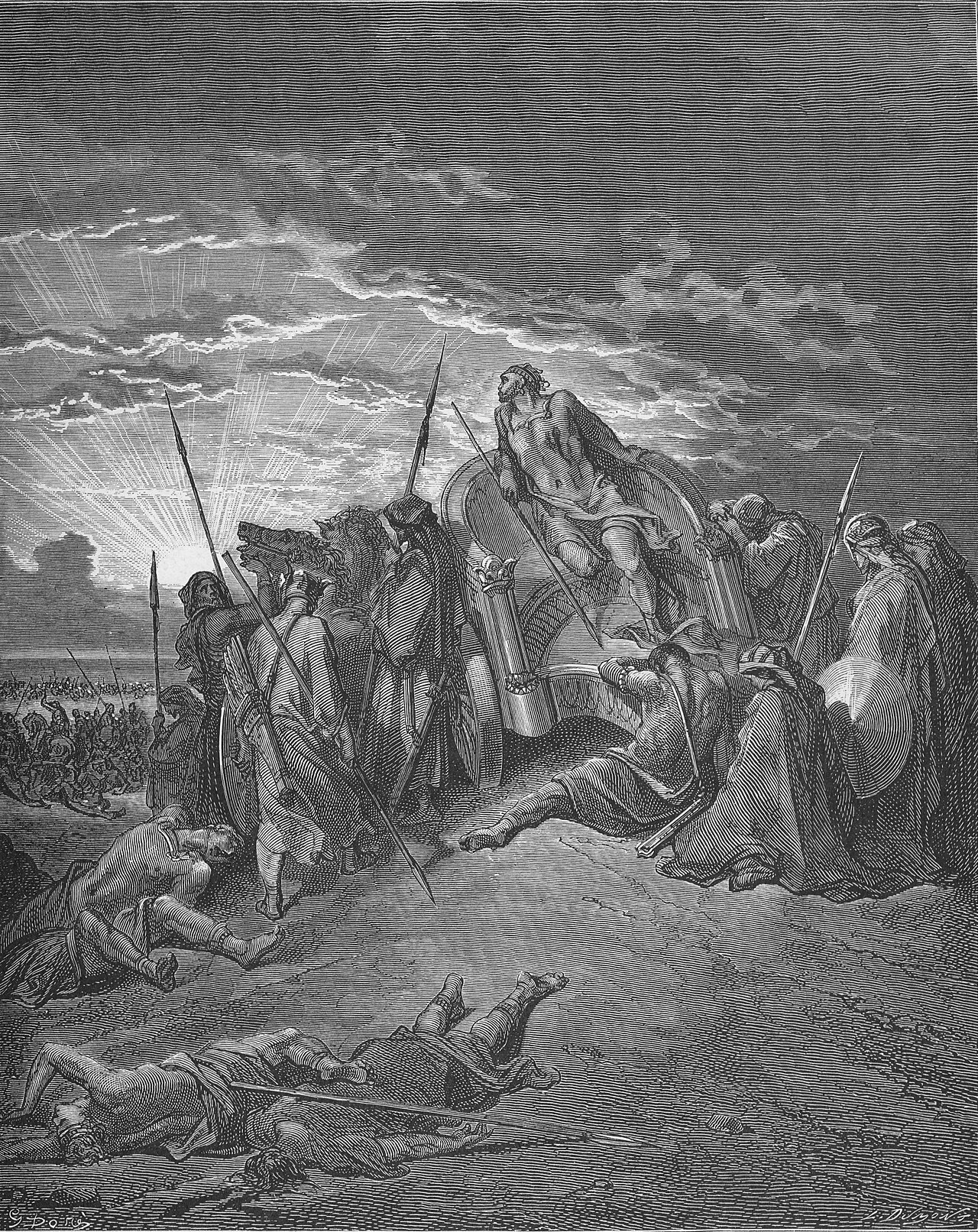
This page draws on Adam Clarke, Commentary on the Bible; Albert Barnes, Notes, Explanatory and Practical, on the Old and New Testaments (1832-1869); F. W. Farrar, The First Book of Kings (Expositor's Bible); GK Chesterton, A Miscellany of Men, The Gardener and the Guinea (1912); Jamieson, Fausset & Brown, Commentary Critical and Explanatory on the Whole Bible; John Gill, Exposition of the Old Testament (1748-1763); John Wesley, Explanatory Notes upon the Old Testament and Matthew Henry, Commentary on the Whole Bible.