
Nehemiah 8:10
in Nehemiah 8Then Nehemiah told them, “Go and eat what is rich, drink what is sweet, and send out portions to those who have nothing prepared, since today is holy to our Lord. Do not grieve, for the joy of the LORD is your strength.”
BSB
The same verse in ASV and KJV ▾
ASV
Then he said unto them, Go your way, eat the fat, and drink the sweet, and send portions unto him for whom nothing is prepared; for this day is holy unto our Lord: neither be ye grieved; for the joy of Jehovah is your strength.
KJV
Then he said unto them, Go your way, eat the fat, and drink the sweet, and send portions unto them for whom nothing is prepared: for this day is holy unto our Lord: neither be ye sorry; for the joy of the Lord is your strength.
⋯
This verse in Nehemiah 8
Commentary
8 notes on this verseEat the fat, and drink the sweet - Eat and drink the best that you have; and while ye are feeding yourselves in the fear of the Lord, remember those who cannot feast; and send portions to them, that the joy and the thanksgiving may be general. Let the poor have reason to rejoice as well as you.
This site's exposition
mourn not, nor weep
on Nehemiah 8:9-10
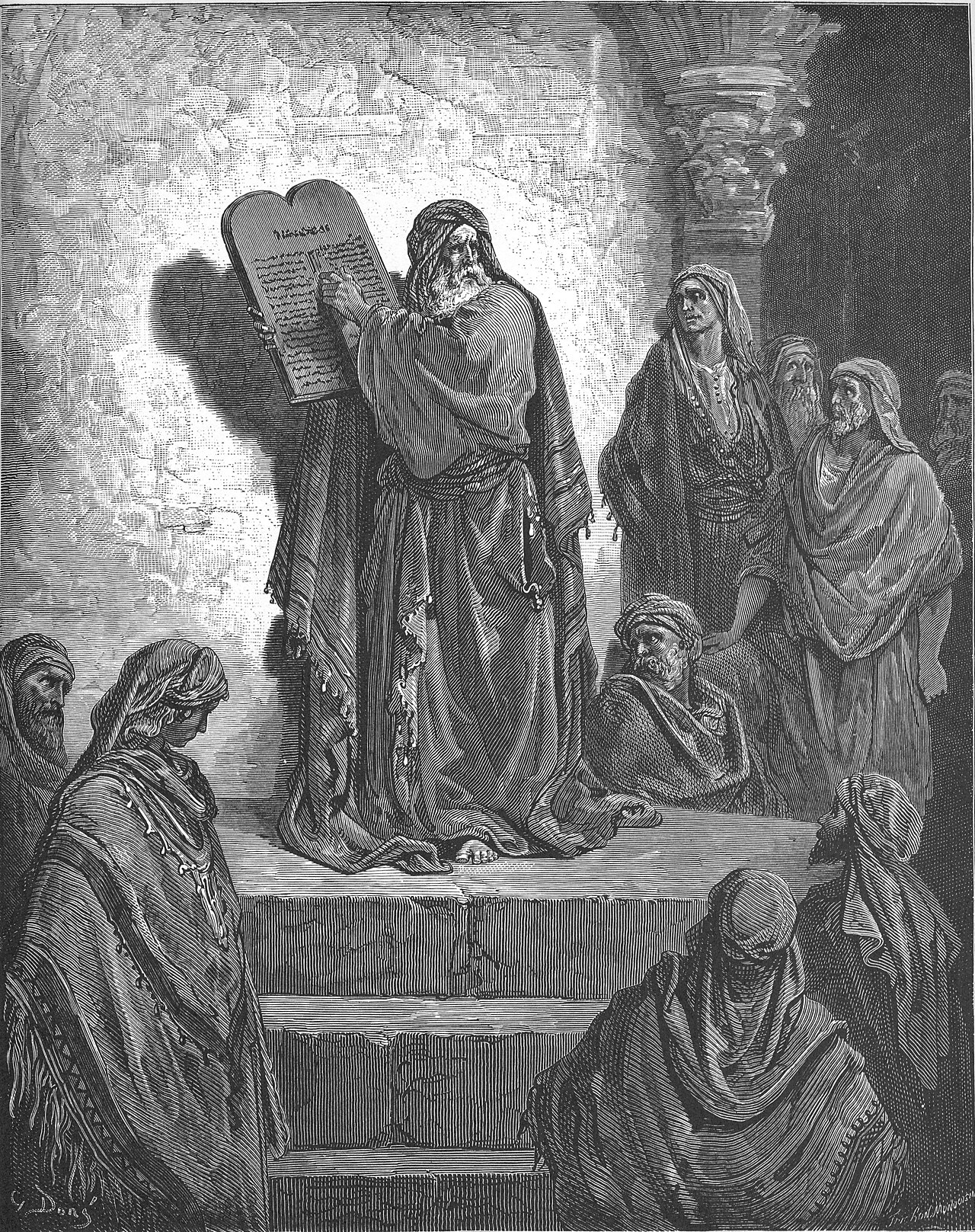
The people weep at hearing the law, the first honest response of a generation measuring itself against the book, and the leaders forbid the grief: this day is holy, and holiness here commands a feast. The instruction has a social half, send portions unto them for whom nothing is prepared, so the joy is distributed before it is enjoyed. Then the sentence that occurs nowhere else in Scripture: THE JOY OF THE LORD IS YOUR STRENGTH, joy not as the reward of strength but as its source, and Spurgeon preached the text by that name.
The record, by era
The Medieval Church1 voice
"And he said to them: Go, eat rich foods, etc." For the day of the Lord is holy to us when we strive to hear and fulfill his words. On which day, although suffering external tribulations, we ought to be rejoicing in hope, according to …
The Puritans and the Awakening2 voices
Strength - Rejoicing in God in serving him with chearfulness, and thankfulness, which is your duty always, but now especially, will give you that strength both of mind and body, which you greatly need, both to perform all the duties required of you, and to oppose all the designs of your enemies.
Then he said unto them,....
The Nineteenth Century2 voices
The Joy of the Lord, the Strength of His People A Sermon (No. 1027) Delivered on Lord’s Day Morning, December 31st, 1871, by C. H. SPURGEON, At the Metropolitan Tabernacle, Newington “The joy of the Lord is your strength.”—Nehemiah 8:10. “And the singers sang aloud, with Jezrahiah their overseer. Also that day they offered great sacrifices, and rejoiced: for God had made them rejoice with great joy: the wives also and the children rejoiced: so that the joy of Jerusalem was heard even afar off.”—Nehemiah 12:42-43.
The Joy of the Lord, the Strength of His People A Sermon (No. 1027) Delivered on Lord’s Day Morning, December 31st, 1871, by C. H. SPURGEON, At the Metropolitan Tabernacle, Newington “The joy of the Lord is your strength.”—Nehemiah 8:10. “And the singers sang aloud, with Jezrahiah their overseer. Also that day they offered great sacrifices, and rejoiced: for God had made them rejoice with great joy: the wives also and the children rejoiced: so that the joy of Jerusalem was heard even afar off.”—Nehemiah 12:42-43. LAST Sabbath day in the morning I spoke of the birth of our Saviour as being full of joy to the people of God, and, indeed, to all nations. We then looked at the joy from a distance; we will now in contemplation draw nearer to it, and perhaps as we consider it, and remark the multiplied reasons for its existence, some of those reasons may operate upon our own hearts, and we may go out of this house of prayer ourselves partakers of the exceeding great joy. We shall count it to have been a successful morning if the people of God are made to rejoice in the Lord, and especially if those who have been bowed down and burdened in soul shall receive the oil of joy for mourning. It is no mean thing to comfort the Lord’s mourners; it is a work specially dear to the Spirit of God, and, therefore, not to be lightly esteemed. Holy sorrow is precious before God, and is no bar to godly joy.
1 more voice on this verse
The Nineteenth Century1 voice
A commentator
Albert Barnes1798–1870
Notes, Explanatory and Practical, on the Old and New Testaments (1832-1869)
proposed
The “sending of portions” to the poor is not distinctly mentioned in any but the later historical Scriptures (compare the margin reference). The practice naturally grew out of this injunction of the Law Deu 16:11, Deu 16:14.
How the passage was read
On Nehemiah 8:1-18On Nehemiah 8:1-18
The seventh month, rediscovered
Everything in this chapter happens on the calendar of Leviticus 23. Ezra reads the Law on “the first day of the seventh month”: that is the Day of Trumpets, kept today as Rosh Hashanah, the Jewish new year, announced by the ram's-horn trumpet (shofar). Then the people find the command about booths and keep Tabernacles (Sukkot) for the first time “since the days of Joshua”: seven days living in leafy shelters, remembering the wilderness. Jewish families still build these booths every autumn: a hut in the yard or on the balcony, roofed with branches you can see the stars through, where meals are eaten all week.
The chapter also gives the day its enduring tone: “the joy of the LORD is your strength” was said on Rosh Hashanah, to a congregation weeping under the words of the Law and told instead to feast.
What the Jewish commentators add
to whoever has nothing prepared to a poor man who has no food prepared for himself.
1 more on this passage, in their own words ▾
quieted They admonished all the people to be quiet, that they should weep no longer.
This section is reception history: how the passage was read and kept in the Jewish tradition. Where a reading parts from an essential of the Christian faith, the section says so at that point.
Sources: Leviticus 23:23–43 (the seventh month's appointments) · Mishnah Sukkah 1:1 (the booth's rules)
Texts and citation data: Sefaria; each excerpt follows its version’s licence. 3 further sources are cited on this chapter that carry no English text this site may quote or only restate the verse.
The words behind it
23 Hebrew wordsEvery Hebrew word of this verse in the order it stands, with what it means and the door to its own study. The last column counts the times a word stands in the whole Bible: the rarer the word, the more the places it appears belong together.
| Hebrew | Sound | Meaning | Word study | In the Bible |
|---|---|---|---|---|
| וַיֹּ֣אמֶר | vaiyomer | and he said | H559 → | 5305 times |
| לָהֶ֡ם | lahem | to them | ||
| לְכוּ֩ | lekhu | go | H1980 → | 1546 times |
| אִכְל֨וּ | ʾikhlu | eat | H398 → | 810 times |
| מַשְׁמַנִּ֜ים | mashmanim | fat foods | H4924 → | |
| וּשְׁת֣וּ | ushetu | and drink | H8354 → | |
| מַֽמְתַקִּ֗ים | mamtakim | sweet things | H4477 → | |
| וְשִׁלְח֤וּ | veshilchu | and send | H7971 → | 845 times |
| מָנוֹת֙ | manot | portions | H4490 → | |
| לְאֵ֣ין | leein | to [any whom] nothing | H369 → | 789 times |
| נָכ֣וֹן | nakhon | [is] prepared | H3559 → | |
| ל֔וֹ | lo | for him | ||
| כִּֽי־ | ki- | for | H3588 → | 4482 times |
| קָד֥וֹשׁ | kadoosh | [is] holy | H6918 → | 116 times |
| הַיּ֖וֹם | haiyom | this day | H3117 → | 2304 times |
| לַאֲדֹנֵ֑ינוּ | laadoneinu | to lord<s> our | H113 → | 333 times |
| וְאַל־ | veal- | and may not | H408 → | 724 times |
| תֵּ֣עָצֵ֔בוּ | teatzevu | you be grieved | H6087 → | |
| כִּֽי־ | ki- | for | H3588 → | 4482 times |
| חֶדְוַ֥ת | chedvat | [the] joy of | H2304 → | |
| יְהוָ֖ה | yahweh | Yahweh | H3068 → | 6520 times |
| הִ֥יא | hi' | it | H1931 → | 1879 times |
| מָֽעֻזְּכֶֽם׃ | mauzekhem | [is] refuge your | H4581 → |
וַיֹּ֣אמֶרand he said
vaiyomerH559 →5305 times
לָהֶ֡םto them
lahem
לְכוּ֩go
lekhuH1980 →1546 times
אִכְל֨וּeat
ʾikhluH398 →810 times
מַשְׁמַנִּ֜יםfat foods
mashmanimH4924 →
וּשְׁת֣וּand drink
ushetuH8354 →
מַֽמְתַקִּ֗יםsweet things
mamtakimH4477 →
וְשִׁלְח֤וּand send
veshilchuH7971 →845 times
מָנוֹת֙portions
manotH4490 →
לְאֵ֣יןto [any whom] nothing
leeinH369 →789 times
נָכ֣וֹן[is] prepared
nakhonH3559 →
ל֔וֹfor him
lo
כִּֽי־for
ki-H3588 →4482 times
קָד֥וֹשׁ[is] holy
kadooshH6918 →116 times
הַיּ֖וֹםthis day
haiyomH3117 →2304 times
לַאֲדֹנֵ֑ינוּto lord<s> our
laadoneinuH113 →333 times
וְאַל־and may not
veal-H408 →724 times
תֵּ֣עָצֵ֔בוּyou be grieved
teatzevuH6087 →
כִּֽי־for
ki-H3588 →4482 times
חֶדְוַ֥ת[the] joy of
chedvatH2304 →
יְהוָ֖הYahweh
yahwehH3068 →6520 times
הִ֥יאit
hi'H1931 →1879 times
מָֽעֻזְּכֶֽם׃[is] refuge your
mauzekhemH4581 →
A shaded row is a word that stands 400 times or fewer in the Bible.
The walk
8 stopsEach card is a verse this one points to, and under it the verses that one points to in turn. Where several paths arrive at the same place, that place is listed first: the text keeps returning to it.
Through
Proverbs 17:22A joyful heart is good medicine, but a broken spirit dries up the bones.
it leads to
- Proverbs 15:13
A joyful heart makes a cheerful countenance, but sorrow of the heart crushes the spirit.
- Proverbs 12:25
Anxiety weighs down the heart of a man, but a good word cheers it up.
- Proverbs 18:14
The spirit of a man can endure his sickness, but who can survive a broken spirit?
- 2 Corinthians 7:10
Godly sorrow brings repentance that leads to salvation without regret, but worldly sorrow brings death.
- Romans 5:2–5
through whom we have gained access by faith into this grace in which we stand. And we rejoice in the hope of the glory of God.
- Proverbs 15:13
Through
Ecclesiastes 9:7Go, eat your bread with joy, and drink your wine with a cheerful heart, for God has already approved your works:
it leads to
- Ecclesiastes 3:12–13
I know that there is nothing better for them than to rejoice and do good while they live,
- Deuteronomy 12:7
There, in the presence of the LORD your God, you and your households shall eat and rejoice in all you do, because the LORD your God has blessed you.
- Ecclesiastes 8:15
So I commended the enjoyment of life, because there is nothing better for a man under the sun than to eat and drink and be merry. For this joy will accompany him in his…
- Ecclesiastes 3:12–13
Where this verse is studied
On this page
About Nehemiah
Who and where
1 name in this verse with a page on the site.
This page draws on Adam Clarke, Commentary on the Bible; Albert Barnes, Notes, Explanatory and Practical, on the Old and New Testaments (1832-1869); Bede, Commentary on Ezra and Nehemiah; Charles Spurgeon, The Joy of the Lord, the Strength of His People (Metropolitan Tabernacle Pulpit, No. 1027); Charles Spurgeon, The Metropolitan Tabernacle Pulpit, Sermon No. 1027: “The Joy of the Lord, the Strength of His People” (lightly modernized text, CCEL edition); John Gill, Exposition of the Old Testament (1748-1763); John Wesley, Explanatory Notes upon the Old Testament and Matthew Henry, Commentary on the Whole Bible.