
Exodus 14:10
in Exodus 14As Pharaoh approached, the Israelites looked up and saw the Egyptians marching after them, and they were terrified and cried out to the LORD.
BSB
The same verse in ASV and KJV ▾
ASV
And when Pharaoh drew nigh, the children of Israel lifted up their eyes, and, behold, the Egyptians were marching after them; and they were sore afraid: and the children of Israel cried out unto Jehovah.
KJV
And when Pharaoh drew nigh, the children of Israel lifted up their eyes, and, behold, the Egyptians marched after them; and they were sore afraid: and the children of Israel cried out unto the Lord.
⋯
This verse in Exodus 14
Commentary
5 notes on this verseThe children of Israel cried out unto the Lord - Had their prayer been accompanied with faith, we should not have found them in the next verses murmuring against Moses, or rather against the Lord, through whose goodness they were now brought from under that bondage from which they had often cried for deliverance. Calmet thinks that the most pious and judicious cried unto God, while the unthinking and irreligious murmured against Moses.
This site's exposition
the children of Israel lifted up their eyes
Two things happen in the one verse, they were sore afraid and they cried out unto the LORD. Their crying out is the same act recorded at Exodus 2:23, where the cry came up unto God from the bondage and he remembered his covenant with Abraham, with Isaac, and with Jacob. Fear and prayer stand side by side here and the text prefers neither.
The record, by era
The Puritans and the Awakening3 voices
On the one hand was Pi-hahiroth, a range of craggy rocks impassable; on the other hand were Migdol and Baalzephon, which, some think were forts and garrisons upon the frontiers of Egypt; before them was the sea; behind them were the Egyptians: so that there was no way open for them but upwards, and thence their deliverance came.
And when Pharaoh drew nigh,....
Note, (1.) Praying, if of the right kind, is crying to God, which denotes it to be the language both of a natural and of an importunate desire. (2.) To quicken his diligence. Moses had something else to do besides praying; he was to command the hosts of Israel, and it was now requisite that he should be at his post.
How the passage was read
What the Jewish commentators add
Pharaoh drew near, and the B’nei Yisrael looked up, and beheld the Egyptians coming after them.
1 more on this passage, in their own words ▾
We find that the holy tongue employs two words with one meaning back to back when one would suffice.
This section is reception history: how the passage was read and kept in the Jewish tradition. Where a reading parts from an essential of the Christian faith, the section says so at that point.
Texts and citation data: Sefaria; each excerpt follows its version’s licence. 3 further sources are cited on this chapter that carry no English text this site may quote or only restate the verse.
The words behind it
18 Hebrew wordsEvery Hebrew word of this verse in the order it stands, with what it means and the door to its own study. The last column counts the times a word stands in the whole Bible: the rarer the word, the more the places it appears belong together.
| Hebrew | Sound | Meaning | Word study | In the Bible |
|---|---|---|---|---|
| וּפַרְעֹ֖ה | ufaroh | and Pharaoh | H6547 → | 274 times |
| הִקְרִ֑יב | hikriv | he drew near | H7126 → | 280 times |
| וַיִּשְׂאוּ֩ | vaiyisu | and they lifted up | H5375 → | 656 times |
| בְנֵֽי־ | venei- | [the] people of | H1121 → | 4930 times |
| יִשְׂרָאֵ֨ל | yisrael | Israel | H3478 → | 2507 times |
| אֶת־ | ʾet- | <obj.> | H853 → | 10935 times |
| עֵינֵיהֶ֜ם | ʾeineihem | eyes their | H5869 → | 887 times |
| וְהִנֵּ֥ה | vehineh | and there! | H2009 → | 843 times |
| מִצְרַ֣יִם׀ | mitzrayim | Egypt | H4713 → | 70 times |
| נֹסֵ֣עַ | nosea' | [was] marching | H5265 → | 146 times |
| אַחֲרֵיהֶ֗ם | ʾachareihem | after them | H310 → | 715 times |
| וַיִּֽירְאוּ֙ | vaiyireu | and they were afraid | H3372 → | 315 times |
| מְאֹ֔ד | meod | exceedingly | H3966 → | 300 times |
| וַיִּצְעֲק֥וּ | vaiyitzaku | and they cried out | H6817 → | 55 times |
| בְנֵֽי־ | venei- | [the] people of | H1121 → | 4930 times |
| יִשְׂרָאֵ֖ל | yisrael | Israel | H3478 → | 2507 times |
| אֶל־ | ʾel- | to | H413 → | 5510 times |
| יְהוָֽה׃ | yahweh | Yahweh | H3068 → | 6520 times |
וּפַרְעֹ֖הand Pharaoh
ufarohH6547 →274 times
הִקְרִ֑יבhe drew near
hikrivH7126 →280 times
וַיִּשְׂאוּ֩and they lifted up
vaiyisuH5375 →656 times
בְנֵֽי־[the] people of
venei-H1121 →4930 times
יִשְׂרָאֵ֨לIsrael
yisraelH3478 →2507 times
אֶת־<obj.>
ʾet-H853 →10935 times
עֵינֵיהֶ֜םeyes their
ʾeineihemH5869 →887 times
וְהִנֵּ֥הand there!
vehinehH2009 →843 times
מִצְרַ֣יִם׀Egypt
mitzrayimH4713 →70 times
נֹסֵ֣עַ[was] marching
nosea'H5265 →146 times
אַחֲרֵיהֶ֗םafter them
ʾachareihemH310 →715 times
וַיִּֽירְאוּ֙and they were afraid
vaiyireuH3372 →315 times
מְאֹ֔דexceedingly
meodH3966 →300 times
וַיִּצְעֲק֥וּand they cried out
vaiyitzakuH6817 →55 times
בְנֵֽי־[the] people of
venei-H1121 →4930 times
יִשְׂרָאֵ֖לIsrael
yisraelH3478 →2507 times
אֶל־to
ʾel-H413 →5510 times
יְהוָֽה׃Yahweh
yahwehH3068 →6520 times
A shaded row is a word that stands 400 times or fewer in the Bible.
The walk
8 stopsEach card is a verse this one points to, and under it the verses that one points to in turn. Where several paths arrive at the same place, that place is listed first: the text keeps returning to it.
Through
Psalms 34:17The righteous cry out, and the LORD hears; He delivers them from all their troubles.
it leads to
- Psalms 91:15
When he calls out to Me, I will answer him; I will be with him in trouble. I will deliver him and honor him.
Reached by 2 separate paths from here.
- Psalms 145:18–20
The LORD is near to all who call on Him, to all who call out to Him in truth.
- Isaiah 65:24
Even before they call, I will answer, and while they are still speaking, I will hear.
- Psalms 34:19
Many are the afflictions of the righteous, but the LORD delivers him from them all.
- Psalms 34:6
This poor man called out, and the LORD heard him; He saved him from all his troubles.
- Psalms 91:15
Through
Psalms 107:6Then they cried out to the LORD in their trouble, and He delivered them from their distress.
it leads to
- Psalms 50:15
Call upon Me in the day of trouble; I will deliver you, and you will honor Me.”
- Hebrews 4:15–16
For we do not have a high priest who is unable to sympathize with our weaknesses, but we have one who was tempted in every way that we are, yet was without sin.
- Jeremiah 29:12–14
Then you will call upon Me and come and pray to Me, and I will listen to you.
- Psalms 50:15
Where this verse is studied
On this page
Studies4
About Exodus
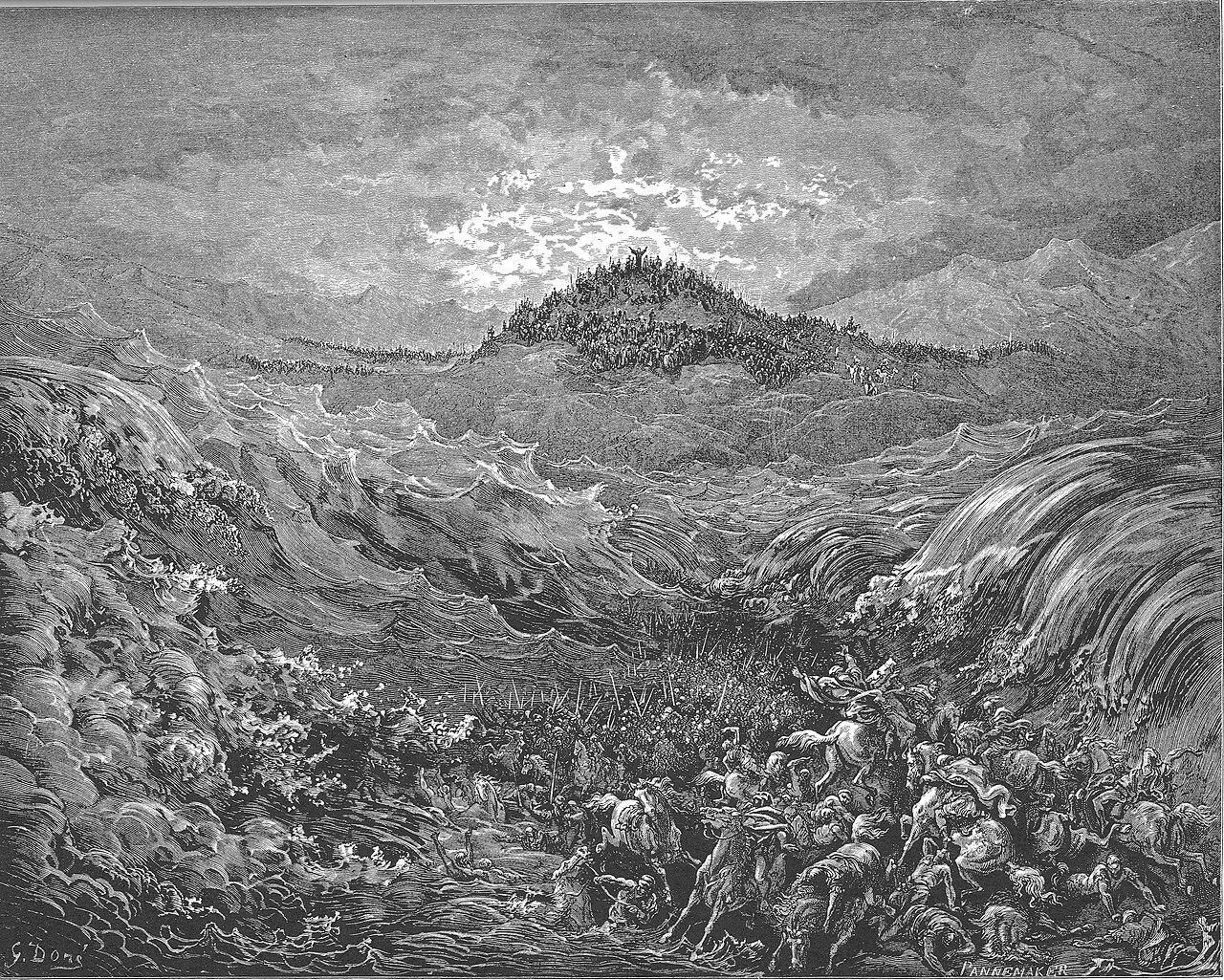
This page draws on Adam Clarke, Commentary on the Bible; John Gill, Exposition of the Old Testament (1748-1763) and Matthew Henry, Commentary on the Whole Bible.