
Deuteronomy 3:29
in Deuteronomy 3So we stayed in the valley opposite Beth-peor.
BSB
The same verse in ASV and KJV ▾
ASV
So we abode in the valley over against Beth-peor.
KJV
So we abode in the valley over against Beth–peor.
⋯
This verse in Deuteronomy 3
Commentary
4 notes on this verseSo we abode in the valley over against Bethpeor. In the plains of Moab, over against a temple built for Baalpeor upon a mountain, so called from that idol, or that idol from the mountain; this is the valley where Moses was buried, Deu 34:6.
This site's exposition
But charge Joshua, and encourage him
on Deuteronomy 3:28-29
Three things are laid on Moses for his successor, charge him, encourage him, strengthen him, and the reason attached is that Joshua will cause the people to inherit the land Moses will only see. The chapter closes with the camp in the valley over against Beth-peor, the place where Israel joined itself unto Baal-peor in Numbers 25 and lost twenty and four thousand. Deuteronomy 34:6 puts the grave of Moses in a valley over against Beth-peor, so the ground this long speech is delivered from is the ground the speaker is buried in.
The record, by era
The Nineteenth Century2 voices
A commentator
Albert Barnes1798–1870
Notes, Explanatory and Practical, on the Old and New Testaments (1832-1869)
Beth-peor, i. e., the house of Peor, no doubt derived its name from a temple of the Moabite god Peor which was there situated. It was no doubt near to Mount Peor Num 23:28, and also to the valley of the Jordan perhaps in the Wady Heshban.
Beth-peor - This was a city in the kingdom of Sihon king of the Amorites; and as בית beth signifies a house, the place probably had its name from a temple of the god Peor, who was worshipped there. Peor was nearly the same among the Moabites that Priapus was among the Romans - the obscene god of an obscene people. This we have already seen. It is very likely that what God speaks here, both concerning Moses and Joshua, was designed to be typical of the procedure of his justice and grace in the salvation of man. 1. The land of Canaan was a type of the kingdom of heaven. 2. The law, which shows the holiness of God and the exceeding sinfulness of sin, could not bring the people to the possession of that kingdom. 3. Moses may probably be considered here as the emblem of that law by which is the knowledge of sin, but not redemption from it 4. Joshua, the same as Jesus, the name signifying a Savior, is appointed to bring the people into the rest which God had provided for them; thus it is by Jesus Christ alone that the soul is saved - fitted for and brought into the possession of the heavenly inheritance, (see Joh 1:17; Gal 2:16; Gal 3:12, Gal 3:13, Gal 3:24); for he is the end of the law - the great scope and design of the law, for righteousness - for justification, to them that believe; Rom 10:4. Such a use as this every pious reader may make of the circumstances recorded here, without the danger of pushing analogy or metaphor beyond their reasonable limits.
The words behind it
5 Hebrew wordsEvery Hebrew word of this verse in the order it stands, with what it means and the door to its own study. The last column counts the times a word stands in the whole Bible: the rarer the word, the more the places it appears belong together.
| Hebrew | Sound | Meaning | Word study | In the Bible |
|---|---|---|---|---|
| וַנֵּ֣שֶׁב | vaneshev | and we remained | H3427 → | 1079 times |
| בַּגָּ֔יְא | bagay' | in the valley | H1516 → | 59 times |
| מ֖וּל | mul | opposite to | H4136 → | 36 times |
| בֵּ֥ית | beit | Beth | H1047 → | 8 times |
| פְּעֽוֹר׃ פ | peor | Peor | H1047 → | 8 times |
וַנֵּ֣שֶׁבand we remained
vaneshevH3427 →1079 times
בַּגָּ֔יְאin the valley
bagay'H1516 →59 times
מ֖וּלopposite to
mulH4136 →36 times
בֵּ֥יתBeth
beitH1047 →8 times
פְּעֽוֹר׃ פPeor
peorH1047 →8 times
A shaded row is a word that stands 400 times or fewer in the Bible.
The walk
8 stopsEach card is a verse this one points to, and under it the verses that one points to in turn. Where several paths arrive at the same place, that place is listed first: the text keeps returning to it.
Through
Deuteronomy 4:3Your eyes have seen what the LORD did at Baal-peor, for the LORD your God destroyed from among you all who followed Baal of Peor.
it leads to
- Psalms 106:28–29
They yoked themselves to Baal of Peor and ate sacrifices offered to lifeless gods.
Reached by 2 separate paths from here.
- Numbers 25:1–9
While Israel was staying in Shittim, the men began to indulge in sexual immorality with the daughters of Moab,
- Psalms 106:28–29
Through
Deuteronomy 34:6And He buried him in a valley in the land of Moab facing Beth-peor, and no one to this day knows the location of his grave.
it leads to
- Jude 1:9
But even the archangel Michael, when he disputed with the devil over the body of Moses, did not presume to bring a slanderous charge against him, but said, “The Lord rebuke you!”
- Jude 1:9
Through
Numbers 25:3So Israel joined in worshiping Baal of Peor, and the anger of the LORD burned against them.
it leads to
- Joshua 22:17
Was not the sin of Peor enough for us, from which we have not cleansed ourselves to this day? It even brought a plague upon the congregation of the LORD.
Reached by 2 separate paths from here.
- Hosea 9:10
I found Israel like grapes in the wilderness. I saw your fathers as the firstfruits of the fig tree in its first season. But they went to Baal-peor, and consecrated themselves to Shame; so…
- Joshua 22:17
Through
Deuteronomy 4:46while they were in the valley across the Jordan facing Beth-peor in the land of Sihon king of the Amorites, who lived in Heshbon and was defeated by Moses and the Israelites after they…
it leads to
- Numbers 21:21–32
Then Israel sent messengers to Sihon king of the Amorites, saying,
- Deuteronomy 2:30–36
But Sihon king of Heshbon would not let us pass through, for the LORD your God had made his spirit stubborn and his heart obstinate, that He might deliver him into your hand, as…
- Deuteronomy 1:4–5
This was after he had defeated Sihon king of the Amorites, who lived in Heshbon, and then at Edrei had defeated Og king of Bashan, who lived in Ashtaroth.
- Numbers 21:21–32
Where this verse is studied
On this page
About Deuteronomy
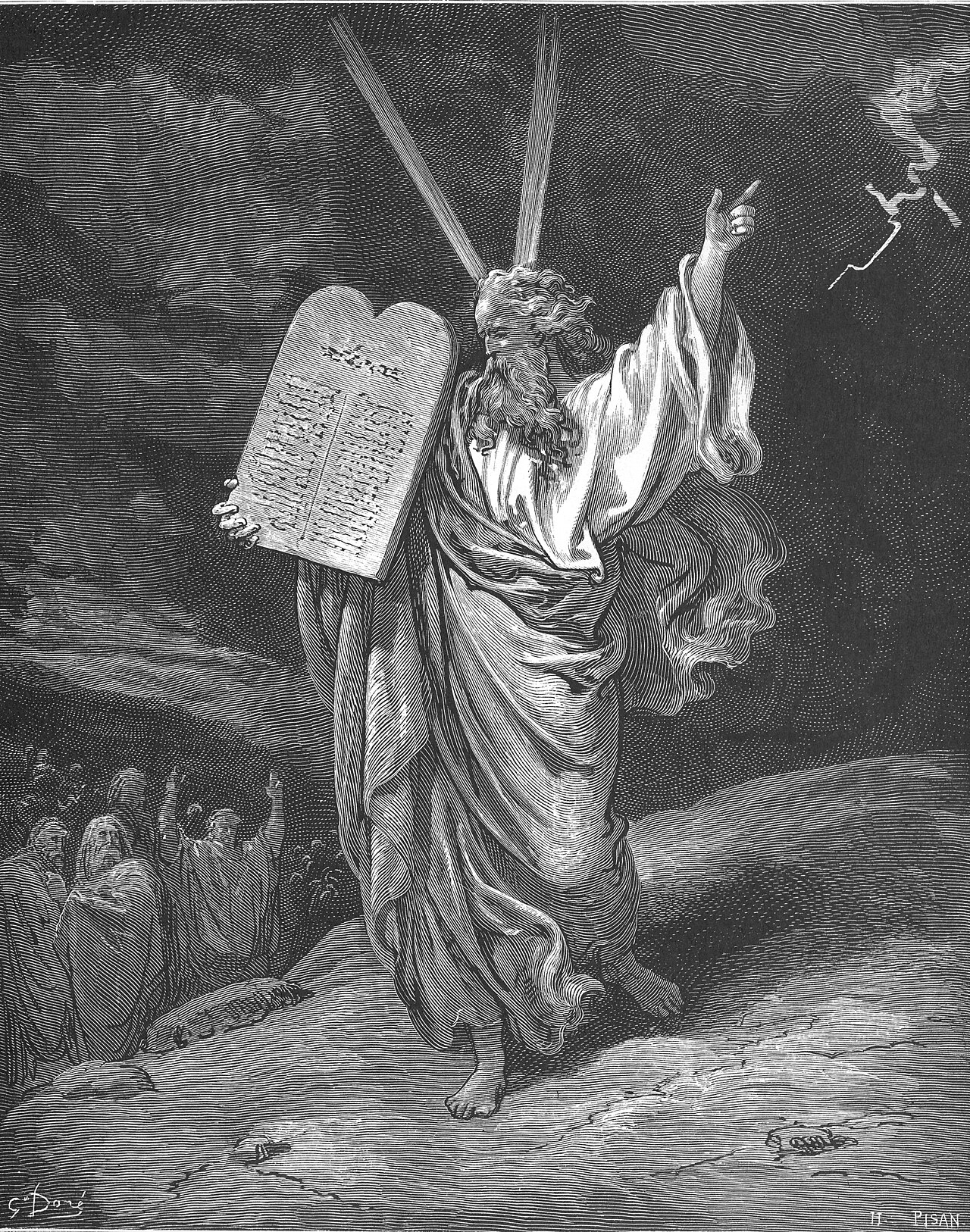
This page draws on Adam Clarke, Commentary on the Bible; Albert Barnes, Notes, Explanatory and Practical, on the Old and New Testaments (1832-1869); John Gill, Exposition of the Old Testament (1748-1763) and Keil and Delitzsch, Biblical Commentary on the Old Testament: The Pentateuch.