
Deuteronomy 11:12
in Deuteronomy 11It is a land for which the LORD your God cares; the eyes of the LORD your God are always on it, from the beginning to the end of the year.
BSB
The same verse in ASV and KJV ▾
ASV
a land which Jehovah thy God careth for: the eyes of Jehovah thy God are always upon it, from the beginning of the year even unto the end of the year.
KJV
A land which the Lord thy God careth for: the eyes of the Lord thy God are always upon it, from the beginning of the year even unto the end of the year.
⋯
This verse in Deuteronomy 11
Commentary
9 notes on this verseThis site's exposition
the land that you are entering to possess
on Deuteronomy 11:10-12
Egypt was watered by labour from the Nile, and the new land "drinks in the rain from heaven", which puts the harvest under the sky. Adam Clarke takes "irrigated on foot" of a water engine worked by the feet, and others of channels opened with the foot. Verse 12 says "the eyes of the LORD your God are always on it", which gives the land a standing of its own.
This site's exposition
the eyes of the LORD
The care of verse 12 is the same attention that shuts the heavens at verse 17 when Israel turns to other gods. Clarke at verse 14 places the early rain about November and the latter rain about April, so the whole farming year lay under that watch. Rain and drought come from one hand.
The record, by era
The Puritans and the Awakening2 voices
A land which the Lord thy God careth for,....
But the land of Canaan was an uneven country, a land of hills and valleys, which not only gave a more pleasing prospect to the eye, but yielded a greater variety of soils for the several purposes of the husbandman. It was a land that had no great rivers in it, except Jordan, but drank water of the rain of heaven, and so, 1.
The Nineteenth Century3 voices
A commentator
Jamieson, Fausset & Brown1802–1910
Commentary Critical and Explanatory on the Whole Bible (1871)
proposed
A widely extending plain forms the cultivated portion of Egypt, and on the greater part of this low and level country rain never falls. This natural want is supplied by the annual overflow of the Nile, and by artificial means from the same source when the river has receded within its customary channel. Close by the bank the process of irrigation is very simple.
A commentator
Charles Spurgeon1834–1892
The New Park Street Pulpit, Sermon No. 58: “Canaan on Earth” (lightly modernized text, CCEL edition) (1855)
proposed
IT HAS generally been considered, that the passage of the Jordan by the Israelites is typical of death, and that Canaan is a fitting representation of heaven.
A commentator
Charles Spurgeon1834–1892
The New Park Street Pulpit, Sermon No. 58: “Canaan on Earth” (lightly modernized text, CCEL edition) (1855)
proposed
IT HAS generally been considered, that the passage of the Jordan by the Israelites is typical of death, and that Canaan is a fitting representation of heaven. We believe that in some sense it is true, and we do fondly cherish the household words of those hymns which describe our passing through Jordan’s billows, and landing safe on Canaan’s side; but we do think that the allegory does not hold, and that Jordan is not a fair exhibition of death, nor the land of Canaan a fair picture of the sweet land beyond the swelling flood which the Christian gains after death. For mark you, after the children of Israel had entered into Canaan, they had to fight with their enemies. It was a land filled with foes. Every city they entered they had to take by storm, unless a miracle dismantled it. They were warriors, even in the land of Canaan, fighting for their own inheritance; and though each tribe had its lot marked out, yet they had to conquer the giant Anakim, and encounter terrible hosts of Canaanites. But when we cross the river of death we shall have no foes to fight, no enemies to encounter. Heaven is a place already prepared for us; out of it the evil ones have long ago been driven; there brethren shall await us with pleasing faces, kind hands shall clasp ours, and loving words shall alone be heard. The shout of war shall ne’er be raised by us in heaven; we shall throw our swords away, and the scabbards with them. No battles with warriors there, no plains besoaked with blood, no hills where robbers dwell, no inhabitants with chariots of iron. It is “a land flowing with milk and honey;” and it dreams not of the foeman of Canaan of old. We think the church has lost the beauty of Scripture, in taking Jordan to mean death, and that a far fuller meaning is the true allegory to be connected with it.
2 more voices on this verse
The Nineteenth Century2 voices
THE Israelites had sojourned for a while in Egypt, a land which only produces food for its inhabitants by the laborious process of irrigating its fields. They had mingled with the sons of Ham as they watched with anxious eyes the swelling of the river Nile. They had shared in the incessant labors by which the waters were preserved in reservoirs, and afterwards eked out by slow degrees to nourish the various crops.
THE Israelites had sojourned for a while in Egypt, a land which only produces food for its inhabitants by the laborious process of irrigating its fields. They had mingled with the sons of Ham as they watched with anxious eyes the swelling of the river Nile. They had shared in the incessant labors by which the waters were preserved in reservoirs, and afterwards eked out by slow degrees to nourish the various crops. Moses tells them in this chapter that the land of Palestine was not at all like Egypt—it was a land which did not so much depend on the labor of the inhabitants as upon the good will of the God of Heaven. He calls it a land of hills and valleys, a land of springs and rivers, a land dependent not upon the rivers of earth but upon the rain of Heaven, and he styles it in conclusion, "A land which the Lord your God cares for: the eyes of the Lord your God are always upon it, from the beginning of the year even unto the end of the year." Observe here a type of the condition of the natural and the spiritual man! In this world in temporals and in all other respects the merely carnal man has to be his own providence, and to look to himself for all his needs. Hence his cares are always many, and frequently they become so heavy that they drive him to desperation. He lives a life of care, anxiety, sorrow, fretfulness and disappointment. He dwells in Egypt, and he knows that there is no joy, or comfort, or provision if it does not wear out his soul in winning it. But the spiritual man dwells in another country! His faith makes him a citizen of another land. It is true he endures the same toils, and experiences the same afflictions as the ungodly, but they deal with him after another fashion, for they come as a gracious Father's appointments and they go at the bidding of loving wisdom.
How the passage was read
What the Jewish commentators add
On the verses either side of this one
[AND TO SERVE HIM] WITH ALL YOUR HEART AND WITH ALL YOUR SOUL. “Has he not already mentioned with all thy heart and with all thy soul? 322 Above,:5. But that warning was addressed to the individual, and this is a warning to the community.
This section is reception history: how the passage was read and kept in the Jewish tradition. Where a reading parts from an essential of the Christian faith, the section says so at that point.
Texts and citation data: Sefaria; each excerpt follows its version’s licence. 6 further sources are cited on this chapter that carry no English text this site may quote or only restate the verse.
The words behind it
16 Hebrew wordsEvery Hebrew word of this verse in the order it stands, with what it means and the door to its own study. The last column counts the times a word stands in the whole Bible: the rarer the word, the more the places it appears belong together.
| Hebrew | Sound | Meaning | Word study | In the Bible |
|---|---|---|---|---|
| אֶ֕רֶץ | ʾeretz | a land | H776 → | 2504 times |
| אֲשֶׁר־ | ʾasher- | which | H834 → | 5497 times |
| יְהוָ֥ה | yahweh | Yahweh | H3068 → | 6520 times |
| אֱלֹהֶ֖יךָ | ʾeloheikha | God your | H430 → | 2601 times |
| דֹּרֵ֣שׁ | doresh | [is] caring for | H1875 → | 164 times |
| אֹתָ֑הּ | ʾotah | <obj.> it | H853 → | 10935 times |
| תָּמִ֗יד | tamid | continually | H8548 → | |
| עֵינֵ֨י | ʾeinei | [the] eyes of | H5869 → | 887 times |
| יְהוָ֤ה | yahweh | Yahweh | H3068 → | 6520 times |
| אֱלֹהֶ֙יךָ֙ | ʾeloheikha | God your | H430 → | 2601 times |
| בָּ֔הּ | bah | [are] on <the> it | ||
| מֵֽרֵשִׁית֙ | mereshit | from [the] beginning of | H7225 → | 51 times |
| הַשָּׁנָ֔ה | hashanah | the year | H8141 → | 877 times |
| וְעַ֖ד | vead | and until | H5704 → | 1261 times |
| אַחֲרִ֥ית | ʾacharit | [the] end of | H319 → | 61 times |
| שָׁנָֽה׃ ס | shanah | a year | H8141 → | 877 times |
אֶ֕רֶץa land
ʾeretzH776 →2504 times
אֲשֶׁר־which
ʾasher-H834 →5497 times
יְהוָ֥הYahweh
yahwehH3068 →6520 times
אֱלֹהֶ֖יךָGod your
ʾeloheikhaH430 →2601 times
דֹּרֵ֣שׁ[is] caring for
doreshH1875 →164 times
אֹתָ֑הּ<obj.> it
ʾotahH853 →10935 times
תָּמִ֗ידcontinually
tamidH8548 →
עֵינֵ֨י[the] eyes of
ʾeineiH5869 →887 times
יְהוָ֤הYahweh
yahwehH3068 →6520 times
אֱלֹהֶ֙יךָ֙God your
ʾeloheikhaH430 →2601 times
בָּ֔הּ[are] on <the> it
bah
מֵֽרֵשִׁית֙from [the] beginning of
mereshitH7225 →51 times
הַשָּׁנָ֔הthe year
hashanahH8141 →877 times
וְעַ֖דand until
veadH5704 →1261 times
אַחֲרִ֥ית[the] end of
ʾacharitH319 →61 times
שָׁנָֽה׃ סa year
shanahH8141 →877 times
A shaded row is a word that stands 400 times or fewer in the Bible.
The walk
8 stopsEach card is a verse this one points to, and under it the verses that one points to in turn. Where several paths arrive at the same place, that place is listed first: the text keeps returning to it.
Through
Psalms 34:15The eyes of the LORD are on the righteous, and His ears are inclined to their cry.
it leads to
- 1 Peter 3:12
For the eyes of the Lord are on the righteous, and His ears are inclined to their prayer. But the face of the Lord is against those who do evil.”
Reached by 2 separate paths from here.
- Psalms 33:18
Surely the eyes of the LORD are on those who fear Him, on those whose hope is in His loving devotion
Reached by 2 separate paths from here.
- Job 36:7
He does not take His eyes off the righteous, but He enthrones them with kings and exalts them forever.
Reached by 2 separate paths from here.
- Psalms 34:17
The righteous cry out, and the LORD hears; He delivers them from all their troubles.
- Psalms 130:2
O Lord, hear my voice; let Your ears be attentive to my plea for mercy.
- 1 Peter 3:12
Through
Psalms 33:18Surely the eyes of the LORD are on those who fear Him, on those whose hope is in His loving devotion
it leads to
- Psalms 147:11
The LORD is pleased with those who fear Him, who hope in His loving devotion.
- Psalms 34:15–20
The eyes of the LORD are on the righteous, and His ears are inclined to their cry.
- Psalms 147:11
Through
Jeremiah 24:6I will keep My eyes on them for good and will return them to this land. I will build them up and not tear them down; I will plant them and not uproot them.
it leads to
- Jeremiah 42:10
‘If you will indeed stay in this land, then I will build you up and not tear you down; I will plant you and not uproot you, for I will relent of the disaster…
- Jeremiah 42:10
About Deuteronomy
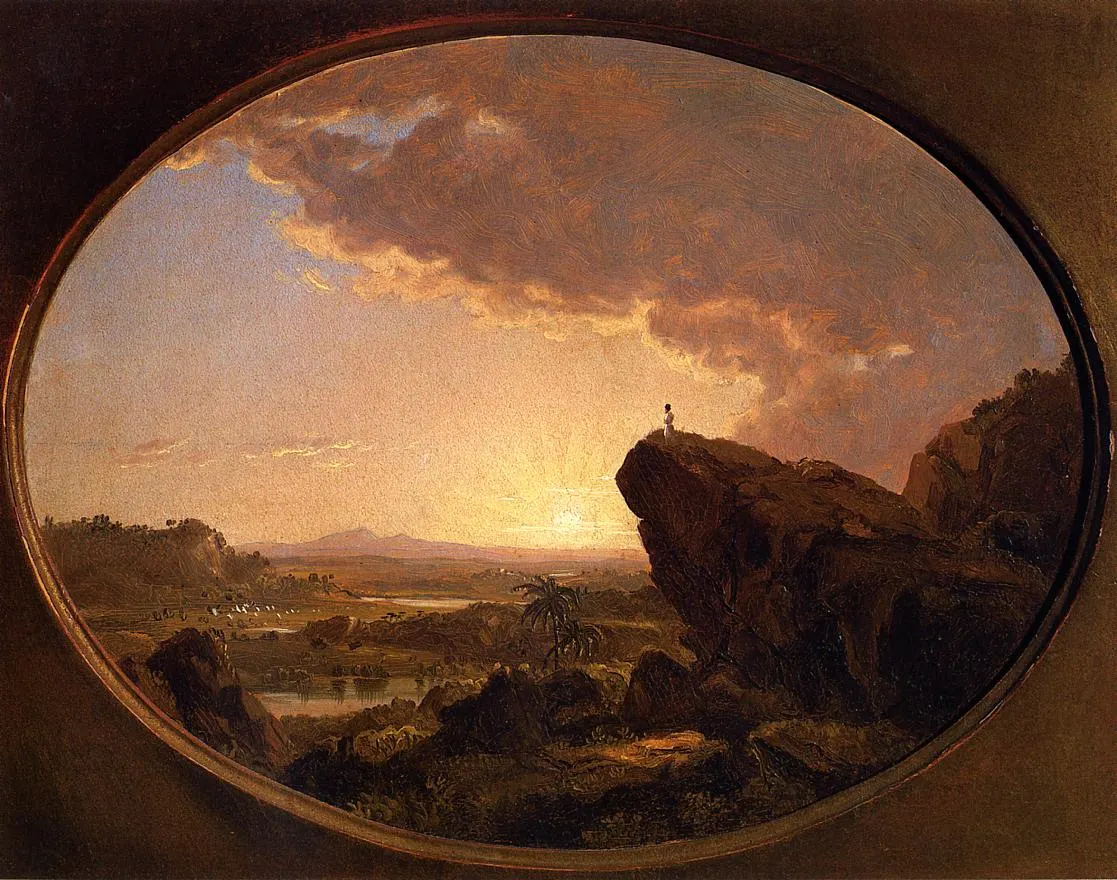
This page draws on Adam Clarke, Commentary on the Bible; Charles Spurgeon, The New Park Street Pulpit, Sermon No. 58: “Canaan on Earth” (lightly modernized text, CCEL edition); Charles Spurgeon, The Metropolitan Tabernacle Pulpit, Sermon No. 728: “Good Cheer for the New Year” (lightly modernized text, CCEL edition); Jamieson, Fausset & Brown, Commentary Critical and Explanatory on the Whole Bible; John Gill, Exposition of the Old Testament (1748-1763); Keil and Delitzsch, Biblical Commentary on the Old Testament: The Pentateuch and Matthew Henry, Commentary on the Whole Bible.