
Isaiah 65:25
in Isaiah 65The wolf and the lamb will feed together, and the lion will eat straw like the ox, but the food of the serpent will be dust. They will neither harm nor destroy on all My holy mountain,” says the LORD.
BSB
The same verse in ASV and KJV ▾
ASV
The wolf and the lamb shall feed together, and the lion shall eat straw like the ox; and dust shall be the serpent’s food. They shall not hurt nor destroy in all my holy mountain, saith Jehovah.
KJV
The wolf and the lamb shall feed together, and the lion shall eat straw like the bullock: and dust shall be the serpent’s meat. They shall not hurt nor destroy in all my holy mountain, saith the Lord.
⋯
This verse in Isaiah 65
Commentary
4 notes on this verseA commentator
Albert Barnes1798–1870
Notes, Explanatory and Practical, on the Old and New Testaments (1832-1869)
The wolf and the lamb shall feed together - (See the notes at Isa. 11.) And the lion shall eat straw - Shall eat hay or provender like the ox. The food of the lion now is flesh. Changes shall take place as great as if his nature were changed, and he should graze with the herds of the field. See a full illustration of this sentiment from the classic writors in the notes at Isa 11:6. Like the bullock - Or the ox - the cattle that herd together - for so the Hebrew word (בקר bâqâr) means.
This site's exposition
The wolf and the lamb shall feed together
The wolf and the lamb shall feed together completes an oracle begun in nearly identical words at 11:6-9, the sevenfold Spirit's kingdom pictured there now folded into new creation's own peace. Dust shall be the serpent's meat recalls the curse laid on the serpent in Genesis 3:14 and names its persistence even inside a renewed world, the one creature left still eating the ground. They shall not hurt nor destroy in all my holy mountain closes both this chapter and the servant and forsaker division that opened it, Delitzsch and Alexander both reading the verse as the book's own return to chapter eleven's picture, completed rather than replaced.
The record, by era
The Puritans and the Awakening2 voices
And dust - God promises a time of tranquility to his church under the metaphor of serpents eating the dust, their proper meat, Gen. iii, 14, instead of flying upon men: it signifies such a time, when wicked men shall no more eat up the people of God.
All the enemies of God's church, that are subtle and venomous as serpents, shall be conquered and subdued, and be made to lick the dust, Christ shall reign as Zion's King till all the enemies of his kingdom be made his footstool, and theirs too.
The words behind it
20 Hebrew wordsEvery Hebrew word of this verse in the order it stands, with what it means and the door to its own study. The last column counts the times a word stands in the whole Bible: the rarer the word, the more the places it appears belong together.
| Hebrew | Sound | Meaning | Word study | In the Bible |
|---|---|---|---|---|
| זְאֵ֨ב | zeev | wolf | H2061 → | |
| וְטָלֶ֜ה | vetaleh | and lamb | H2924 → | |
| יִרְע֣וּ | yiru | they will graze | H7462 → | 177 times |
| כְאֶחָ֗ד | kheechad | as one | H259 → | 971 times |
| וְאַרְיֵה֙ | vearyeh | and [the] lion | H738 → | 80 times |
| כַּבָּקָ֣ר | kabakar | like the ox | H1241 → | 183 times |
| יֹֽאכַל־ | yokhal- | it will eat | H398 → | 810 times |
| תֶּ֔בֶן | teven | straw | H8401 → | |
| וְנָחָ֖שׁ | venachash | and a snake | H5175 → | 31 times |
| עָפָ֣ר | ʾafar | [will be] dust | H6083 → | 110 times |
| לַחְמ֑וֹ | lachmo | food its | H3899 → | 298 times |
| לֹֽא־ | lo'- | not | H3808 → | 5168 times |
| יָרֵ֧עוּ | yareu | they will do harm | H7489 → | 107 times |
| וְלֹֽא־ | velo'- | and not | H3808 → | 5168 times |
| יַשְׁחִ֛יתוּ | yashchitu | they will destroy | H7843 → | 146 times |
| בְּכָל־ | bekhol | in all | H3605 → | 5413 times |
| הַ֥ר | har | [the] mountain of | H2022 → | 546 times |
| קָדְשִׁ֖י | kodshi | holiness my | H6944 → | 469 times |
| אָמַ֥ר | ʾamar | he says | H559 → | 5305 times |
| יְהוָֽה׃ ס | yahweh | Yahweh | H3068 → | 6520 times |
זְאֵ֨בwolf
zeevH2061 →
וְטָלֶ֜הand lamb
vetalehH2924 →
יִרְע֣וּthey will graze
yiruH7462 →177 times
כְאֶחָ֗דas one
kheechadH259 →971 times
וְאַרְיֵה֙and [the] lion
vearyehH738 →80 times
כַּבָּקָ֣רlike the ox
kabakarH1241 →183 times
יֹֽאכַל־it will eat
yokhal-H398 →810 times
תֶּ֔בֶןstraw
tevenH8401 →
וְנָחָ֖שׁand a snake
venachashH5175 →31 times
עָפָ֣ר[will be] dust
ʾafarH6083 →110 times
לַחְמ֑וֹfood its
lachmoH3899 →298 times
לֹֽא־not
lo'-H3808 →5168 times
יָרֵ֧עוּthey will do harm
yareuH7489 →107 times
וְלֹֽא־and not
velo'-H3808 →5168 times
יַשְׁחִ֛יתוּthey will destroy
yashchituH7843 →146 times
בְּכָל־in all
bekholH3605 →5413 times
הַ֥ר[the] mountain of
harH2022 →546 times
קָדְשִׁ֖יholiness my
kodshiH6944 →469 times
אָמַ֥רhe says
ʾamarH559 →5305 times
יְהוָֽה׃ סYahweh
yahwehH3068 →6520 times
A shaded row is a word that stands 400 times or fewer in the Bible.
The walk
8 stopsEach card is a verse this one points to, and under it the verses that one points to in turn. Where several paths arrive at the same place, that place is listed first: the text keeps returning to it.
Through
Micah 4:3Then He will judge between many peoples and arbitrate for strong nations far and wide. Then they will beat their swords into plowshares and their spears into pruning hooks. Nation will no longer take…
it leads to
- Isaiah 2:4
Then He will judge between the nations and arbitrate for many peoples. They will beat their swords into plowshares and their spears into pruning hooks. Nation will no longer take up the sword against…
- Joel 3:9–16
Proclaim this among the nations: “Prepare for war; rouse the mighty men; let all the men of war advance and attack!
- Matthew 25:31–32
When the Son of Man comes in His glory, and all the angels with Him, He will sit on His glorious throne.
- Hosea 2:18
On that day I will make a covenant for them with the beasts of the field and the birds of the air and the creatures that crawl on the ground. And I will abolish…
- Acts 17:31
For He has set a day when He will judge the world with justice by the Man He has appointed. He has given proof of this to everyone by raising Him from the dead.”
- Isaiah 2:4
Through
Micah 7:17They will lick the dust like a snake, like reptiles slithering on the ground. They will crawl from their holes in the presence of the LORD our God; they will tremble in fear of…
it leads to
- Isaiah 49:23
Kings will be your foster fathers, and their queens your nursing mothers. They will bow to you facedown and lick the dust at your feet. Then you will know that I am the LORD;…
- Psalms 72:9
May the nomads bow before him, and his enemies lick the dust.
- Psalms 18:45
Foreigners lose heart and come trembling from their strongholds.
- Isaiah 49:23
Where this verse is studied
On this page
Studies4
On this verse
About Isaiah
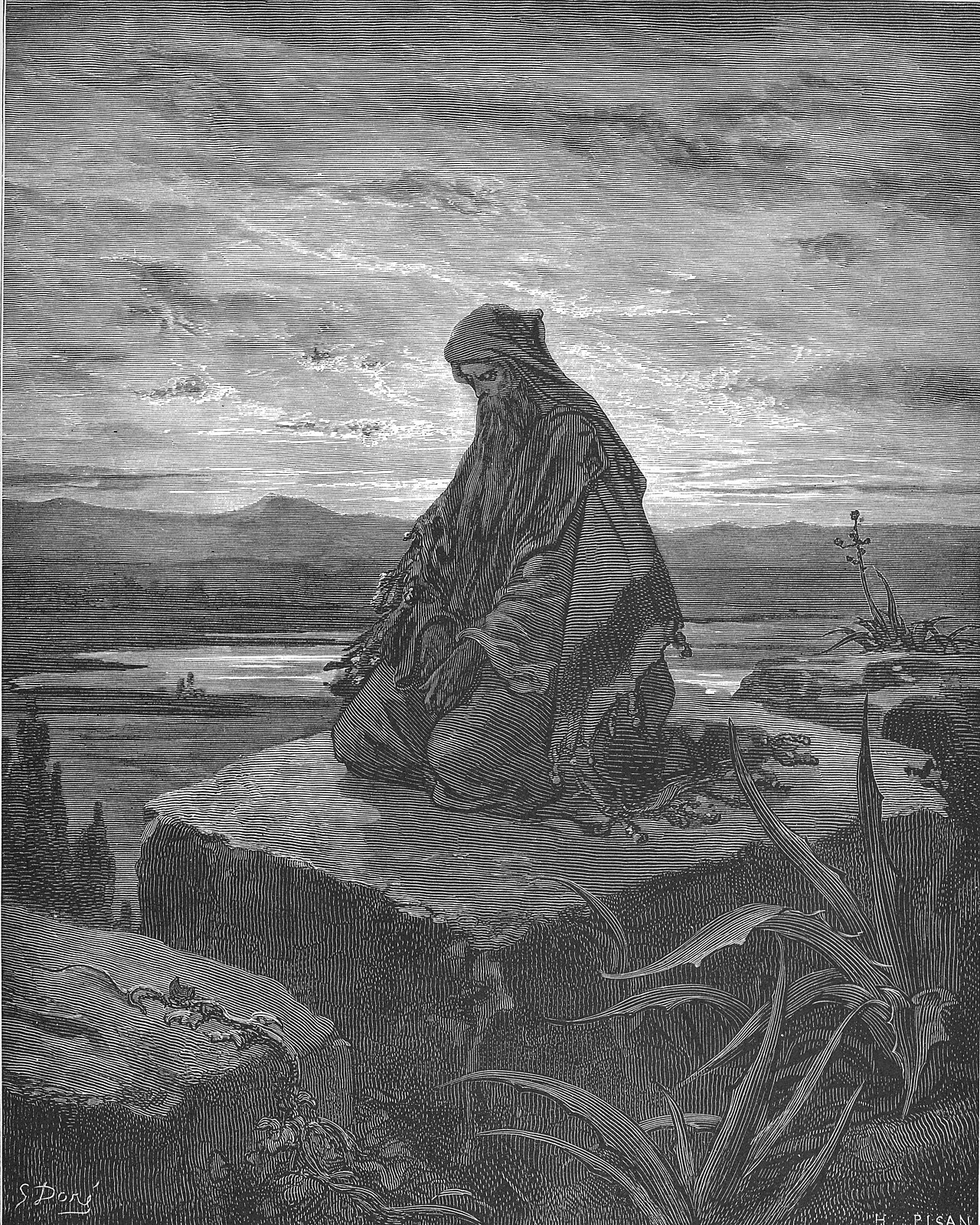
This page draws on Albert Barnes, Notes, Explanatory and Practical, on the Old and New Testaments (1832-1869); Franz Delitzsch, Biblical Commentary on the Prophecies of Isaiah; John Wesley, Explanatory Notes upon the Old Testament; Joseph Addison Alexander, Commentary on the Prophecies of Isaiah and Matthew Henry, Commentary on the Whole Bible.