
Ezra 2:59
in Ezra 2The following came up from Tel-melah, Tel-harsha, Cherub, Addan, and Immer, but could not prove that their families were descended from Israel:
BSB
The same verse in ASV and KJV ▾
ASV
And these were they that went up from Tel-melah, Tel-harsha, Cherub, Addan, and Immer; but they could not show their fathers’ houses, and their seed, whether they were of Israel:
KJV
And these were they which went up from Tel–melah, Tel–harsa, Cherub, Addan, and Immer: but they could not shew their father’s house, and their seed, whether they were of Israel:
⋯
This verse in Ezra 2
Commentary
4 notes on this verseAnd those who came up from Thelmela, etc. In this place, even according to the letter, the grace of God, by which also in the Old Testament the Gentiles were received into salvation, is shown. While a catalogue of those who clearly belonged to the …
The record, by era
The Puritans and the Awakening2 voices
This, it seems, was expected and desired, but it does not appear that ever they were blessed with it under the second temple. They had the canon of the Old Testament complete, which was better than Urim; and, by the want of that oracle, they were taught to expect the Messiah the great Oracle, which the Urim and Thummim was but a type of.
And these were they that went up from Telmelah, Telharsa,.... Places in the land of Babylon, see Isa 37:
The Nineteenth Century1 voice
A commentator
Albert Barnes1798–1870
Notes, Explanatory and Practical, on the Old and New Testaments (1832-1869)
Tel-melah, Tel-harsa, Cherub, Addan, and Immer, were probably cities, or villages, of Babylonia, at which the Jews here spoken of had been settled. The first and third have been reasonably identified with the Thelme and Chiripha of Ptolemy. Of the rest, nothing is known at present.
The words behind it
18 Hebrew wordsEvery Hebrew word of this verse in the order it stands, with what it means and the door to its own study. The last column counts the times a word stands in the whole Bible: the rarer the word, the more the places it appears belong together.
| Hebrew | Sound | Meaning | Word study | In the Bible |
|---|---|---|---|---|
| וְאֵ֗לֶּה | veeleh | and these | H428 → | 746 times |
| הָֽעֹלִים֙ | haolim | [are] who came up | H5927 → | 890 times |
| מִתֵּ֥ל | mitel | from Tel | H8528 → | |
| מֶ֙לַח֙ | melach | Melah | H8528 → | |
| תֵּ֣ל | tel | Tel | H8521 → | |
| חַרְשָׁ֔א | charsha' | Harsha | H8521 → | |
| כְּר֥וּב | keruv | Kerub | H3743 → | |
| אַדָּ֖ן | ʾadan | Addon | H135 → | |
| אִמֵּ֑ר | ʾimer | Immer | H564 → | 10 times |
| וְלֹ֣א | velo' | and not | H3808 → | 5168 times |
| יָֽכְל֗וּ | yakhelu | they were able | H3201 → | |
| לְהַגִּ֤יד | lehagid | to declare | H5046 → | |
| בֵּית־ | beit- | [the] house of | H1004 → | 2046 times |
| אֲבוֹתָם֙ | ʾavotam | ancestors their | H1 → | 1212 times |
| וְזַרְעָ֔ם | vezaram | and offspring their | H2233 → | |
| אִ֥ם | ʾim | if | H518 → | |
| מִיִּשְׂרָאֵ֖ל | miyisrael | [were] from Israel | H3478 → | 2507 times |
| הֵֽם׃ | hem | they | H1992 → |
וְאֵ֗לֶּהand these
veelehH428 →746 times
הָֽעֹלִים֙[are] who came up
haolimH5927 →890 times
מִתֵּ֥לfrom Tel
mitelH8528 →
מֶ֙לַח֙Melah
melachH8528 →
תֵּ֣לTel
telH8521 →
חַרְשָׁ֔אHarsha
charsha'H8521 →
כְּר֥וּבKerub
keruvH3743 →
אַדָּ֖ןAddon
ʾadanH135 →
אִמֵּ֑רImmer
ʾimerH564 →10 times
וְלֹ֣אand not
velo'H3808 →5168 times
יָֽכְל֗וּthey were able
yakheluH3201 →
לְהַגִּ֤ידto declare
lehagidH5046 →
בֵּית־[the] house of
beit-H1004 →2046 times
אֲבוֹתָם֙ancestors their
ʾavotamH1 →1212 times
וְזַרְעָ֔םand offspring their
vezaramH2233 →
אִ֥םif
ʾimH518 →
מִיִּשְׂרָאֵ֖ל[were] from Israel
miyisraelH3478 →2507 times
הֵֽם׃they
hemH1992 →
A shaded row is a word that stands 400 times or fewer in the Bible.
Where this verse is studied
On this page
About Ezra
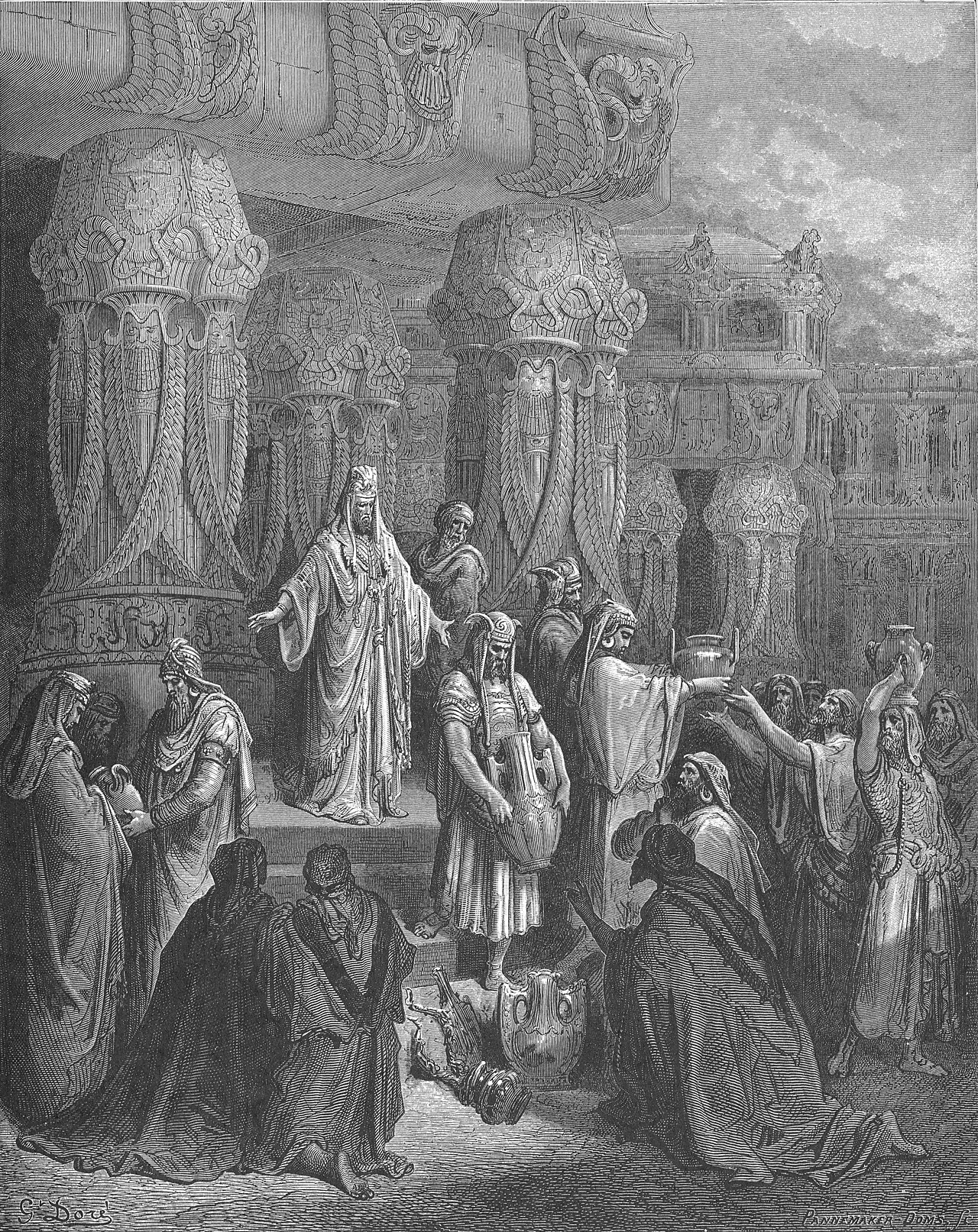
This page draws on Albert Barnes, Notes, Explanatory and Practical, on the Old and New Testaments (1832-1869); Bede, Commentary on Ezra and Nehemiah; John Gill, Exposition of the Old Testament (1748-1763) and Matthew Henry, Commentary on the Whole Bible.