
Ezra 2:43
in Ezra 2The temple servants: the descendants of Ziha, the descendants of Hasupha, the descendants of Tabbaoth,
BSB
The same verse in ASV and KJV ▾
ASV
The Nethinim: the children of Ziha, the children of Hasupha, the children of Tabbaoth,
KJV
The Nethinims: the children of Ziha, the children of Hasupha, the children of Tabbaoth,
⋯
This verse in Ezra 2
Commentary
2 notes on this verseThe record, by era
The Puritans and the Awakening1 voice
The Nethinims,....
The Nineteenth Century1 voice
A commentator
Albert Barnes1798–1870
Notes, Explanatory and Practical, on the Old and New Testaments (1832-1869)
proposed
The Nethinims - The hieroduli or sacred slaves, “given” to the Levites to assist them in their work (see 1Ch 9:2 note).
The words behind it
7 Hebrew wordsEvery Hebrew word of this verse in the order it stands, with what it means and the door to its own study. The last column counts the times a word stands in the whole Bible: the rarer the word, the more the places it appears belong together.
| Hebrew | Sound | Meaning | Word study | In the Bible |
|---|---|---|---|---|
| הַנְּתִינִ֑ים | hanetinim | the temple servants | H5411 → | 17 times |
| בְּנֵי־ | benei- | [the] descendants of | H1121 → | 4930 times |
| צִיחָ֥א | tzicha' | Ziha | H6727 → | |
| בְנֵי־ | venei- | [the] descendants of | H1121 → | 4930 times |
| חֲשׂוּפָ֖א | chasufa' | Hasupha | H2817 → | |
| בְּנֵ֥י | benei | [the] descendants of | H1121 → | 4930 times |
| טַבָּעֽוֹת׃ | tabaot | Tabbaoth | H2884 → |
הַנְּתִינִ֑יםthe temple servants
hanetinimH5411 →17 times
בְּנֵי־[the] descendants of
benei-H1121 →4930 times
צִיחָ֥אZiha
tzicha'H6727 →
בְנֵי־[the] descendants of
venei-H1121 →4930 times
חֲשׂוּפָ֖אHasupha
chasufa'H2817 →
בְּנֵ֥י[the] descendants of
beneiH1121 →4930 times
טַבָּעֽוֹת׃Tabbaoth
tabaotH2884 →
A shaded row is a word that stands 400 times or fewer in the Bible.
The walk
8 stopsEach card is a verse this one points to, and under it the verses that one points to in turn. Where several paths arrive at the same place, that place is listed first: the text keeps returning to it.
Through
1 Chronicles 9:2Now the first to resettle their own property in their cities were Israelites, priests, Levites, and temple servants.
it leads to
- Nehemiah 7:73
So the priests, Levites, gatekeepers, singers, and temple servants, along with some of the people and the rest of the Israelites, settled in their own towns. And by the seventh month the Israelites had…
- Ezra 2:70
So the priests, the Levites, the singers, the gatekeepers, and the temple servants, along with some of the people, settled in their own towns; and the rest of the Israelites settled in their towns.
- Ezra 2:58
The temple servants and descendants of the servants of Solomon numbered 392 in all.
- Ezra 8:20
They also brought 220 of the temple servants, all designated by name. David and the officials had appointed them to assist the Levites.
- Nehemiah 7:60
The temple servants and descendants of the servants of Solomon numbered 392 in all.
- Nehemiah 7:73
Through
Nehemiah 10:28“The rest of the people—the priests, Levites, gatekeepers, singers, temple servants, and all who had separated themselves from the people of the land to obey the Law of God—along with their wives and all…
it leads to
- Nehemiah 9:2
Those of Israelite descent separated themselves from all the foreigners, and they stood and confessed their sins and the iniquities of their fathers.
- 2 Corinthians 6:14–17
Do not be unequally yoked with unbelievers. For what partnership can righteousness have with wickedness? Or what fellowship does light have with darkness?
- Nehemiah 9:2
Through
Ezra 2:58The temple servants and descendants of the servants of Solomon numbered 392 in all.
it leads to
- 1 Chronicles 9:2
Now the first to resettle their own property in their cities were Israelites, priests, Levites, and temple servants.
- 1 Chronicles 9:2
Where this verse is studied
On this page
About Ezra
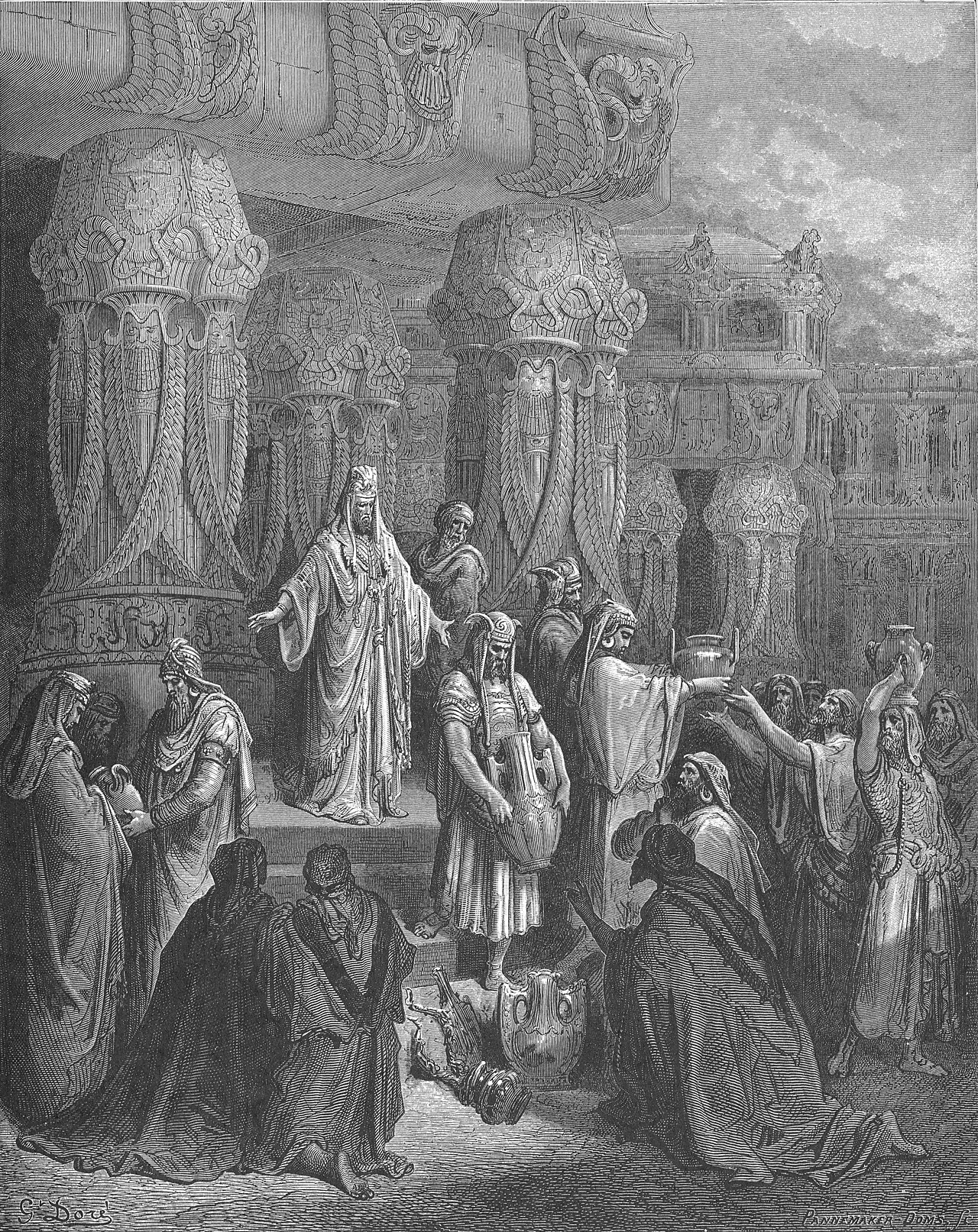
This page draws on Albert Barnes, Notes, Explanatory and Practical, on the Old and New Testaments (1832-1869) and John Gill, Exposition of the Old Testament (1748-1763).