
Deuteronomy 9:17
in Deuteronomy 9So I took the two tablets and threw them out of my hands, shattering them before your eyes.
BSB
The same verse in ASV and KJV ▾
ASV
And I took hold of the two tables, and cast them out of my two hands, and brake them before your eyes.
KJV
And I took the two tables, and cast them out of my two hands, and brake them before your eyes.
⋯
This verse in Deuteronomy 9
Commentary
4 notes on this verseA commentator
Jamieson, Fausset & Brown1802–1910
Commentary Critical and Explanatory on the Whole Bible (1871)
I took the two tables, . . . and broke them before your eyes--not in the heat of intemperate passion, but in righteous indignation, from zeal to vindicate the unsullied honor of God, and by the suggestion of His Spirit to intimate that the covenant had been broken, and the people excluded from the divine favor.
This site's exposition
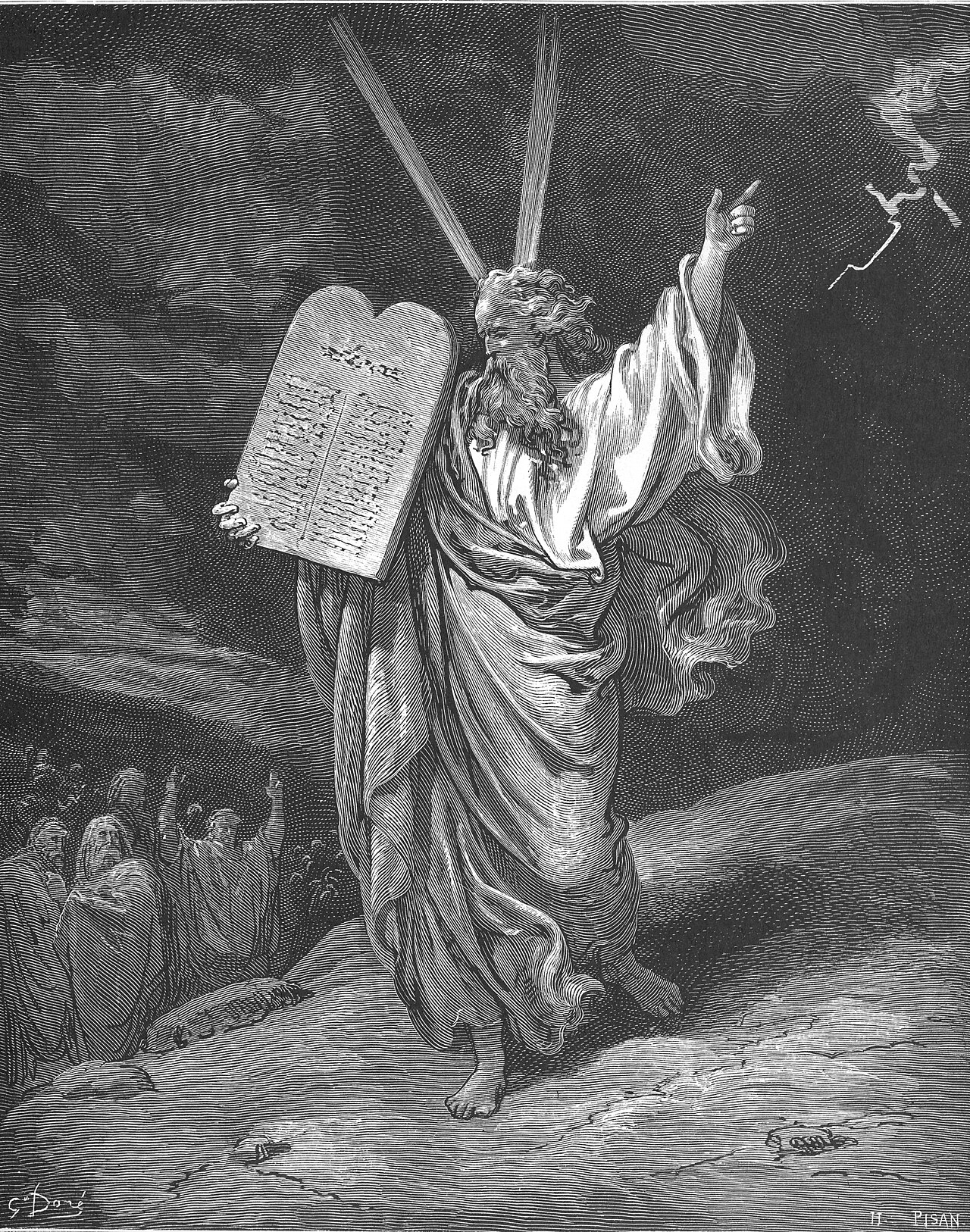
So I turned and came down from the mount
on Deuteronomy 9:15-17
Moses comes down with the mountain still burning behind him and a table of the covenant in each hand. Exodus 32:19 says he saw the calf and the dancing and that his anger waxed hot, where Deuteronomy leaves both the dancing and the anger out and says only that he brake them before your eyes. Jamieson, Fausset and Brown read the breaking as a formal act declaring the covenant broken, and Henry calls it a bill of divorce served on the nation.
The record, by era
The Puritans and the Awakening2 voices
And I took the two tables, and cast them out of my two hands,.... In wrath and indignation at the sin they were guilty of: and brake them before your eyes; as an emblem of their breach of them by transgressing them.
A bill of divorce was given them, and thenceforward they might justly have been abandoned for ever, so that their mouth was certainly stopped from pleading any righteousness of their own.
How the passage was read
What the Jewish commentators add
This is also meant to be part of the chastisements. He is saying: “your sin was greater than could be borne, 138 See Genesis:13. to the point that when I saw you being merry before the calf I could not restrain [my anger] and I broke the Tablets.
This section is reception history: how the passage was read and kept in the Jewish tradition. Where a reading parts from an essential of the Christian faith, the section says so at that point.
Texts and citation data: Sefaria; each excerpt follows its version’s licence. 6 further sources are cited on this chapter that carry no English text this site may quote or only restate the verse.
The words behind it
9 Hebrew wordsEvery Hebrew word of this verse in the order it stands, with what it means and the door to its own study. The last column counts the times a word stands in the whole Bible: the rarer the word, the more the places it appears belong together.
| Hebrew | Sound | Meaning | Word study | In the Bible |
|---|---|---|---|---|
| וָאֶתְפֹּשׂ֙ | vaetpos | and I seized | H8610 → | 65 times |
| בִּשְׁנֵ֣י | bishnei | <on> [the] two | H8147 → | 768 times |
| הַלֻּחֹ֔ת | haluchot | the tablets | H3871 → | 43 times |
| וָֽאַשְׁלִכֵ֔ם | vaashlikhem | and I threw them | H7993 → | 125 times |
| מֵעַ֖ל | meal | from on | H5921 → | 5755 times |
| שְׁתֵּ֣י | shetei | [the] two | H8147 → | 768 times |
| יָדָ֑י | yadai | hands my | H3027 → | 1618 times |
| וָאֲשַׁבְּרֵ֖ם | vaashaberem | and I broke them | H7665 → | 147 times |
| לְעֵינֵיכֶֽם׃ | leeineikhem | to eyes your | H5869 → | 887 times |
וָאֶתְפֹּשׂ֙and I seized
vaetposH8610 →65 times
בִּשְׁנֵ֣י<on> [the] two
bishneiH8147 →768 times
הַלֻּחֹ֔תthe tablets
haluchotH3871 →43 times
וָֽאַשְׁלִכֵ֔םand I threw them
vaashlikhemH7993 →125 times
מֵעַ֖לfrom on
mealH5921 →5755 times
שְׁתֵּ֣י[the] two
sheteiH8147 →768 times
יָדָ֑יhands my
yadaiH3027 →1618 times
וָאֲשַׁבְּרֵ֖םand I broke them
vaashaberemH7665 →147 times
לְעֵינֵיכֶֽם׃to eyes your
leeineikhemH5869 →887 times
A shaded row is a word that stands 400 times or fewer in the Bible.
Where this verse is studied
On this page
Studies1
About Deuteronomy
This page draws on Jamieson, Fausset & Brown, Commentary Critical and Explanatory on the Whole Bible; John Gill, Exposition of the Old Testament (1748-1763) and Matthew Henry, Commentary on the Whole Bible.