
Deuteronomy 12:22
in Deuteronomy 12Indeed, you may eat it as you would eat a gazelle or deer; both the ceremonially unclean and the clean may eat it.
BSB
The same verse in ASV and KJV ▾
ASV
Even as the gazelle and as the hart is eaten, so thou shalt eat thereof: the unclean and the clean may eat thereof alike.
KJV
Even as the roebuck and the hart is eaten, so thou shalt eat them: the unclean and the clean shall eat of them alike.
⋯
This verse in Deuteronomy 12
Commentary
5 notes on this verseA commentator
Jamieson, Fausset & Brown1802–1910
Commentary Critical and Explanatory on the Whole Bible (1871)
Even as the roebuck and the hart is eaten, so shalt thou eat them, &c.--Game when procured in the wilderness had not been required to be brought to the door of the tabernacle.
This site's exposition
When the Lord thy God shall enlarge thy border
on Deuteronomy 12:20-22
Enlarging the border is promised at Exodus 34:24 and again at Deuteronomy 19:8, and here it is the setting for a wider permission. The text lets a man say I will eat flesh, because thy soul longeth to eat flesh, and grants it, where Numbers 11:4-33 meets the same craving with quails and a plague. The earlier passage turns on a complaint against the manna and against God, and this one attaches no fault to the appetite at all.
The record, by era
The Puritans and the Awakening3 voices
Even as the roebuck and the hart is eaten,.... Which were not only clean creatures, as before observed, but were commonly and frequently eaten, there being plenty of them in those parts: so thou shalt eat them; their oxen and calves, their sheep and lambs, their goats and their kids: the unclean and the clean shall eat of them alike; no difference being to be made on that account, with respect to common food; See Gill on Deu 12:15 which all alike might partake of, notwithstanding any ceremonial uncleanness that any might be attended with.
There is a natural regular appetite, which it is lawful to gratify with temperance and sobriety, not taking too great a pleasure in the gratification, nor being uneasy if it be crossed. The unclean, who might not eat of the holy things, yet might eat of the same sort of flesh when it was only used as common food.
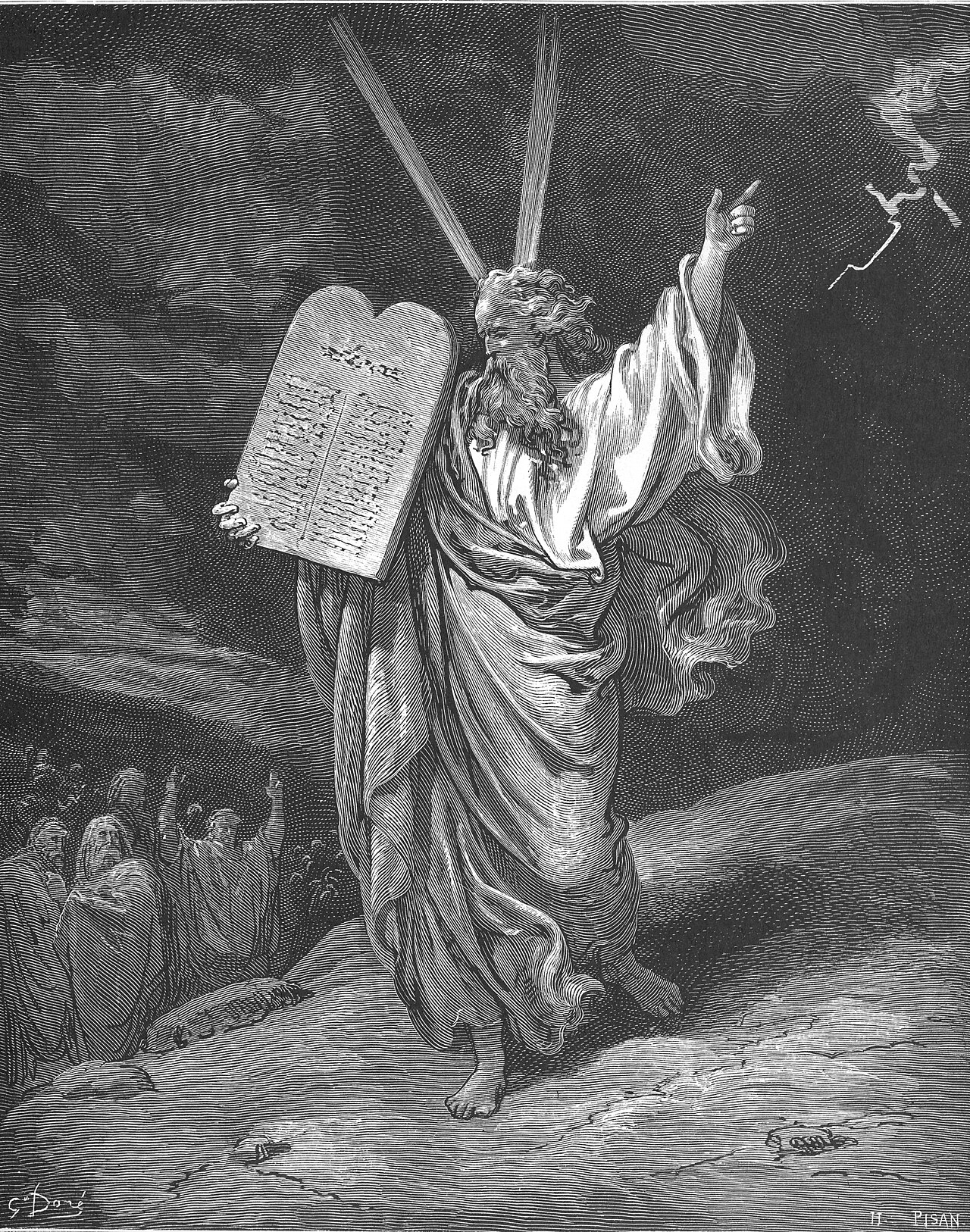
To prevent a revolt to false gods, we are forbidden to worship the true God in such a way and manner as the false gods were worshipped in, and are commanded to observe the instituted ordinances of worship that we may adhere to the proper object of worship. For this reason Moses is very large in his exposition of the second commandment.
The words behind it
13 Hebrew wordsEvery Hebrew word of this verse in the order it stands, with what it means and the door to its own study. The last column counts the times a word stands in the whole Bible: the rarer the word, the more the places it appears belong together.
| Hebrew | Sound | Meaning | Word study | In the Bible |
|---|---|---|---|---|
| אַ֗ךְ | ʾakh | surely | H389 → | 161 times |
| כַּאֲשֶׁ֨ר | kaasher | just as | H834 → | 5497 times |
| יֵאָכֵ֤ל | yeakhel | it is eaten | H398 → | 810 times |
| אֶֽת־ | ʾet- | <obj.> | H853 → | 10935 times |
| הַצְּבִי֙ | hatzevi | the gazelle | H6643 → | 33 times |
| וְאֶת־ | veet | and <obj.> | H853 → | 10935 times |
| הָ֣אַיָּ֔ל | haaiyal | the deer | H354 → | 11 times |
| כֵּ֖ן | ken | so | H3651 → | 771 times |
| תֹּאכְלֶ֑נּוּ | tokhelenu | you will eat it | H398 → | 810 times |
| הַטָּמֵא֙ | hatame' | the unclean | H2931 → | 88 times |
| וְהַטָּה֔וֹר | vehatahor | and the clean | H2889 → | 94 times |
| יַחְדָּ֖ו | yachdav | alike | H3162 → | 141 times |
| יֹאכְלֶֽנּוּ׃ | yokhelenu | he will eat it | H398 → | 810 times |
אַ֗ךְsurely
ʾakhH389 →161 times
כַּאֲשֶׁ֨רjust as
kaasherH834 →5497 times
יֵאָכֵ֤לit is eaten
yeakhelH398 →810 times
אֶֽת־<obj.>
ʾet-H853 →10935 times
הַצְּבִי֙the gazelle
hatzeviH6643 →33 times
וְאֶת־and <obj.>
veetH853 →10935 times
הָ֣אַיָּ֔לthe deer
haaiyalH354 →11 times
כֵּ֖ןso
kenH3651 →771 times
תֹּאכְלֶ֑נּוּyou will eat it
tokhelenuH398 →810 times
הַטָּמֵא֙the unclean
hatame'H2931 →88 times
וְהַטָּה֔וֹרand the clean
vehatahorH2889 →94 times
יַחְדָּ֖וalike
yachdavH3162 →141 times
יֹאכְלֶֽנּוּ׃he will eat it
yokhelenuH398 →810 times
A shaded row is a word that stands 400 times or fewer in the Bible.
Where this verse is studied
On this page
Studies1
About Deuteronomy
This page draws on Jamieson, Fausset & Brown, Commentary Critical and Explanatory on the Whole Bible; John Gill, Exposition of the Old Testament (1748-1763); Keil and Delitzsch, Biblical Commentary on the Old Testament: The Pentateuch and Matthew Henry, Commentary on the Whole Bible.