
Deuteronomy 12:21
in Deuteronomy 12If the place where the LORD your God chooses to put His Name is too far from you, then you may slaughter any of the herd or flock He has given you, as I have commanded you, and you may eat it within your gates whenever you want.
BSB
The same verse in ASV and KJV ▾
ASV
If the place which Jehovah thy God shall choose, to put his name there, be too far from thee, then thou shalt kill of thy herd and of thy flock, which Jehovah hath given thee, as I have commanded thee; and thou mayest eat within thy gates, after all the desire of thy soul.
KJV
If the place which the Lord thy God hath chosen to put his name there be too far from thee, then thou shalt kill of thy herd and of thy flock, which the Lord hath given thee, as I have commanded thee, and thou shalt eat in thy gates whatsoever thy soul lusteth after.
⋯
This verse in Deuteronomy 12
Commentary
5 notes on this verseA commentator
Albert Barnes1798–1870
Notes, Explanatory and Practical, on the Old and New Testaments (1832-1869)
If the place ... - Rather, “Because, or since, the place will be too far from thee.” The permission given in Deu 12:15-16 is repeated, and the reason of it assigned.
This site's exposition
When the Lord thy God shall enlarge thy border
on Deuteronomy 12:20-22
Enlarging the border is promised at Exodus 34:24 and again at Deuteronomy 19:8, and here it is the setting for a wider permission. The text lets a man say I will eat flesh, because thy soul longeth to eat flesh, and grants it, where Numbers 11:4-33 meets the same craving with quails and a plague. The earlier passage turns on a complaint against the manna and against God, and this one attaches no fault to the appetite at all.
The record, by era
The Puritans and the Awakening3 voices
If the place which the Lord thy God hath chosen to put his name be too far from thee,....
There is a natural regular appetite, which it is lawful to gratify with temperance and sobriety, not taking too great a pleasure in the gratification, nor being uneasy if it be crossed. The unclean, who might not eat of the holy things, yet might eat of the same sort of flesh when it was only used as common food.
To prevent a revolt to false gods, we are forbidden to worship the true God in such a way and manner as the false gods were worshipped in, and are commanded to observe the instituted ordinances of worship that we may adhere to the proper object of worship. For this reason Moses is very large in his exposition of the second commandment.
The words behind it
25 Hebrew wordsEvery Hebrew word of this verse in the order it stands, with what it means and the door to its own study. The last column counts the times a word stands in the whole Bible: the rarer the word, the more the places it appears belong together.
| Hebrew | Sound | Meaning | Word study | In the Bible |
|---|---|---|---|---|
| כִּֽי־ | ki- | if | H3588 → | 4482 times |
| יִרְחַ֨ק | yirchak | it will be [too] far | H7368 → | |
| מִמְּךָ֜ | mimekha | for you | H4480 → | 1188 times |
| הַמָּק֗וֹם | hamakom | the place | H4725 → | 401 times |
| אֲשֶׁ֨ר | ʾasher | where | H834 → | 5497 times |
| יִבְחַ֜ר | yivchar | he will choose | H977 → | 171 times |
| יְהוָ֣ה | yahweh | Yahweh | H3068 → | 6520 times |
| אֱלֹהֶיךָ֮ | ʾeloheikha | God your | H430 → | 2601 times |
| לָשׂ֣וּם | lasum | to put | H7760 → | 584 times |
| שְׁמ֣וֹ | shemo | name his | H8034 → | 864 times |
| שָׁם֒ | sham | there | H8033 → | 834 times |
| וְזָבַחְתָּ֞ | vezavachta | and you will slaughter | H2076 → | 134 times |
| מִבְּקָרְךָ֣ | mibekarecha | some of herd your | H1241 → | 183 times |
| וּמִצֹּֽאנְךָ֗ | umitzonekha | and some of flock your | H6629 → | 274 times |
| אֲשֶׁ֨ר | ʾasher | which | H834 → | 5497 times |
| נָתַ֤ן | natan | he has given | H5414 → | 2011 times |
| יְהוָה֙ | yahweh | Yahweh | H3068 → | 6520 times |
| לְךָ֔ | lekha | to you | ||
| כַּאֲשֶׁ֖ר | kaasher | just as | H834 → | 5497 times |
| צִוִּיתִ֑ךָ | tzivitikha | I commanded you | H6680 → | 494 times |
| וְאָֽכַלְתָּ֙ | veakhalta | and you will eat | H398 → | 810 times |
| בִּשְׁעָרֶ֔יךָ | bishareikha | in gates your | H8179 → | 374 times |
| בְּכֹ֖ל | bekhol | in all | H3605 → | 5413 times |
| אַוַּ֥ת | ʾavat | [the] desire of | H185 → | 7 times |
| נַפְשֶֽׁךָ׃ | nafshekha | self your | H5315 → | 754 times |
כִּֽי־if
ki-H3588 →4482 times
יִרְחַ֨קit will be [too] far
yirchakH7368 →
מִמְּךָ֜for you
mimekhaH4480 →1188 times
הַמָּק֗וֹםthe place
hamakomH4725 →401 times
אֲשֶׁ֨רwhere
ʾasherH834 →5497 times
יִבְחַ֜רhe will choose
yivcharH977 →171 times
יְהוָ֣הYahweh
yahwehH3068 →6520 times
אֱלֹהֶיךָ֮God your
ʾeloheikhaH430 →2601 times
לָשׂ֣וּםto put
lasumH7760 →584 times
שְׁמ֣וֹname his
shemoH8034 →864 times
שָׁם֒there
shamH8033 →834 times
וְזָבַחְתָּ֞and you will slaughter
vezavachtaH2076 →134 times
מִבְּקָרְךָ֣some of herd your
mibekarechaH1241 →183 times
וּמִצֹּֽאנְךָ֗and some of flock your
umitzonekhaH6629 →274 times
אֲשֶׁ֨רwhich
ʾasherH834 →5497 times
נָתַ֤ןhe has given
natanH5414 →2011 times
יְהוָה֙Yahweh
yahwehH3068 →6520 times
לְךָ֔to you
lekha
כַּאֲשֶׁ֖רjust as
kaasherH834 →5497 times
צִוִּיתִ֑ךָI commanded you
tzivitikhaH6680 →494 times
וְאָֽכַלְתָּ֙and you will eat
veakhaltaH398 →810 times
בִּשְׁעָרֶ֔יךָin gates your
bishareikhaH8179 →374 times
בְּכֹ֖לin all
bekholH3605 →5413 times
אַוַּ֥ת[the] desire of
ʾavatH185 →7 times
נַפְשֶֽׁךָ׃self your
nafshekhaH5315 →754 times
A shaded row is a word that stands 400 times or fewer in the Bible.
The walk
8 stopsEach card is a verse this one points to, and under it the verses that one points to in turn. Where several paths arrive at the same place, that place is listed first: the text keeps returning to it.
Through
Deuteronomy 12:5Instead, you must seek the place the LORD your God will choose from among all your tribes to establish as a dwelling for His Name, and there you must go.
it leads to
- Deuteronomy 12:11
then the LORD your God will choose a dwelling for His Name. And there you are to bring everything I command you: your burnt offerings and sacrifices, your tithes and special gifts, and all…
- 2 Chronicles 7:12
the LORD appeared to him at night and said to him: “I have heard your prayer and have chosen this place for Myself as a house of sacrifice.
- Deuteronomy 26:2
you are to take some of the firstfruits of all your produce from the soil of the land that the LORD your God is giving you and put them in a basket. Then go…
- Deuteronomy 16:2
You are to offer to the LORD your God the Passover sacrifice from the herd or flock in the place the LORD will choose as a dwelling for His Name.
- 1 Kings 8:29
May Your eyes be open toward this temple night and day, toward the place of which You said, ‘My Name shall be there,’ so that You may hear the prayer that Your servant prays…
- Deuteronomy 12:11
Through
1 Kings 14:21Meanwhile, Rehoboam son of Solomon reigned in Judah. He was forty-one years old when he became king, and he reigned seventeen years in Jerusalem, the city the LORD had chosen from all the tribes…
it leads to
- 2 Chronicles 12:13
Thus King Rehoboam established himself in Jerusalem. He was forty-one years old when he became king, and he reigned seventeen years in Jerusalem, the city the LORD had chosen from all the tribes of…
- 2 Chronicles 12:13
Through
Deuteronomy 12:15But whenever you want, you may slaughter and eat meat within any of your gates, according to the blessing the LORD your God has given you. Both the ceremonially clean and unclean may eat…
it leads to
- Deuteronomy 14:5
the deer, the gazelle, the roe deer, the wild goat, the ibex, the antelope, and the mountain sheep.
- Deuteronomy 14:5
Through
Deuteronomy 16:11and you shall rejoice before the LORD your God in the place He will choose as a dwelling for His Name—you, your sons and daughters, your menservants and maidservants, and the Levite within your…
it leads to
- Deuteronomy 12:7
There, in the presence of the LORD your God, you and your households shall eat and rejoice in all you do, because the LORD your God has blessed you.
- Deuteronomy 12:7
Where this verse is studied
On this page
Studies1
About Deuteronomy
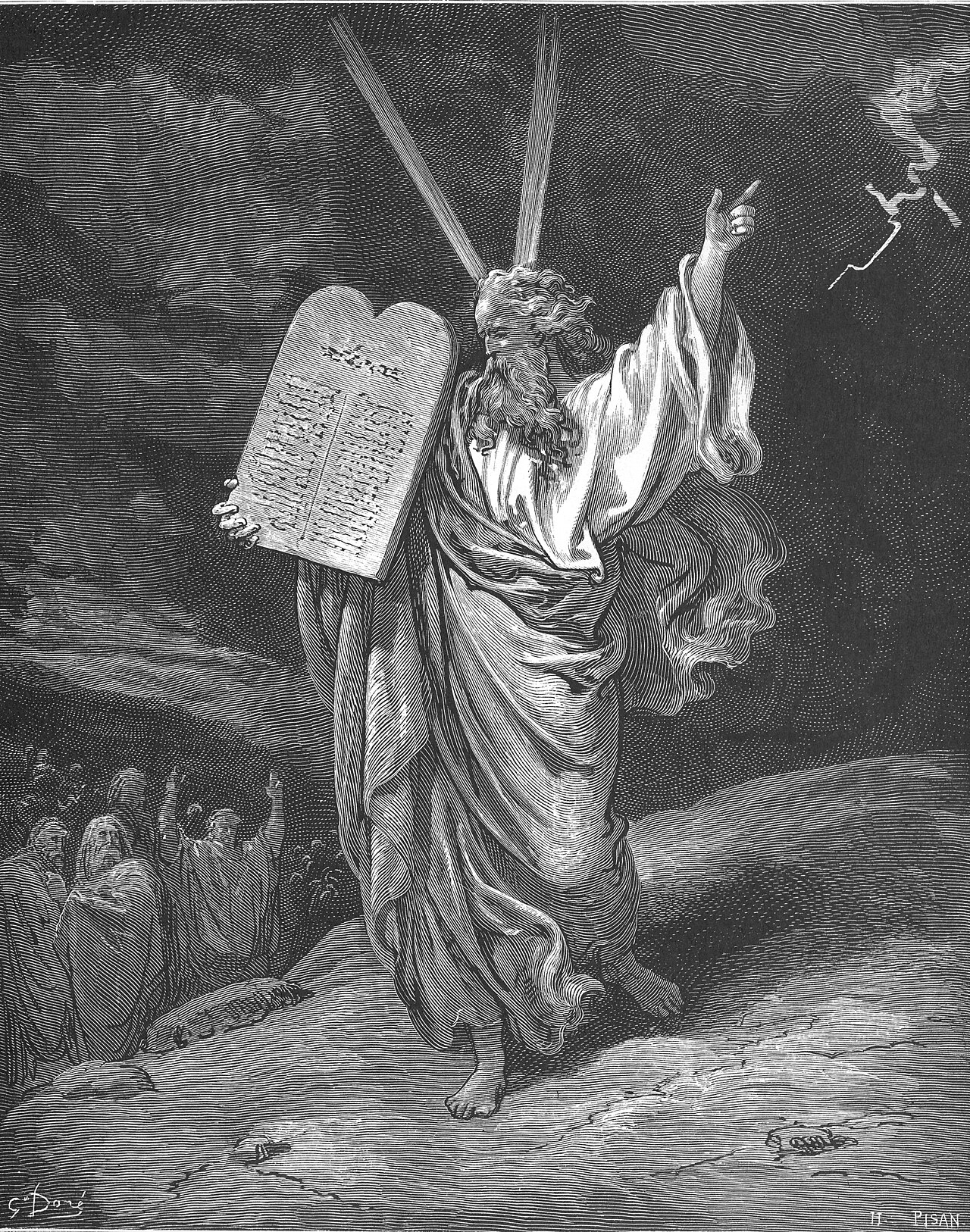
This page draws on Albert Barnes, Notes, Explanatory and Practical, on the Old and New Testaments (1832-1869); John Gill, Exposition of the Old Testament (1748-1763); Keil and Delitzsch, Biblical Commentary on the Old Testament: The Pentateuch and Matthew Henry, Commentary on the Whole Bible.