
Deuteronomy 11:25
in Deuteronomy 11No man will be able to stand against you; the LORD your God will put the fear and dread of you upon all the land, wherever you set foot, as He has promised you.
BSB
The same verse in ASV and KJV ▾
ASV
There shall no man be able to stand before you: Jehovah your God shall lay the fear of you and the dread of you upon all the land that ye shall tread upon, as he hath spoken unto you.
KJV
There shall no man be able to stand before you: for the Lord your God shall lay the fear of you and the dread of you upon all the land that ye shall tread upon, as he hath said unto you.
⋯
This verse in Deuteronomy 11
Commentary
4 notes on this verseThis site's exposition
Every place where the sole of your foot treads
on Deuteronomy 11:24-25
Joshua 1:3-4 gives this promise to Joshua almost word for word, and Genesis 15:18 gave Abram the same span. It runs wider than Israel ever held: Joshua 13:1 says much land remained, and 1 Kings 4:21 has Solomon ruling from the river to Egypt's border, the nearest it came. The "fear and dread" of verse 25 were promised at Exodus 23:27, and Rahab reports them at Joshua 2:9.
This site's exposition
No man will be able to
The first clause is said again to Joshua at Joshua 1:5, with the promise that the LORD would be with him as He was with Moses. The fear and dread were first laid on the nations at 2:25, as Israel began to take the land of Sihon. Verse 25 extends them to all the land.
The record, by era
The Puritans and the Awakening2 voices
There shall be no man able to stand before you,....
Nothing contributes more to the making of a nation considerable abroad, valuable to its friends and formidable to its enemies, than religion reigning in it; for who can be against those that have God for them? And he is certainly for those that are sincerely for him, Prov. xiv.
The words behind it
19 Hebrew wordsEvery Hebrew word of this verse in the order it stands, with what it means and the door to its own study. The last column counts the times a word stands in the whole Bible: the rarer the word, the more the places it appears belong together.
| Hebrew | Sound | Meaning | Word study | In the Bible |
|---|---|---|---|---|
| לֹא־ | lo'- | not | H3808 → | 5168 times |
| יִתְיַצֵּ֥ב | yityatzev | he will stand | H3320 → | 48 times |
| אִ֖ישׁ | ʾish | anyone | H376 → | 1663 times |
| בִּפְנֵיכֶ֑ם | bifneikhem | in faces your | H6440 → | 2123 times |
| פַּחְדְּכֶ֨ם | pachdekhem | dread your | H6343 → | 49 times |
| וּמֽוֹרַאֲכֶ֜ם | umoraakhem | and fear your | H4172 → | 12 times |
| יִתֵּ֣ן׀ | yiten | he will put | H5414 → | 2011 times |
| יְהוָ֣ה | yahweh | Yahweh | H3068 → | 6520 times |
| אֱלֹֽהֵיכֶ֗ם | ʾeloheikhem | God your | H430 → | 2601 times |
| עַל־ | ʾal- | over | H5921 → | 5755 times |
| פְּנֵ֤י | penei | [the] face of | H6440 → | 2123 times |
| כָל־ | khol- | all | H3605 → | 5413 times |
| הָאָ֙רֶץ֙ | haaretz | the land | H776 → | 2504 times |
| אֲשֶׁ֣ר | ʾasher | which | H834 → | 5497 times |
| תִּדְרְכוּ־ | tidrekhu- | you will tread | H1869 → | 62 times |
| בָ֔הּ | vah | on <the> it | ||
| כַּאֲשֶׁ֖ר | kaasher | just as | H834 → | 5497 times |
| דִּבֶּ֥ר | diber | he spoke | H1696 → | 1141 times |
| לָכֶֽם׃ ס | lakhem | to <the> you |
לֹא־not
lo'-H3808 →5168 times
יִתְיַצֵּ֥בhe will stand
yityatzevH3320 →48 times
אִ֖ישׁanyone
ʾishH376 →1663 times
בִּפְנֵיכֶ֑םin faces your
bifneikhemH6440 →2123 times
פַּחְדְּכֶ֨םdread your
pachdekhemH6343 →49 times
וּמֽוֹרַאֲכֶ֜םand fear your
umoraakhemH4172 →12 times
יִתֵּ֣ן׀he will put
yitenH5414 →2011 times
יְהוָ֣הYahweh
yahwehH3068 →6520 times
אֱלֹֽהֵיכֶ֗םGod your
ʾeloheikhemH430 →2601 times
עַל־over
ʾal-H5921 →5755 times
פְּנֵ֤י[the] face of
peneiH6440 →2123 times
כָל־all
khol-H3605 →5413 times
הָאָ֙רֶץ֙the land
haaretzH776 →2504 times
אֲשֶׁ֣רwhich
ʾasherH834 →5497 times
תִּדְרְכוּ־you will tread
tidrekhu-H1869 →62 times
בָ֔הּon <the> it
vah
כַּאֲשֶׁ֖רjust as
kaasherH834 →5497 times
דִּבֶּ֥רhe spoke
diberH1696 →1141 times
לָכֶֽם׃ סto <the> you
lakhem
A shaded row is a word that stands 400 times or fewer in the Bible.
The walk
8 stopsEach card is a verse this one points to, and under it the verses that one points to in turn. Where several paths arrive at the same place, that place is listed first: the text keeps returning to it.
Through
Joshua 1:5No one shall stand against you all the days of your life. As I was with Moses, so will I be with you; I will never leave you nor forsake you.
it leads to
- Romans 8:31
What then shall we say in response to these things? If God is for us, who can be against us?
- Deuteronomy 31:6–8
Be strong and courageous; do not be afraid or terrified of them, for it is the LORD your God who goes with you; He will never leave you nor forsake you.”
- Matthew 28:20
and teaching them to obey all that I have commanded you. And surely I am with you always, even to the end of the age.”
- Isaiah 41:10–14
Do not fear, for I am with you; do not be afraid, for I am your God. I will strengthen you; I will surely help you; I will uphold you with My right hand…
- Joshua 1:9
Have I not commanded you to be strong and courageous? Do not be afraid; do not be discouraged, for the LORD your God is with you wherever you go.”
- Romans 8:31
Through
Deuteronomy 2:25This very day I will begin to put the dread and fear of you upon all the nations under heaven. They will hear the reports of you and tremble in anguish because of you.”
it leads to
- Exodus 15:14–16
The nations will hear and tremble; anguish will grip the dwellers of Philistia.
Reached by 2 separate paths from here.
- Exodus 15:14–16
Through
Exodus 23:27I will send My terror ahead of you and throw into confusion every nation you encounter. I will make all your enemies turn and run.
it leads to
- Deuteronomy 2:25
This very day I will begin to put the dread and fear of you upon all the nations under heaven. They will hear the reports of you and tremble in anguish because of you.”
- Genesis 35:5
As they set out, a terror from God fell over the surrounding cities, so that they did not pursue Jacob’s sons.
- Deuteronomy 2:25
About Deuteronomy
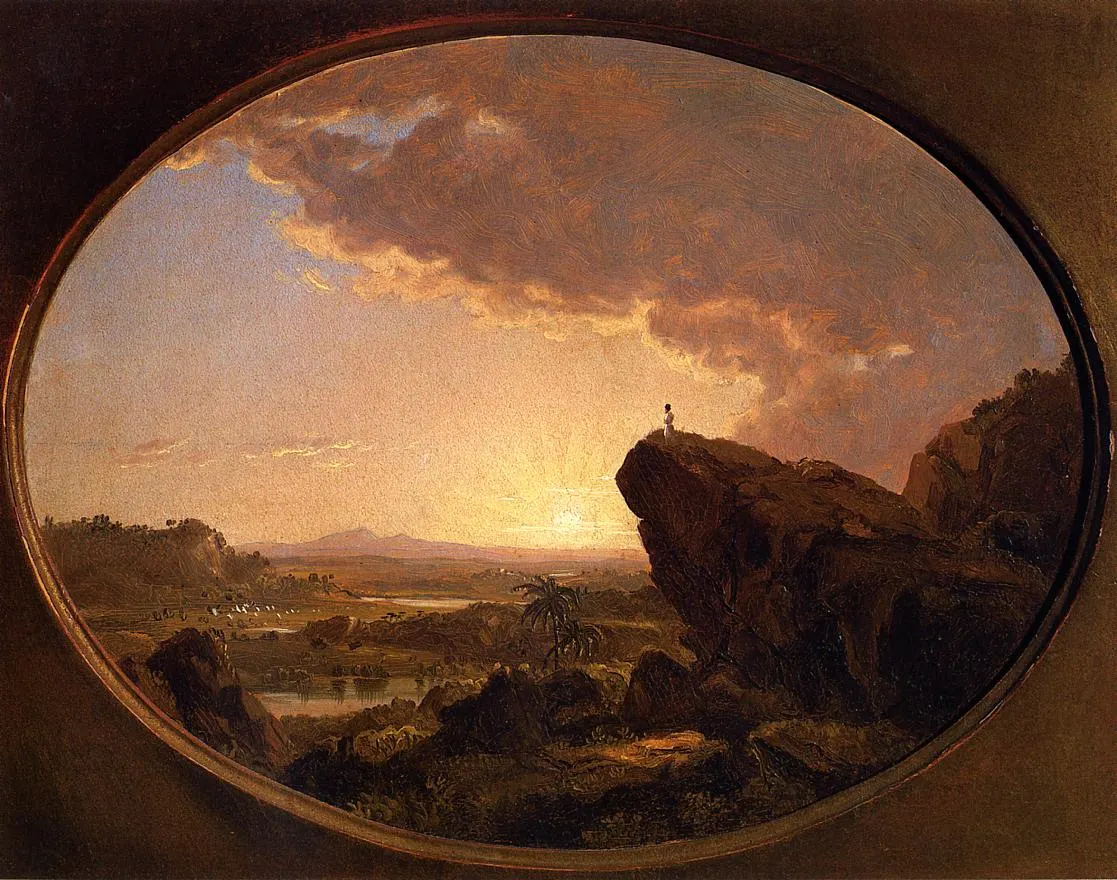
This page draws on Adam Clarke, Commentary on the Bible; Albert Barnes, Notes on the Old Testament; John Gill, Exposition of the Old Testament (1748-1763); Keil and Delitzsch, Biblical Commentary on the Old Testament: The Pentateuch and Matthew Henry, Commentary on the Whole Bible.