
Deuteronomy 10:7
in Deuteronomy 10From there they traveled to Gudgodah, and from Gudgodah to Jotbathah, a land with streams of water.
BSB
The same verse in ASV and KJV ▾
ASV
From thence they journeyed unto Gudgodah; and from Gudgodah to Jotbathah, a land of brooks of water.
KJV
From thence they journeyed unto Gudgodah; and from Gudgodah to Jotbath, a land of rivers of waters.
⋯
This verse in Deuteronomy 10
Commentary
5 notes on this verseFrom thence they journeyed unto Gudgodah,.... Which Jarchi takes to be the same with Horhagidgad, and so do most; see Num 33:32, but Aben Ezra says it is not, but is a general name, including Zalmonah, Punon, and Oboth, places the Israelites came to after they removed from Mount Hor, where Aaron died; see Num 33:41. and from Gudgodah to Jotbath, a land of rivers of waters; which the above writer takes to be the same with Beer, the well, Num 21:16 and by this description of it, it was a place where there was much water.
This site's exposition
there Aaron died, and there he was buried
on Deuteronomy 10:6-7
These two verses break the speech and give a stretch of the wilderness record in the third person. Aaron dies at Mosera here, where Numbers 20:28 and 33:38 put his death on mount Hor, and Numbers 33:31-33 lists the same camps in the reverse order to the one given here. Keil reads Mosera as the district at the foot of Hor, Benjamin Kennicott held the passage to be out of its place, and Jamieson, Fausset and Brown say plainly that they cannot account for the insertion at this point. The accounts stand together and the difference is named rather than settled.
The record, by era
The Puritans and the Awakening2 voices
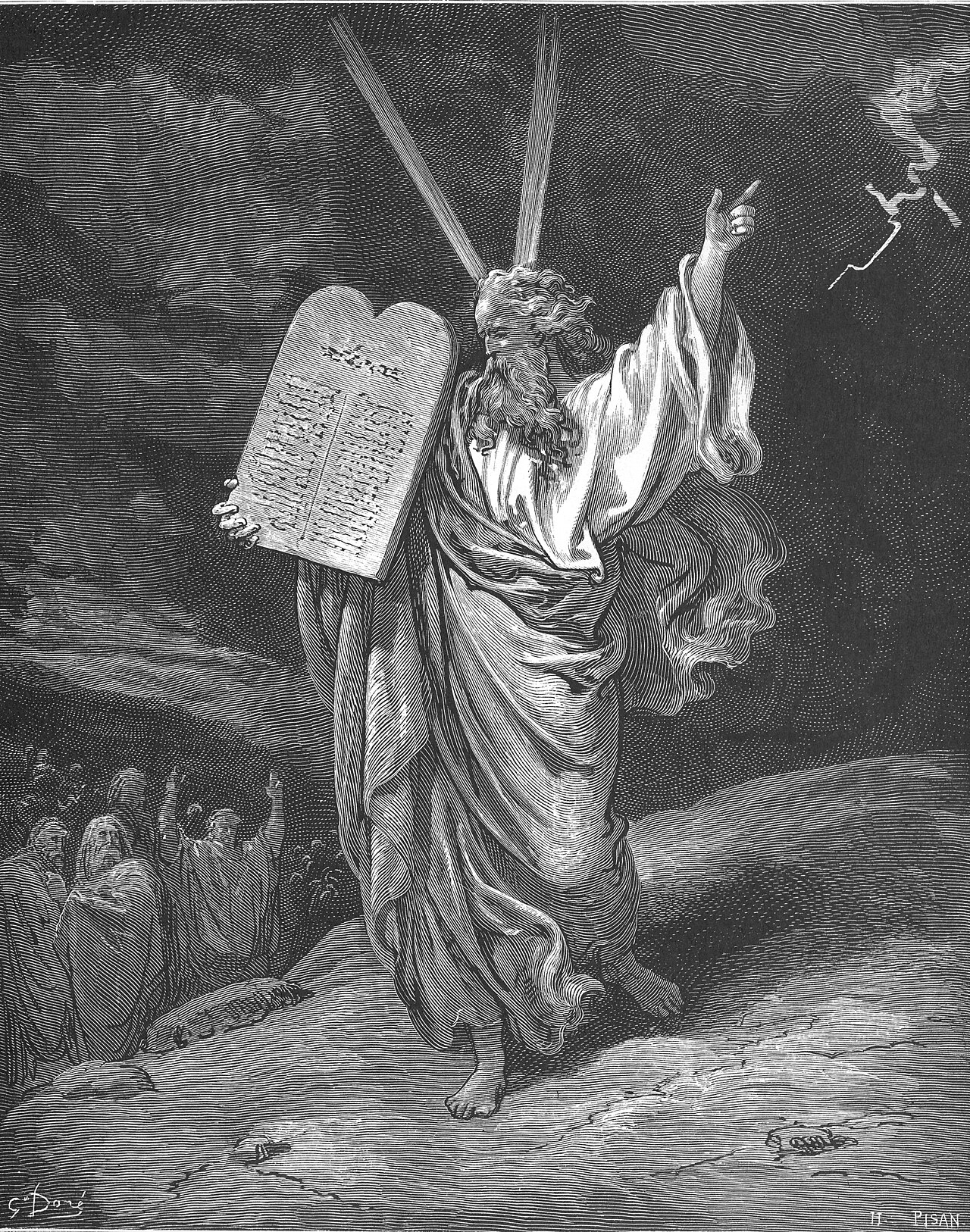
Commentary on Chapter X 2. I will write on the tables - Tho' the tables were broken, because they broke his commandment, they were now renewed, in proof that his wrath was turned away. And thus God's writing his law in our inward parts, is the surest proof of our reconciliation to him.
He appointed a standing ministry among them, to deal for them in holy things. At that time when Moses went up a second time to the mount, or soon after, he had orders to separate the tribe of Levi to God, and to his immediate service, they having distinguished themselves by their zeal against the worshippers of the golden calf,
The Nineteenth Century1 voice
A commentator
Jamieson, Fausset & Brown1802–1910
Commentary Critical and Explanatory on the Whole Bible (1871)
But it is found in the most ancient Hebrew manuscripts, and, believing that all contained in this book was given by inspiration and is entitled to profound respect, we must receive it as it stands, although acknowledging our inability to explain the insertion of these encampment details in this place.
The words behind it
9 Hebrew wordsEvery Hebrew word of this verse in the order it stands, with what it means and the door to its own study. The last column counts the times a word stands in the whole Bible: the rarer the word, the more the places it appears belong together.
| Hebrew | Sound | Meaning | Word study | In the Bible |
|---|---|---|---|---|
| מִשָּׁ֥ם | misham | from there | H8033 → | 834 times |
| נָסְע֖וּ | naseu | they set out | H5265 → | 146 times |
| הַגֻּדְגֹּ֑דָה | hagudgodah | <the> Gudgodah towards | H1412 → | |
| וּמִן־ | umin- | and from | H4480 → | 1188 times |
| הַגֻּדְגֹּ֣דָה | hagudgodah | <the> Gudgodah towards | H1412 → | |
| יָטְבָ֔תָה | yatevatah | Jotbathah | H3193 → | |
| אֶ֖רֶץ | ʾeretz | a land of | H776 → | 2504 times |
| נַ֥חֲלֵי | nachalei | torrents of | H5158 → | 141 times |
| מָֽיִם׃ | mayim | water | H4325 → | 581 times |
מִשָּׁ֥םfrom there
mishamH8033 →834 times
נָסְע֖וּthey set out
naseuH5265 →146 times
הַגֻּדְגֹּ֑דָה<the> Gudgodah towards
hagudgodahH1412 →
וּמִן־and from
umin-H4480 →1188 times
הַגֻּדְגֹּ֣דָה<the> Gudgodah towards
hagudgodahH1412 →
יָטְבָ֔תָהJotbathah
yatevatahH3193 →
אֶ֖רֶץa land of
ʾeretzH776 →2504 times
נַ֥חֲלֵיtorrents of
nachaleiH5158 →141 times
מָֽיִם׃water
mayimH4325 →581 times
A shaded row is a word that stands 400 times or fewer in the Bible.
Where this verse is studied
On this page
About Deuteronomy
This page draws on Jamieson, Fausset & Brown, Commentary Critical and Explanatory on the Whole Bible; John Gill, Exposition of the Old Testament (1748-1763); John Wesley, Explanatory Notes upon the Old Testament; Keil and Delitzsch, Biblical Commentary on the Old Testament: The Pentateuch and Matthew Henry, Commentary on the Whole Bible.