
1 Samuel 10:1
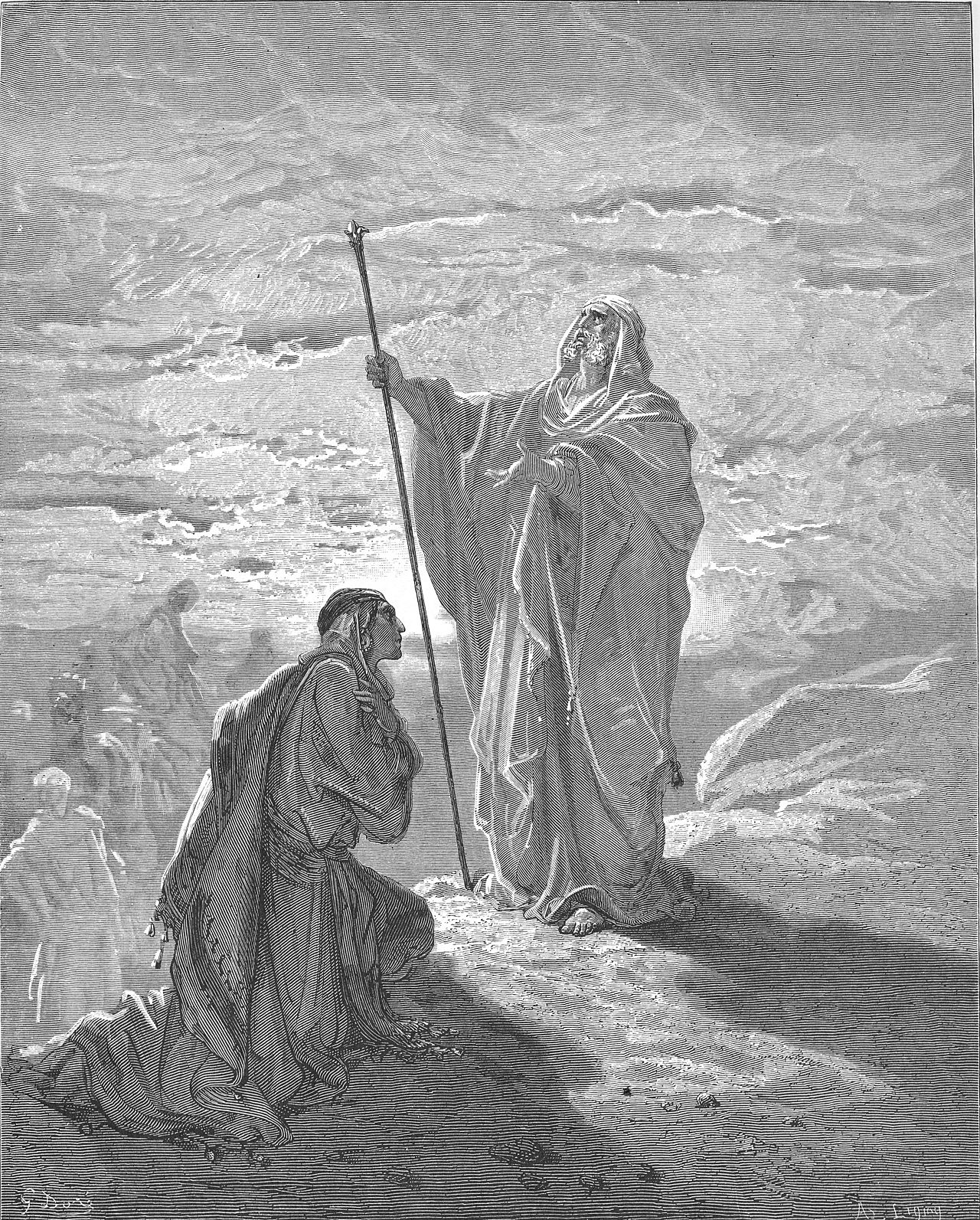
in 1 Samuel 10Then Samuel took a flask of oil, poured it on Saul’s head, kissed him, and said, “Has not the LORD anointed you ruler over His inheritance?
BSB
The same verse in ASV and KJV ▾
ASV
Then Samuel took the vial of oil, and poured it upon his head, and kissed him, and said, Is it not that Jehovah hath anointed thee to be prince over his inheritance?
KJV
Then Samuel took a vial of oil, and poured it upon his head, and kissed him, and said, Is it not because the Lord hath anointed thee to be captain over his inheritance?
⋯
This verse in 1 Samuel 10
Commentary
12 notes on this verseThese sacred unctions then used, pointed at the great Messiah, or anointed One, the King of the church, and High-priest of our profession, who was anointed with the oil of the spirit without measure, above all the priests and princes of the Jewish church. Kissed - As a testimony of his sincere friendship and affection to him.
This site's exposition
anointed you ruler over His inheritance
Samuel's oil names Saul captain over God's inheritance, a private word to one man, not yet a public coronation before Israel. The same two stage shape marks David: a hidden anointing at 16:13, then a public installation at 2 Samuel 2:4 over Judah and 5:3 over all Israel. The kiss that follows is an act of homage, the first allegiance paid to the man just set apart, and it matches the ordinary greeting of a subject before his lord.
The record, by era
The Church Fathers2 voices
We, however, he says, are spiritual, who, from the life-giving water of Euphrates, which flows through the midst of Babylon, choose our own peculiar quality as we pass through the true gate, which is the blessed Jesus. And of all men, we Christians alone are those who in the third gate celebrate the mystery, and are anointed there with the unspeakable chrism from a horn, as David (was anointed), not from an earthen vessel, he says, as (was) Saul, who held converse with the evil demon of carnal concupiscence.
A commentator
John ChrysostomDISCOURSES AGAINST JUDAIZING CHRISTIANS 6.4.3 · Written in the 5th century.
proposed
Furthermore, whenever someone had to be chosen and anointed, the grace of the Spirit would wing its way down and the oil would run on the forehead of the elect. Prophets fulfilled these ministries.
The Medieval Church3 voices
(I Kings X) Samuel took a flask of oil, etc. John took the grace of the Holy Spirit to be preached, and testified that all its fullness rests in Christ, saying: "I saw the Spirit descending as a dove from heaven, and it abode upon …
And he kissed him, etc. And he united the figures of prophecy to the truth of the gospel and the grace of faith to the decrees of the long-desired peace of the law, and said: Behold, God, your God, has anointed you with the oil …
A commentator
Gregory the DialogistCommentary on 1 Kings, Book 4, Chapter 5 · Written before 604.
proposed
1. This indeed is expressed by this anointing, which even now is materially displayed in the holy Church: because he who is placed in a position of authority receives the sacrament of anointing. Because indeed the anointing itself is a sacrament, he who is promoted is well anointed outwardly if he is strengthened inwardly by the power of the sacrament. Let us therefore first consider more attentively the very properties of oil. Oil indeed rises above other liquids, oil nourishes fire, oil is accustomed to heal wounds.
5 more voices on this verse
The Puritans and the Awakening2 voices
But it was only a vial of oil that he anointed him with, the vessel brittle, because his kingdom would soon be cracked and broken, and the quantity small, because he had but little of the Spirit conferred upon him to what David had, who was therefore anointed with a horn of oil, as were Solomon and Jehu with a box of oil.
Then Samuel took a vial of oil,....
The Nineteenth Century3 voices
A commentator
Jamieson, Fausset & Brown1802–1910
Commentary Critical and Explanatory on the Whole Bible (1871)
proposed
But there were two unctions to the kingly office; the one in private, by a prophet (1Sa 16:13), which was meant to be only a prophetic intimation of the person attaining that high dignity--the more public and formal inauguration (2Sa 2:4; 5:3) was performed by the high priest, and perhaps with the holy oil, but that is not certain.
Took a vial of oil - The reasons of this rite the reader will find largely stated in the note on Exo 29:7. The anointing mentioned here took place in the open field. See the preceding chapter, 1Sa 9:26-27 (note). How simple was the ancient ceremony of consecrating a king! A prophet or priest poured oil upon his head, and kissed him; and said, Thus the Lord hath anointed thee to be captain over his inheritance. This was the whole of the ceremony. Even in this anointing, Saul is not acknowledged as king, but simply נגיד nagid, a captain - one who goes before and leads the people.
A commentator
Albert Barnes1798–1870
Notes, Explanatory and Practical, on the Old and New Testaments (1832-1869)
proposed
Is it not because ... - Samuel answers Saul’s tacit or expressed wonder, by telling him why he did as he did. (Compare 1Sa 9:21.)
The words behind it
36 Hebrew wordsEvery Hebrew word of this verse in the order it stands, with what it means and the door to its own study. The last column counts the times a word stands in the whole Bible: the rarer the word, the more the places it appears belong together.
| Hebrew | Sound | Meaning | Word study | In the Bible |
|---|---|---|---|---|
| וַיִּקַּ֨ח | vaiyikach | and he took | H3947 → | 966 times |
| שְׁמוּאֵ֜ל | shemuel | Samuel | H8050 → | 141 times |
| אֶת־ | ʾet- | <obj.> | H853 → | 10935 times |
| פַּ֥ךְ | pakh | [the] flask of | H6378 → | |
| הַשֶּׁ֛מֶן | hashemen | <the> oil | H8081 → | 193 times |
| וַיִּצֹ֥ק | vaiyitzok | and he poured [it] | H3332 → | |
| עַל־ | ʾal- | on | H5921 → | 5755 times |
| רֹאשׁ֖וֹ | rosho | head his | H7218 → | 599 times |
| וַיִּשָּׁקֵ֑הוּ | vaiyishakehu | and he kissed him | H5401 → | |
| וַיֹּ֕אמֶר | vaiyomer | and he said | H559 → | 5305 times |
| הֲל֗וֹא | halo' | ¿ In- | H3808 → | 5168 times |
| כִּֽי־ | ki- | deed | H3588 → | 4482 times |
| מְשָׁחֲךָ֧ | meshachakha | he has anointed you | H4886 → | 70 times |
| יְהוָ֛ה | yahweh | Yahweh | H3068 → | 6520 times |
| עַל־ | ʾal- | over | H5921 → | 5755 times |
| נַחֲלָת֖וֹ | nachalato | inheritance his | H5159 → | |
| לְנָגִֽיד׃ | lenagid | to ruler | H5057 → | 45 times |
| לְנָגִיד | lenagid | to ruler | H5057 → | 45 times |
| עַל־ | ʾal- | over | H5921 → | 5755 times |
| עַמּוֹ | amo | people his | H5971 → | 1873 times |
| עַל־ | ʾal- | over | H5921 → | 5755 times |
| יִשְׂרָאֵל | yisrael | of Israel | H3478 → | 2507 times |
| וְאַתָּה | veatah | and you | H859 → | 1094 times |
| תַעְצֹר | ta'tzor | she will retain | H6113 → | 47 times |
| בְּעַם | beam | among a people | H5971 → | 1873 times |
| יְהוָה | yahweh | Yahweh | H3068 → | 6520 times |
| וְאַתָּה | veatah | and you | H859 → | 1094 times |
| תוֹשִׁיעֶֽנּוּ | toshienu | you deliver him | H3467 → | 206 times |
| מִיַּד | miyad | from [the] hand of | H3027 → | 1618 times |
| אֹיְבָיו | ʾoyevav | enemies its | H341 → | 282 times |
| מִסָּבִיב | misaviv | from round about | H5439 → | 336 times |
| וְזֶה | vezeh- | and this | H2088 → | 1180 times |
| לְךָ | lekha | of you | ||
| הָאוֹת | haot | [will be] the sign | H226 → | 80 times |
| מְשָֽׁחֲךָ | meshachakha | he has anointed you | H4886 → | 70 times |
| יְהוָה | yahweh | Yahweh | H3068 → | 6520 times |
וַיִּקַּ֨חand he took
vaiyikachH3947 →966 times
שְׁמוּאֵ֜לSamuel
shemuelH8050 →141 times
אֶת־<obj.>
ʾet-H853 →10935 times
פַּ֥ךְ[the] flask of
pakhH6378 →
הַשֶּׁ֛מֶן<the> oil
hashemenH8081 →193 times
וַיִּצֹ֥קand he poured [it]
vaiyitzokH3332 →
עַל־on
ʾal-H5921 →5755 times
רֹאשׁ֖וֹhead his
roshoH7218 →599 times
וַיִּשָּׁקֵ֑הוּand he kissed him
vaiyishakehuH5401 →
וַיֹּ֕אמֶרand he said
vaiyomerH559 →5305 times
הֲל֗וֹא¿ In-
halo'H3808 →5168 times
כִּֽי־deed
ki-H3588 →4482 times
מְשָׁחֲךָ֧he has anointed you
meshachakhaH4886 →70 times
יְהוָ֛הYahweh
yahwehH3068 →6520 times
עַל־over
ʾal-H5921 →5755 times
נַחֲלָת֖וֹinheritance his
nachalatoH5159 →
לְנָגִֽיד׃to ruler
lenagidH5057 →45 times
לְנָגִידto ruler
lenagidH5057 →45 times
עַל־over
ʾal-H5921 →5755 times
עַמּוֹpeople his
amoH5971 →1873 times
עַל־over
ʾal-H5921 →5755 times
יִשְׂרָאֵלof Israel
yisraelH3478 →2507 times
וְאַתָּהand you
veatahH859 →1094 times
תַעְצֹרshe will retain
ta'tzorH6113 →47 times
בְּעַםamong a people
beamH5971 →1873 times
יְהוָהYahweh
yahwehH3068 →6520 times
וְאַתָּהand you
veatahH859 →1094 times
תוֹשִׁיעֶֽנּוּyou deliver him
toshienuH3467 →206 times
מִיַּדfrom [the] hand of
miyadH3027 →1618 times
אֹיְבָיוenemies its
ʾoyevavH341 →282 times
מִסָּבִיבfrom round about
misavivH5439 →336 times
וְזֶהand this
vezeh-H2088 →1180 times
לְךָof you
lekha
הָאוֹת[will be] the sign
haotH226 →80 times
מְשָֽׁחֲךָhe has anointed you
meshachakhaH4886 →70 times
יְהוָהYahweh
yahwehH3068 →6520 times
A shaded row is a word that stands 400 times or fewer in the Bible.
The walk
8 stopsEach card is a verse this one points to, and under it the verses that one points to in turn. Where several paths arrive at the same place, that place is listed first: the text keeps returning to it.
Through
Psalms 2:12Kiss the Son, lest He be angry and you perish in your rebellion, when His wrath ignites in an instant. Blessed are all who take refuge in Him.
it leads to
- Psalms 40:4
Blessed is the man who has made the LORD his trust, who has not turned to the proud, nor to those who lapse into falsehood.
- John 5:23
so that all may honor the Son just as they honor the Father. Whoever does not honor the Son does not honor the Father who sent Him.
- Psalms 84:12
O LORD of Hosts, how blessed is the man who trusts in You!
- Psalms 34:8
Taste and see that the LORD is good; blessed is the man who takes refuge in Him!
- Psalms 40:4
Through
1 Samuel 9:16“At this time tomorrow I will send you a man from the land of Benjamin, and you are to anoint him leader over My people Israel; he will save them from the hand of…
it leads to
- 1 Samuel 15:1
Then Samuel said to Saul, “The LORD sent me to anoint you king over His people Israel. Now therefore, listen to the words of the LORD.
Reached by 2 separate paths from here.
- Exodus 3:7–9
The LORD said, “I have indeed seen the affliction of My people in Egypt. I have heard them crying out because of their oppressors, and I am aware of their sufferings.
- Psalms 106:44
Nevertheless He heard their cry; He took note of their distress.
- 1 Samuel 15:1
Through
1 Samuel 16:13So Samuel took the horn of oil and anointed him in the presence of his brothers, and the Spirit of the LORD rushed upon David from that day forward. Then Samuel set out and…
it leads to
- 1 Samuel 10:6
Then the Spirit of the LORD will rush upon you, and you will prophesy with them; and you will be transformed into a different person.
- 1 Samuel 10:6
About 1 Samuel
Who and where
1 name in this verse with a page on the site.
This page draws on 11 works. Open the list of works
This page draws on Adam Clarke, Commentary on the Bible; Albert Barnes, Notes, Explanatory and Practical, on the Old and New Testaments (1832-1869); Bede, Commentary on Samuel; Gregory the Dialogist, Commentary on 1 Kings, Book 4, Chapter 5; Hippolytus of Rome, THE REFUTATION OF ALL HERESIES 5.4; Jamieson Fausset and Brown, Commentary Critical and Explanatory on the Whole Bible; Jamieson, Fausset & Brown, Commentary Critical and Explanatory on the Whole Bible; John Chrysostom, DISCOURSES AGAINST JUDAIZING CHRISTIANS 6.4.3; John Gill, Exposition of the Old Testament (1748-1763); John Wesley, Explanatory Notes upon the Old Testament and Matthew Henry, Commentary on the Whole Bible.