
Leviticus 14:9
in Leviticus 14On the seventh day he must shave off all his hair—his head, his beard, his eyebrows, and the rest of his hair. He must wash his clothes and bathe himself with water, and he will be clean.
BSB
The same verse in ASV and KJV ▾
ASV
And it shall be on the seventh day, that he shall shave all his hair off his head and his beard and his eyebrows, even all his hair he shall shave off: and he shall wash his clothes, and he shall bathe his flesh in water, and he shall be clean.
KJV
But it shall be on the seventh day, that he shall shave all his hair off his head and his beard and his eyebrows, even all his hair he shall shave off: and he shall wash his clothes, also he shall wash his flesh in water, and he shall be clean.
⋯
This verse in Leviticus 14
Commentary
6 notes on this verseThis site's exposition
shave off all his hair
on Leviticus 14:8-9
He washes, shaves and bathes to enter the camp, and on the seventh day shaves again to enter his tent. Three thresholds are crossed in eight days: the camp, the tent and the entrance to the Tent of Meeting.
This site's exposition
his head, his beard, his eyebrows
Verse 9 repeats the shaving and washing of verse 8, now naming head, beard and eyebrows. Matthew Henry applies the second washing to the forgiven, who must still purge themselves from their old sins. Albert Barnes calls it the best type of the Spirit's healing.
The record, by era
The Puritans and the Awakening2 voices
But it shall be on the seventh day,....
Thus those who have the comfort of the remission of their sins, by the sprinkling of the blood of Christ upon their consciences, must with the utmost care and caution cleanse themselves from all filthiness both of flesh and spirit, and thoroughly purge themselves from their old sins; for every one that hath this hope in him will be concerned to purify himself.
The Nineteenth Century2 voices
A commentator
Jamieson, Fausset & Brown1802–1910
Commentary Critical and Explanatory on the Whole Bible (1871)
proposed
The chief of these analogies is that as it was only when a leper exhibited a certain change of state that orders were given by the priest for a sacrifice, so a sinner must be in the exercise of faith and penitence ere the benefits of the gospel remedy can be enjoyed by him.
A commentator
Albert Barnes1798–1870
Notes, Explanatory and Practical, on the Old and New Testaments (1832-1869)
proposed
The best of all types of the healing of the Spirit, was the healing of the leper. In his formal cleansing, consecration, and atonement by sacrifice (see the notes at Lev 14:9-20), the ministers of the sanctuary bore public witness that he was restored to the blessing of communion with his brethren and with Yahweh.
How the passage was read
What the Jewish commentators add
On the verses either side of this one
AND ON THE EIGHTH DAY HE SHALL TAKE TWO HE-LAMBS WITHOUT BLEMISH, AND ONE EWE-LAMB. Scripture has not explained what is to be done with the two he-lambs and the one ewe-lamb.
This section is reception history: how the passage was read and kept in the Jewish tradition. Where a reading parts from an essential of the Christian faith, the section says so at that point.
Texts and citation data: Sefaria; each excerpt follows its version’s licence. 4 further sources are cited on this chapter that carry no English text this site may quote or only restate the verse.
The words behind it
26 Hebrew wordsEvery Hebrew word of this verse in the order it stands, with what it means and the door to its own study. The last column counts the times a word stands in the whole Bible: the rarer the word, the more the places it appears belong together.
| Hebrew | Sound | Meaning | Word study | In the Bible |
|---|---|---|---|---|
| וְהָיָה֩ | vehayah | and it will be | H1961 → | 3559 times |
| בַיּ֨וֹם | vaiyom | on the day | H3117 → | 2304 times |
| הַשְּׁבִיעִ֜י | hashevii | <the> seventh | H7637 → | 98 times |
| יְגַלַּ֣ח | yegalach | he will shave | H1548 → | 23 times |
| אֶת־ | ʾet- | <obj.> | H853 → | 10935 times |
| כָּל־ | kol- | all | H3605 → | 5413 times |
| שְׂעָר֗וֹ | searo | hair his | H8181 → | 28 times |
| אֶת־ | ʾet- | <obj.> | H853 → | 10935 times |
| רֹאשׁ֤וֹ | rosho | head his | H7218 → | 599 times |
| וְאֶת־ | veet | and <obj.> | H853 → | 10935 times |
| זְקָנוֹ֙ | zekano | beard his | H2206 → | 19 times |
| וְאֵת֙ | veet | and <obj.> | H853 → | 10935 times |
| גַּבֹּ֣ת | gabot | [the] eyebrows of | H1354 → | |
| עֵינָ֔יו | ʾeinav | eyes his | H5869 → | 887 times |
| וְאֶת־ | veet | and <obj.> | H853 → | 10935 times |
| כָּל־ | kol- | all | H3605 → | 5413 times |
| שְׂעָר֖וֹ | searo | hair his | H8181 → | 28 times |
| יְגַלֵּ֑חַ | yegaleach | he will shave | H1548 → | 23 times |
| וְכִבֶּ֣ס | vekhibes | and he will wash | H3526 → | 51 times |
| אֶת־ | ʾet- | <obj.> | H853 → | 10935 times |
| בְּגָדָ֗יו | begadav | garments his | H899 → | 217 times |
| וְרָחַ֧ץ | verachatz | and he will wash | H7364 → | 72 times |
| אֶת־ | ʾet- | <obj.> | H853 → | 10935 times |
| בְּשָׂר֛וֹ | besaro | body his | H1320 → | 270 times |
| בַּמַּ֖יִם | bamayim | with <the> water | H4325 → | 581 times |
| וְטָהֵֽר׃ | vetaher | and he will be pure | H2891 → | 94 times |
וְהָיָה֩and it will be
vehayahH1961 →3559 times
בַיּ֨וֹםon the day
vaiyomH3117 →2304 times
הַשְּׁבִיעִ֜י<the> seventh
hasheviiH7637 →98 times
יְגַלַּ֣חhe will shave
yegalachH1548 →23 times
אֶת־<obj.>
ʾet-H853 →10935 times
כָּל־all
kol-H3605 →5413 times
שְׂעָר֗וֹhair his
searoH8181 →28 times
אֶת־<obj.>
ʾet-H853 →10935 times
רֹאשׁ֤וֹhead his
roshoH7218 →599 times
וְאֶת־and <obj.>
veetH853 →10935 times
זְקָנוֹ֙beard his
zekanoH2206 →19 times
וְאֵת֙and <obj.>
veetH853 →10935 times
גַּבֹּ֣ת[the] eyebrows of
gabotH1354 →
עֵינָ֔יוeyes his
ʾeinavH5869 →887 times
וְאֶת־and <obj.>
veetH853 →10935 times
כָּל־all
kol-H3605 →5413 times
שְׂעָר֖וֹhair his
searoH8181 →28 times
יְגַלֵּ֑חַhe will shave
yegaleachH1548 →23 times
וְכִבֶּ֣סand he will wash
vekhibesH3526 →51 times
אֶת־<obj.>
ʾet-H853 →10935 times
בְּגָדָ֗יוgarments his
begadavH899 →217 times
וְרָחַ֧ץand he will wash
verachatzH7364 →72 times
אֶת־<obj.>
ʾet-H853 →10935 times
בְּשָׂר֛וֹbody his
besaroH1320 →270 times
בַּמַּ֖יִםwith <the> water
bamayimH4325 →581 times
וְטָהֵֽר׃and he will be pure
vetaherH2891 →94 times
A shaded row is a word that stands 400 times or fewer in the Bible.
The walk
8 stopsEach card is a verse this one points to, and under it the verses that one points to in turn. Where several paths arrive at the same place, that place is listed first: the text keeps returning to it.
Through
Leviticus 14:8The one being cleansed must wash his clothes, shave off all his hair, and bathe with water; then he will be ceremonially clean. Afterward, he may enter the camp, but he must remain outside…
it leads to
- Leviticus 11:25
and whoever picks up one of their carcasses must wash his clothes, and he will be unclean until evening.
- Numbers 8:7
This is what you must do to cleanse them: Sprinkle them with the water of purification. Have them shave their whole bodies and wash their clothes, and so purify themselves.
- 1 Peter 3:21
And this water symbolizes the baptism that now saves you also—not the removal of dirt from the body, but the pledge of a clear conscience toward God—through the resurrection of Jesus Christ,
- Leviticus 11:25
Through
Numbers 6:9If someone suddenly dies in his presence and defiles his consecrated head of hair, he must shave his head on the day of his cleansing—the seventh day.
it leads to
- Numbers 6:18
Then at the entrance to the Tent of Meeting, the Nazirite is to shave his consecrated head, take the hair, and put it on the fire under the peace offering.
- Acts 18:18
Paul remained in Corinth for quite some time before saying goodbye to the brothers. He had his head shaved in Cenchrea to keep a vow he had made, and then he sailed for Syria,…
- Numbers 6:18
Through
Numbers 8:7This is what you must do to cleanse them: Sprinkle them with the water of purification. Have them shave their whole bodies and wash their clothes, and so purify themselves.
it leads to
- Numbers 19:7–10
Then the priest must wash his clothes and bathe his body in water; after that he may enter the camp, but he will be ceremonially unclean until evening.
- Numbers 19:13
Anyone who touches a human corpse and fails to purify himself defiles the tabernacle of the LORD. That person must be cut off from Israel. He remains unclean, because the water of purification has…
- Leviticus 8:6
Then Moses presented Aaron and his sons and washed them with water.
- Numbers 19:7–10
Where this verse is studied
About Leviticus
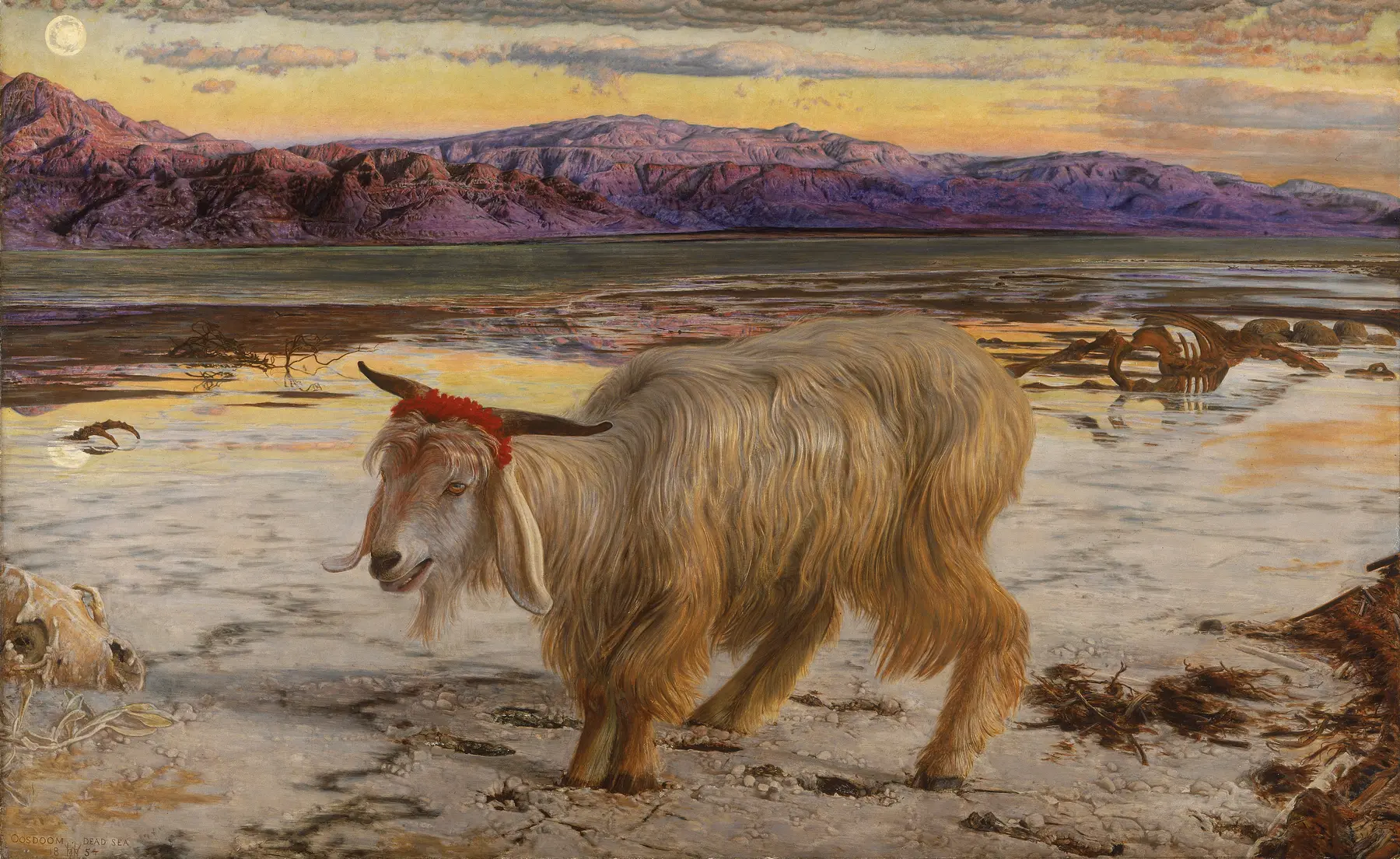
This page draws on Albert Barnes, Notes, Explanatory and Practical, on the Old and New Testaments (1832-1869); Jamieson, Fausset & Brown, Commentary Critical and Explanatory on the Whole Bible; John Gill, Exposition of the Old Testament (1748-1763); Keil and Delitzsch, Biblical Commentary on the Old Testament: The Pentateuch and Matthew Henry, Commentary on the Whole Bible.