
Ecclesiastes 2:19
in Ecclesiastes 2And who knows whether that man will be wise or foolish? Yet he will take over all the labor at which I have worked skillfully under the sun. This too is futile.
BSB
The same verse in ASV and KJV ▾
ASV
And who knoweth whether he will be a wise man or a fool? yet will he have rule over all my labor wherein I have labored, and wherein I have showed myself wise under the sun. This also is vanity.
KJV
And who knoweth whether he shall be a wise man or a fool? yet shall he have rule over all my labour wherein I have laboured, and wherein I have shewed myself wise under the sun. This is also vanity.
⋯
This verse in Ecclesiastes 2
Commentary
5 notes on this verseAnd the reason for the loathing is introduced: "Who shall have an heir after me, whom I know not whether he will be wise or foolish." Literally, Solomon had as heir Rehoboam, a foolish son, who, following the counsel of the young men, caused the …
This site's exposition
unto the man that shall be after me
on Ecclesiastes 2:18-21
A second grief follows the first: all the labour is left unto the man that shall be after me, and who knoweth whether he shall be a wise man or a fool holding what took a lifetime to gather. Verse 21 widens the complaint to any case where a man labours in wisdom and knowledge and skill only to leave the whole as a portion to one who never laboured for it. The Preacher names it plainly, this also is vanity and a great evil, the sharpest language the chapter uses against any single finding. Wesley reads the grief as inheritance itself put to the test and failing it, effort and reward coming apart at the point where a man can no longer watch.
The record, by era
The Puritans and the Awakening2 voices
This expresses not a gracious hatred of these things, which is our duty, to love them less than God and religion ( Luke xiv. 26 ), nor a sinful hatred of them, which is our folly, to be weary of the place God has assigned us and the work of it, but a natural hatred of them, arising from a surfeit upon them and a sense of disappointment in them.
on Ecclesiastes 2:17-20
There is business above the sun, perpetual business, which is perpetual blessedness; what we do in conformity to that business (doing God's will as it is done in heaven ) and in pursuance of that blessedness, will turn to a good account; we shall have no reason to hate that labour, nor to despair of it.
The Nineteenth Century1 voice
A wise man or a fool? - Alas! Solomon, the wisest of all men, made the worst use of his wisdom, had three hundred wives and seven hundred concubines, and yet left but one son behind him, to possess his estates and his throne, and that one was the silliest of fools!
The words behind it
16 Hebrew wordsEvery Hebrew word of this verse in the order it stands, with what it means and the door to its own study. The last column counts the times a word stands in the whole Bible: the rarer the word, the more the places it appears belong together.
| Hebrew | Sound | Meaning | Word study | In the Bible |
|---|---|---|---|---|
| וּמִ֣י | umi | and who? | H4310 → | 423 times |
| יוֹדֵ֗עַ | yodea' | [is] knowing | H3045 → | 945 times |
| הֶֽחָכָ֤ם | hechakham | ¿ a wise [person] | H2450 → | 138 times |
| יִהְיֶה֙ | yihyeh | will he be | H1961 → | 3559 times |
| א֣וֹ | ʾo | or? | H176 → | |
| סָכָ֔ל | sakhal | a fool | H5530 → | 7 times |
| וְיִשְׁלַט֙ | veyishlat | so he may have power | H7980 → | 8 times |
| בְּכָל־ | bekhol | over all | H3605 → | 5413 times |
| עֲמָלִ֔י | ʾamali | toil my | H5999 → | 55 times |
| שֶֽׁעָמַ֥לְתִּי | sheamalti | that I have toiled | H5998 → | 11 times |
| וְשֶׁחָכַ֖מְתִּי | veshechakhamti | and that I worked skillfully | H2449 → | 27 times |
| תַּ֣חַת | tachat | under | H8478 → | 505 times |
| הַשָּׁ֑מֶשׁ | hashamesh | the sun | H8121 → | 134 times |
| גַּם־ | gam- | also | H1571 → | 769 times |
| זֶ֖ה | zeh | this | H2088 → | 1180 times |
| הָֽבֶל׃ | havel | [is] futility | H1892 → | 73 times |
וּמִ֣יand who?
umiH4310 →423 times
יוֹדֵ֗עַ[is] knowing
yodea'H3045 →945 times
הֶֽחָכָ֤ם¿ a wise [person]
hechakhamH2450 →138 times
יִהְיֶה֙will he be
yihyehH1961 →3559 times
א֣וֹor?
ʾoH176 →
סָכָ֔לa fool
sakhalH5530 →7 times
וְיִשְׁלַט֙so he may have power
veyishlatH7980 →8 times
בְּכָל־over all
bekholH3605 →5413 times
עֲמָלִ֔יtoil my
ʾamaliH5999 →55 times
שֶֽׁעָמַ֥לְתִּיthat I have toiled
sheamaltiH5998 →11 times
וְשֶׁחָכַ֖מְתִּיand that I worked skillfully
veshechakhamtiH2449 →27 times
תַּ֣חַתunder
tachatH8478 →505 times
הַשָּׁ֑מֶשׁthe sun
hashameshH8121 →134 times
גַּם־also
gam-H1571 →769 times
זֶ֖הthis
zehH2088 →1180 times
הָֽבֶל׃[is] futility
havelH1892 →73 times
A shaded row is a word that stands 400 times or fewer in the Bible.
The walk
8 stopsEach card is a verse this one points to, and under it the verses that one points to in turn. Where several paths arrive at the same place, that place is listed first: the text keeps returning to it.
Through
James 1:17Every good and perfect gift is from above, coming down from the Father of the heavenly lights, with whom there is no change or shifting shadow.
it leads to
- John 3:27
John replied, “A man can receive only what is given him from heaven.
- Matthew 7:11
So if you who are evil know how to give good gifts to your children, how much more will your Father in heaven give good things to those who ask Him!
- Hebrews 13:8
Jesus Christ is the same yesterday and today and forever.
- John 8:12
Once again, Jesus spoke to the people and said, “I am the light of the world. Whoever follows Me will never walk in the darkness, but will have the light of life.”
- Numbers 23:19
God is not a man, that He should lie, or a son of man, that He should change His mind. Does He speak and not act? Does He promise and not fulfill?
- John 3:27
Through
James 3:17But the wisdom from above is first of all pure, then peace-loving, gentle, accommodating, full of mercy and good fruit, impartial, and sincere.
it leads to
- Galatians 5:22–23
But the fruit of the Spirit is love, joy, peace, patience, kindness, goodness, faithfulness,
- Proverbs 2:6
For the LORD gives wisdom; from His mouth come knowledge and understanding.
- 1 Corinthians 13:4–7
Love is patient, love is kind. It does not envy, it does not boast, it is not proud.
- Galatians 5:22–23
Where this verse is studied
On this page
About Ecclesiastes
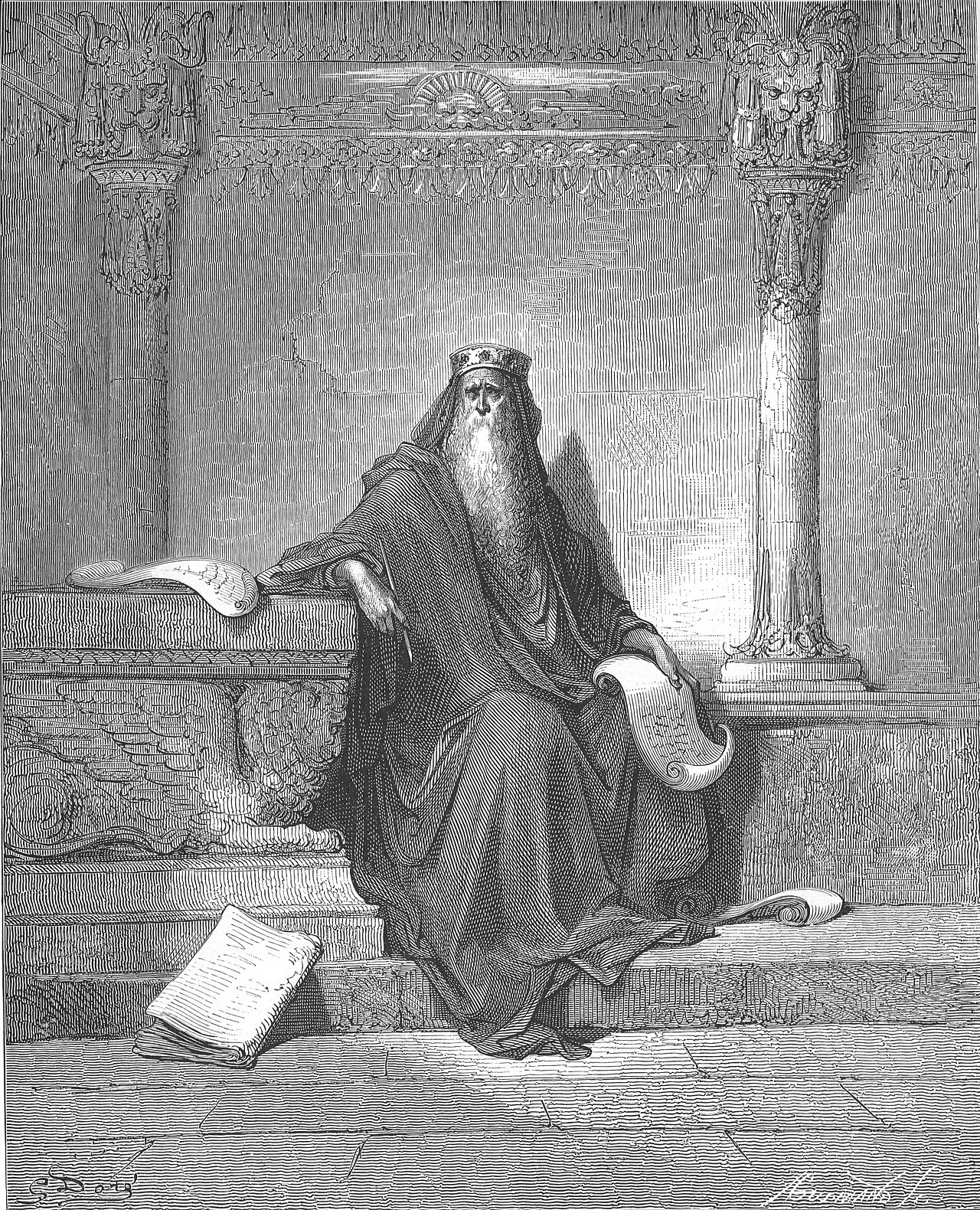
This page draws on Adam Clarke, Commentary on the Bible; Bonaventure, Commentary on Ecclesiastes, Chapter 2; John Wesley, Explanatory Notes upon the Old Testament and Matthew Henry, Commentary on the Whole Bible.