
Deuteronomy 24:13
in Deuteronomy 24be sure to return it to him by sunset, so that he may sleep in his own cloak and bless you, and this will be credited to you as righteousness before the LORD your God.
BSB
The same verse in ASV and KJV ▾
ASV
thou shalt surely restore to him the pledge when the sun goeth down, that he may sleep in his garment, and bless thee: and it shall be righteousness unto thee before Jehovah thy God.
KJV
In any case thou shalt deliver him the pledge again when the sun goeth down, that he may sleep in his own raiment, and bless thee: and it shall be righteousness unto thee before the Lord thy God.
⋯
This verse in Deuteronomy 24
Commentary
6 notes on this verseThis site's exposition
When you lend anything to your neighbor
on Deuteronomy 24:10-15
The creditor stands outside and the debtor brings the security out, so a poor man's house is never entered over a debt. Exodus 22:26-27 already required the cloak back by sunset, and verse 13 adds that returning it “will be credited to you as righteousness before the LORD your God”. The hired hand is paid before sunset, Israelite or foreigner, as Leviticus 19:13 also rules.
This site's exposition
return it to him by sunset
In the East a poor man slept in the cloak he wore by day. His blessing is a prayer, and Wesley holds that the LORD hears it for the good of the one who returned the cloak. Henry calls such prayers the poor man's payment.
The record, by era
The Medieval Church1 voice
A commentator
PateriusEXPOSITION OF THE OLD AND NEW TESTAMENT, DEUTERONOMY 17 · Written before 606.
proposed
Our brother becomes our debtor when our neighbor is shown to have committed some sin against us. For we call sins debts. Thus the sinful servant is told, "I have forgiven you your whole debt." And each day in the Lord's Prayer we pray, "Forgive …
The Puritans and the Awakening3 voices
"Nay, thou shalt not only have the prayers and good wishes of thy poor brother, but it shall be righteousness to thee before the Lord thy God, " that is, "It shall be accepted and rewarded as an act of mercy to thy brother and obedience to thy God, and an evidence of thy sincere conformity to the law.
quarantine:debris (2026-07-29) — odd-straight-quotes
Bless thee - Bring down the blessing of God upon thee by his prayers: for though his prayers, if he be not a good man, shall not avail for his own behalf, yet they shall avail for thy benefit. It shall be right - Esteemed and accepted by God as a work of righteousness, or mercy.
In any case thou shalt deliver him the pledge again, when the sun goeth down,....
How the passage was read
What the Jewish commentators add
כבוא השמש [THOU SHALT RESTORE HIM THE PLEDGE] WHEN THE SUN GOETH DOWN — if it be a night garment; whilst if it be a garment worn during the day restore it to him in the morning.
2 more on this passage, in their own words ▾
AND IF HE BE A POOR MAN, [THOU SHALT NOT SLEEP WITH HIS PLEDGE]. The term “poor” applies to him who has no alternative pledge similar to the item he gave him [the creditor].
Scripture is speaking of the common occurrence, for the poor, the needy, and strangers hire themselves out [for wages, but the law applies to all workers]. Similarly, If thou lend money to any of My people that is poor by thee. Exodus:24.
This section is reception history: how the passage was read and kept in the Jewish tradition. Where a reading parts from an essential of the Christian faith, the section says so at that point.
Texts and citation data: Sefaria; each excerpt follows its version’s licence. 4 further sources are cited on this chapter that carry no English text this site may quote or only restate the verse.
The words behind it
16 Hebrew wordsEvery Hebrew word of this verse in the order it stands, with what it means and the door to its own study. The last column counts the times a word stands in the whole Bible: the rarer the word, the more the places it appears belong together.
| Hebrew | Sound | Meaning | Word study | In the Bible |
|---|---|---|---|---|
| הָשֵׁב֩ | hashev | certainly <to return> | H7725 → | 1056 times |
| תָּשִׁ֨יב | tashiv | you will return | H7725 → | 1056 times |
| ל֤וֹ | lo | to <the> him | ||
| אֶֽת־ | ʾet- | <obj.> | H853 → | 10935 times |
| הַעֲבוֹט֙ | haavot | the pledge | H5667 → | 4 times |
| כְּבֹ֣א | kevo' | when goes | H935 → | 2568 times |
| הַשֶּׁ֔מֶשׁ | hashemesh | the sun | H8121 → | 134 times |
| וְשָׁכַ֥ב | veshakhav | and he will lie down | H7901 → | 212 times |
| בְּשַׂלְמָת֖וֹ | besalmato | in garment his | H8008 → | |
| וּבֵֽרֲכֶ֑ךָּ | uverakheka | and he will bless you | H1288 → | 330 times |
| וּלְךָ֙ | ulekha | and to <the> you | ||
| תִּהְיֶ֣ה | tihyeh | it will belong | H1961 → | 3559 times |
| צְדָקָ֔ה | tzedakah | righteousness | H6666 → | 157 times |
| לִפְנֵ֖י | lifnei | <to> before | H6440 → | 2123 times |
| יְהוָ֥ה | yahweh | Yahweh | H3068 → | 6520 times |
| אֱלֹהֶֽיךָ׃ ס | ʾeloheikha | God your | H430 → | 2601 times |
הָשֵׁב֩certainly <to return>
hashevH7725 →1056 times
תָּשִׁ֨יבyou will return
tashivH7725 →1056 times
ל֤וֹto <the> him
lo
אֶֽת־<obj.>
ʾet-H853 →10935 times
הַעֲבוֹט֙the pledge
haavotH5667 →4 times
כְּבֹ֣אwhen goes
kevo'H935 →2568 times
הַשֶּׁ֔מֶשׁthe sun
hashemeshH8121 →134 times
וְשָׁכַ֥בand he will lie down
veshakhavH7901 →212 times
בְּשַׂלְמָת֖וֹin garment his
besalmatoH8008 →
וּבֵֽרֲכֶ֑ךָּand he will bless you
uverakhekaH1288 →330 times
וּלְךָ֙and to <the> you
ulekha
תִּהְיֶ֣הit will belong
tihyehH1961 →3559 times
צְדָקָ֔הrighteousness
tzedakahH6666 →157 times
לִפְנֵ֖י<to> before
lifneiH6440 →2123 times
יְהוָ֥הYahweh
yahwehH3068 →6520 times
אֱלֹהֶֽיךָ׃ סGod your
ʾeloheikhaH430 →2601 times
A shaded row is a word that stands 400 times or fewer in the Bible.
The walk
8 stopsEach card is a verse this one points to, and under it the verses that one points to in turn. Where several paths arrive at the same place, that place is listed first: the text keeps returning to it.
Through
Deuteronomy 24:15You are to pay his wages each day before sunset, because he is poor and depends on them. Otherwise he may cry out to the LORD against you, and you will be guilty of…
it leads to
- Leviticus 19:13
You must not defraud your neighbor or rob him. You must not withhold until morning the wages due a hired hand.
- James 5:4
Look, the wages you withheld from the workmen who mowed your fields are crying out against you. The cries of the harvesters have reached the ears of the Lord of Hosts.
- Proverbs 3:27–28
Do not withhold good from the deserving when it is within your power to act.
- Jeremiah 22:13
“Woe to him who builds his palace by unrighteousness, and his upper rooms without justice, who makes his countrymen serve without pay, and fails to pay their wages,
- Deuteronomy 15:9
Be careful not to harbor this wicked thought in your heart: “The seventh year, the year of release, is near,” so that you look upon your poor brother begrudgingly and give him nothing. He…
- Leviticus 19:13
Through
Daniel 4:27Therefore, may my advice be pleasing to you, O king. Break away from your sins by doing what is right, and from your iniquities by showing mercy to the oppressed. Perhaps there will be…
it leads to
- Isaiah 55:6–7
Seek the LORD while He may be found; call on Him while He is near.
- Jonah 3:9
Who knows? God may turn and relent; He may turn from His fierce anger, so that we will not perish.”
- Isaiah 55:6–7
Through
Deuteronomy 6:25And if we are careful to observe every one of these commandments before the LORD our God, as He has commanded us, then that will be our righteousness.”
it leads to
- Romans 10:3
Because they were ignorant of God’s righteousness and sought to establish their own, they did not submit to God’s righteousness.
- Romans 10:3
Where this verse is studied
About Deuteronomy
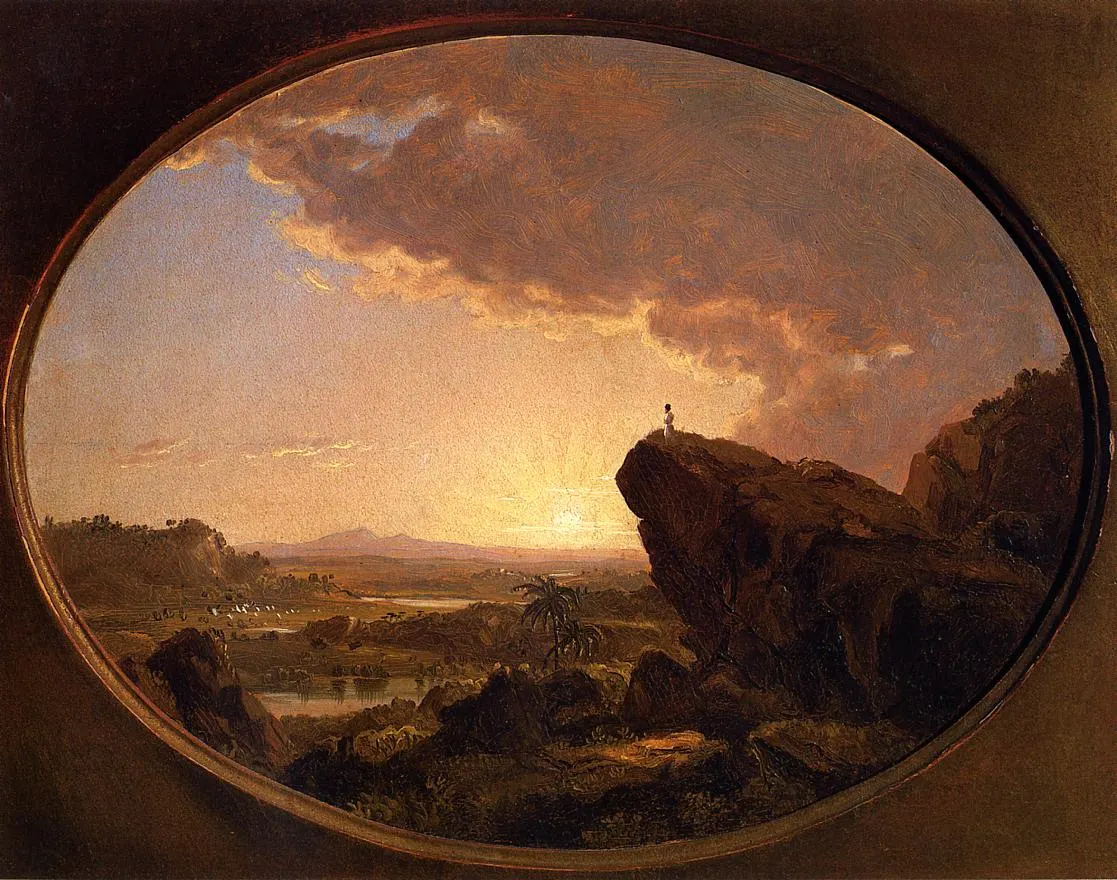
This page draws on Jamieson, Fausset & Brown, Commentary Critical and Explanatory on the Whole Bible; John Gill, Exposition of the Old Testament; John Gill, Exposition of the Old Testament (1748-1763); John Wesley, Explanatory Notes upon the Old Testament; Matthew Henry, Commentary on the Whole Bible and Paterius, EXPOSITION OF THE OLD AND NEW TESTAMENT, DEUTERONOMY 17.