
2 Kings 7:12
in 2 Kings 7So the king got up in the night and said to his servants, “Let me tell you what the Arameans have done to us. They know we are starving, so they have left the camp to hide in the field, thinking, ‘When they come out of the city, we will take them alive and enter the city.’”
BSB
The same verse in ASV and KJV ▾
ASV
And the king arose in the night, and said unto his servants, I will now show you what the Syrians have done to us. They know that we are hungry; therefore are they gone out of the camp to hide themselves in the field, saying, When they come out of the city, we shall take them alive, and get into the city.
KJV
And the king arose in the night, and said unto his servants, I will now shew you what the Syrians have done to us. They know that we be hungry; therefore are they gone out of the camp to hide themselves in the field, saying, When they come out of the city, we shall catch them alive, and get into the city.
⋯
This verse in 2 Kings 7
Commentary
7 notes on this verseHe knew no reason the Syrians had to fly, for it does not appear that he or any of this attendants heard the noise of the chariots which the Syrians were frightened at. Let not those who, like him, are unstable in all their ways, think to receive any thing from God; nay, a guilty conscience fears the worst and makes men suspicious.
This site's exposition
called out to the gatekeepers of the city
on 2 Kings 7:10-12
Word passes in quick steps: the lepers call to the gatekeepers, the gatekeepers shout it, and the king's household hears it within. The king's first thought is a trap, that the Arameans “have left the camp to hide in the field” to take the city.
This site's exposition
to hide in the field
Matthew Henry notes neither the king nor his attendants had heard the noise that frightened the Arameans, so he knew no cause for their flight. Henry adds that a guilty conscience fears the worst and breeds suspicion. The king reads an empty camp as an ambush.
The record, by era
The Puritans and the Awakening1 voice
And the king arose in the night,....
The Nineteenth Century3 voices
A commentator
Jamieson, Fausset & Brown1802–1910
Commentary Critical and Explanatory on the Whole Bible (1871)
proposed
the king . . . said unto his servants, I will now show you what the Syrians have done--Similar stratagems have been so often resorted to in the ancient and modern wars of the East that there is no wonder Jehoram's suspicions were awakened.
quarantine:debris (2026-07-29) — starts-lowercase
The king arose in the night - This king had made a noble defense; he seems to have shared in all the sufferings of the besieged, and to have been ever at his post. Even in vile Ahab there were some good things!
A commentator
Albert Barnes1798–1870
Notes, Explanatory and Practical, on the Old and New Testaments (1832-1869)
proposed
His servants - i. e., “high officers of the household,” not mere domestics. I will shew you what the Syrians have done - Jehoram sees in the deserted camp a stratagem like that connected with the taking of Ai Josh. 8:3-19. The suspicion was a very natural one, since the Israelites knew of no reason why the Syrians should have raised the siege.
How the passage was read
What the Jewish commentators add
We are starving. And long to go out to the loot and to the food. 4 Their enemy figured that the Bnei Yisroel are desperately starving and will therefore leave the city without first investigating whether the enemy is waiting in ambush.—Metzudas Dovid
1 more on this passage, in their own words ▾
That are left in it [the city]. Within the city, that did not die of hunger.
This section is reception history: how the passage was read and kept in the Jewish tradition. Where a reading parts from an essential of the Christian faith, the section says so at that point.
Texts and citation data: Sefaria; each excerpt follows its version’s licence. 5 further sources are cited on this chapter that carry no English text this site may quote or only restate the verse.
The words behind it
33 Hebrew wordsEvery Hebrew word of this verse in the order it stands, with what it means and the door to its own study. The last column counts the times a word stands in the whole Bible: the rarer the word, the more the places it appears belong together.
| Hebrew | Sound | Meaning | Word study | In the Bible |
|---|---|---|---|---|
| וַיָּ֨קָם | vaiyakom | and he arose | H6965 → | 628 times |
| הַמֶּ֜לֶךְ | hamelekh | the king | H4428 → | 2525 times |
| לַ֗יְלָה | laylah | night | H3915 → | 233 times |
| וַיֹּ֙אמֶר֙ | vaiyomer | and he said | H559 → | 5305 times |
| אֶל־ | ʾel- | to | H413 → | 5510 times |
| עֲבָדָ֔יו | ʾavadav | servants his | H5650 → | 799 times |
| אַגִּֽידָה־ | ʾagidah- | let me tell | H5046 → | 370 times |
| נָּ֣א | na' | please | H4994 → | 404 times |
| לָכֶ֔ם | lakhem | to you | ||
| אֵ֛ת | ʾet | <obj.> | H853 → | 10935 times |
| אֲשֶׁר־ | ʾasher- | [that] which | H834 → | 5497 times |
| עָ֥שׂוּ | ʾasu | they have done | H6213 → | 2628 times |
| לָ֖נוּ | lanu | to us | ||
| אֲרָ֑ם | ʾaram | Aram | H758 → | 143 times |
| יָדְע֞וּ | yadeu | they know | H3045 → | 945 times |
| כִּי־ | ki- | that | H3588 → | 4482 times |
| רְעֵבִ֣ים | reevim | [are] hungry | H7457 → | |
| אֲנַ֗חְנוּ | ʾanachnu | we | H587 → | 120 times |
| וַיֵּצְא֤וּ | vaiyetzeu | and they have gone out | H3318 → | 1067 times |
| מִן־ | min- | from | H4480 → | 1188 times |
| הַֽמַּחֲנֶה֙ | hamachaneh | the camp | H4264 → | 215 times |
| לְהֵחָבֵ֤ה | lehechaveh | to hide themselves | H2247 → | |
| בַשָּׂדֶה֙ | vehasadeh | in open country | H7704 → | 334 times |
| לֵאמֹ֔ר | lemor | <to> saying | H559 → | 5305 times |
| כִּֽי־ | ki- | that | H3588 → | 4482 times |
| יֵצְא֤וּ | yetzeu | they will come out | H3318 → | 1067 times |
| מִן־ | min- | from | H4480 → | 1188 times |
| הָעִיר֙ | hair | the city | H5892 → | 1090 times |
| וְנִתְפְּשֵׂ֣ם | venitpesem | and we will seize them | H8610 → | 65 times |
| חַיִּ֔ים | chaiyim | alive | H2416 → | 498 times |
| וְאֶל־ | veel- | and into | H413 → | 5510 times |
| הָעִ֖יר | hair | the city | H5892 → | 1090 times |
| נָבֹֽא׃ | navo' | we will go | H935 → | 2568 times |
וַיָּ֨קָםand he arose
vaiyakomH6965 →628 times
הַמֶּ֜לֶךְthe king
hamelekhH4428 →2525 times
לַ֗יְלָהnight
laylahH3915 →233 times
וַיֹּ֙אמֶר֙and he said
vaiyomerH559 →5305 times
אֶל־to
ʾel-H413 →5510 times
עֲבָדָ֔יוservants his
ʾavadavH5650 →799 times
אַגִּֽידָה־let me tell
ʾagidah-H5046 →370 times
נָּ֣אplease
na'H4994 →404 times
לָכֶ֔םto you
lakhem
אֵ֛ת<obj.>
ʾetH853 →10935 times
אֲשֶׁר־[that] which
ʾasher-H834 →5497 times
עָ֥שׂוּthey have done
ʾasuH6213 →2628 times
לָ֖נוּto us
lanu
אֲרָ֑םAram
ʾaramH758 →143 times
יָדְע֞וּthey know
yadeuH3045 →945 times
כִּי־that
ki-H3588 →4482 times
רְעֵבִ֣ים[are] hungry
reevimH7457 →
אֲנַ֗חְנוּwe
ʾanachnuH587 →120 times
וַיֵּצְא֤וּand they have gone out
vaiyetzeuH3318 →1067 times
מִן־from
min-H4480 →1188 times
הַֽמַּחֲנֶה֙the camp
hamachanehH4264 →215 times
לְהֵחָבֵ֤הto hide themselves
lehechavehH2247 →
בַשָּׂדֶה֙in open country
vehasadehH7704 →334 times
לֵאמֹ֔ר<to> saying
lemorH559 →5305 times
כִּֽי־that
ki-H3588 →4482 times
יֵצְא֤וּthey will come out
yetzeuH3318 →1067 times
מִן־from
min-H4480 →1188 times
הָעִיר֙the city
hairH5892 →1090 times
וְנִתְפְּשֵׂ֣םand we will seize them
venitpesemH8610 →65 times
חַיִּ֔יםalive
chaiyimH2416 →498 times
וְאֶל־and into
veel-H413 →5510 times
הָעִ֖ירthe city
hairH5892 →1090 times
נָבֹֽא׃we will go
navo'H935 →2568 times
A shaded row is a word that stands 400 times or fewer in the Bible.
The walk
5 stopsEach card is a verse this one points to, and under it the verses that one points to in turn. Where several paths arrive at the same place, that place is listed first: the text keeps returning to it.
Through
Joshua 8:4with these orders: “Pay attention. You are to lie in ambush behind the city, not too far from it. All of you must be ready.
it leads to
- Judges 20:29
So Israel set up an ambush around Gibeah.
- 1 Samuel 15:2
This is what the LORD of Hosts says: ‘I witnessed what the Amalekites did to the Israelites when they ambushed them on their way up from Egypt.
- Acts 23:21
Do not let them persuade you, because more than forty men are waiting to ambush him. They have bound themselves with an oath not to eat or drink until they have killed him; they…
- Ecclesiastes 7:19
Wisdom makes the wise man stronger than ten rulers in a city.
- Judges 9:25
The leaders of Shechem set up an ambush against Abimelech on the hilltops, and they robbed all who passed by them on the road. So this was reported to Abimelech.
- Judges 20:29
Where this verse is studied
On this page
About 2 Kings
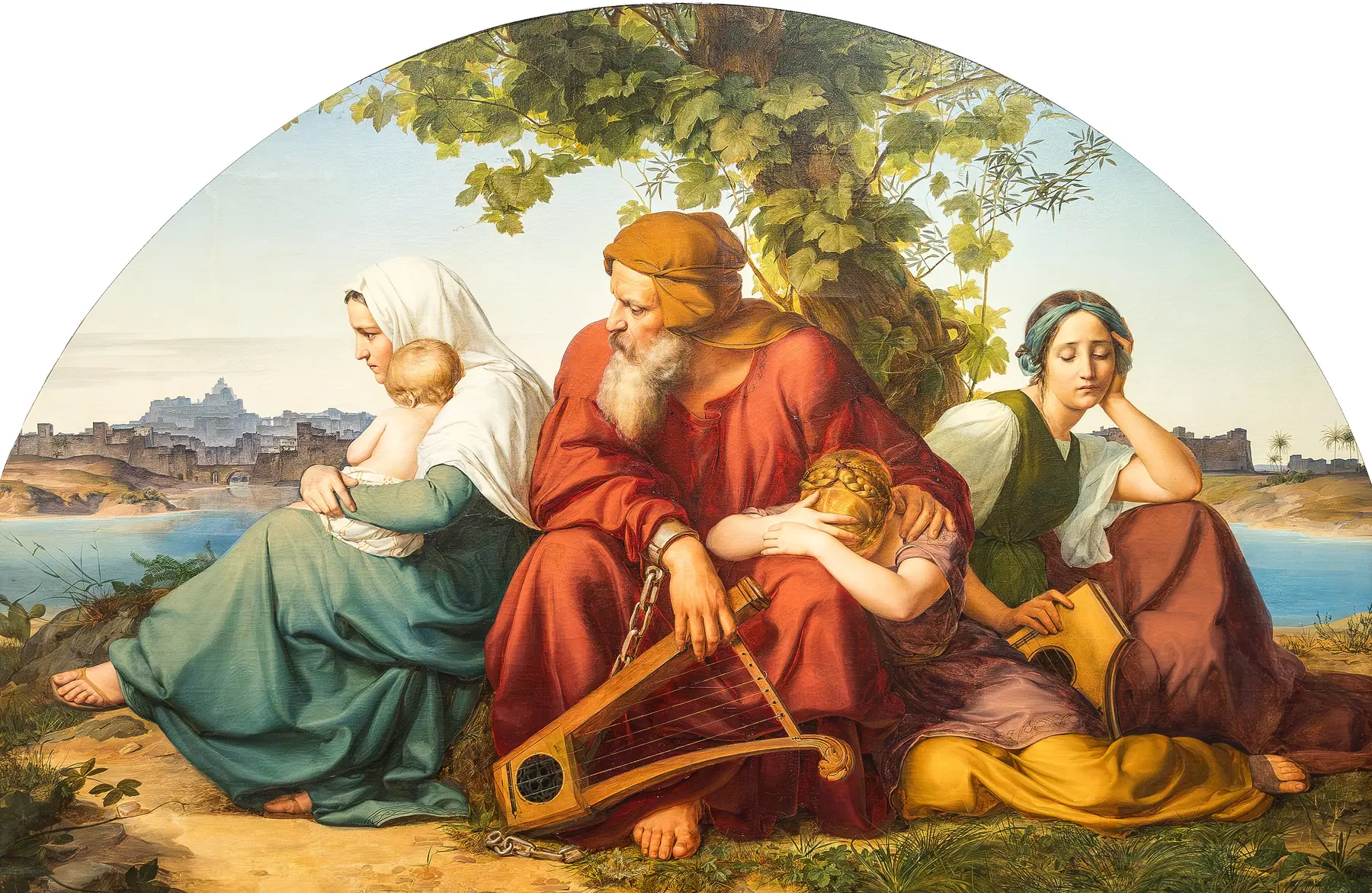
This page draws on Adam Clarke, Commentary on the Bible; Albert Barnes, Notes on the Old Testament; Albert Barnes, Notes, Explanatory and Practical, on the Old and New Testaments (1832-1869); Jamieson, Fausset & Brown, Commentary Critical and Explanatory on the Whole Bible; John Gill, Exposition of the Old Testament (1748-1763) and Matthew Henry, Commentary on the Whole Bible.