
1 Samuel 10:19
in 1 Samuel 10But today you have rejected your God, who saves you from all your troubles and afflictions, and you have said to Him, ‘No, set a king over us.’ Now therefore present yourselves before the LORD by your tribes and clans.”
BSB
The same verse in ASV and KJV ▾
ASV
but ye have this day rejected your God, who himself saveth you out of all your calamities and your distresses; and ye have said unto him, Nay, but set a king over us. Now therefore present yourselves before Jehovah by your tribes, and by your thousands.
KJV
And ye have this day rejected your God, who himself saved you out of all your adversities and your tribulations; and ye have said unto him, Nay, but set a king over us. Now therefore present yourselves before the Lord by your tribes, and by your thousands.
⋯
This verse in 1 Samuel 10
Commentary
9 notes on this verseA commentator
Albert Barnes1798–1870
Notes, Explanatory and Practical, on the Old and New Testaments (1832-1869)
For the use of “thousand” as equivalent to “family,” see 1Sa 23:23; Jdg 6:15 margin. In Num 1:16 it may mean whole tribes.
This site's exposition
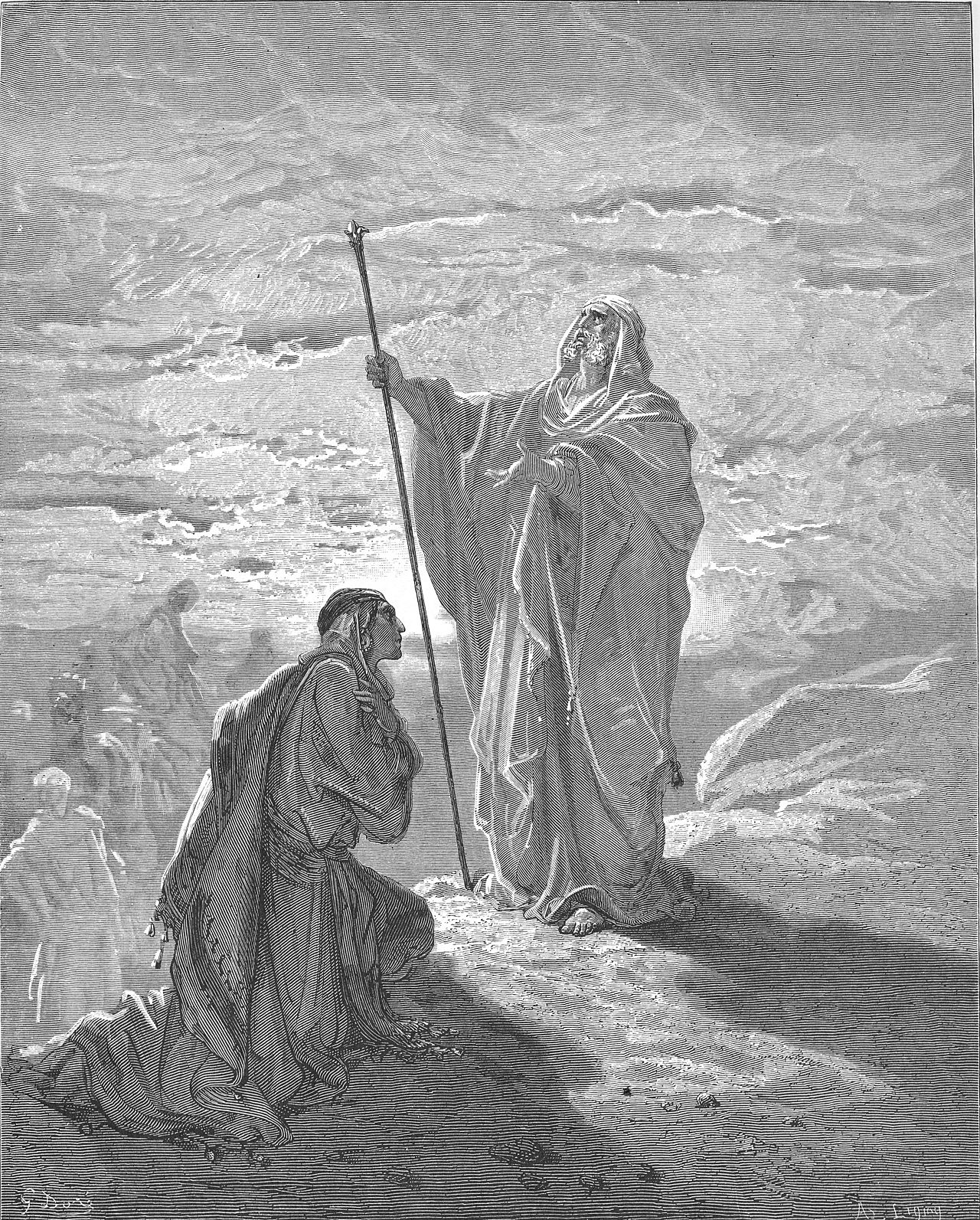
Samuel summoned the people to the LORD
on 1 Samuel 10:17-19
Samuel gathers the people at Mizpah and rehearses the exodus before he says one word about a king: “I brought Israel up out of Egypt”. Verse 19 repeats in public what God told Samuel privately at 8:7, “today you have rejected your God, who saves you from all your troubles and afflictions”. No one at the casting of lots that follows can say the choice was sprung on them.
This site's exposition
But today you have rejected your God
Samuel names the request for a king a rejection of the God who saves them from all their troubles. John Wesley notes that the lot let every tribe and clan see whom the LORD had chosen. Albert Barnes notes that the word behind clans is thousands.
The record, by era
The Medieval Church1 voice
A commentator
Gregory the DialogistCommentary on 1 Kings, Book 4, Chapter 5 · Written before 604.
proposed
32. Indeed, he carefully showed them both the good things which the Lord had bestowed upon them and the evil things which they themselves had done against the Lord, so that they might recognize that they had sinned all the more gravely, inasmuch as they had dared by sinning to offend him from whom they had received such great blessings.
The Puritans and the Awakening3 voices
He tells them in plain terms, " You have this day rejected your God; you have in effect done it: so he construes it, and he might justly, for your so doing, reject you." Those that can live better by sense than by faith, that stay themselves upon an arm of flesh rather than upon the almighty arm, forsake a fountain of living waters for broken cisterns.
Now therefore, &c. - He puts them upon chusing their king by lot, that all might know God had chosen Saul (for the disposal of the lot is of the Lord) and to prevent all dispute and exception.
And ye have this day rejected your God,....
The Nineteenth Century1 voice
A commentator
Jamieson, Fausset & Brown1802–1910
Commentary Critical and Explanatory on the Whole Bible (1871)
proposed
As it was of the utmost importance that the appointment should be under the divine direction and control, the determination was made by the miraculous lot, tribes, families, and individuals being successively passed until Saul was found.
1 more voice on this verse
The Nineteenth Century1 voice
Present yourselves - by your tribes - It appears that, in order to find out the proper person who should be made their king, they must determine by lot: 1. The tribe. 2. The thousands or grand divisions by families. 3. The smaller divisions by families. And, 4. The individual. When the lot was cast for the tribe, Benjamin was taken; when for the thousand, the division of Matri was taken; when for the family, the family of Kish was taken; when for the individual, Saul, the son of Kish, was taken.
The words behind it
24 Hebrew wordsEvery Hebrew word of this verse in the order it stands, with what it means and the door to its own study. The last column counts the times a word stands in the whole Bible: the rarer the word, the more the places it appears belong together.
| Hebrew | Sound | Meaning | Word study | In the Bible |
|---|---|---|---|---|
| וְאַתֶּ֨ם | veatem | and you | H859 → | 1094 times |
| הַיּ֜וֹם | haiyom | this day | H3117 → | 2304 times |
| מְאַסְתֶּ֣ם | meastem | you have rejected | H3988 → | 76 times |
| אֶת־ | ʾet- | <obj.> | H853 → | 10935 times |
| אֱלֹהֵיכֶ֗ם | ʾeloheikhem | God your | H430 → | 2601 times |
| אֲשֶׁר־ | ʾasher- | who | H834 → | 5497 times |
| ה֣וּא | hu' | he | H1931 → | 1879 times |
| מוֹשִׁ֣יעַ | moshia' | [is] a deliverer | H3467 → | 206 times |
| לָכֶם֮ | lakhem | of you | ||
| מִכָּל־ | mikol | from all | H3605 → | 5413 times |
| רָעוֹתֵיכֶ֣ם | raoteikhem | calamities your | H7451 → | 662 times |
| וְצָרֹֽתֵיכֶם֒ | vetzaroteikhem | and troubles your | H6869 → | 73 times |
| וַתֹּ֣אמְרוּ | vatomeru | and you have said | H559 → | 5305 times |
| ל֔וֹ | lo | to <the> him | ||
| כִּי־ | ki- | for | H3588 → | 4482 times |
| מֶ֖לֶךְ | melekh | a king | H4428 → | 2525 times |
| תָּשִׂ֣ים | tasim | you will appoint | H7760 → | 584 times |
| עָלֵ֑ינוּ | ʾaleinu | over us | H5921 → | 5755 times |
| וְעַתָּ֗ה | veatah | and therefore | H6258 → | 433 times |
| הִֽתְיַצְּבוּ֙ | hityatzevu | present yourselves | H3320 → | 48 times |
| לִפְנֵ֣י | lifnei | <to> before | H6440 → | 2123 times |
| יְהוָ֔ה | yahweh | Yahweh | H3068 → | 6520 times |
| לְשִׁבְטֵיכֶ֖ם | leshivteikhem | to tribes your | H7626 → | 190 times |
| וּלְאַלְפֵיכֶֽם׃ | ulealfeikhem | and to families your | H505 → | 505 times |
וְאַתֶּ֨םand you
veatemH859 →1094 times
הַיּ֜וֹםthis day
haiyomH3117 →2304 times
מְאַסְתֶּ֣םyou have rejected
meastemH3988 →76 times
אֶת־<obj.>
ʾet-H853 →10935 times
אֱלֹהֵיכֶ֗םGod your
ʾeloheikhemH430 →2601 times
אֲשֶׁר־who
ʾasher-H834 →5497 times
ה֣וּאhe
hu'H1931 →1879 times
מוֹשִׁ֣יעַ[is] a deliverer
moshia'H3467 →206 times
לָכֶם֮of you
lakhem
מִכָּל־from all
mikolH3605 →5413 times
רָעוֹתֵיכֶ֣םcalamities your
raoteikhemH7451 →662 times
וְצָרֹֽתֵיכֶם֒and troubles your
vetzaroteikhemH6869 →73 times
וַתֹּ֣אמְרוּand you have said
vatomeruH559 →5305 times
ל֔וֹto <the> him
lo
כִּי־for
ki-H3588 →4482 times
מֶ֖לֶךְa king
melekhH4428 →2525 times
תָּשִׂ֣יםyou will appoint
tasimH7760 →584 times
עָלֵ֑ינוּover us
ʾaleinuH5921 →5755 times
וְעַתָּ֗הand therefore
veatahH6258 →433 times
הִֽתְיַצְּבוּ֙present yourselves
hityatzevuH3320 →48 times
לִפְנֵ֣י<to> before
lifneiH6440 →2123 times
יְהוָ֔הYahweh
yahwehH3068 →6520 times
לְשִׁבְטֵיכֶ֖םto tribes your
leshivteikhemH7626 →190 times
וּלְאַלְפֵיכֶֽם׃and to families your
ulealfeikhemH505 →505 times
A shaded row is a word that stands 400 times or fewer in the Bible.
The walk
8 stopsEach card is a verse this one points to, and under it the verses that one points to in turn. Where several paths arrive at the same place, that place is listed first: the text keeps returning to it.
Through
Joshua 24:1Then Joshua assembled all the tribes of Israel at Shechem. He summoned the elders, leaders, judges, and officers of Israel, and they presented themselves before God.
it leads to
- Joshua 23:2
he summoned all Israel, including its elders, leaders, judges, and officers. “I am old and well along in years,” he said,
- Joshua 23:2
Through
1 Samuel 12:12But when you saw that Nahash king of the Ammonites was moving against you, you said to me, ‘No, we must have a king to rule over us’—even though the LORD your God was…
it leads to
- Judges 8:23
But Gideon replied, “I will not rule over you, nor will my son. The LORD shall rule over you.”
- 1 Samuel 8:5–7
“Look,” they said, “you are old, and your sons do not walk in your ways. Now appoint a king to judge us like all the other nations.”
- Genesis 17:7
I will establish My covenant as an everlasting covenant between Me and you and your descendants after you, to be your God and the God of your descendants after you.
- 1 Samuel 11:1–2
Soon Nahash the Ammonite came up and laid siege to Jabesh-gilead. All the men of Jabesh said to him, “Make a treaty with us, and we will serve you.”
- Hosea 13:10
Where is your king now to save you in all your cities, and the rulers to whom you said, “Give me a king and princes”?
- Judges 8:23
Through
1 Samuel 8:19Nevertheless, the people refused to listen to Samuel. “No!” they said. “We must have a king over us.
it leads to
- Jeremiah 44:16
“As for the word you have spoken to us in the name of the LORD, we will not listen to you!
- Jeremiah 7:13
And now, because you have done all these things, declares the LORD, and because I have spoken to you again and again but you would not listen, and I have called to you but…
- Jeremiah 44:16
About 1 Samuel
This page draws on Adam Clarke, Commentary on the Bible; Albert Barnes, Notes, Explanatory and Practical, on the Old and New Testaments (1832-1869); Gregory the Dialogist, Commentary on 1 Kings, Book 4, Chapter 5; Jamieson, Fausset & Brown, Commentary Critical and Explanatory on the Whole Bible; John Gill, Exposition of the Old Testament (1748-1763); John Wesley, Explanatory Notes upon the Old Testament and Matthew Henry, Commentary on the Whole Bible.