
Jeremiah 34:16
in Jeremiah 34But now you have changed your minds and profaned My name. Each of you has taken back the menservants and maidservants whom you had set at liberty to go wherever they wanted, and you have again forced them to be your slaves.
BSB
The same verse in ASV and KJV ▾
ASV
but ye turned and profaned my name, and caused every man his servant, and every man his handmaid, whom ye had let go free at their pleasure, to return; and ye brought them into subjection, to be unto you for servants and for handmaids.
KJV
But ye turned and polluted my name, and caused every man his servant, and every man his handmaid, whom ye had set at liberty at their pleasure, to return, and brought them into subjection, to be unto you for servants and for handmaids.
⋯
This verse in Jeremiah 34
Commentary
6 notes on this verseYe - polluted my name - Had made the covenant in my name, calling me to witness it; now ye have dishonored my name, by breaking that covenant, and acting contrary to my law.
This site's exposition
I made a covenant with your fathers
on Jeremiah 34:13-16
The Lord reaches back to the release law itself, given the day he brought Israel out of Egypt, six years' service and freedom in the seventh, a law the fathers never kept. For once the sons had done right, proclaiming liberty and sealing it with a covenant in the temple, the house called by the Lord's own name, before turning and polluting that name by taking back what they had freed. Keil reads polluted my name as the real charge, a covenant made in God's house broken in God's house, and Henry sets the fathers' old failure beside the sons' fresh one as the same sin worked twice.
The record, by era
The Puritans and the Awakening4 voices
This prophecy concerning Zedekiah was delivered to Jeremiah, and by him to the parties concerned, before he was shut up in the prison, for we find this prediction here made the ground of his commitment, as appears by the recital of some passages out of it, ch. xxxii.
This was a great abuse to their servants, to whom servitude would be more irksome, after they had had some taste of the pleasures of liberty. It was a great shame to themselves that they could not keep in a good mind when they were in it. But it was especially an affront to God; in doing this they polluted his name,
But ye turned and polluted my name,....
It was a contempt of the command he had given them, as if that were of no force at all, but they might either keep it or break it as they thought fit. It was a contempt of the covenant they had made with him, and of that wrath which they had imprecated upon themselves in case they should break that covenant.
How the passage was read
What the Jewish commentators add
On the verses either side of this one
behold I proclaim freedom to you from Me, that I am not your master to save you, and you shall be free to the sword and to the famine.
This section is reception history: how the passage was read and kept in the Jewish tradition. Where a reading parts from an essential of the Christian faith, the section says so at that point.
Texts and citation data: Sefaria; each excerpt follows its version’s licence. 5 further sources are cited on this chapter that carry no English text this site may quote or only restate the verse.
The words behind it
21 Hebrew wordsEvery Hebrew word of this verse in the order it stands, with what it means and the door to its own study. The last column counts the times a word stands in the whole Bible: the rarer the word, the more the places it appears belong together.
| Hebrew | Sound | Meaning | Word study | In the Bible |
|---|---|---|---|---|
| וַתָּשֻׁ֙בוּ֙ | vatashuvu | and you turned back | H7725 → | 1056 times |
| וַתְּחַלְּל֣וּ | vatechalelu | and you profaned | H2490 → | 143 times |
| אֶת־ | ʾet- | <obj.> | H853 → | 10935 times |
| שְׁמִ֔י | shemi | name my | H8034 → | 864 times |
| וַתָּשִׁ֗בוּ | vatashivu | and you took back | H7725 → | 1056 times |
| אִ֤ישׁ | ʾish | everyone | H376 → | 1663 times |
| אֶת־ | ʾet- | <obj.> | H853 → | 10935 times |
| עַבְדּוֹ֙ | avdo | [male] slave his | H5650 → | 799 times |
| וְאִ֣ישׁ | veish | and everyone | H376 → | 1663 times |
| אֶת־ | ʾet- | <obj.> | H853 → | 10935 times |
| שִׁפְחָת֔וֹ | shifchato | female slave his | H8198 → | 63 times |
| אֲשֶׁר־ | ʾasher- | whom | H834 → | 5497 times |
| שִׁלַּחְתֶּ֥ם | shilachtem | you had let go | H7971 → | 845 times |
| חָפְשִׁ֖ים | chafeshim | free [people] | H2670 → | 17 times |
| לְנַפְשָׁ֑ם | lenafsham | to desire their | H5315 → | 754 times |
| וַתִּכְבְּשׁ֣וּ | vatikhbeshu | and you subjugated | H3533 → | |
| אֹתָ֔ם | ʾotam | <obj.> them | H853 → | 10935 times |
| לִֽהְי֣וֹת | lihyot | to become | H1961 → | 3559 times |
| לָכֶ֔ם | lakhem | of you | ||
| לַעֲבָדִ֖ים | laavadim | <into> [male] slaves | H5650 → | 799 times |
| וְלִשְׁפָחֽוֹת׃ ס | velishfachot | and <into> female slaves | H8198 → | 63 times |
וַתָּשֻׁ֙בוּ֙and you turned back
vatashuvuH7725 →1056 times
וַתְּחַלְּל֣וּand you profaned
vatechaleluH2490 →143 times
אֶת־<obj.>
ʾet-H853 →10935 times
שְׁמִ֔יname my
shemiH8034 →864 times
וַתָּשִׁ֗בוּand you took back
vatashivuH7725 →1056 times
אִ֤ישׁeveryone
ʾishH376 →1663 times
אֶת־<obj.>
ʾet-H853 →10935 times
עַבְדּוֹ֙[male] slave his
avdoH5650 →799 times
וְאִ֣ישׁand everyone
veishH376 →1663 times
אֶת־<obj.>
ʾet-H853 →10935 times
שִׁפְחָת֔וֹfemale slave his
shifchatoH8198 →63 times
אֲשֶׁר־whom
ʾasher-H834 →5497 times
שִׁלַּחְתֶּ֥םyou had let go
shilachtemH7971 →845 times
חָפְשִׁ֖יםfree [people]
chafeshimH2670 →17 times
לְנַפְשָׁ֑םto desire their
lenafshamH5315 →754 times
וַתִּכְבְּשׁ֣וּand you subjugated
vatikhbeshuH3533 →
אֹתָ֔ם<obj.> them
ʾotamH853 →10935 times
לִֽהְי֣וֹתto become
lihyotH1961 →3559 times
לָכֶ֔םof you
lakhem
לַעֲבָדִ֖ים<into> [male] slaves
laavadimH5650 →799 times
וְלִשְׁפָחֽוֹת׃ סand <into> female slaves
velishfachotH8198 →63 times
A shaded row is a word that stands 400 times or fewer in the Bible.
The walk
8 stopsEach card is a verse this one points to, and under it the verses that one points to in turn. Where several paths arrive at the same place, that place is listed first: the text keeps returning to it.
Through
Exodus 20:7You shall not take the name of the LORD your God in vain, for the LORD will not leave anyone unpunished who takes His name in vain.
it leads to
- Deuteronomy 5:11
You shall not take the name of the LORD your God in vain, for the LORD will not leave anyone unpunished who takes His name in vain.
Reached by 2 separate paths from here.
- James 5:12
Above all, my brothers, do not swear, not by heaven or earth or by any other oath. Simply let your “Yes” be yes, and your “No,” no, so that you will not fall under…
Reached by 2 separate paths from here.
- Leviticus 19:12
You must not swear falsely by My name and so profane the name of your God. I am the LORD.
- Matthew 5:33–37
Again, you have heard that it was said to the ancients, ‘Do not break your oath, but fulfill your vows to the Lord.’
- Deuteronomy 5:11
Through
Ezekiel 18:24But if a righteous man turns from his righteousness and practices iniquity, committing the same abominations as the wicked, will he live? None of the righteous acts he did will be remembered. Because of…
it leads to
- Ezekiel 33:12–13
Therefore, son of man, say to your people: ‘The righteousness of the righteous man will not deliver him in the day of his transgression; neither will the wickedness of the wicked man cause him…
Reached by 2 separate paths from here.
- Ezekiel 33:18
If a righteous man turns from his righteousness and commits iniquity, he will die for it.
- Proverbs 21:16
The man who strays from the path of understanding will rest in the assembly of the dead.
- Ezekiel 33:12–13
Through
Leviticus 19:12You must not swear falsely by My name and so profane the name of your God. I am the LORD.
it leads to
- Exodus 20:7
You shall not take the name of the LORD your God in vain, for the LORD will not leave anyone unpunished who takes His name in vain.
- Exodus 20:7
Where this verse is studied
On this page
Studies3
On this verse
On this chapter
About Jeremiah
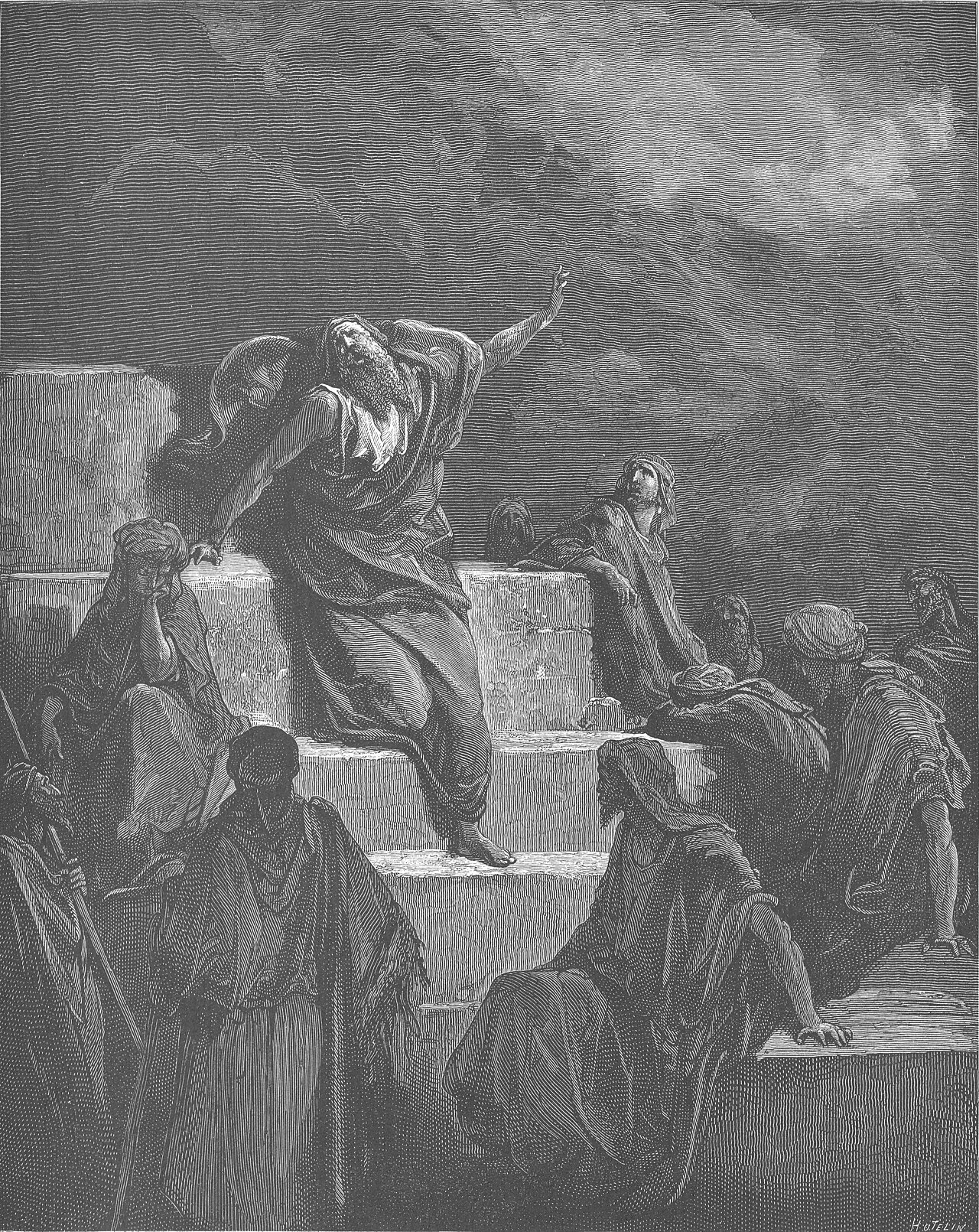
This page draws on Adam Clarke, Commentary on the Bible; Carl Friedrich Keil, The Prophecies of Jeremiah; John Gill, Exposition of the Old Testament (1748-1763) and Matthew Henry, Commentary on the Whole Bible.