
Judges 21:23
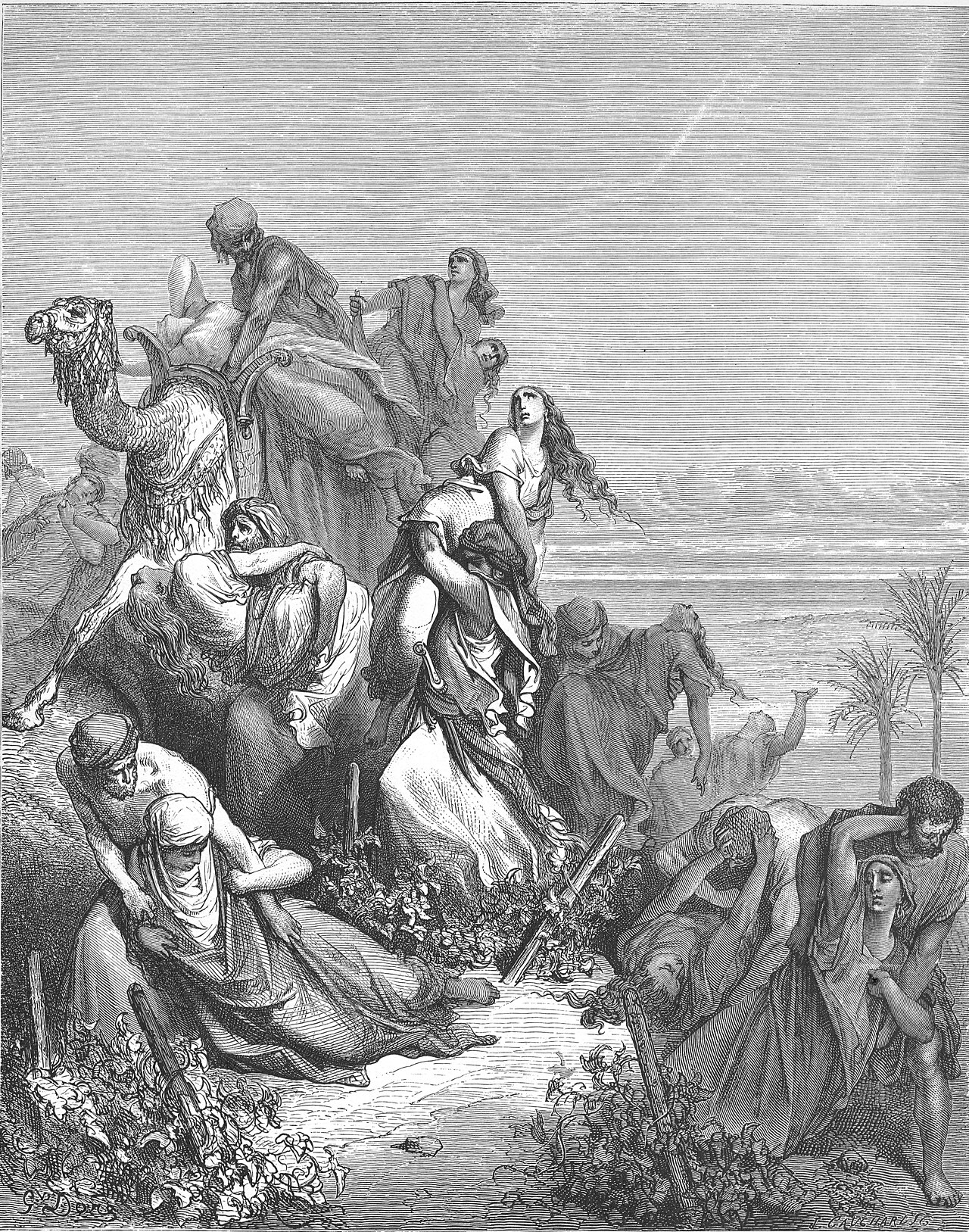
in Judges 21The Benjamites did as instructed and carried away the number of women they needed from the dancers they caught. They went back to their own inheritance, rebuilt their cities, and settled in them.
BSB
The same verse in ASV and KJV ▾
ASV
And the children of Benjamin did so, and took them wives, according to their number, of them that danced, whom they carried off: and they went and returned unto their inheritance, and built the cities, and dwelt in them.
KJV
And the children of Benjamin did so, and took them wives, according to their number, of them that danced, whom they caught: and they went and returned unto their inheritance, and repaired the cities, and dwelt in them.
⋯
This verse in Judges 21
Commentary
7 notes on this verseA commentator
Albert Barnes1798–1870
Notes, Explanatory and Practical, on the Old and New Testaments (1832-1869)
Compare the very similar account of the rape of the Sabine women by the Romero youths at the festival of the Consualia, as related by Livy.
This site's exposition
When their fathers or brothers come to us
on Judges 21:22-23
The answer to the fathers is drafted before the raid, and it turns on one word of the oath, since “you did not actually give them your daughters”. Benjamin takes “the number of women they needed”, goes back to “their own inheritance”, and rebuilds the cities burned at 20:48. Barnes sets the scene beside the seizing of the Sabine women at a Roman festival as Livy tells it.
This site's exposition
The Benjamites did as instructed
Clarke notes that no part of Benjamin's land was taken from the tribe, so six hundred men now held what many thousands had held before. Matthew Henry traces Ehud, the second judge, to the Benjamites who rebuilt here. The tribe resettles its own cities.
The record, by era
The Puritans and the Awakening3 voices
6 And the children of Israel repented them for Benjamin their brother, and said, There is one tribe cut off from Israel this day. 7 How shall we do for wives for them that remain, seeing we have sworn by the L ORD that we will not give them of our daughters to wives? 8 And they said, What one is there of the tribes of Israel that came not up to Mizpeh to the L ORD ?
quarantine:scripture (2026-07-29) — scripture-overlap:95%@v6-8
And the children of Benjamin did so,....
And soon after from among them sprang Ehud, who was famous in his generation, the second judge of Israel, ch. iii. The disbanding and dispersing of the army of Israel,
The Nineteenth Century1 voice
They went and returned unto their inheritance - It appears that the Benjamites acted in the most honorable way by the women whom they had thus violently carried off; and we may rest assured they took them to an inheritance at least equal to their own, for it does not appear that any part of the lands of the Benjamites was alienated from them, and the six hundred men in question shared, for the present, the inheritance of many thousands.
The words behind it
20 Hebrew wordsEvery Hebrew word of this verse in the order it stands, with what it means and the door to its own study. The last column counts the times a word stands in the whole Bible: the rarer the word, the more the places it appears belong together.
| Hebrew | Sound | Meaning | Word study | In the Bible |
|---|---|---|---|---|
| וַיַּֽעֲשׂוּ־ | vaiyaasu- | and they did | H6213 → | 2628 times |
| כֵן֙ | khen | thus | H3651 → | 771 times |
| בְּנֵ֣י | benei | [the] descendants of | H1121 → | 4930 times |
| בִנְיָמִ֔ן | vinyamin | Benjamin | H1144 → | 166 times |
| וַיִּשְׂא֤וּ | vaiyisu | and they carried off | H5375 → | 656 times |
| נָשִׁים֙ | nashim | wives | H802 → | 781 times |
| לְמִסְפָּרָ֔ם | lemisparam | to number their | H4557 → | 134 times |
| מִן־ | min- | from | H4480 → | 1188 times |
| הַמְּחֹלְל֖וֹת | hamecholelot | the dancers | H2342 → | 58 times |
| אֲשֶׁ֣ר | ʾasher | whom | H834 → | 5497 times |
| גָּזָ֑לוּ | gazalu | they seized | H1497 → | |
| וַיֵּלְכ֗וּ | vaiyelekhu | and they went | H1980 → | 1546 times |
| וַיָּשׁ֙וּבוּ֙ | vaiyashuvu | and they returned | H7725 → | 1056 times |
| אֶל־ | ʾel- | to | H413 → | 5510 times |
| נַ֣חֲלָתָ֔ם | nachalatam | inheritance their | H5159 → | 222 times |
| וַיִּבְנוּ֙ | vaiyivnu | and they rebuilt | H1129 → | 376 times |
| אֶת־ | ʾet- | <obj.> | H853 → | 10935 times |
| הֶ֣עָרִ֔ים | hearim | the cities | H5892 → | 1090 times |
| וַיֵּשְׁב֖וּ | vaiyeshevu | and they dwelt | H3427 → | 1079 times |
| בָּהֶֽם׃ | bahem | in <the> them |
וַיַּֽעֲשׂוּ־and they did
vaiyaasu-H6213 →2628 times
כֵן֙thus
khenH3651 →771 times
בְּנֵ֣י[the] descendants of
beneiH1121 →4930 times
בִנְיָמִ֔ןBenjamin
vinyaminH1144 →166 times
וַיִּשְׂא֤וּand they carried off
vaiyisuH5375 →656 times
נָשִׁים֙wives
nashimH802 →781 times
לְמִסְפָּרָ֔םto number their
lemisparamH4557 →134 times
מִן־from
min-H4480 →1188 times
הַמְּחֹלְל֖וֹתthe dancers
hamecholelotH2342 →58 times
אֲשֶׁ֣רwhom
ʾasherH834 →5497 times
גָּזָ֑לוּthey seized
gazaluH1497 →
וַיֵּלְכ֗וּand they went
vaiyelekhuH1980 →1546 times
וַיָּשׁ֙וּבוּ֙and they returned
vaiyashuvuH7725 →1056 times
אֶל־to
ʾel-H413 →5510 times
נַ֣חֲלָתָ֔םinheritance their
nachalatamH5159 →222 times
וַיִּבְנוּ֙and they rebuilt
vaiyivnuH1129 →376 times
אֶת־<obj.>
ʾet-H853 →10935 times
הֶ֣עָרִ֔יםthe cities
hearimH5892 →1090 times
וַיֵּשְׁב֖וּand they dwelt
vaiyeshevuH3427 →1079 times
בָּהֶֽם׃in <the> them
bahem
A shaded row is a word that stands 400 times or fewer in the Bible.
The walk
4 stopsEach card is a verse this one points to, and under it the verses that one points to in turn. Where several paths arrive at the same place, that place is listed first: the text keeps returning to it.
Through
Judges 20:48And the men of Israel turned back against the other Benjamites and put to the sword all the cities, including the animals and everything else they found. And they burned down all the cities…
it leads to
- Deuteronomy 13:15–17
you must surely put the inhabitants of that city to the sword. Devote to destruction all its people and livestock.
- Proverbs 18:19
An offended brother is harder to win than a fortified city, and disputes are like the bars of a castle.
- 2 Chronicles 25:13
Meanwhile the troops that Amaziah had dismissed from battle raided the cities of Judah, from Samaria to Beth-horon. They struck down 3,000 people and carried off a great deal of plunder.
- 2 Chronicles 28:6–9
For in one day Pekah son of Remaliah killed 120,000 valiant men in Judah. This happened because they had forsaken the LORD, the God of their fathers.
- Deuteronomy 13:15–17
Where this verse is studied
On this page
Studies1
About Judges
This page draws on Adam Clarke, Commentary on the Bible; Albert Barnes, Notes, Explanatory and Practical, on the Old and New Testaments (1832-1869); Albert Barnes, Notes on the Old Testament; John Gill, Exposition of the Old Testament (1748-1763) and Matthew Henry, Commentary on the Whole Bible.