
Ezra 2:25
in Ezra 2the men of Kiriath-jearim, Chephirah, and Beeroth, 743;
BSB
The same verse in ASV and KJV ▾
ASV
The children of Kiriath-arim, Chephirah, and Beeroth, seven hundred and forty and three.
KJV
The children of Kirjath–arim, Chephirah, and Beeroth, seven hundred and forty and three.
⋯
This verse in Ezra 2
Commentary
1 note on this verseThis site's exposition
The children of Parosh, two thousand
on Ezra 2:3-35
Verses 3 to 35 name family after family by ancestor or by hometown, the pattern Adam Clarke marks in his own notation: children of a person names descendants, children of a place names its former inhabitants. Every count stands as its own witness, since nothing else is known of most of these households beyond the number that came home. John Gill sets the list beside Nehemiah's parallel roll in his seventh chapter and finds the two registers agree in substance though not in every digit, one story kept by two hands.
The words behind it
9 Hebrew wordsEvery Hebrew word of this verse in the order it stands, with what it means and the door to its own study. The last column counts the times a word stands in the whole Bible: the rarer the word, the more the places it appears belong together.
| Hebrew | Sound | Meaning | Word study | In the Bible |
|---|---|---|---|---|
| בְּנֵ֨י | benei | [the] descendants of | H1121 → | 4930 times |
| קִרְיַ֤ת | kiryat | Kiriath | H7157 → | |
| עָרִים֙ | ʾarim | Arim | H7157 → | |
| כְּפִירָ֣ה | kefirah | Kephirah | H3716 → | |
| וּבְאֵר֔וֹת | uveerot | and Beeroth | H881 → | |
| שְׁבַ֥ע | sheva' | seven | H7651 → | 394 times |
| מֵא֖וֹת | meot | hundred<s> | H3967 → | 581 times |
| וְאַרְבָּעִ֥ים | vearbaim | and forty | H705 → | 136 times |
| וּשְׁלֹשָֽׁה׃ ס | usheloshah | and three | H7969 → | 432 times |
בְּנֵ֨י[the] descendants of
beneiH1121 →4930 times
קִרְיַ֤תKiriath
kiryatH7157 →
עָרִים֙Arim
ʾarimH7157 →
כְּפִירָ֣הKephirah
kefirahH3716 →
וּבְאֵר֔וֹתand Beeroth
uveerotH881 →
שְׁבַ֥עseven
sheva'H7651 →394 times
מֵא֖וֹתhundred<s>
meotH3967 →581 times
וְאַרְבָּעִ֥יםand forty
vearbaimH705 →136 times
וּשְׁלֹשָֽׁה׃ סand three
usheloshahH7969 →432 times
A shaded row is a word that stands 400 times or fewer in the Bible.
The walk
8 stopsEach card is a verse this one points to, and under it the verses that one points to in turn. Where several paths arrive at the same place, that place is listed first: the text keeps returning to it.
Through
Nehemiah 7:29the men of Kiriath-jearim, Chephirah, and Beeroth, 743;
it leads to
- Joshua 18:25
Gibeon, Ramah, Beeroth,
- Judges 18:12
They went up and camped at Kiriath-jearim in Judah. That is why the place west of Kiriath-jearim is called Mahaneh-dan to this day.
- Joshua 9:17
So the Israelites set out and on the third day arrived at their cities—Gibeon, Chephirah, Beeroth, and Kiriath-jearim.
- Joshua 18:25
Through
Joshua 9:17So the Israelites set out and on the third day arrived at their cities—Gibeon, Chephirah, Beeroth, and Kiriath-jearim.
it leads to
- Joshua 18:25–28
Gibeon, Ramah, Beeroth,
- Nehemiah 7:29
the men of Kiriath-jearim, Chephirah, and Beeroth, 743;
- 1 Samuel 7:1
Then the men of Kiriath-jearim came for the ark of the LORD and took it into Abinadab’s house on the hill. And they consecrated his son Eleazar to guard the ark of the LORD.
- Joshua 15:60
Kiriath-baal (that is, Kiriath-jearim), and Rabbah—two cities, along with their villages.
- Joshua 10:2
So Adoni-zedek and his people were greatly alarmed, because Gibeon was a great city, like one of the royal cities; it was larger than Ai, and all its men were mighty.
- Joshua 18:25–28
About Ezra
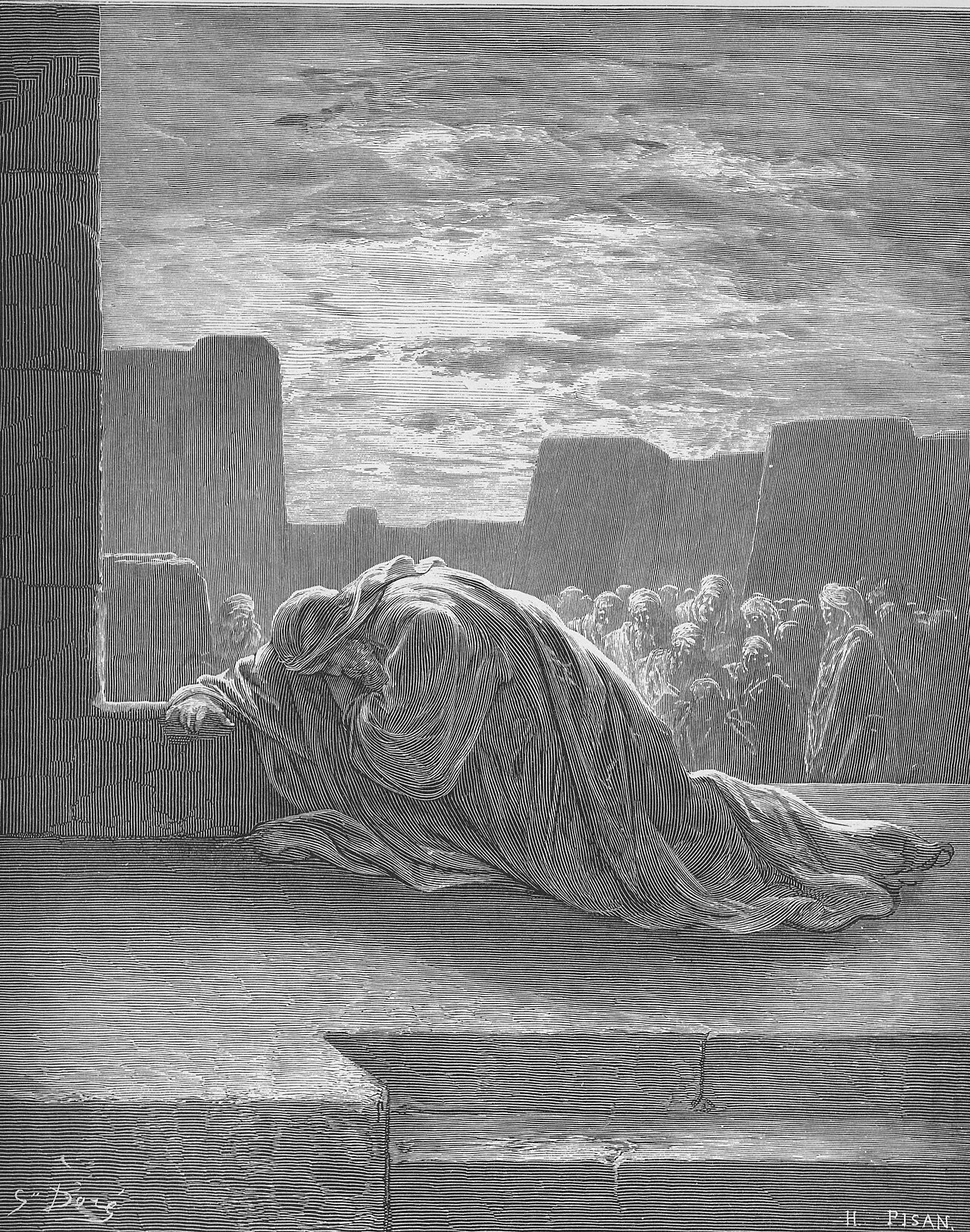
This page draws on Adam Clarke, Commentary on the Bible and John Gill, Exposition of the Old Testament.