
Esther 9:22
in Esther 9as the days on which the Jews gained rest from their enemies and the month in which their sorrow turned to joy and their mourning into a holiday. He wrote that these were to be days of feasting and joy, of sending gifts to one another and to the poor.
BSB
The same verse in ASV and KJV ▾
ASV
as the days wherein the Jews had rest from their enemies, and the month which was turned unto them from sorrow to gladness, and from mourning into a good day; that they should make them days of feasting and gladness, and of sending portions one to another, and gifts to the poor.
KJV
As the days wherein the Jews rested from their enemies, and the month which was turned unto them from sorrow to joy, and from mourning into a good day: that they should make them days of feasting and joy, and of sending portions one to another, and gifts to the poor.
⋯
This verse in Esther 9
Commentary
8 notes on this verseThis site's exposition
Mordecai recorded these events
on Esther 9:20-23
Mordecai's letters go to all the provinces to keep the fourteenth and fifteenth of Adar every year. The feast builds charity into its joy, "sending gifts to one another and to the poor," as at Nehemiah 8:10-12. So "the Jews agreed to continue the custom they had started."
This site's exposition
as the days on which the Jews
The custom of verse 19 was gifts to one another, and Mordecai's letter adds the poor. Henry pairs thanksgiving with almsgiving. The letter also remembers the month of Adar, when their sorrow turned to joy.
The record, by era
The Church Fathers2 voices
When the whole nation of Israel was about to perish, blessed Esther defeated the tyrant's anger simply by fasting and praying to God. By faith she changed the ruin of her people into safety. Those days are feast days for Israel; they used to call a feast when an enemy was slain or a conspiracy against the people was broken up and Israel was delivered. That is why Moses established the Feast of the Passover: because Pharaoh was killed and the people were delivered from bondage. So then, especially when tyrants were slain, temporal feasts and holidays were established in Judea. Now, however, the devil, that tyrant against the whole world, is slain. Therefore, our feast does not relate only to time but to eternity. It is a heavenly feast! We do not announce it as a shadow or a picture or a type but as the real thing.
In the face of all this, brothers and sisters, what should we do but give thanks to God, the king of all? Let us start by crying out the words of the psalm, "Blessed is the Lord, who has not let them eat us up." Let us keep the feast in that way that he has established for our salvation—the holy day of Easter—so that we, along with the angels, may celebrate the heavenly feast. Remember that Israel, coming out of affliction to a state of rest, sang a song of praise for the victory as they kept the feast.
The Medieval Church1 voice
For those who always faithfully perform pious labors, and good works, and who generously give charity, are fighting for this so that they will be worthy to win entry to eternal life in faith, hope and charity, in accordance with the teachings of the Gospels …
The Puritans and the Awakening2 voices
12 And the king said unto Esther the queen, The Jews have slain and destroyed five hundred men in Shushan the palace, and the ten sons of Haman; what have they done in the rest of the king's provinces? now what is thy petition? and it shall be granted thee: or what is thy request further? and it shall be done.
quarantine:scripture (2026-07-29) — verbatim-scripture
As the days wherein the Jews rested from their enemies,....
1 more voice on this verse
The Puritans and the Awakening1 voice
Those that have received mercy must, in token of their gratitude, show mercy; and there never wants occasion, for the poor we have always with us. Thanksgiving and almsgiving should go together, that, when we are rejoicing and blessing God, the heart of the poor may rejoice with us and their loins may bless us. (2.) What was added to this, which was much better.
How the passage was read
On Esther 9:20-32On Esther 9:20-32
The feast this book founds
These verses are the founding charter of Purim, the one feast instituted inside the canon's own narrative books. Its name comes from the “pur,” the lot Haman cast for Israel's destruction. The text itself names the three practices that still define the day: feasting and gladness, sending portions of food to one another, and gifts to the poor (9:22). To this day the whole book of Esther, called the Megillah (“scroll”), is read aloud in the synagogue, with the congregation drowning out Haman's name with noisemakers; the day is kept with costumes, feasting, food baskets to friends, and charity.
This section is reception history: how the passage was read and kept in the Jewish tradition. Where a reading parts from an essential of the Christian faith, the section says so at that point.
Sources: Mishnah Megillah 1:1 (the scroll reading) · Esther 9:22 (the three practices, in the text itself)
The words behind it
26 Hebrew wordsEvery Hebrew word of this verse in the order it stands, with what it means and the door to its own study. The last column counts the times a word stands in the whole Bible: the rarer the word, the more the places it appears belong together.
| Hebrew | Sound | Meaning | Word study | In the Bible |
|---|---|---|---|---|
| כַּיָּמִ֗ים | kaiyamim | as the days | H3117 → | 2304 times |
| אֲשֶׁר־ | ʾasher- | when | H834 → | 5497 times |
| נָ֨חוּ | nachu | they had rest | H5117 → | 142 times |
| בָהֶ֤ם | vahem | on them | ||
| הַיְּהוּדִים֙ | haiyehudim | the Jews | H3064 → | 75 times |
| מֵא֣וֹיְבֵיהֶ֔ם | meoyveihem | from enemies their | H341 → | 282 times |
| וְהַחֹ֗דֶשׁ | vehachodesh | and the month | H2320 → | 284 times |
| אֲשֶׁר֩ | ʾasher | when | H834 → | 5497 times |
| נֶהְפַּ֨ךְ | nehpakh | it was changed | H2015 → | |
| לָהֶ֤ם | lahem | for them | ||
| מִיָּגוֹן֙ | miyagoyn | from sorrow | H3015 → | |
| לְשִׂמְחָ֔ה | lesimchah | into joy | H8057 → | 94 times |
| וּמֵאֵ֖בֶל | umeevel | and from mourning | H60 → | |
| לְי֣וֹם | leyom | into a day | H3117 → | 2304 times |
| ט֑וֹב | tov | good | H2896 → | 538 times |
| לַעֲשׂ֣וֹת | laasot | to make | H6213 → | 2628 times |
| אוֹתָ֗ם | ʾotam | <obj.> them | H853 → | 10935 times |
| יְמֵי֙ | yemei | days of | H3117 → | 2304 times |
| מִשְׁתֶּ֣ה | mishteh | feast | H4960 → | 46 times |
| וְשִׂמְחָ֔ה | vesimchah | and joy | H8057 → | 94 times |
| וּמִשְׁל֤וֹחַ | umishloach | and [the] sending of | H4916 → | |
| מָנוֹת֙ | manot | portions | H4490 → | 13 times |
| אִ֣ישׁ | ʾish | each | H376 → | 1663 times |
| לְרֵעֵ֔הוּ | lereehu | to neighbor his | H7453 → | |
| וּמַתָּנ֖וֹת | umatanot | and gifts | H4979 → | |
| לָֽאֶבְיוֹנִֽים׃ | laevyonim | to the needy [people] | H34 → |
כַּיָּמִ֗יםas the days
kaiyamimH3117 →2304 times
אֲשֶׁר־when
ʾasher-H834 →5497 times
נָ֨חוּthey had rest
nachuH5117 →142 times
בָהֶ֤םon them
vahem
הַיְּהוּדִים֙the Jews
haiyehudimH3064 →75 times
מֵא֣וֹיְבֵיהֶ֔םfrom enemies their
meoyveihemH341 →282 times
וְהַחֹ֗דֶשׁand the month
vehachodeshH2320 →284 times
אֲשֶׁר֩when
ʾasherH834 →5497 times
נֶהְפַּ֨ךְit was changed
nehpakhH2015 →
לָהֶ֤םfor them
lahem
מִיָּגוֹן֙from sorrow
miyagoynH3015 →
לְשִׂמְחָ֔הinto joy
lesimchahH8057 →94 times
וּמֵאֵ֖בֶלand from mourning
umeevelH60 →
לְי֣וֹםinto a day
leyomH3117 →2304 times
ט֑וֹבgood
tovH2896 →538 times
לַעֲשׂ֣וֹתto make
laasotH6213 →2628 times
אוֹתָ֗ם<obj.> them
ʾotamH853 →10935 times
יְמֵי֙days of
yemeiH3117 →2304 times
מִשְׁתֶּ֣הfeast
mishtehH4960 →46 times
וְשִׂמְחָ֔הand joy
vesimchahH8057 →94 times
וּמִשְׁל֤וֹחַand [the] sending of
umishloachH4916 →
מָנוֹת֙portions
manotH4490 →13 times
אִ֣ישׁeach
ʾishH376 →1663 times
לְרֵעֵ֔הוּto neighbor his
lereehuH7453 →
וּמַתָּנ֖וֹתand gifts
umatanotH4979 →
לָֽאֶבְיוֹנִֽים׃to the needy [people]
laevyonimH34 →
A shaded row is a word that stands 400 times or fewer in the Bible.
The walk
8 stopsEach card is a verse this one points to, and under it the verses that one points to in turn. Where several paths arrive at the same place, that place is listed first: the text keeps returning to it.
Through
Psalms 30:11You turned my mourning into dancing; You peeled off my sackcloth and clothed me with joy,
it leads to
- Jeremiah 31:4
Again I will build you, and you will be rebuilt, O Virgin Israel. Again you will take up your tambourines and go out in joyful dancing.
- Ecclesiastes 3:4
a time to weep and a time to laugh, a time to mourn and a time to dance,
- Jeremiah 31:13–14
Then the maidens will rejoice with dancing, young men and old as well. I will turn their mourning into joy, and give them comfort and joy for their sorrow.
- 2 Chronicles 20:12
Our God, will You not judge them? For we are powerless before this vast army that comes against us. We do not know what to do, but our eyes are upon You.”
- Isaiah 25:8
He will swallow up death forever. The Lord GOD will wipe away the tears from every face and remove the disgrace of His people from the whole earth. For the LORD has spoken.
- Jeremiah 31:4
Through
Isaiah 14:3On the day that the LORD gives you rest from your pain and torment, and from the hard labor into which you were forced,
it leads to
- Jeremiah 30:10
As for you, O Jacob My servant, do not be afraid, declares the LORD, and do not be dismayed, O Israel. For I will surely save you out of a distant place, your descendants…
- Isaiah 32:18
Then my people will dwell in a peaceful place, in safe and secure places of rest.
- Jeremiah 30:10
Through
Esther 9:19This is why the rural Jews, who live in the villages, observe the fourteenth day of the month of Adar as a day of joy and feasting. It is a holiday for sending gifts…
it leads to
- Esther 8:17
In every province and every city, wherever the king’s edict and decree reached, there was joy and gladness among the Jews, with feasting and celebrating. And many of the people of the land themselves…
- Esther 8:17
Where this verse is studied
On this page
Studies4
On this verse
On this chapter
About Esther
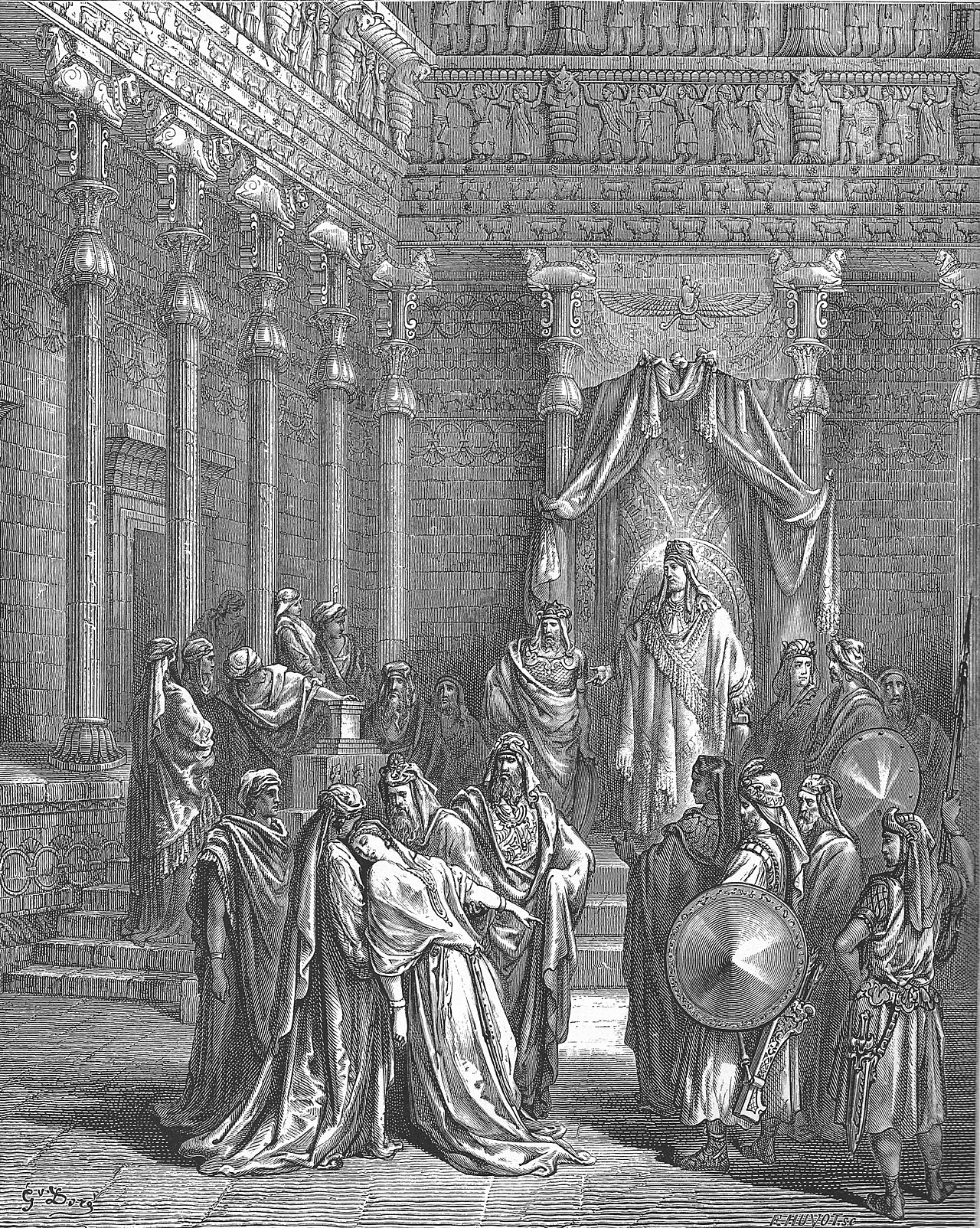
This page draws on Athanasius of Alexandria, FESTAL LETTERS 4; Athanasius of Alexandria, FESTAL LETTERS 8; John Gill, Exposition of the Old Testament (1748-1763); Matthew Henry, Commentary on the Whole Bible; Rabanus Maurus, Commentary on Esther and W. F. Adeney, Ezra, Nehemiah and Esther (Expositor's Bible).