
Deuteronomy 24:8
in Deuteronomy 24In cases of infectious skin diseases, be careful to diligently follow everything the Levitical priests instruct you. Be careful to do as I have commanded them.
BSB
The same verse in ASV and KJV ▾
ASV
Take heed in the plague of leprosy, that thou observe diligently, and do according to all that the priests the Levites shall teach you: as I commanded them, so ye shall observe to do.
KJV
Take heed in the plague of leprosy, that thou observe diligently, and do according to all that the priests the Levites shall teach you: as I commanded them, so ye shall observe to do.
⋯
This verse in Deuteronomy 24
Commentary
4 notes on this verseThe laws concerning it we had, Lev. xiii. They are here said to be commanded to the priests and Levites, and therefore are not repeated in a discourse to the people; but the people are here charged, in case of leprosy, to apply to the priest according to the law, and to abide by his judgment, so far as it agreed with the law and the plain matter of fact.
This site's exposition
When a man hath taken a new wife
on Deuteronomy 24:5-9
The exemptions at 20:5-7 sent home the man who had betrothed a wife and not taken her, and verse 5 adds a full year at home for the man who has. Verses 6 and 7 both price a man's life: the hand mill may not be taken in pledge because he taketh a man's life to pledge, and stealing a man is capital where stealing goods was not, which Exodus 21:16 had already said. The leprosy law itself is not repeated here, only the order to do what the priests teach, and the memory set beside it is Miriam at Numbers 12:10-15. Remember falls fourteen times in this book and three of them stand in this chapter, at verses 9, 18 and 22.
The record, by era
The Puritans and the Awakening1 voice
Take heed, in the plague of leprosy,....
The Nineteenth Century1 voice
The plague of leprosy - See on Leviticus 13 (note), and Leviticus 14 (note).
The words behind it
16 Hebrew wordsEvery Hebrew word of this verse in the order it stands, with what it means and the door to its own study. The last column counts the times a word stands in the whole Bible: the rarer the word, the more the places it appears belong together.
| Hebrew | Sound | Meaning | Word study | In the Bible |
|---|---|---|---|---|
| הִשָּׁ֧מֶר | hishamer | take heed | H8104 → | 468 times |
| בְּנֶֽגַע־ | benega'- | to [the] plague of | H5061 → | 78 times |
| הַצָּרַ֛עַת | hatzaraat | <the> serious skin disease | H6883 → | |
| לִשְׁמֹ֥ר | lishmor | to take care | H8104 → | 468 times |
| מְאֹ֖ד | meod | exceedingly | H3966 → | 300 times |
| וְלַעֲשׂ֑וֹת | velaasot | and to do | H6213 → | 2628 times |
| כְּכֹל֩ | kekhol | according to all | H3605 → | 5413 times |
| אֲשֶׁר־ | ʾasher- | that | H834 → | 5497 times |
| יוֹר֨וּ | yoru | they will instruct | H3384 → | 80 times |
| אֶתְכֶ֜ם | ʾetkhem | <obj.> you | H853 → | 10935 times |
| הַכֹּהֲנִ֧ים | hakohanim | the priests | H3548 → | 750 times |
| הַלְוִיִּ֛ם | halviyim | the Levites | H3881 → | 291 times |
| כַּאֲשֶׁ֥ר | kaasher | just as | H834 → | 5497 times |
| צִוִּיתִ֖ם | tzivitim | I commanded them | H6680 → | 494 times |
| תִּשְׁמְר֥וּ | tishmeru | you will take care | H8104 → | 468 times |
| לַעֲשֽׂוֹת׃ ס | laasot | to do | H6213 → | 2628 times |
הִשָּׁ֧מֶרtake heed
hishamerH8104 →468 times
בְּנֶֽגַע־to [the] plague of
benega'-H5061 →78 times
הַצָּרַ֛עַת<the> serious skin disease
hatzaraatH6883 →
לִשְׁמֹ֥רto take care
lishmorH8104 →468 times
מְאֹ֖דexceedingly
meodH3966 →300 times
וְלַעֲשׂ֑וֹתand to do
velaasotH6213 →2628 times
כְּכֹל֩according to all
kekholH3605 →5413 times
אֲשֶׁר־that
ʾasher-H834 →5497 times
יוֹר֨וּthey will instruct
yoruH3384 →80 times
אֶתְכֶ֜ם<obj.> you
ʾetkhemH853 →10935 times
הַכֹּהֲנִ֧יםthe priests
hakohanimH3548 →750 times
הַלְוִיִּ֛םthe Levites
halviyimH3881 →291 times
כַּאֲשֶׁ֥רjust as
kaasherH834 →5497 times
צִוִּיתִ֖םI commanded them
tzivitimH6680 →494 times
תִּשְׁמְר֥וּyou will take care
tishmeruH8104 →468 times
לַעֲשֽׂוֹת׃ סto do
laasotH6213 →2628 times
A shaded row is a word that stands 400 times or fewer in the Bible.
The walk
8 stopsEach card is a verse this one points to, and under it the verses that one points to in turn. Where several paths arrive at the same place, that place is listed first: the text keeps returning to it.
Through
Mark 1:44“See that you don’t tell anyone. But go, show yourself to the priest and present the offering Moses prescribed for your cleansing, as a testimony to them.”
it leads to
- Leviticus 14:1–32
Then the LORD said to Moses,
- Luke 17:14
When Jesus saw them, He said, “Go, show yourselves to the priests.” And as they were on their way, they were cleansed.
Reached by 2 separate paths from here.
- Matthew 8:4
Then Jesus instructed him, “See that you don’t tell anyone. But go, show yourself to the priest and offer the gift prescribed by Moses, as a testimony to them.”
- 1 Corinthians 10:11
Now these things happened to them as examples and were written down as warnings for us, on whom the fulfillment of the ages has come.
- Leviticus 14:1–32
Through
Luke 17:14When Jesus saw them, He said, “Go, show yourselves to the priests.” And as they were on their way, they were cleansed.
it leads to
- Leviticus 13:1–46
Then the LORD said to Moses and Aaron,
- Luke 5:14
“Do not tell anyone,” Jesus instructed him. “But go, show yourself to the priest and present the offering Moses prescribed for your cleansing, as a testimony to them.”
- 2 Kings 5:14
So Naaman went down and dipped himself in the Jordan seven times, according to the word of the man of God, and his flesh was restored and became like that of a little child,…
- Leviticus 13:1–46
Through
Leviticus 14:2“This is the law for the one afflicted with a skin disease on the day of his cleansing, when he is brought to the priest.
it leads to
- Luke 5:12–14
While Jesus was in one of the towns, a man came along who was covered with leprosy. When he saw Jesus, he fell facedown and begged Him, “Lord, if You are willing, You can…
- Luke 5:12–14
Where this verse is studied
About Deuteronomy
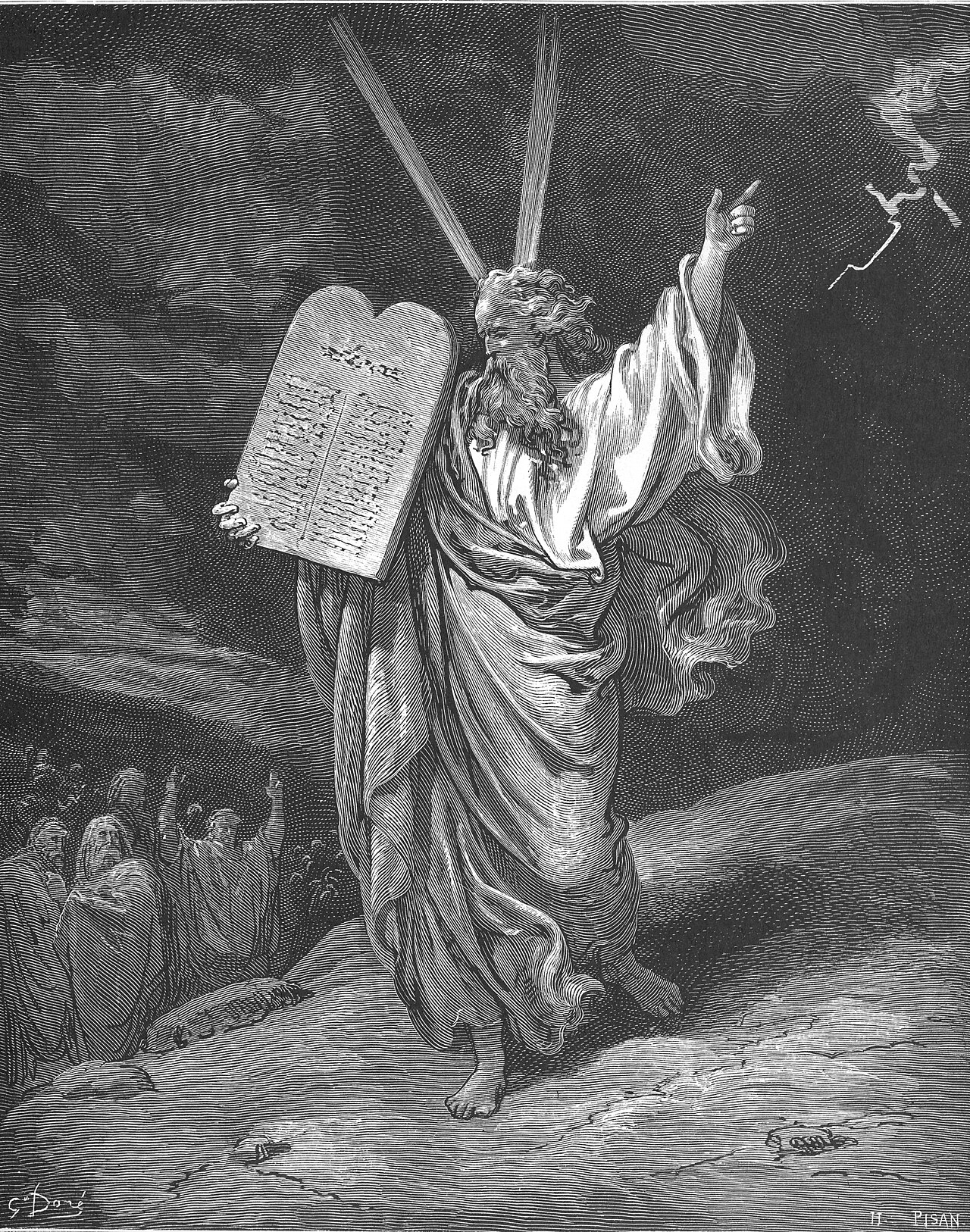
This page draws on Adam Clarke, Commentary on the Bible; John Gill, Exposition of the Old Testament (1748-1763); Keil and Delitzsch, Biblical Commentary on the Old Testament: The Pentateuch and Matthew Henry, Commentary on the Whole Bible.