
2 Samuel 24:3
in 2 Samuel 24But Joab replied to the king, “May the LORD your God multiply the troops a hundred times over, and may the eyes of my lord the king see it. But why does my lord the king want to do such a thing?”
BSB
The same verse in ASV and KJV ▾
ASV
And Joab said unto the king, Now Jehovah thy God add unto the people, how many soever they may be, a hundredfold; and may the eyes of my lord the king see it: but why doth my lord the king delight in this thing?
KJV
And Joab said unto the king, Now the Lord thy God add unto the people, how many soever they be, an hundredfold, and that the eyes of my lord the king may see it: but why doth my lord the king delight in this thing?
⋯
This verse in 2 Samuel 24
Commentary
5 notes on this verseJoab said unto the king - This very bad man saw that the measure now recommended by the king was a wrong one, and might be ruinous to the people, and therefore he remonstrates against it in a very sensible speech; but the king was infatuated, and would hear no reason.
This site's exposition
why doth my lord the king delight in this thing
on 2 Samuel 24:3-4
Joab objects before a soldier is counted, asking why the king delights in a census at all rather than arguing that numbering itself is forbidden. Matthew Henry reads the objection as proof that many things not sinful in themselves turn into sin through the delight a man takes in them, a fault Joab could see in David though he never saw it in himself. The king's word prevails over Joab and the captains all the same, and Joab goes out to carry an order he had just resisted.
The record, by era
The Puritans and the Awakening2 voices
And Joab said unto the king,....
Note, Many things, not in themselves sinful, turn into sin to us by our inordinately delighting in them. Joab was aware of David's vanity herein, but he himself was not. It would be good for us to have a friend that would faithfully admonish us when we say or do any thing proud or vain-glorious, for we often do so and are not ourselves aware of it.
The Nineteenth Century1 voice
A commentator
Jamieson, Fausset & Brown1802–1910
Commentary Critical and Explanatory on the Whole Bible (1871)
Satan was the active mover, while God only withdrew His supporting grace, and the great tempter prevailed against the king. The order was given to Joab, who, though not generally restrained by religious scruples, did not fail to present, in strong terms (see on 1Ch 21:3), the sin and danger of this measure.
The words behind it
23 Hebrew wordsEvery Hebrew word of this verse in the order it stands, with what it means and the door to its own study. The last column counts the times a word stands in the whole Bible: the rarer the word, the more the places it appears belong together.
| Hebrew | Sound | Meaning | Word study | In the Bible |
|---|---|---|---|---|
| וַיֹּ֨אמֶר | vaiyomer | and he said | H559 → | 5305 times |
| יוֹאָ֜ב | yoav | Joab | H3097 → | 144 times |
| אֶל־ | ʾel- | to | H413 → | 5510 times |
| הַמֶּ֗לֶךְ | hamelekh | the king | H4428 → | 2525 times |
| וְיוֹסֵ֣ף | veyosef | and may he add | H3254 → | 212 times |
| יְהוָה֩ | yahweh | Yahweh | H3068 → | 6520 times |
| אֱלֹהֶ֨יךָ | ʾeloheikha | God your | H430 → | 2601 times |
| אֶל־ | ʾel- | to | H413 → | 5510 times |
| הָעָ֜ם | haam | the people | H5971 → | 1873 times |
| כָּהֵ֤ם׀ | kahem | like them | ||
| וְכָהֵם֙ | vekhahem | and like <the> them | ||
| מֵאָ֣ה | meah | a hundred | H3967 → | 581 times |
| פְעָמִ֔ים | feamim | times | H6471 → | 118 times |
| וְעֵינֵ֥י | veeinei | and [the] eyes of | H5869 → | 887 times |
| אֲדֹנִֽי־ | ʾadoni- | lord my | H113 → | 333 times |
| הַמֶּ֖לֶךְ | hamelekh | the king | H4428 → | 2525 times |
| רֹא֑וֹת | root | [are] seeing [it] | H7200 → | 1300 times |
| וַאדֹנִ֣י | vadoni | and lord my | H113 → | 333 times |
| הַמֶּ֔לֶךְ | hamelekh | the king | H4428 → | 2525 times |
| לָ֥מָּה | lamah | <to> why? | H4100 → | 752 times |
| חָפֵ֖ץ | chafetz | does he delight | H2654 → | 74 times |
| בַּדָּבָ֥ר | badavar | in the thing | H1697 → | 1440 times |
| הַזֶּֽה׃ | hazeh | <the> this | H2088 → | 1180 times |
וַיֹּ֨אמֶרand he said
vaiyomerH559 →5305 times
יוֹאָ֜בJoab
yoavH3097 →144 times
אֶל־to
ʾel-H413 →5510 times
הַמֶּ֗לֶךְthe king
hamelekhH4428 →2525 times
וְיוֹסֵ֣ףand may he add
veyosefH3254 →212 times
יְהוָה֩Yahweh
yahwehH3068 →6520 times
אֱלֹהֶ֨יךָGod your
ʾeloheikhaH430 →2601 times
אֶל־to
ʾel-H413 →5510 times
הָעָ֜םthe people
haamH5971 →1873 times
כָּהֵ֤ם׀like them
kahem
וְכָהֵם֙and like <the> them
vekhahem
מֵאָ֣הa hundred
meahH3967 →581 times
פְעָמִ֔יםtimes
feamimH6471 →118 times
וְעֵינֵ֥יand [the] eyes of
veeineiH5869 →887 times
אֲדֹנִֽי־lord my
ʾadoni-H113 →333 times
הַמֶּ֖לֶךְthe king
hamelekhH4428 →2525 times
רֹא֑וֹת[are] seeing [it]
rootH7200 →1300 times
וַאדֹנִ֣יand lord my
vadoniH113 →333 times
הַמֶּ֔לֶךְthe king
hamelekhH4428 →2525 times
לָ֥מָּה<to> why?
lamahH4100 →752 times
חָפֵ֖ץdoes he delight
chafetzH2654 →74 times
בַּדָּבָ֥רin the thing
badavarH1697 →1440 times
הַזֶּֽה׃<the> this
hazehH2088 →1180 times
A shaded row is a word that stands 400 times or fewer in the Bible.
The walk
8 stopsEach card is a verse this one points to, and under it the verses that one points to in turn. Where several paths arrive at the same place, that place is listed first: the text keeps returning to it.
Through
Deuteronomy 1:11May the LORD, the God of your fathers, increase you a thousand times over and bless you as He has promised.
it leads to
- Psalms 115:14
May the LORD give you increase, both you and your children.
- Genesis 22:17
I will surely bless you, and I will multiply your descendants like the stars in the sky and the sand on the seashore. Your descendants will possess the gates of their enemies.
- Numbers 6:27
So they shall put My name on the Israelites, and I will bless them.”
- Psalms 115:14
Through
Psalms 115:14May the LORD give you increase, both you and your children.
it leads to
- Deuteronomy 1:11
May the LORD, the God of your fathers, increase you a thousand times over and bless you as He has promised.
- Acts 2:39
This promise belongs to you and your children and to all who are far off—to all whom the Lord our God will call to Himself.”
- Acts 3:25
And you are sons of the prophets and of the covenant God made with your fathers when He said to Abraham, ‘Through your offspring all the families of the earth will be blessed.’
- Deuteronomy 1:11
Through
2 Samuel 10:12Be strong and let us fight bravely for our people and for the cities of our God. May the LORD do what is good in His sight.”
it leads to
- 1 Corinthians 16:13
Be on the alert. Stand firm in the faith. Be men of courage. Be strong.
- Deuteronomy 31:6
Be strong and courageous; do not be afraid or terrified of them, for it is the LORD your God who goes with you; He will never leave you nor forsake you.”
- 1 Corinthians 16:13
Where this verse is studied
On this page
About 2 Samuel
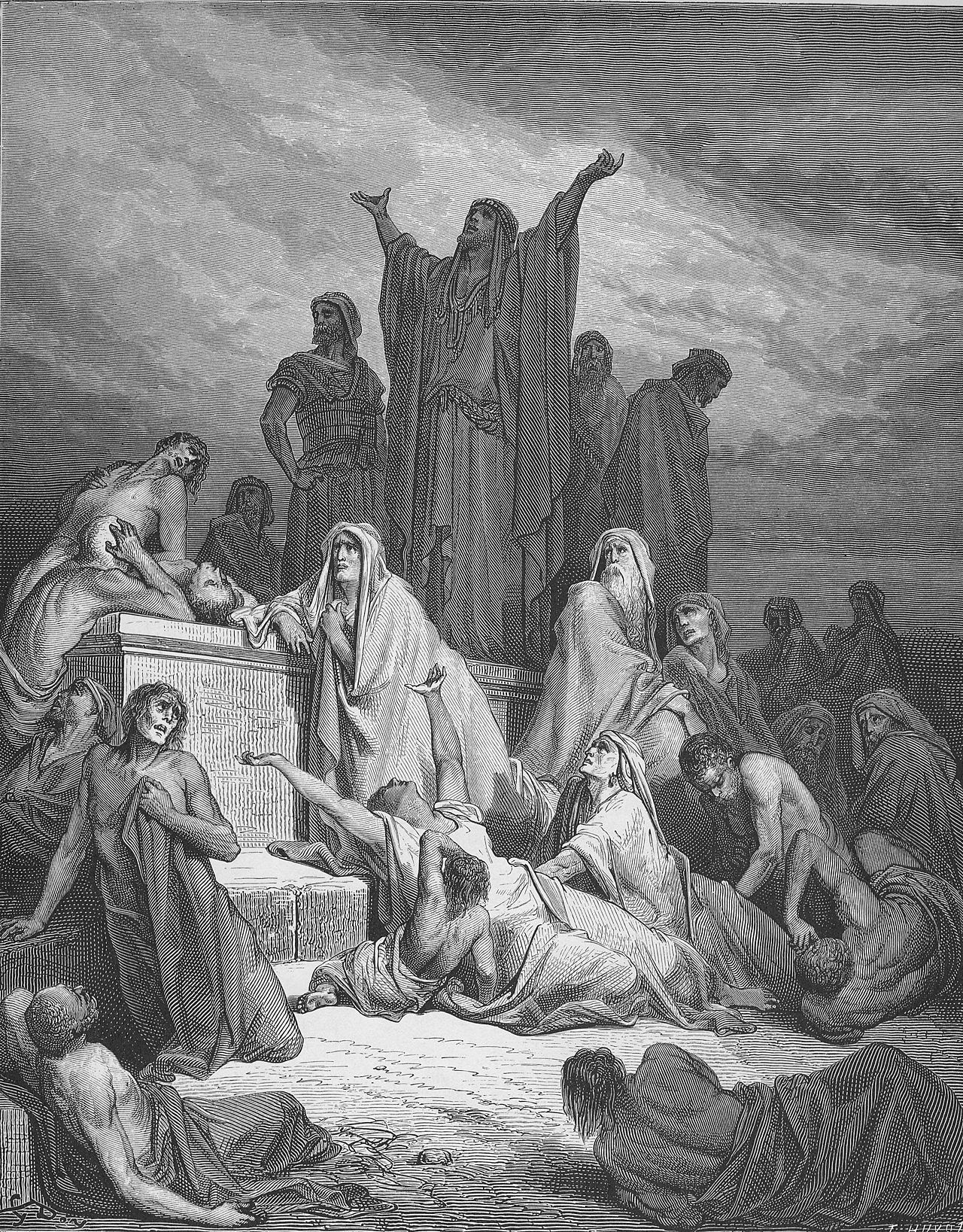
This page draws on Adam Clarke, Commentary on the Bible; Jamieson, Fausset & Brown, Commentary Critical and Explanatory on the Whole Bible; John Gill, Exposition of the Old Testament (1748-1763) and Matthew Henry, Commentary on the Whole Bible.